
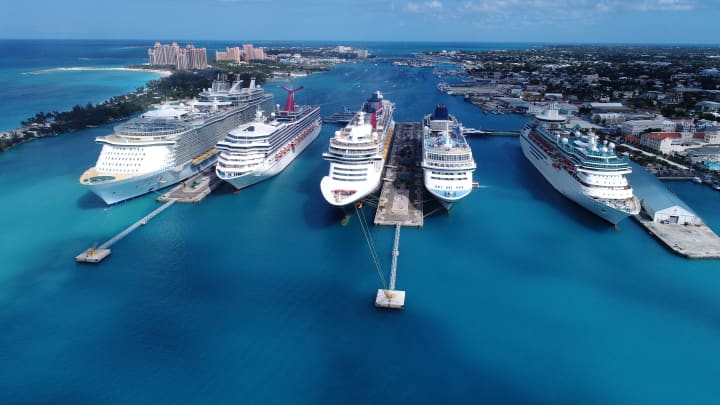
A practical guide for ferry and cruise ship crews on security awareness, incident reporting, passenger assistance and coordination with shore teams
A passenger tells a crew member about a concerning item in a public area while boarding is underway. The crew member reports what they saw and where it is. The bridge or designated security contact acknowledges the report and coordinates the response. Meanwhile, passenger service staff need clear instructions to manage the queue and help anyone who needs assistance. Security training prepares each team to make its part of that response work.
The rules behind shipboard security training
SOLAS chapter XI-2 gives effect to the International Ship and Port Facility Security Code (ISPS Code). It applies to passenger ships, including high-speed passenger craft, engaged on international voyages, and to the port facilities serving ships covered by the chapter. Flag, coastal or regional requirements can also apply to domestic services. The ISPS Code has mandatory provisions in Part A and guidance in Part B. Some jurisdictions make specified Part B provisions mandatory. IMO maritime security FAQ ·
A ship security assessment informs the approved Ship Security Plan (SSP). The plan sets the ship’s responsibilities, reporting arrangements and measures for each security level. The company uses it to turn training standards into duties for its own crew. Ships use controlled copies of the plan and share its operational details through authorised channels.
Who needs which training?
STCW regulation VI/6 covers security-related familiarisation, security awareness and designated security duties. Regulation VI/5 covers the Ship Security Officer. Regulation V/2 assigns additional passenger-ship emergency and safety training by role. One crew member may need training under several of these provisions. STCW training standards · STCW amendments, regulation V/2
| Training | Who it covers | Example of competence |
|---|---|---|
| Security familiarisation STCW VI/6 |
Applicable shipboard personnel on ISPS-covered ships, before assignment to duties. | Identify the ship’s reporting channel and explain what to do on receiving a security instruction. |
| Security awareness STCW VI/6 |
Applicable seafarers on ISPS-covered ships, including those with no designated security duties. | Recognise a concern, report observations clearly and follow shipboard instructions. |
| Designated security duties STCW VI/6 |
Seafarers assigned specific security duties under the SSP. | Carry out assigned protection, communication or response duties in accordance with the SSP. |
| Ship Security Officer STCW VI/5 |
The designated Ship Security Officer (SSO), accountable to the master. | Oversee implementation of the SSP, coordinate training and liaise with company and port facility security officers. |
| Passenger-ship emergency and safety training STCW V/2 |
Personnel according to rank and duties. Requirements include role-specific safety training, crowd management and crisis management and human behaviour. | Give clear instructions, assist people towards muster stations when directed and report passenger movements to the command team. |
Onboard familiarisation introduces the vessel’s own arrangements. The SSO or designated trainer can ask a new joiner to demonstrate how they would report a concern, explain their role if passenger movement changes and show how they would obtain assistance for a passenger. The company can record those demonstrations alongside the required training evidence.
Crew training also needs to reflect the changes that entered into force on 1 January 2026. STCW Code table A-VI/1-4 now includes competence in preventing and responding to violence and harassment, including sexual harassment, bullying and sexual assault, as part of personal safety and social responsibilities training. An onboard report should reach the designated team promptly, with appropriate support and confidential handling for the person affected. IMO summary of the 2026 STCW amendments
From the first report to a coordinated response
During routine operations, crew assigned to access control practise checking authorisation, explaining access restrictions courteously and referring uncertainty to a supervisor. Staff in public areas should recognise when to report a concern and describe specific observations. A clear report lets the designated team assess the situation and decide what needs to happen next.
Training should reach people who are likely to hear the first report, including hotel, restaurant, reception and deck staff. Ask them to describe what they observed, the location, the time and whether anyone needs immediate assistance. Record what a passenger says separately from what the crew member saw. Promptly pass the concern through the ship’s designated channel. If an item is considered suspicious, leave it undisturbed and follow the ship’s instructions.
-
Crew member reports
Location, time, observations and any immediate need for help -
Designated contact acknowledges and escalates
Confirms the location and passes the report to the appropriate onboard team -
Master and ship security team coordinate
Apply the ship’s procedures and liaise with company, port facility or authorities as appropriate -
Passenger-facing teams relay instructions and report back
Explain what passengers should do and report any movement or assistance needs
When an instruction affects passenger movement, the receiver repeats the key details and reports when the action is complete.
Security levels and the ship–shore handover
Level 1 uses the baseline protective measures. Level 2 requires additional measures during a period of increased risk. Level 3 requires specific measures for a limited period when a security incident is probable or imminent. The relevant authorities set levels under the applicable framework. The master and SSO implement the measures and instructions that apply to the ship, and supervisors brief crew on what changes in their duties.
The Company Security Officer (CSO) supports implementation across the company. The Port Facility Security Officer (PFSO) coordinates the port facility’s response. During boarding, the ship and terminal should agree who is informing passengers on each side of the gangway, when a change takes effect and which update will be given next. The master retains overriding authority for decisions necessary for the ship’s safety and security under SOLAS XI-2/8.
Passenger movement and assistance
Use short announcements that tell passengers what to do, where to wait or go, and when to expect an update. Give the same message through the methods available to the ship and terminal. Crew assigned to guide passengers should watch for crowding and keep exits and escape routes usable. Report if passengers or crew cannot follow the instruction safely. The bridge coordinates any changes to movement or muster with the teams responsible for passenger safety.
Practise giving instructions through announcements, signs or direct assistance, as appropriate. Include passengers who have hearing, sight, mobility, language or other communication needs. Ask what assistance a person needs and confirm who will provide it. If one adult needs help while caring for a child, plan for both. A useful drill checks whether the request reaches the team that can act on it and whether that team confirms the handover.
Scenario. During a simulated ferry turnaround, a passenger reports a concerning item in a public lounge. The ship’s command team directs a pause in boarding while designated staff assess the report. A passenger in the waiting group requests mobility assistance. Run this as a tabletop drill using fictional locations and records, or use a controlled practical drill coordinated by the SSO.
- First report. The crew member states the location and time and explains what they observed and what the passenger told them. The designated contact repeats the location to confirm receipt.
- Ship and terminal coordination. The master and security team assign responsibility for the pause and agree the public message with the shore team. An observer checks whether the ship and terminal give passengers the same instruction.
- Passenger assistance. A crew member acknowledges the assistance request, confirms who will help and tells the bridge when the passenger has been assisted to the agreed location.
- Close the exercise. Reconcile the timeline, record any missed handovers and assign each corrective action to an owner with a due date. At the next drill, test whether the change works.
Record the people and departments involved, the exercise objective, the time each report and acknowledgement was made, and any instructions crew found ambiguous. Use response times to identify delays in the exercise. Set any performance targets from the company’s procedures and the needs of the specific operation.
Training and drill checklist
- Match each crew member’s training to their rank, designated security duties and passenger emergency responsibilities.
- Verify completion of ship-specific familiarisation before duties begin, including reporting and passenger assistance arrangements.
- Schedule drills and exercises using the applicable rules, SSP and company programme. Account for crew changes and coordinate ship–shore participation where relevant.
- Have observers check report accuracy, acknowledgement, passenger instructions, assistance handovers and the return of information to the bridge.
- Record lessons in the authorised system, assign corrective actions and verify closure.
ISPS Code Part A, section 13 requires drills and exercises at appropriate intervals. Part B, paragraphs 13.6 and 13.7 set out a benchmark of shipboard drills at least every three months, with an additional provision for certain crew changes, and exercises at least once per calendar year with a maximum interval of 18 months. EU Regulation 725/2004 makes those paragraphs mandatory within its scope. Apply the requirements that cover the ship and service. EU Regulation 725/2004, Article 3(5) and ISPS Code section 13