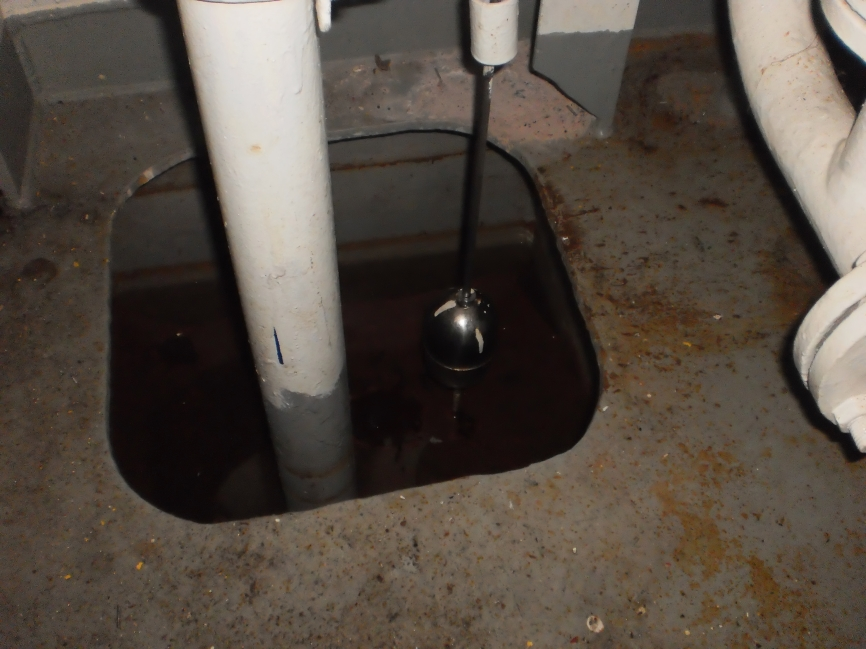
Bilge Management Onboard Ships
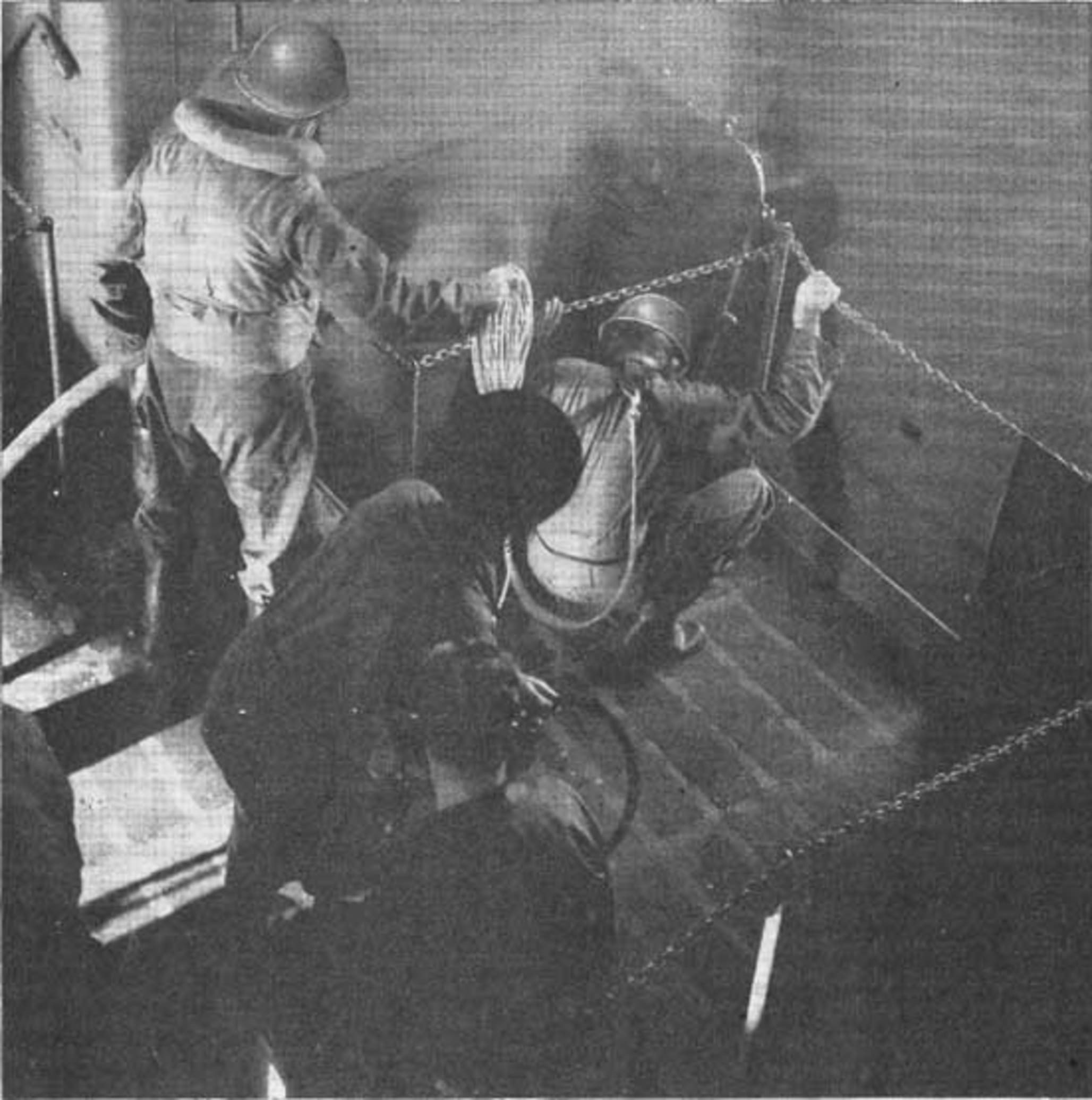
Bilge water, which accumulates at the bottom of a ship, is a mixture of water, oil, and other contaminants. Effective bilge management is vital to safeguard the marine environment and […]
Bilge water, which accumulates at the bottom of a ship, is a mixture of water, oil, and other contaminants. Effective bilge management is vital to safeguard the marine environment and […]
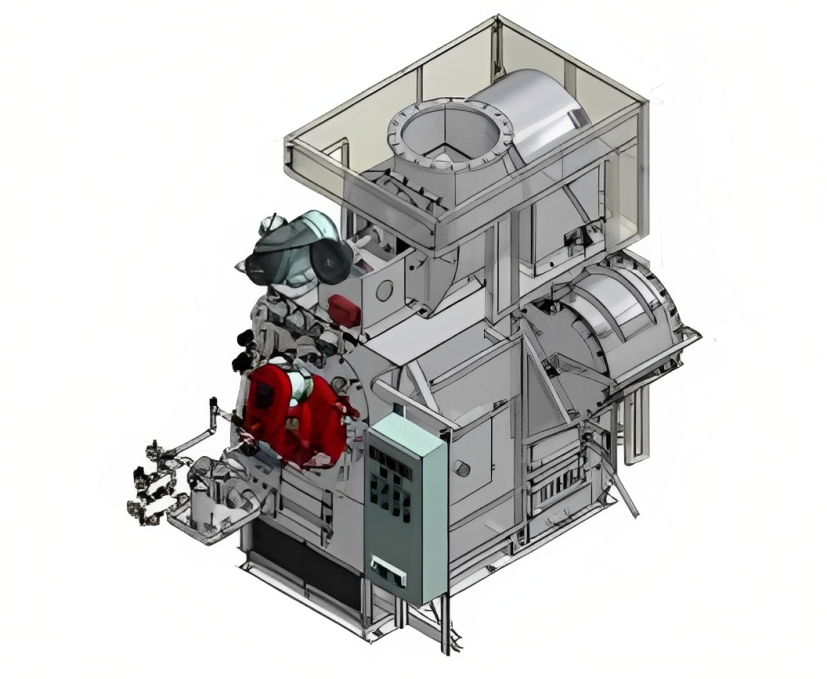
A ship incinerator is an essential onboard device used to safely dispose of waste generated during maritime operations, including oily sludge, food waste, and other combustible materials. By burning waste […]
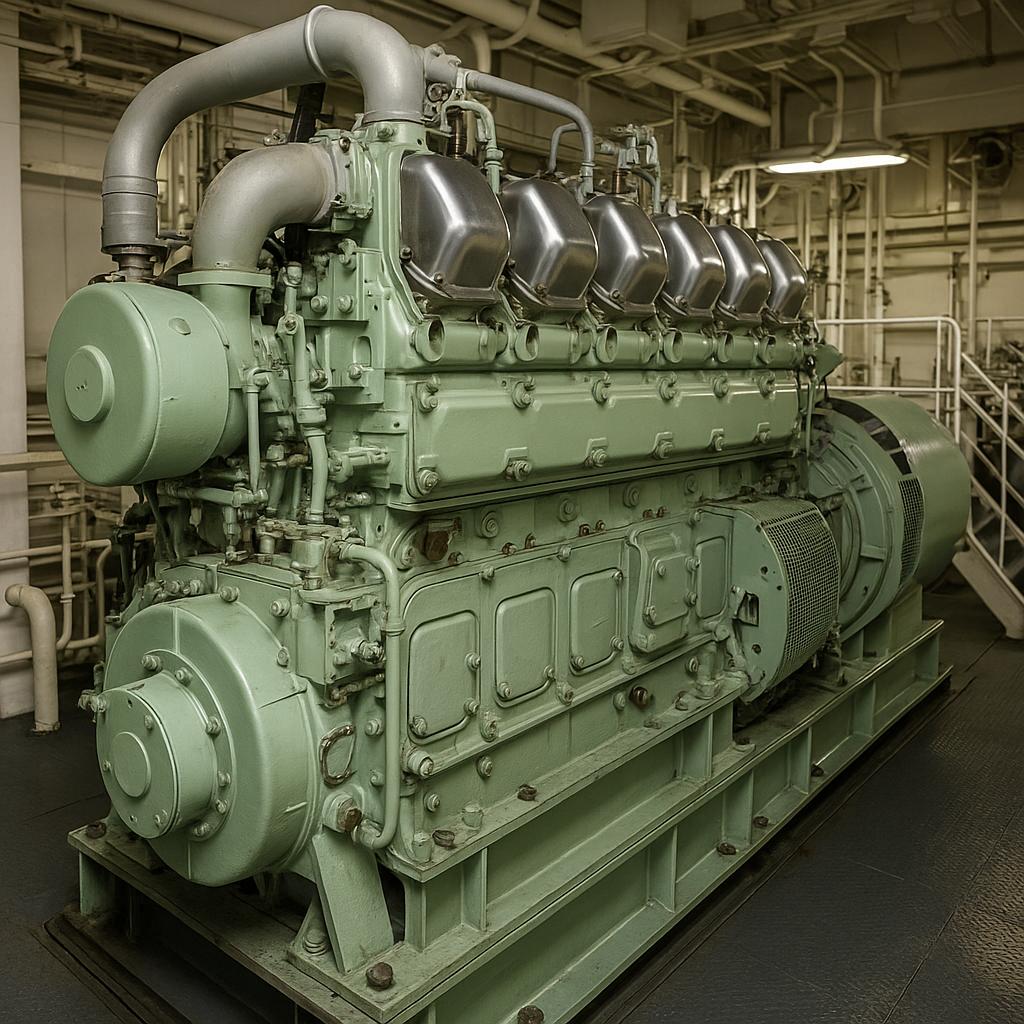
Learn how marine diesel engine generators power ships at sea. Discover their components, operation, and maintenance practices crucial for safe, efficient maritime operations. The world of shipping and maritime activity […]
In the maritime world, maintaining a reliable and steady power supply is paramount to ensure the safety and functionality of the ship. The electrical power system on board most vessels […]
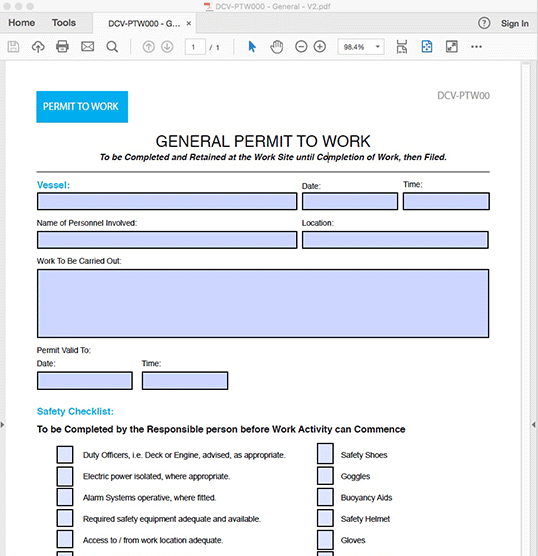
A Permit to Work (PTW) under ship Safety Management Systems (SMS) is a formal document used to control certain types of work which are potentially hazardous. It sets out the […]
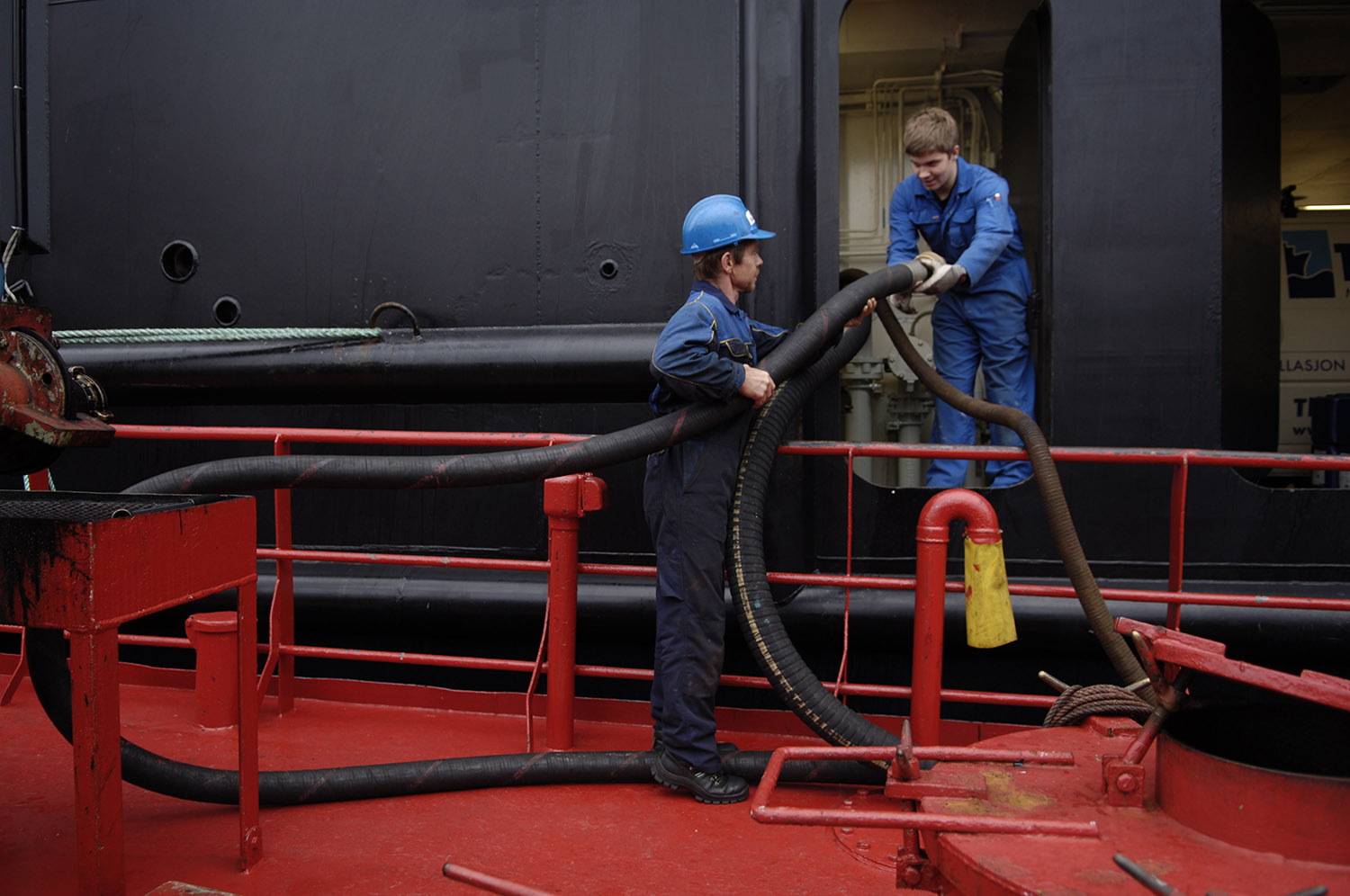
I. Introduction The Crucial Role of Bunkering in Commercial Shipping Bunkering, the process of supplying fuel to ships, plays a pivotal role in maintaining the commercial shipping industry’s relentless pace. […]
This article examines blackout and dead ship conditions onboard vessels, referencing the latest consolidated version of the International Maritime Organization’s (IMO) SOLAS Convention. It aims to provide a structured guide […]
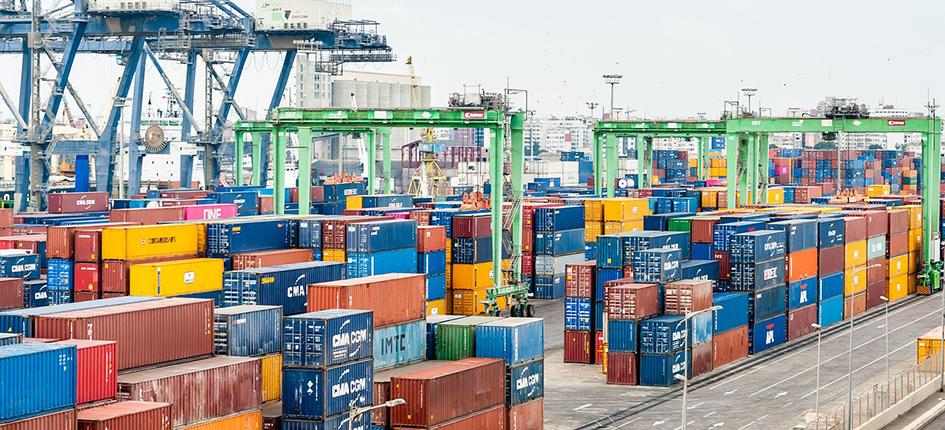
Nexxiot is presenting its latest product at the Transport Logistic trade fair in Munich. Scope AI is a conversational interface into data from Nexxiot’s cargo sensors on locations, status, conditions […]
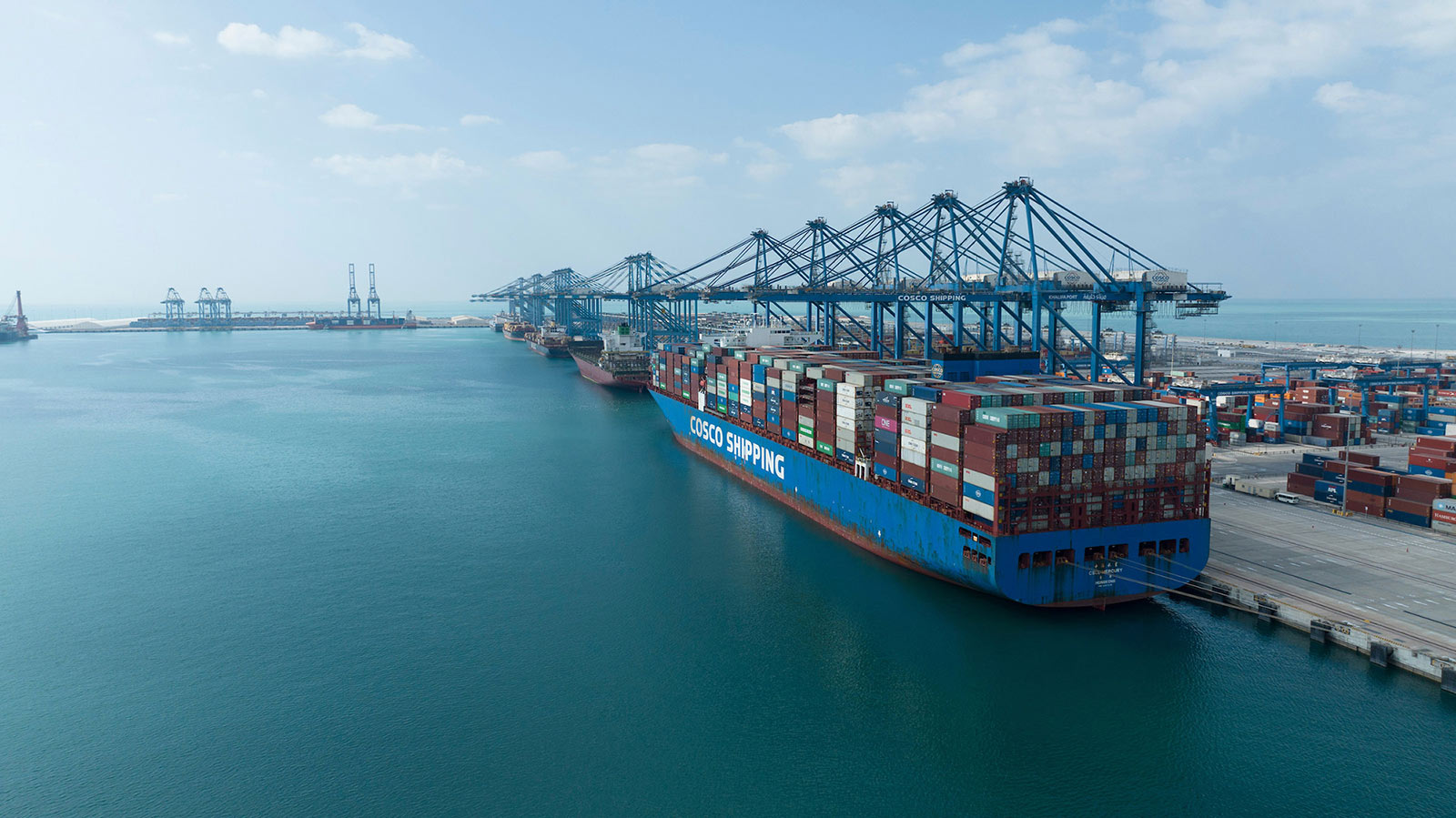
AD Ports Group, the leading facilitator of global trade, logistics, and industry announced today its intention to further expand Khalifa Port, one of the fastest growing ports in the world, to […]
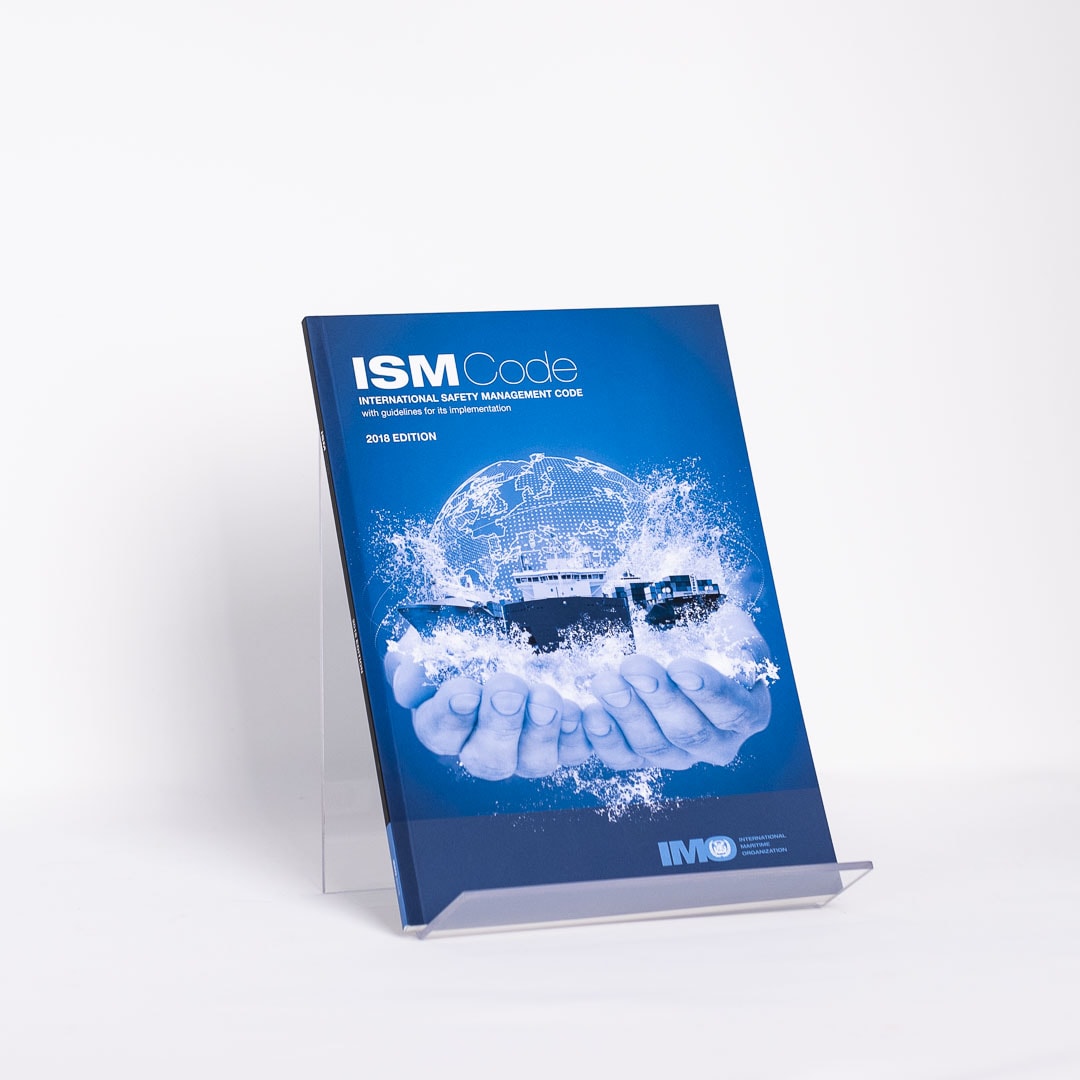
The International Safety Management (ISM) Code was established to address critical issues in the maritime industry, focusing on the safe management and operation of ships, as well as pollution prevention. […]