
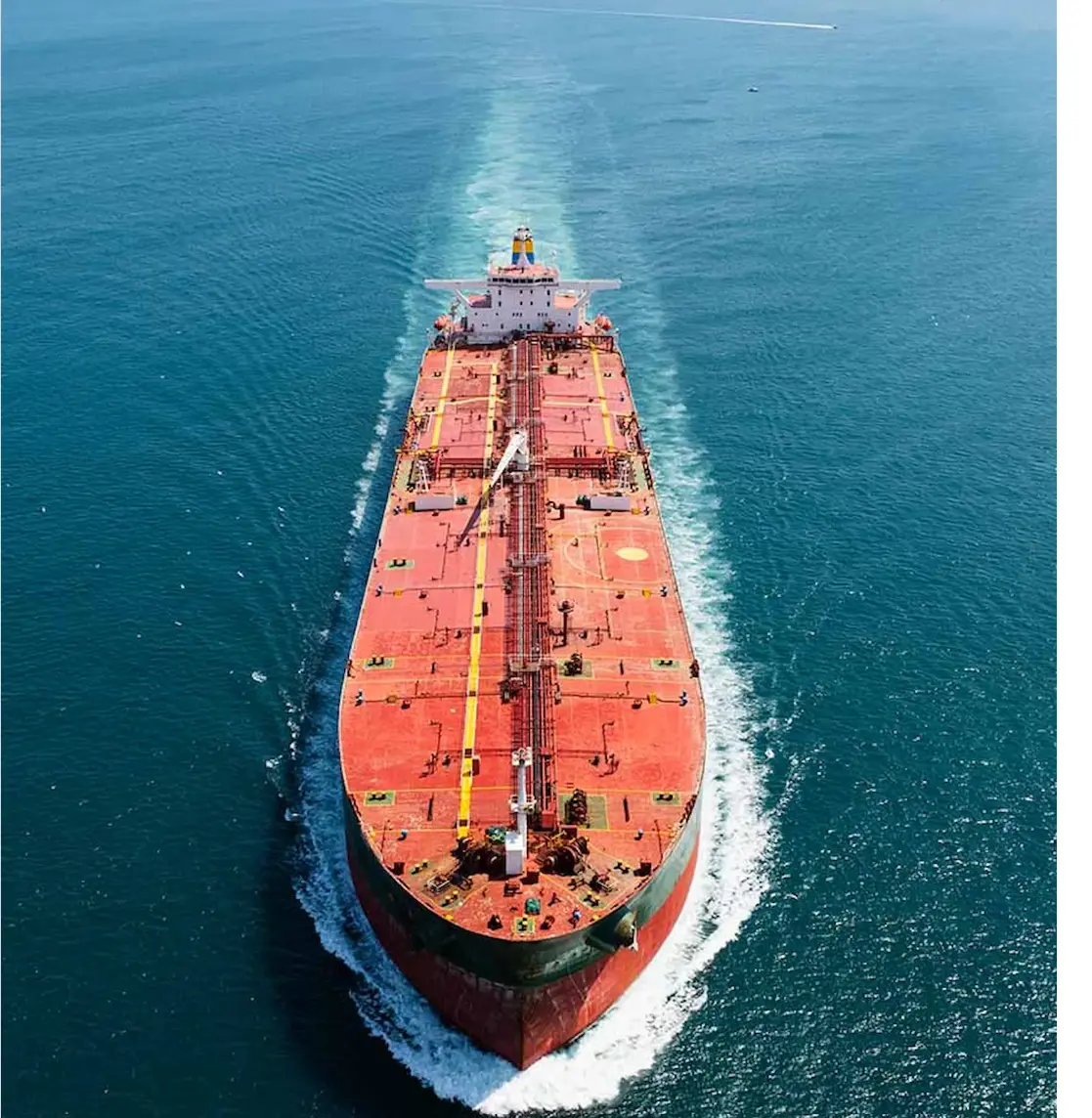
A ship arrives in port after a long voyage. Its documents are ready, the cargo operation is scheduled, and the crew is preparing for inspection. Then a person involved in the clearance process suggests that an unofficial payment or a gift would help avoid delays. The request may appear small, but it places the crew and company in a difficult position: how can they protect the ship’s schedule while following the law and their ethical responsibilities?
Corruption can affect almost every part of shipping, from port clearance and cargo handling to procurement, recruitment and the issue of certificates. It can increase costs, weaken safety standards and place seafarers under pressure. A transparent maritime industry depends on clear procedures, accountable leadership and practical support for the people dealing with demands on board and ashore.
This article explains common corruption risks, relevant international initiatives and practical ways to promote ethical decision-making throughout the maritime sector.
In this article
- What Is Corruption in Maritime Operations?
- Why Is Shipping Exposed to Corruption Risks?
- Common Forms of Maritime Corruption
- How Corruption Affects Ships and Seafarers
- The IMO and International Anti-Corruption Efforts
- What Should a Seafarer Do When Faced With a Demand?
- Practical Onboard Scenarios
- What Shipping Companies Can Do
- Transparency, Digital Systems and Their Limits
- A Practical Checklist
- Building an Ethical Maritime Culture
- Further Reading
What Is Corruption in Maritime Operations?
Corruption generally involves abusing a position of responsibility or entrusted power for improper personal or business advantage. In shipping, this may involve a public official, private service provider, agent, contractor, employee or business partner.
Examples include offering money to overlook a safety deficiency, requesting an unofficial payment to complete a routine clearance, manipulating a tender to favour a supplier, or falsifying a document in exchange for a benefit. The benefit does not have to be cash: gifts, entertainment, jobs, services or favours may also create a problem depending on the circumstances and applicable law.
Not every payment to a port authority or service provider is improper. Legitimate charges should have a clear legal or contractual basis, follow the approved payment process and be supported by proper documentation. The concern arises when a payment or benefit is requested or offered to obtain an improper advantage, or when its purpose and recipient cannot be explained transparently.
Why Is Shipping Exposed to Corruption Risks?
International ships interact with many organisations during each voyage: agents, port authorities, customs, immigration, terminals, surveyors, suppliers and contractors. Rules and procedures vary between jurisdictions, and a vessel may operate far from its company’s head office.
Time pressure can make a difficult situation worse. A delayed clearance may affect a berth, cargo commitments, fuel consumption or crew changes. In such circumstances, a person demanding an unofficial payment may present it as the only way to keep the ship moving.
The involvement of intermediaries creates another challenge. A company may not know that an agent is requesting an improper payment unless it checks invoices, understands the services provided and offers a safe reporting route. At the same time, corruption is not limited to one country or region. Risk depends on the situation, the controls in place and the conduct of the people involved; it should not be assumed from nationality.
Common Forms of Maritime Corruption
Bribery and Unofficial Payments
A bribe is an improper advantage offered, promised, given, requested or received to influence conduct or a decision. An example is a payment intended to persuade an inspector to ignore a genuine defect. The exact legal definition depends on the applicable law.
A facilitation payment is commonly understood as a small unofficial payment intended to speed up or secure a routine action. Calling it a “service fee” or “gift” does not change its nature. Some jurisdictions prohibit such payments; the UK Bribery Act does not provide a general exception for facilitation payments. The United States Foreign Corrupt Practices Act contains a narrow exception for certain routine governmental actions, but other laws and company policies may still prohibit the payment. Seafarers should not decide that a payment is permitted merely because it is small. Sources: UK government guidance; US Department of Justice discussion.
Gifts, Hospitality and Requests for Ship Stores
Ordinary hospitality and a bribe are not always the same. A modest refreshment offered openly during a visit may be permitted by company policy and local rules. A request for expensive gifts, cigarettes, alcohol, fuel or ship stores in connection with an official decision presents a different risk.
The crew should follow the company’s gift and hospitality policy, maintain any required register and ask for guidance when uncertain. A useful question is: Would we be comfortable recording this benefit and explaining its purpose to the company, authorities and auditors?
Procurement and Conflicts of Interest
Corruption can occur within a shipping company as well as at a port. A crew member or employee might favour a supplier because of a personal relationship, accept a kickback, approve an inflated invoice or order unnecessary goods.
A conflict of interest does not automatically prove wrongdoing. It means that a personal interest could affect, or appear to affect, a professional decision. Declare the relationship and allow the company to decide how the decision should be managed.
False Documents and Records
A request to alter a cargo record, invent a maintenance entry, conceal an environmental discharge or issue a certificate without proper inspection can have serious consequences. Accurate records support safety and legal compliance. Falsifying them can hide a defect until it causes injury, pollution or a vessel detention.
How Corruption Affects Ships and Seafarers
Corruption adds more than an unofficial cost. When a payment allows a genuine deficiency to be ignored, an unsafe condition may remain on board. When a crew member believes that reporting a demand will lead to blame, the company loses information it needs to address the problem.
Corruption can also create unfair competition. Companies that comply with rules may lose business to those willing to manipulate procurement or inspections. Repeated demands place additional pressure on seafarers who are already responsible for navigation, cargo operations and machinery safety.
A strong response must therefore protect both integrity and people. Crew members should know that they can report a demand, obtain support from shore and raise a safety concern without being punished for making a good-faith report.
The IMO and International Anti-Corruption Efforts
The International Maritime Organization addresses maritime corruption as part of its work to improve the movement of ships, crews and cargo through ports. The Convention on Facilitation of International Maritime Traffic, commonly called the FAL Convention, and related guidance support cooperation between governments and industry.
The IMO’s FAL.5/Circ.48 provides guidance on developing and adopting procedures against maritime corruption. It encourages measures such as assessing risks, improving transparency, training personnel and establishing channels for reporting concerns. The IMO also describes requirements for contracting governments to encourage public authorities to assess and address corruption risks. Sources: IMO FAL Convention; IMO anti-corruption guidance.
The United Nations Convention against Corruption provides a broader international framework for prevention, criminalisation and cooperation. National legislation implements and supplements international commitments, and different laws may apply to the same transaction. A vessel’s flag, the location of the event, the people involved and the companies concerned can all matter. Seek company legal advice for a specific case.
What Should a Seafarer Do When Faced With a Demand?
Company procedures and local circumstances differ, but the following sequence offers a practical starting point:
- Stay calm and respectful. Avoid confrontation and do not make an accusation without knowing the facts.
- Ask for clarification. Ask what the charge is for, its official basis, the amount and how it should be paid.
- Request documentation. Ask for an official invoice, receipt or published tariff where appropriate. A receipt alone does not prove that a payment is lawful.
- Refer to company policy. Explain that payments and gifts must follow approved procedures and be properly recorded.
- Contact the master and company. Involve the designated shore contact, compliance team or local agent as directed. Do not leave a junior crew member to handle the situation alone.
- Record the facts accurately. As soon as it is safe, note the time, place, request, people involved and any witnesses or documents. Use the company reporting channel.
If there is an immediate threat to personal safety or liberty, prioritise the safety of the people involved, avoid escalating the confrontation and seek help. As soon as it is safe, report what happened truthfully, including any payment made under threat. Legal treatment of duress and reporting duties depends on the circumstances and applicable law; a crew member should not be expected to resolve that legal question alone.
Practical Onboard Scenarios
Scenario 1: An Unofficial Clearance Fee
During arrival formalities, an individual requests cash but cannot identify the official charge or provide payment instructions. The officer politely asks for an invoice and contacts the master and company. The company checks the published tariff through the appropriate channel and supports the master in resolving the issue.
The lesson is not to assume that every fee is improper. The goal is to distinguish a legitimate, documented charge from a request for an unofficial benefit.
Scenario 2: A Request to Ignore a Defect
A visitor suggests that a machinery defect could be omitted from an inspection report in exchange for a gift. The chief engineer informs the master and company, records the request through the appropriate channel and continues to address the defect. The equipment’s condition and any operational restrictions must be reported honestly.
A payment cannot make unsafe machinery safe. The correct response is to repair the defect, apply authorised controls and involve the relevant administration or surveyor when required.
Scenario 3: An Agent’s Unclear Invoice
After departure, an invoice includes a large “special handling” charge with no explanation. The accounts team asks the agent for an itemised description, supporting documents and the reason the charge was incurred. If the explanation remains inadequate, the matter is referred to the company’s compliance team before payment is approved.
This is an example of due diligence: checking a transaction because it presents a risk, not assuming that the agent has acted improperly.
Scenario 4: A Supplier Offers a Personal Benefit
A contractor offering spare parts promises an engineer a personal reward if the ship orders exclusively from that supplier. The engineer declines, reports the offer and allows the purchase to proceed under the normal procurement process. Product suitability, price, delivery and quality should be evaluated against documented criteria.
What Shipping Companies Can Do
An anti-corruption policy is useful only if people can apply it during real operations. Companies should explain the policy in language seafarers and shore staff understand, provide practical examples and identify a contact available when a ship is in port outside office hours.
A proportionate programme can include risk assessments for ports, transactions and third parties; due diligence on agents and suppliers; clear rules for gifts and cash; approval controls; accurate accounting; and confidential reporting channels. Training should explain how to respond to demands and how to distinguish a safety threat from ordinary commercial pressure.
Management must also support the master when refusal or escalation causes a delay. A written policy will have little credibility if the company rewards results at any cost or blames crew members for reporting pressure. Investigations should be fair, protect confidentiality where possible and prohibit retaliation against good-faith reporters.
Transparency, Digital Systems and Their Limits
Electronic declarations, published port tariffs and traceable bank payments can reduce opportunities for undocumented transactions. A maritime single window can also simplify the submission of required information and reduce unnecessary duplication.
Technology does not eliminate corruption by itself. Digital systems can still be manipulated, and an unofficial request can occur outside the system. Effective controls also require access management, reliable records, trained staff and a way to challenge irregular requests.
A Practical Checklist
| Question | What to check |
|---|---|
| Is this an official charge? | Verify its purpose, tariff, recipient and approved payment method. |
| Is the request documented? | Obtain the relevant invoice, receipt or written instructions when available. |
| Could a gift influence a decision? | Follow company policy and disclose or register the benefit where required. |
| Is a third party involved? | Check the agent’s role, contract, due diligence and invoice. |
| Is anyone under threat? | Prioritise safety, seek help and report accurately when safe. |
| Are records accurate? | Record what actually happened and preserve relevant supporting documents. |
| Who can help? | Contact the master, company compliance team or designated reporting channel. |
Building an Ethical Maritime Culture
A transparent shipping industry is built through consistent decisions on board, in offices and across the supply chain. Clear rules, proper records and effective oversight matter, but so does practical support for the people who face difficult requests.
For seafarers, ethical practice means following procedures, asking questions and reporting concerns honestly. For companies and authorities, it means making legitimate processes clear, responding to reports fairly and protecting people who raise concerns. Together, these actions support safer ships, fairer competition and trust in maritime trade.