
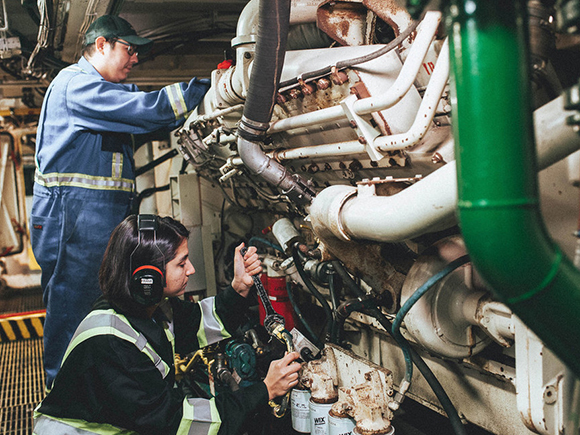
Marine engineering is one of the most dynamic and rewarding careers in the maritime industry. It involves designing, maintaining, and operating the mechanical and electrical systems aboard ships and offshore platforms. Marine engineers play a vital role in ensuring the smooth operation of vessels, making global shipping possible. If you are passionate about marine technology and engineering, this guide provides a step-by-step roadmap to becoming a successful marine (ship) engineer.
Understanding Marine Engineering
The main duty of marine engineers on commercial ships is watchkeeping, ensuring the continuous operation and maintenance of the ship’s machinery. This typically involves a rotating shift system, commonly 4 hours on and 8 hours off, depending on the vessel’s type and operational requirements. On some ships, especially those with automated engine rooms, engineers may work as daily duty engineers, performing scheduled maintenance and inspections during regular working hours. Marine engineering focuses on the development, maintenance, and repair of ship machinery, including engines, propulsion systems, generators, and safety equipment. Marine engineers ensure that ships operate efficiently, safely, and in compliance with international maritime standards.
Key Responsibilities of a Marine Engineer
- Engine Operation and Maintenance: Monitoring and maintaining propulsion systems, fuel systems, and generators.
- Repair and Troubleshooting: Diagnosing and fixing machinery malfunctions.
- Compliance and Safety Management: Ensuring that ships meet international safety and environmental regulations such as IMO’s MARPOL and SOLAS conventions.




Step 1: Educational Pathway
Choose a Relevant High School Curriculum
The journey begins with selecting the right subjects in high school, typically focusing on:
- Mathematics: Essential for understanding engineering calculations.
- Physics: Provides a foundation in mechanics, thermodynamics, and fluid dynamics.
- Chemistry: Useful for understanding fuel types and combustion.
Example: Many aspiring marine engineers choose technical high school programs specializing in mechanical or electrical engineering to build relevant skills early on.
Obtain a Marine Engineering Degree
Enrolling in a recognized Bachelor’s Degree in Marine Engineering or Maritime Engineering Technology is the next step. Courses typically include:
- Thermodynamics and Fluid Mechanics
- Naval Architecture
- Marine Machinery and Power Systems
- Electrical Engineering for Ships
- Safety and Environmental Science
Case Study: Graduates from Maine Maritime Academy have a near-perfect employment rate due to their rigorous marine engineering programs and real-world training at sea.
Step 2: Maritime Training and Certifications
Marine engineers require hands-on experience and internationally recognized certifications to work onboard ships.
Enroll in a Cadet Training Program
Marine engineering cadet programs provide onboard training and real-world experience. Many universities collaborate with shipping companies to offer cadetship placements.
Obtain STCW Certification
The Standards of Training, Certification, and Watchkeeping for Seafarers (STCW) certification is mandatory for all seafarers. Relevant modules include:
- Basic Safety Training (firefighting, first aid, survival)
- Engine Room Resource Management (ERM)
- Advanced Marine Engineering Skills
Example: A cadet completing an STCW-compliant program from Warsash Maritime School can become a certified marine engineer and apply for international maritime jobs.
Step 3: Licensing and Career Progression
After obtaining academic and maritime certifications, the next step is licensing and career advancement.
Gain Experience as a Junior Engineer
Most marine engineers start as Engine Cadets or Junior Engineers, assisting senior engineers onboard vessels. Duties Include:
- Performing regular maintenance
- Assisting with troubleshooting
- Monitoring fuel and lubricating oil levels
Case Study: An engineering cadet aboard a bulk carrier in the Mediterranean reported learning practical skills like engine overhauls and pump repairs, accelerating their career growth.
Apply for a Certificate of Competency (CoC)
Marine engineers must obtain a Certificate of Competency (CoC) issued by a recognized maritime authority, such as the UK Maritime and Coastguard Agency (MCA) or US Coast Guard (USCG). CoC Levels:
- Third Engineer: Entry-level officer responsible for auxiliary machinery.
- Second Engineer: Oversees all engine room operations and maintenance schedules.
- Chief Engineer: The highest-ranking engineering officer in charge of the entire engine department.
Example: In countries like India, marine engineers must pass competency exams conducted by the Directorate General of Shipping to obtain their CoC.
Step 4: Specializations and Career Paths
Marine engineers can explore various specializations within the shipping industry based on their interests and career goals.
Ship Propulsion Engineering
Experts in ship propulsion systems work on maintaining and improving engines, propellers, and fuel systems. They are in high demand in shipyards and engine manufacturing companies like Wärtsilä or MAN Energy Solutions.
Offshore and Oil Rig Engineering
Marine engineers specializing in offshore engineering work on oil platforms, ensuring that mechanical and electrical systems run efficiently. Shell and BP often hire marine engineers for offshore operations.
Marine Surveying and Inspection
Marine surveyors inspect ships to ensure compliance with safety and environmental regulations. Lloyd’s Register and Bureau Veritas frequently hire marine engineers for this role.
Research and Development
Marine engineers in research roles focus on developing new ship designs, alternative fuel systems, and energy-efficient technologies. Research organizations like the International Maritime Organization (IMO) and universities hire experts for innovative projects.


Challenges and Rewards in Marine Engineering
Marine engineering offers a blend of challenges and rewards that attract passionate professionals worldwide.
Common Challenges
Marine engineers often face extended time away from home, spending months at sea, which requires resilience and adaptability. They must keep up with technological upgrades as evolving technologies and environmental regulations demand continuous learning. Additionally, environmental hazards pose significant risks, with engineers working in extreme conditions such as freezing Arctic waters or scorching engine rooms.
Career Rewards
Marine engineering offers global career opportunities, allowing professionals to work on vessels, in shipyards, or with international maritime organizations. Competitive salaries are another key reward, with experienced engineers, especially Chief Engineers, earning lucrative salaries often exceeding $100,000 per year. The profession also provides clear career progression, offering opportunities to specialize or move into maritime consultancy and management.
For example, a Chief Engineer on a container ship earns an average annual salary of $120,000, depending on experience, vessel type, and shipping company.
Future Trends in Marine Engineering
The future of marine engineering is driven by technological advancements, environmental sustainability, and regulatory changes.
- Green Technologies: Marine engineers are at the forefront of developing LNG, hydrogen fuel cells, and hybrid propulsion systems.
- Autonomous Shipping: The rise of autonomous vessels like those developed by Rolls-Royce Marine will create demand for specialists in maritime automation and AI-based navigation systems.
- Renewable Energy Projects: Offshore wind farms and ocean-based energy projects are creating new roles for marine engineers in sustainable energy sectors.
Becoming a marine (ship) engineer is a challenging but rewarding career path that offers global opportunities, professional growth, and the chance to work on some of the most advanced engineering systems in the world. Following a well-defined roadmap that includes formal education, certification, licensing, and hands-on experience will pave the way for a successful career in this essential maritime field. With the maritime industry evolving rapidly due to technological innovations and environmental concerns, marine engineering promises an exciting and impactful future for those ready to embark on this journey.