
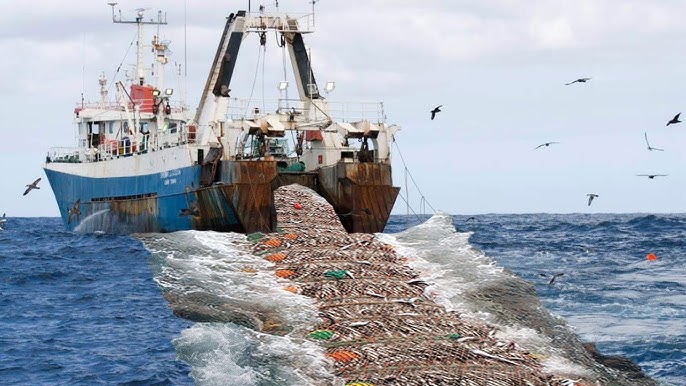
Discover the world’s top fishing countries by production volume, sustainability efforts, and economic impact. Explore trends, case studies, and what makes these nations fishery powerhouses.
Who Rules the Seas in Global Fisheries?
Ever wondered which countries supply the majority of the world’s seafood?
From massive offshore fleets to traditional aquaculture villages, the global fishing industry is vital to food security, trade, and employment—supporting over 59 million people worldwide.
Whether for wild capture or aquaculture, the top fishing countries shape not only what we eat but also how we protect marine ecosystems.
Key Concepts: Understanding the Global Fishing Landscape
Top 12 Fishing/Fishery Countries in the World (Latest FAO/World Bank Data)
1. China 🌏
-
Output: Over 65 million tons/year (combined wild + aquaculture)
-
Strengths: World’s largest fish producer and consumer
-
Key exports: Carp, shrimp, tilapia
-
Note: Strong focus on aquaculture, accounting for over 60% of global farmed fish
2. Indonesia 🇮🇩
-
Output: ~14 million tons/year
-
Strengths: Massive archipelago with tuna, anchovy, and mackerel fisheries
-
Challenges: Illegal fishing, sustainability reforms underway
-
Aquaculture: Shrimp and catfish farming growing rapidly
3. India 🇮🇳
-
Output: ~10 million tons/year
-
Top species: Indian mackerel, shrimp, rohu
-
Strengths: 8,000 km coastline + major freshwater inland fishery
-
Global position: Among top shrimp exporters globally
4. Vietnam 🇻🇳
-
Output: ~8.4 million tons/year
-
Famous for: Pangasius (basa fish), shrimp
-
Strengths: Export-oriented fishery sector with strong EU/US demand
-
Efforts: Transitioning to sustainable aquaculture practices
5. Peru 🇵🇪
-
Output: ~8 million tons/year
-
Known for: Anchoveta, mainly used in fishmeal
-
Ecosystem: Anchoveta thrives due to Humboldt Current productivity
-
Exports: One of the largest fishmeal and fish oil exporters
6. United States 🇺🇸
-
Output: ~5 million tons/year
-
Strengths: Alaska pollock, salmon, crab
-
Aquaculture: Limited compared to capture fishing
-
Innovation: Leader in traceability and fisheries data systems
7. Russia 🇷🇺
-
Output: ~4.9 million tons/year
-
Fishing zones: Pacific, Arctic, and Barents Seas
-
Exports: Cod, pollock, herring
-
Challenges: Overfishing and regulatory gaps in remote areas
8. Japan 🇯🇵
-
Output: ~3.5 million tons/year
-
Traditional strengths: Tuna, eel, sea bream
-
Domestic demand: Strong seafood culture, consumption remains high
-
Concerns: Aging fishing fleet and declining fish stocks
9. Norway 🇳🇴
-
Output: ~3.3 million tons/year
-
Famous for: Atlantic salmon (top global exporter)
-
Strengths: Advanced, sustainable aquaculture systems
-
Certifications: High share of MSC-certified fisheries
10. Chile 🇨🇱
-
Output: ~3 million tons/year
-
Known for: Salmon and mussel farming
-
Global rank: 2nd largest salmon exporter
-
Environmental efforts: Tackling aquaculture-related pollution
11. Philippines 🇵🇭
-
Output: ~2.6 million tons/year
-
Main species: Sardines, tuna, milkfish
-
Industry mix: Blend of artisanal and industrial fishing
-
Sustainability: Strong community-based marine resource programs
12. Thailand 🇹🇭
-
Output: ~2.4 million tons/year
-
Key products: Shrimp, tuna, crab
-
Processing hub: Major exporter of canned seafood
-
Ethical focus: Efforts to combat labor issues in fishing sector
Applications & Importance of Fisheries
Fisheries play a vital role in global food security, livelihoods, trade, and scientific research. Fish provides more than 17% of the world’s animal protein intake, making it an essential nutritional resource, especially in coastal, island, and low-income communities where it is often the most accessible and affordable source of protein. Beyond nutrition, the seafood industry supports the livelihoods of more than 10% of the global population, providing employment across fishing, aquaculture, processing, transportation, marketing, and related services. Fisheries also carry major economic weight: many countries rely heavily on fish exports for national income, foreign exchange, and government revenue, making seafood a cornerstone of their trade economies. In addition, fisheries drive innovation and ocean knowledge. Countries such as Norway and Japan are recognized leaders in fishery research, aquaculture technology, stock assessment, and ocean monitoring, helping to advance sustainable management and a deeper understanding of marine ecosystems. Together, these roles show that fisheries are not only a source of food but also a foundation for employment, economic development, and scientific progress.

Trends & Future Outlook
-
🌍 Blue Economy Expansion: Coastal nations investing in marine biotech, algae farming, and eco-tourism
-
🐠 Sustainable Certifications: Increase in MSC/ASC-certified fisheries for export markets
-
🧠 Digitalization: Satellite tracking of fleets, AI for stock assessment
-
🔄 Aquaculture Shift: Predicted to outpace wild capture by 2030 (FAO)
FAQs – Based on Google’s “People Also Ask”
Q: What country has the largest fishing industry?
A: China leads by far in both capture and aquaculture production.
Q: What is the biggest fish exporting country?
A: China, followed closely by Norway (salmon) and Vietnam (shrimp, pangasius).
Q: Which country eats the most seafood?
A: Japan and Iceland have among the highest per capita seafood consumption.
Q: What are the most sustainable fishing nations?
A: Norway, New Zealand, and Canada rank high for sustainable practices and regulation.
The world’s top fishing nations are not just industry giants—they are also innovators, stewards of marine resources, and major players in global trade. Whether driven by tradition, economy, or sustainability, these countries showcase the diverse and evolving face of global fisheries.
🎣 Ready to explore more?
References & Further Reading
- https://www.imo.org/en/ourwork/iiis/pages/imo%20legal%20framework%20in%20the%20fishing%20sector.aspx
- FAO Fisheries & Aquaculture
-
“The State of World Fisheries and Aquaculture 2022” – FAO SOFIA Report