
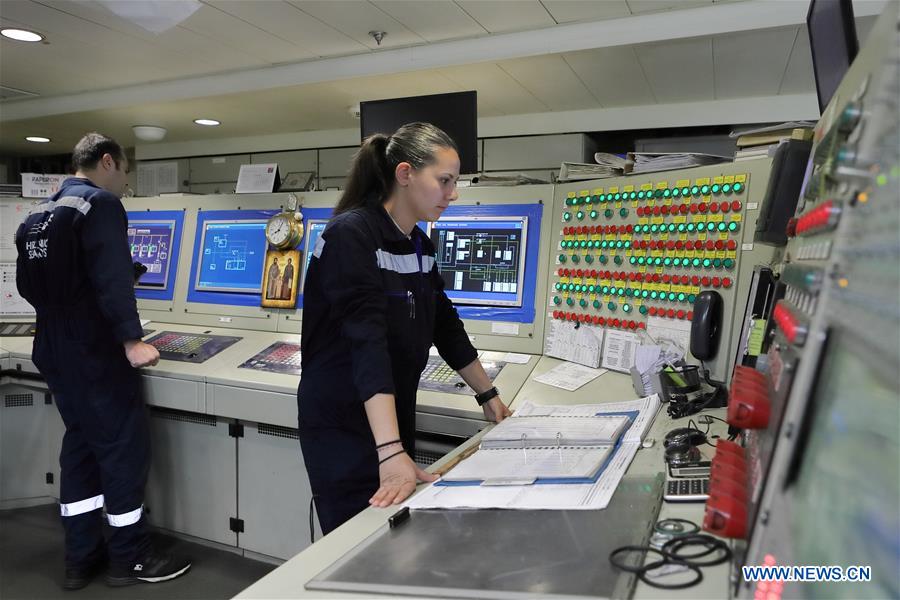
A study guide for commercial ship engineers, maritime students, instructors and candidates preparing for management-level certificates of competency.
Becoming a second engineer officer or chief engineer officer involves much more than learning how individual machines work. A senior engineer must keep the propulsion plant reliable, manage people and maintenance, control pollution risks, deal with emergencies and explain technical decisions clearly to the master, crew, shore management and inspectors.
Examinations reflect these responsibilities. A written paper may ask a candidate to calculate power, explain an electrical protection system or develop a maintenance plan. An oral examiner may then introduce a realistic machinery failure and ask what the candidate would do first, whom they would inform, how they would protect people and how they would decide whether the vessel can continue safely.
This article explains the common international framework and compares examination approaches in Iran, the United Kingdom, Italy, India, Australia, New Zealand, Canada, the United States, the Philippines, Singapore and Malaysia. It also includes original written and oral practice questions, suggested answers, worked calculations, case studies and a study plan.
Important study note: All practice questions and model answers in this article are original educational examples. They are not claimed to be official, leaked or guaranteed past examination questions. National rules, course arrangements, examination formats and eligibility requirements change. Always confirm the current requirements and any certificate limitations with the issuing authority and your approved training provider. The country information was checked against the sources listed at the end of this article on 6 November 2026.
Safety note: The emergency answers illustrate the principles an examiner may expect. Actual actions must follow the vessel’s emergency plans, the manufacturer’s instructions, the chief engineer’s and master’s directions, and the conditions at the time. Do not treat a practice answer as a substitute for ship-specific training or a procedure.
In this guide
- 1. Understanding the two senior engineering ranks
- 2. The international STCW framework
- 3. Written, oral and practical assessments: what is the difference?
- 4. At-a-glance comparison of national approaches
- 5. Country-by-country examination guidance
- 6. Written examination practice: engineering knowledge and management
- 7. Oral examination practice: 40 questions with model answers
- 8. Worked calculations for management-level examinations
- 9. Multiple-choice practice questions
- 10. Scenario-based management exercises
- 11. A practical simulator exercise for senior engineers
- 12. How to prepare for the examination
- 13. Example eight-week study plan
- 14. Common mistakes and how to avoid them
- 15. Glossary of useful terms
- 16. Frequently asked questions
- 17. Official references and further reading
1. Understanding the two senior engineering ranks
The second engineer officer, sometimes called the first engineer or first assistant engineer in a particular national system, is normally the engineer officer next in rank to the chief engineer. The second engineer commonly organises day-to-day engine-room work, watches, maintenance, permits, spare parts and job supervision. If the chief engineer is unable to act, the second engineer may take over relevant responsibilities in accordance with the vessel’s organisation and applicable rules.
The chief engineer officer is the senior engineer officer responsible for mechanical propulsion and the operation and maintenance of the ship’s machinery and electrical installations. The chief engineer manages the engineering department and advises the master on technical readiness, limitations, maintenance, fuel and safety. The master retains overall command of the vessel. The chief engineer’s responsibilities do not remove the master’s authority, and effective decisions depend on communication between them.
Actual job titles are not identical in every country. In particular, a U.S. “First Assistant Engineer” is generally the senior assistant comparable to the second engineer rank. A U.S. “Second Assistant Engineer” is a different, more junior national rank. A certificate’s exact capacity, propulsion type, power and area limitations always matter more than a job title alone.
| Topic | Second engineer: typical emphasis | Chief engineer: additional emphasis |
|---|---|---|
| Machinery | Organising safe operation, troubleshooting and maintenance | Overall plant condition, priorities, resources and technical decisions |
| People | Job allocation, supervision, handovers and permits | Departmental leadership, competence, fatigue and coordination with the master |
| Emergencies | Immediate response and control of the engineering team | Command support, wider risk assessment, outside assistance and recovery planning |
| Compliance | Carrying out procedures and maintaining accurate records | Verifying compliance, reporting defects, audits and survey readiness |
| Planning | Maintenance schedules, spares and repair execution | Budgets, dry-docking, reliability, fleet support and long-term risk |
Both ranks require management-level thinking. An examiner can ask a second-engineer candidate about leadership or ask a chief-engineer candidate to explain a pump in detail.
2. The international STCW framework
The International Convention on Standards of Training, Certification and Watchkeeping for Seafarers, usually called STCW, establishes international minimum standards for maritime training and certification. Its Convention sets out requirements, while the associated STCW Code provides detailed standards of competence and methods of demonstrating them.
For the senior engineers covered in this article, the most important references are:
- STCW Regulation III/1: officers in charge of an engineering watch, normally the operational-level foundation for progression.
- STCW Regulation III/2 and Code section A-III/2: chief engineer officers and second engineer officers on seagoing ships powered by main propulsion machinery of 3,000 kW or more.
- STCW Regulation III/3 and Code section A-III/3: senior engineering certification arrangements for relevant ships with main propulsion power between 750 kW and 3,000 kW, subject to the exact regulation and national certificate.
- STCW Regulation III/6: electro-technical officer certification. An electro-technical officer’s certificate is a separate qualification and does not automatically replace a chief or second engineer certificate.
The power in the certificate refers to main propulsion power, rather than a ship’s gross tonnage or simply the combined nameplate rating of all auxiliary generators. The definition and the power assigned to a particular vessel should be checked against its approved documents and the issuing administration’s requirements.
Section A-III/2 groups the management-level competences under four broad functions: marine engineering; electrical, electronic and control engineering; maintenance and repair; and controlling the operation of the ship and caring for persons on board. Within those functions, an examiner can connect technical knowledge to management, safety, pollution prevention and leadership.
STCW establishes minimum standards, but it does not create one worldwide question paper. A national administration decides how approved training, theoretical examinations, interviews, practical demonstrations, simulator exercises and other assessments are organised. The administering authority may also apply additional requirements and issue certificates with limitations.
An STCW certificate issued by one country is not automatically accepted for every vessel. Service on another flag’s ships may require a recognition endorsement and a recognition arrangement under STCW Regulation I/10, as well as any other applicable national requirements. Check the flag State’s current rules rather than assuming equivalence. Sources: IMO STCW overview; Singapore MPA on recognition.
3. Written, oral and practical assessments: what is the difference?
A written or computer-based assessment may include multiple-choice questions, calculations, explanations, diagrams, fault diagnosis, reports and scenario-based answers. Some administrations divide the examination into papers or functions; others assess knowledge within approved courses or through digital examinations. Exemptions and the exact combination depend on the candidate’s route.
An oral examination is a discussion with an examiner. The examiner might begin with an ordinary question, then change the situation: “What if the standby pump fails too?” or “What if the bridge needs immediate manoeuvring?” The purpose is to see whether the candidate can apply knowledge, prioritise hazards and make decisions with incomplete information.
A practical assessment can involve real equipment, models, drawings, a workshop, a simulator or a combination of these. It may include spoken questions, but practical assessment should not automatically be described as a separate formal oral examination. Some countries explicitly distinguish theoretical examinations from practical competence assessments.
A sound senior-level answer usually follows this sequence:
- Recognise the hazard and protect people. Identify fire, electrical, pressure, toxic-gas, moving-machinery or flooding hazards.
- Stabilise the plant. Use approved controls, reduce load or stop equipment when necessary, and protect essential services.
- Communicate. Inform the bridge, chief engineer or master as appropriate; call assistance and explain the operational impact.
- Assess and diagnose. Check indications, local conditions, trends, drawings and the effect of likely failures before choosing corrective action.
- Act under the applicable procedure. Assign competent people, isolate energy sources and use permits where required.
- Confirm, document and prevent recurrence. Monitor the result, record facts accurately, investigate the root cause and update the maintenance plan.
In a real incident, these steps may overlap. For example, a watchkeeper may need to raise an alarm and stop a dangerous fuel leak immediately while another person informs the bridge.
4. At-a-glance comparison of national approaches
The table summarises selected documented approaches. “Written” includes theoretical and computer-based assessment; it does not mean every candidate takes the same paper. A practical assessment may involve questions without being a stand-alone oral examination.
| Country | Responsible body or framework | Verified assessment features to investigate |
|---|---|---|
| Iran | Ports and Maritime Organization (PMO) | Ask PMO or an approved centre for the current senior engineer syllabus, assessment stages, language and eligibility; a complete current public syllabus was not verified for this article. |
| United Kingdom | Maritime and Coastguard Agency (MCA) | Management-level engineering knowledge assessment and MCA oral examination; the MCA has announced a transition to digital assessments for specified routes. |
| Italy | Ministry of Infrastructure and Transport and maritime authorities | Senior engineering certification is linked to management-level training and a theoretical-practical competence examination; check the latest official programmes and route. |
| India | Directorate General of Shipping and examination system | Its 2024 engineering report describes Class II written subjects and oral functions, and Class I engineering management written and oral assessment. |
| Australia | Australian Maritime Safety Authority (AMSA) | Approved training, eligibility assessment and an AMSA oral examination are important features for Engineer Class 1 and 2 candidates. |
| New Zealand | Maritime New Zealand | The MEC 1 and MEC 2 guidance describes approved training and a final oral examination; course assessments also matter. |
| Canada | Transport Canada | First- and Second-Class Engineer certification includes specified examinations; official guidance identifies an oral component covering maritime law and ship’s business. |
| United States | U.S. Coast Guard National Maritime Center | National endorsement examinations use subject modules; separate STCW endorsement and competence requirements can apply. A stand-alone oral is not assumed for every route. |
| Philippines | Maritime Industry Authority (MARINA) | Published material distinguishes theoretical examinations and practical assessments of competence. Verify whether oral questioning forms part of the candidate’s current assessment. |
| Singapore | Maritime and Port Authority of Singapore (MPA) | MPA describes seafarer assessments including oral and simulator evaluations; class, written requirements and exemptions depend on the route. |
| Malaysia | Marine Department Malaysia | An older official notice identifies written and oral stages for Class 1 and Class 2 unlimited engineer routes; confirm the current arrangements with the department. |
The country descriptions below are deliberately selective. They are a starting point for research, not a complete statement of each administration’s laws.
5. Country-by-country examination guidance
5.1 Iran: Ports and Maritime Organization
Iran’s maritime administration is the Ports and Maritime Organization (PMO; سازمان بنادر و دریانوردی). A historical United Nations Economic and Social Commission for Asia and the Pacific report identifies the predecessor organisation’s role in examining Iranian seafarers and issuing certificates of competency. Consult the PMO official website and the organisation’s current examination notices for the applicable procedure. The International Association of Ports and Harbors identifies the current organisation and its website. Sources: UNESCAP, historical report; PMO correspondence published by IMO; IAPH directory: PMO.
For an Iranian candidate seeking an unlimited senior engineering certificate, the relevant questions to ask the PMO or the authorised training and examination centre include:
- Which current PMO directive and syllabus apply to مهندس دوم (second engineer) or سرمهندس (chief engineer)?
- Which certificate category, propulsion type and power range apply to the candidate’s sea service?
- Which approved management-level courses and documents are required before application?
- Are current assessments written, computer-based, oral, practical or a combination for this route?
- What language is used for each component, and what technical English is expected?
- How are re-sits, validity periods, examination centres and scheduling currently handled?
A complete, current, publicly accessible PMO senior-engineer syllabus and examination scheme could not be independently verified for this article. Consequently, the following examples are internationally relevant practice questions, not a claim about the precise questions, sequence, number of papers or pass marks used by PMO.
Iran-oriented practice question 1: Your ship’s main engine lubricating-oil pressure falls during a voyage. Explain your immediate response, communication with the bridge and subsequent investigation.
Suggested answer: Verify the indication without delaying protective action; alert the bridge and chief engineer as appropriate; reduce load or stop according to the engine’s limits and approved procedures; establish safe standby lubrication if available; investigate pump, filter, oil level, temperature and leakage; and record the incident and corrective action.
Iran-oriented practice question 2: How would you prepare an engineering team for an Iranian-issued certificate examination and work on a multinational ship?
Suggested answer: Study the current PMO syllabus and international management-level competence table, practise calculations and technical English, conduct mock machinery-failure interviews, review the vessel’s safety procedures and document relevant sea service and approved training. Confirm flag recognition separately if seeking service on a foreign-flag vessel.
5.2 United Kingdom: MCA examinations
In the United Kingdom, the Maritime and Coastguard Agency sets certification requirements and conducts oral examinations. Candidates must follow the appropriate certification route, including approved education, training, sea service and medical requirements. The MCA provides engineering knowledge syllabuses and guidance on the chief and second engineer oral examination. Depending on the route, qualifications and exemptions, candidates may take management-level engineering knowledge assessments before the MCA oral.
The MCA has announced a transition to a modernised management-level syllabus and digital assessments. Its published transition notice says the new second-engineer top-up syllabus is expected from August 2027 and that written MCA examinations in their existing format are to cease from April 2028, with transitional provisions depending on the route and date of entry. Candidates should use the latest notice and obtain an individual training plan. Some candidates who completed the relevant management-level engineering knowledge examinations for second engineer do not need to repeat them for chief engineer; do not assume the same exemption applies to every case. Sources: MCA engineering requirements; MCA transition notice MIN 720 amendment 1; MCA written syllabus.
Illustrative oral question: A crankcase oil-mist detector alarms. What are your priorities?
Answer outline: Treat the alarm seriously; inform the bridge and responsible engineer; reduce speed or stop according to the engine maker’s instructions and circumstances; keep clear of crankcase doors; avoid opening them until the manufacturer’s safe waiting and cooling procedure has been met; investigate safely and do not restart until the cause is understood and remedied.
5.3 Italy: Primo Ufficiale di macchina and Direttore di macchina
In Italian terminology, Primo Ufficiale di macchina corresponds broadly to the senior engineer immediately below the chief, and Direttore di macchina is the chief engineer. Italy’s Ministry of Infrastructure and Transport publishes certification rules and examination programmes. Decree No. 72 of 7 May 2025 identifies management-level training and a theoretical-practical examination for the Primo Ufficiale di macchina route; it also specifies requirements for the Direttore di macchina. The ministry maintains a separate page for current examination programmes, including Decree No. 76 of 9 May 2025.
The ministry’s older career summary may still appear in search results. Candidates should verify the latest decree, subsequent amendments and any transitional provisions with the relevant Capitaneria di porto or authorised maritime office, especially before relying on a quoted sea-service period or examination exemption. A chief-engineer route may build on a prior management-level assessment: do not assume a separate national written paper is always required for every promotion. Sources: 2025 Decree No. 72; official examination programmes.
Illustrative question: Explain how the management-level engineer prepares the engine department for a survey of safety and pollution-prevention equipment.
Answer outline: Review due dates, previous findings and manuals; verify machinery and safety systems are maintained and records are accurate; coordinate safe tests with the master and surveyor; report known defects honestly; assign responsible crew; and address deficiencies through the approved corrective-action process.
5.4 India: MEO Class I and Class II
India’s Directorate General of Shipping publishes engineering examination information and model material. Its 2024 engineering annual report describes the MEO Class II examination in Part A and Part B, with written subjects and oral functions covering areas such as naval architecture, ship safety and environmental protection, marine engineering knowledge, electrical engineering, and maintenance and repair. The same report describes a Class I examination consisting of a written engineering-management paper and an oral function for the system reported that year.
The report describes the arrangements for 2024, not a promise that the same timetable, papers, exemptions or procedures apply now. Candidates should check the current Directorate notices and examination schedule. Sources: DG Shipping 2024 STCW engineering report; DG Shipping model-question page.
Illustrative written question: Compare planned maintenance, condition-based maintenance and corrective maintenance, and explain how a chief engineer selects an approach for a critical generator.
Answer outline: Define each approach; identify the safety and operational consequences of failure; use the manufacturer’s instructions, condition trends, running hours, spares, redundancy and company procedures to set an appropriate maintenance strategy; and review failures and performance. Corrective repair after failure alone is rarely a complete strategy for a critical generator.
5.5 Australia: AMSA Engineer Class 1 and Class 2
The Australian Maritime Safety Authority publishes requirements for Engineer Class 1 and Class 2 certificates. These include qualifying sea service, medical and course requirements, assessment of eligibility, and an AMSA oral examination. The accepted pathway depends on the applicant’s existing certificate and the type of propulsion. Training-provider assessments may also apply; an AMSA oral should not be confused with every written examination that a course might require. Sources: AMSA Engineer Class 1; AMSA Engineer Class 2; AMSA oral-exam preparation.
Illustrative oral question: A fire occurs in the engine room while the ship is manoeuvring. What must the engineering team do?
Answer outline: Raise the alarm, inform the bridge and follow the ship’s emergency plan. Protect people, assess whether the fire is safely controllable, isolate fuel and ventilation as directed, and prepare for loss of propulsion. Fixed fire-extinguishing systems are used only under the ship’s approved procedure after personnel are accounted for and required boundaries and shutdowns are established.
5.6 New Zealand: Marine Engineer Class 1 and Class 2
Maritime New Zealand describes MEC 2 as the certificate corresponding to a second engineer on ships of 3,000 kW or more and MEC 1 as the management-level chief engineer route. Its published guidance for both routes describes approved training followed by a final examination that is currently oral and conducted by an approved examiner. Course learning and assessments remain part of the pathway, so it would be misleading to say a candidate needs only an oral exam. Sources: MEC 1 guidance; MEC 2 guidance; Maritime NZ training.
Illustrative oral question: How would you verify that a machinery repair has restored safe operation?
Answer outline: Confirm the work and parts against the repair plan; check clearances and reinstatement; remove tools and temporary isolations under control; conduct agreed functional, alarm and protection tests; bring the machine into service gradually; monitor trends and leaks; and update the maintenance record.
5.7 Canada: First-Class and Second-Class Engineer
Transport Canada’s TP 2293 describes examination and certification procedures and directs candidates to the relevant syllabus. A Transport Canada bulletin on STCW 2010 requirements states that candidates for First-Class and Second-Class Engineer STCW certificates must meet the applicable Marine Personnel Regulations, demonstrate leadership and managerial training, and pass an oral component covering maritime law and ship’s business. Motor and steam certification and a candidate’s training route affect the details; the class name is not, by itself, a universal guarantee of a particular shipboard job. Sources: Transport Canada TP 2293; Ship Safety Bulletin 09/2017.
Illustrative question: During a survey you discover that a pollution-prevention record is incomplete. What should you do?
Answer outline: Inform the chief engineer and master, preserve the available evidence, establish the facts, make any correction or late entry transparently under applicable instructions, and investigate why the recording system failed. Never invent measurements or conceal an operation.
5.8 United States: Chief Engineer and First Assistant Engineer
The U.S. Coast Guard’s National Maritime Center administers national merchant mariner credential examinations and provides engineering subject modules. U.S. national endorsements and STCW endorsements are related but distinct: applicants must check both the required domestic credential and any international endorsement for their intended service.
The U.S. First Assistant Engineer is the engineer next in rank to the chief. It should not be confused with Second Assistant Engineer. The current U.S. regulation in 46 CFR 11.903 states that certain upgrades to Chief Engineer–Unlimited do not require a further national examination when the applicant has already been examined at management level. Other eligibility, service and STCW requirements still apply. Accordingly, it would be inaccurate to promise every U.S. chief engineer candidate a fresh written paper and a separate oral examination. Sources: U.S. National Maritime Center examination information; 46 CFR 11.903, U.S. eCFR; 46 CFR 10.107 definitions.
Illustrative written question: Describe the operating principles and safeguards of a shipboard oily-water separator, and identify the documents a senior engineer should check before discharge.
Answer outline: Discuss separation, the oil-content monitor, alarm and automatic stopping or diversion arrangements as fitted; check the applicable MARPOL and local conditions, equipment approval, ship procedures and the Oil Record Book. The 15 ppm standard is not permission to discharge in every location or circumstance.
5.9 Philippines: MARINA theoretical and practical assessment
The Philippines’ Maritime Industry Authority, or MARINA, publishes STCW circulars and assessment guidance. Its material distinguishes a theoretical examination from a practical assessment for engineering management-level competence, and its circulars address certification and practical assessment arrangements. Some practical assessments can involve explanations or questioning, but candidates should verify whether a separate formal oral examination is required for their current route. Sources: MARINA approved circulars; MARINA engine management-level assessment information.
Illustrative practical question: A running generator trips and the remaining generator is approaching overload. Demonstrate your priorities.
Answer outline: Protect the remaining supply, reduce non-essential loads in accordance with the load-shedding plan, inform the bridge and responsible engineer, start and connect standby generation when safe, and then investigate the tripped generator. Do not reset a protective trip repeatedly without finding the cause.
5.10 Singapore: MPA assessments
The Maritime and Port Authority of Singapore oversees seafarer certification and describes assessments that include oral and simulator evaluations. MPA lists oral-examination arrangements for Engineer Class 1 and 2, but the exact written components, training requirements and exemptions depend on the certificate and individual route. Ask MPA or the approved provider for the current examination syllabus and application instructions. Sources: MPA crewing and certification; MPA Mercantile Marine Office information.
Illustrative oral question: Why is insulation resistance measured, and what precautions apply?
Answer outline: It helps identify deterioration or contamination of insulation. The circuit must be safely isolated, proved dead and prepared under the manufacturer’s procedure; sensitive electronics may need disconnection and the correct test voltage must be selected by an authorised person. Restore and document the system safely after testing.
5.11 Malaysia: Engineer Class 1 and Class 2
An older Marine Department Malaysia notice lists Class 1 chief engineer and Class 2 second engineer unlimited-voyage routes with written and oral stages. The notice is useful evidence of the structure used at the time, but its dates are historical and must not be treated as a present examination calendar. Confirm the current programme, approved provider, sea service and assessment process directly with the department. Source: Marine Department Malaysia, historical examination notice.
Illustrative oral question: A fuel-oil purifier repeatedly discharges water and sludge. What would you check?
Answer outline: Check the feed condition and temperature, water contamination, flow rate, bowl assembly and seal-water arrangement where applicable, gravity-disc or interface settings where applicable, and automatic controls. Follow the particular separator manufacturer’s instructions: self-adjusting clarifiers and traditional purifiers do not all use the same settings.
6. Written examination practice: engineering knowledge and management
The following questions are designed for management-level study. For each one, first write your own answer. Then compare it with the suggested points and improve your explanation using your vessel’s manuals and the relevant national syllabus.
Written Question 1: Plan a main-engine overhaul
Question: A cylinder unit of a slow-speed diesel engine is due for overhaul. Explain how the second engineer should plan, perform and verify the work.
Model answer: Review running hours, trends, previous findings, maker’s limits, the maintenance system and the intended port schedule. Inform the chief engineer and bridge; assess the loss of propulsion and obtain necessary permission. Plan personnel, lifting equipment, tools, spare parts, permits and risk controls. Isolate starting air, turning systems, fuel, cooling and other hazardous energy in accordance with the approved procedure; lock and tag, and verify zero energy. Follow the maker’s sequence, record measurements and compare them with limits. After reassembly, inspect, remove tools, reinstate protections, test safely and document the results.
Written Question 2: Compare two-stroke and four-stroke diesel cycles
Question: Compare the main features of a two-stroke marine diesel engine and a four-stroke trunk-piston engine.
Model answer: An ideal two-stroke engine completes one cycle during each crankshaft revolution, while an ideal four-stroke engine completes one cycle every two revolutions. Large slow-speed two-stroke engines commonly use a crosshead and are directly connected to the propeller; many medium-speed four-stroke engines use trunk pistons and can drive generators or propulsion through a gearbox. Actual designs differ. Compare scavenging, lubrication, thermal loading, maintenance access, speed and fuel systems rather than assuming that every engine of one cycle has the same construction.
Written Question 3: Interpret abnormal exhaust temperatures
Question: One cylinder exhaust temperature is increasing while the other units remain stable. Discuss possible causes and a safe investigation.
Model answer: First confirm the sensor, instrument and operating conditions; compare with the unit’s historical trend and other data. Causes may include faulty injection, inadequate combustion air, exhaust valve leakage, incorrect timing, worn components or unequal cylinder loading. Reduce load or take other action if the maker’s limits are approached, and communicate any propulsion restriction. Check fuel equipment and valve condition using approved methods. Avoid assuming that high exhaust temperature proves a single fault; combine evidence from pressure diagrams, fuel settings and inspections.
Written Question 4: Crankcase explosion risk
Question: Explain the development of a crankcase explosion and the safeguards used to reduce its consequences.
Model answer: A hot spot such as an overheated bearing can vaporise lubricating oil. When vapour contacts cooler surfaces it can form oil mist. If a flammable concentration meets a sufficiently hot ignition source, combustion can occur. Detection, bearing-temperature monitoring, oil supply, good maintenance and protective devices reduce risk; suitably maintained crankcase relief devices can limit pressure. After an alarm, follow the engine maker’s slowdown, stopping, cooling and inspection procedure. Opening crankcase doors prematurely can admit fresh air and create a serious risk.
Written Question 5: Starting-air system safety
Question: Describe the principal hazards of a main-engine starting-air system and measures used to control them.
Model answer: High-pressure air contains stored energy and can drive oil, moisture or loose material through a system. Leakage or a defective starting valve can allow hot combustion gases to enter starting-air pipework, creating a fire or explosion hazard. Explain the roles of drains, relief devices, non-return arrangements, isolation, starting valves, distributors and flame arresters where fitted. Keep the system clean, follow compressor maintenance and permit procedures, and depressurise and verify isolation before opening a component.
Written Question 6: Fuel treatment and contamination
Question: How should a senior engineer respond when the quality of newly bunkered fuel is in doubt?
Model answer: Preserve samples and bunker documentation, inform the chief engineer, master and company, and segregate the fuel where practicable pending assessment. Compare the laboratory report with the purchase specification and relevant vessel limits. Investigate water, compatibility, viscosity, sulphur, catalytic fines and other reported properties as appropriate. Consider treatment capability, temperature and changeover risks before use. Decisions may require supplier, laboratory, technical management and class or flag input. Record what was received and used; do not mix incompatible fuels merely to make a problem disappear.
Written Question 7: Heat exchangers and cooling-water temperature
Question: A central fresh-water cooling system is becoming too hot. Discuss a systematic investigation.
Model answer: Confirm the readings and trend, engine load and control-valve position. Check fresh-water levels, circulation, pump performance, filters, air accumulation and leaks. Examine seawater inlet and outlet temperatures, sea chest and strainer condition, seawater flow and heat-exchanger fouling. The chief concern is the thermal margin of connected machinery: reduce load or transfer to standby equipment as necessary, and tell the bridge if propulsion may be affected. Do not open a hot, pressurised system before it is safely isolated, depressurised and cooled.
Written Question 8: Boiler low-water condition
Question: What are the dangers of a low-water condition in an auxiliary boiler, and how should the team respond?
Model answer: Insufficient water can expose heating surfaces, cause overheating, damage pressure parts and create serious safety risks. Follow the boiler’s approved emergency procedure: stop firing, inform the responsible engineer, establish the actual water condition safely and protect personnel. Do not add cold feedwater to overheated pressure parts without following the manufacturer’s procedure; rapid cooling can make damage worse. Investigate feed supply, controls, gauge glasses, alarms and trips. Restart only after the condition is understood, the boiler is assessed and any required inspections are completed.
Written Question 9: Generator synchronising
Question: Explain the conditions normally required before connecting an incoming AC generator in parallel with a live busbar.
Model answer: The incoming machine must have a compatible phase sequence and be brought to the correct voltage and frequency, with phase angle suitably aligned at the instant of breaker closure. Use the fitted synchronising equipment and the manufacturer’s instructions. After connection, share active load by the governor or power-management system and reactive load by excitation or the appropriate automatic control. Poor synchronising can produce severe electrical and mechanical stresses. Correct protective settings, competent operators and effective interlocks are essential.
Written Question 10: Active and reactive power
Question: Explain the difference between kilowatts, kilovolt-amperes, kilovars and power factor.
Model answer: Kilowatts (kW) represent active power, the rate at which electrical energy is converted into useful work and losses. Kilovolt-amperes (kVA) represent apparent power, related to voltage and current. Kilovars (kvar) represent reactive power exchanged with inductive or capacitive components. In a balanced sinusoidal system, power factor is kW divided by kVA. Poor power factor increases current for a given active load and can constrain equipment capacity. Real shipboard systems with harmonics require attention to how the actual instrument defines and measures power factor.
Written Question 11: High-voltage safety
Question: Explain the management controls needed before work on high-voltage equipment.
Model answer: The work must be performed only by suitably trained and authorised personnel under the ship’s high-voltage safety rules. Identify all sources, including backfeeds; obtain the permit; isolate, lock and tag; prove the circuit dead with suitable equipment; apply portable earths or other required protective measures in the correct sequence; and establish barriers and communications. Stored energy and arc-flash hazards remain important. Do not rely on an indicator lamp alone, and do not remove earths or restore power until the controlled handback procedure is complete.
Written Question 12: Oily-water separator and Oil Record Book
Question: Describe an engineering department’s responsibilities for machinery-space bilge water.
Model answer: Prevent unnecessary contamination and collect oily bilges in the appropriate tanks. Dispose of them to an authorised reception facility or process and discharge only when all applicable conditions are met, using the approved equipment and arrangements. Check the oil-content monitor and automatic stopping or diversion function as fitted, applicable geographic restrictions, the ship’s procedures and local requirements. Record relevant operations accurately in the Oil Record Book Part I when required. Never bypass pollution-prevention equipment or falsify a record. An alarm set around 15 ppm is only one part of the compliance system. Source: IMO MARPOL Annex I overview.
Written Question 13: MARPOL Annex VI and fuel changeover
Question: Explain how an engineering team prepares for entry into a sulphur emission control area.
Model answer: Identify the route, the applicable requirements and the time at which compliant operation must begin. Review bunker delivery notes, tank contents, approved changeover procedures, system volume, temperatures and the time needed to complete changeover. Coordinate with the bridge and record the operation as required. For the Mediterranean SOx emission control area, the IMO states that the fuel sulphur limit took effect on 1 May 2025; the usual limit in the area is 0.10% by mass, compared with 0.50% outside SOx ECAs. Approved equivalent methods and local rules require separate consideration. Source: IMO Mediterranean SOx ECA.
Written Question 14: Planned maintenance and the ISM Code
Question: Explain how a planned maintenance system supports the objectives of the ISM Code.
Model answer: The safety management system should identify relevant equipment, maintenance requirements, inspection intervals, responsibilities and records. The planned maintenance system is one tool for scheduling and documenting these tasks. For critical equipment, consider the consequences of sudden failure, functional testing of standby arrangements, spare parts and corrective action. Use manufacturer guidance, operating experience and condition data to review intervals. Closing a computer job without actually completing or verifying the work does not provide safe maintenance. Escalate overdue critical work and manage any temporary deferral.
Written Question 15: Emergency generator and emergency switchboard
Question: What is the purpose of an emergency generator, and what should be checked during a planned test?
Model answer: It supplies the emergency switchboard and designated emergency consumers when normal power is lost, according to the vessel’s approved arrangements. A test should follow the ship’s procedure and minimise operational risk. Check fuel, starting energy, cooling and ventilation, local alarms, automatic and manual starting, correct breaker operation, relevant emergency loads and recorded test results. Do not assume every ship has the same sequence, operating time or connected consumers. Defects must be reported and rectified under the safety management system.
Written Question 16: Engine-room flooding
Question: Outline the engineering response to serious flooding in a machinery space.
Model answer: Raise the alarm, inform the bridge and chief engineer, assess danger to people and electrical equipment, and locate the source if this can be done safely. Isolate the leaking system or close the appropriate valve; use approved bilge, emergency bilge or other dewatering arrangements as fitted and permitted. Monitor water level, list, trim and essential machinery. The master and bridge team need accurate information for vessel-level decisions. Emergency bilge suction and pollution rules require proper understanding: never treat an emergency connection as a routine oily-water disposal method.
Written Question 17: Safety during enclosed-space entry
Question: Prepare the main elements of a safe enclosed-space entry plan.
Model answer: Determine whether entry is necessary; identify atmospheric and physical hazards; isolate connected systems and prevent accidental operation; clean and ventilate as appropriate; obtain a permit; test the atmosphere using suitable calibrated equipment and monitor it as required; and appoint a trained attendant with communications and a rescue plan. Use suitable protective equipment and a trained rescue team. An atmosphere can change during the job. Never make an impulsive rescue attempt without the correct equipment and procedure, because rescuers can quickly become additional casualties.
Written Question 18: Dry-docking preparation
Question: What engineering information should the chief engineer prepare before dry-docking?
Model answer: Prepare a prioritised work list based on statutory and class requirements, known defects, condition and risk. Include machinery histories, drawings, specifications, measurements, spare parts, repair methods, access requirements and safety permits. Coordinate tank cleaning, electrical isolation, pressure testing, shore services, contractors and survey attendance. Agree responsibilities, acceptance criteria, schedule and contingency plans. During the docking, control simultaneous operations and preserve a clear record of changes. Before departure, verify reinstatement, commissioning tests, certificates and a safe operating condition.
Written Question 19: Leadership and fatigue
Question: How can a chief engineer manage an urgent workload without undermining safety?
Model answer: Establish which work is safety-critical and which can be deferred. Check available competence and the actual hours of work and rest; discuss constraints with the master and shore management. Allocate clear responsibilities, use toolbox talks and stop-work authority, and monitor signs of fatigue. Arrange additional support or change the schedule when necessary. Keeping an inaccurate rest-hour record does not solve fatigue. Any exceptional arrangements must comply with applicable law and be managed transparently.
Written Question 20: Maintenance, fuel consumption and energy efficiency
Question: Give examples of how machinery maintenance can influence fuel consumption.
Model answer: Fouled heat exchangers, poorly maintained turbochargers, leaking compressed-air systems, incorrect fuel injection and worn pumps can increase losses or reduce efficiency. Trending exhaust temperatures, specific fuel consumption, cylinder pressure, cooling temperatures and electrical demand helps identify changes. Compare like-for-like operating conditions before attributing a change to maintenance: weather, draft, speed, fuel quality and cargo operations also matter. Optimise within approved limits, coordinate with the bridge and technical office, and connect relevant actions with the ship’s energy-efficiency management processes.
Written Question 21: Sewage, garbage and chemicals
Question: Why must the senior engineer understand more than MARPOL Annex I?
Model answer: The engine department operates or supports systems that can affect air emissions, sewage, garbage, refrigerants, ballast water and chemical storage as well as oil. The applicable international rules and local restrictions depend on the ship, material, location and operation. The chief engineer should know which equipment and records apply, make sure personnel are trained, and coordinate with the master and designated officers. A single numerical limit should never be substituted for the full conditions governing a discharge.
Written Question 22: Fuel-gas safety
Question: Identify management-level considerations on a ship using LNG or another low-flashpoint fuel.
Model answer: Understand the fuel’s particular hazards, the approved fuel-supply design, gas detection, ventilation, hazardous areas, emergency shutdown arrangements, protective zones and ship-specific bunkering procedures. LNG introduces cryogenic and flammability hazards; other alternative fuels can present different hazards and must not be treated as interchangeable. Ensure personnel have the training required for their duties and the ship, and practise emergency communication. STCW Regulation V/3 provides training requirements for personnel on ships subject to the IGF Code; the applicable level depends on the person’s assigned responsibilities. Source: IMO training for the energy transition.
Written Question 23: Investigating repeated pump failure
Question: A cooling-water pump fails three times in six months. Develop a root-cause investigation.
Model answer: Preserve failed components and collect operating data, repair history, vibration readings, alignment records and photographs. Identify the actual failure mode before selecting a cause: seal wear, bearing overheating and impeller erosion may have different explanations. Consider suction conditions, cavitation, misalignment, pipe strain, lubrication, installation and incorrect spare parts. Test the most likely causes, select corrective measures and specify how effectiveness will be measured. Record lessons learned and share them through the company system; replacing the same component repeatedly is not a root-cause solution.
Written Question 24: Risk-based decision with reduced redundancy
Question: One generator is unavailable before departure. How should the chief engineer assess whether the vessel can sail?
Model answer: Do not decide from generator count alone. Determine the actual electrical demand and reserve for manoeuvring, cargo operations and credible failures; identify operational limits and assess the condition of remaining equipment. Inform the master and company, consult applicable flag, class and port requirements, and consider repair, survey or permission where necessary. Agree contingency actions and monitoring, and document the decision. If safe and compliant operation cannot be demonstrated, do not represent the ship as ready merely because it can presently carry the normal sea load.
7. Oral examination practice: 40 questions with model answers
Read the question aloud and answer it without looking at the model. A good response starts with immediate safety and then explains communication, diagnosis and follow-up. These suggested answers are discussion starters; a real examiner may ask for a drawing, a calculation, a company procedure or more technical depth.
Main propulsion and engine-room operations
Oral 1. What would you do if main-engine lubricating-oil pressure suddenly fell?
Inform the bridge and chief engineer, verify the indication where safe, and use the maker’s limits and ship procedure to reduce speed or stop. Check whether the standby pump starts or can safely be started. Investigate oil level, filters, temperature, pump and leaks only after the immediate risk is controlled. Watch bearing temperatures and do not defeat a protective trip.
Oral 2. What is the difference between a slowdown and a shutdown?
A slowdown reduces engine load or speed in response to a condition while allowing operation within a protected range. A shutdown stops the engine. Their causes, delays, overrides and reset conditions depend on the specific engine and control system. The bridge must understand the propulsion impact, and safety devices must not be bypassed casually.
Oral 3. A cylinder has a high exhaust temperature. What additional information do you need?
Compare the reading with other cylinders and the same unit’s previous values. Check engine load, fuel rack or injection data, cylinder pressure, scavenge and cooling conditions, exhaust valve behaviour and sensor reliability. One reading rarely proves the cause. Take action before a maker’s limit is exceeded.
Oral 4. What signs might suggest a scavenge-space fire?
Possible signs include abnormal scavenge or exhaust temperatures, smoke from drains, unstable running or a relevant alarm. Reduce load or stop as instructed by the engine maker, inform the bridge, avoid opening inspection doors and follow the ship’s approved fire response. The exact extinguishing and lubrication actions are engine-specific.
Oral 5. How would you respond to an oil-mist detector alarm?
Treat it as a possible sign of a hot spot. Inform the bridge and senior engineer, follow the maker’s slowdown or stopping procedure, keep personnel clear of crankcase doors and avoid opening them until the prescribed safe conditions are met. Investigate lubrication, bearings and the detector after cooling; a reset is not a diagnosis.
Oral 6. Why is main-engine turning gear interlocked with starting air?
The interlock helps prevent the engine being started while turning gear is engaged, which could damage the engine or injure personnel. Verify correct operation during approved tests and do not defeat the interlock to save time. If the interlock is defective, apply the company’s defect and risk-control procedure.
Oral 7. What causes turbocharger surging?
A mismatch between compressor airflow and pressure can produce unstable flow. Contributing conditions can include fouling, restricted air or exhaust passages, abnormal engine loading or component faults. Follow the engine and turbocharger manuals, adjust load as instructed and investigate the system; do not assume that washing alone will fix every case.
Oral 8. The jacket-water temperature is rising. What should you check?
Verify the instrument and engine load; inspect the cooling-water level, flow, pumps, control valve, cooler performance and seawater supply. Compare temperatures at useful points to locate the restriction or heat-transfer problem. Protect the engine and advise the bridge if power must be reduced.
Oral 9. What is cavitation in a pump?
Cavitation occurs when local liquid pressure falls enough for vapour bubbles to form and then collapse in a higher-pressure region. It can cause noise, vibration, erosion and reduced capacity. Check suction pressure, temperature, strainer condition, valve position and system design; priming or reducing suction restrictions may be relevant depending on the cause.
Oral 10. How do you prepare a purifier for maintenance?
Stop it using the correct sequence, isolate and lock out electrical and fluid supplies, allow the bowl to stop completely, and control hot fuel and cleaning chemicals. Verify safe conditions and use the correct lifting and assembly tools. On reassembly, follow torque and orientation instructions, check safety devices and monitor the test run.
Electrical systems and controls
Oral 11. What are the immediate priorities after a blackout?
Inform the bridge, assess propulsion and navigational consequences, confirm personnel safety, and follow the ship’s blackout-recovery procedure. Observe whether emergency power and standby starting work as designed. Restore essential services in a controlled sequence, check the cause of the blackout, and prevent repeated overload or unsafe automatic restarts.
Oral 12. What conditions must be checked before synchronising a generator?
Correct phase sequence, compatible voltage and frequency, and appropriate phase-angle alignment at breaker closure. Use the ship’s synchronising equipment and instructions. Once connected, manage active and reactive load sharing and check that the machine is stable.
Oral 13. Why does a reverse-power relay operate?
If a generator’s prime mover loses sufficient mechanical input while the breaker remains closed, electrical power may flow into the machine and motor it. A reverse-power relay helps protect the plant by tripping according to its settings. Investigate the prime mover, fuel or governor problem and protection settings before resetting.
Oral 14. What would you do after an earth-fault alarm?
Follow the ship’s procedure for the distribution system and voltage involved, inform the responsible engineer and assess which essential services are affected. Use authorised diagnostic methods to locate the fault while maintaining safety and continuity. The implications differ for insulated and earthed systems; never expose or handle live parts without authorised controls.
Oral 15. How do you protect personnel before high-voltage work?
Use trained, authorised personnel and the vessel’s permit and isolation rules. Identify all supplies and backfeeds; isolate, lock and tag; prove dead with approved equipment; apply the required earths; and establish boundaries. Control handback and re-energisation. Do not rely solely on a screen indication or an open-breaker label.
Oral 16. What is preferential tripping?
It is an arrangement that automatically disconnects selected non-essential electrical loads under specified conditions, helping protect generators and preserve essential supply. The order and settings depend on the vessel. The chief engineer should know which consumers are shed and verify the system during approved tests.
Oral 17. A sensor gives an implausible pressure reading. Can you ignore it?
No. Treat it as a possible equipment fault or a real process problem until checked. Compare with independent indications and local observations if safe, inform the responsible person, and apply any operating limitations or manual monitoring required by the safety management system. Repair and test the sensor without defeating essential protection.
Oral 18. What is the difference between an alarm, a trip and an interlock?
An alarm alerts personnel to a condition; a trip automatically changes the equipment state, often stopping it; an interlock prevents an unsafe sequence or condition. The same input can perform more than one function. An engineer should know the set points, consequences, testing arrangements and approved response for the actual installation.
Safety and emergencies
Oral 19. A high-pressure fuel pipe is leaking onto a hot surface. What is your first concern?
The immediate risk is fire or serious injury. Raise the alarm, keep people clear, isolate or stop the affected fuel supply using the approved arrangements and inform the bridge and chief engineer. Do not use hands to search for a high-pressure leak. Address ignition sources and repair the defect only after safe isolation.
Oral 20. When would you use a fixed engine-room fire-extinguishing system?
When the master or person in command orders its use under the vessel’s fire plan and the situation requires it. The team must account for personnel, evacuate, close relevant openings, stop ventilation and arrange fuel and equipment shutdowns as specified before release. Follow the particular system instructions; the actions and risks differ by extinguishing medium.
Oral 21. Why is a hot-work permit needed?
It provides a controlled process to assess ignition hazards, isolate or protect flammable materials, test atmospheres where required, arrange fire watch and extinguishing equipment, coordinate simultaneous work, and specify the permit’s validity. The permit supports competent planning; a signed form alone does not make the job safe.
Oral 22. What is your response to a refrigerant leak?
Protect personnel from oxygen displacement, toxicity, cold burns or flammability as appropriate to that refrigerant. Raise the alarm, restrict access, ventilate and isolate under the approved procedure, and use trained personnel and suitable detection and protective equipment. Do not enter a suspect space to rescue someone without the correct rescue arrangements.
Oral 23. How do you control the risk of stored energy during maintenance?
Identify electrical, mechanical, hydraulic, pneumatic, thermal, chemical and gravitational energy. Shut down and isolate all sources, lock and tag them, release or restrain stored energy, verify the isolation and communicate the boundaries. Recheck if the job or system configuration changes, and control reinstatement.
Oral 24. A crew member collapses inside a tank. What should you do?
Raise the alarm and activate the enclosed-space rescue plan. Do not enter impulsively. The trained rescue team must assess the atmosphere and use the required breathing apparatus, recovery equipment and communications. Provide medical assistance as directed once the person is safely recovered.
Oral 25. How should an engineer handle a suspected boiler low-water condition?
Stop firing and follow the boiler emergency procedure, protect people and inform the chief engineer. Confirm the condition safely and investigate feed, controls and alarms. Do not introduce feedwater into potentially overheated pressure parts unless the maker’s safe recovery procedure permits it. Arrange inspection before returning the boiler to service.
Oral 26. What information does the bridge need during flooding?
The location, rate and apparent source of water ingress; the condition of pumps and essential machinery; actions taken; electrical hazards; and any expected effect on propulsion, steering, list or stability. Update the bridge as the situation changes. The master coordinates vessel-level response and external assistance.
Pollution prevention and shipboard management
Oral 27. The oily-water separator alarm is sounding. Can you bypass it to discharge clean-looking water?
No. Stop or divert the discharge using the approved system and investigate the monitor, separator, water condition and operating parameters. Use a reception facility or another lawful option if necessary. Record applicable operations accurately. Appearance is not a substitute for compliant equipment and conditions.
Oral 28. What is the purpose of the Oil Record Book Part I?
It records specified machinery-space oil operations required under the applicable MARPOL rules. Entries should reflect actual events, quantities and dates, using the required codes and signatures. The chief engineer and master should ensure that records, tank quantities, disposal receipts and operations are consistent.
Oral 29. How do you respond if you discover an unauthorised overboard discharge?
Stop or contain it if safe, inform the chief engineer and master immediately, follow the ship’s pollution emergency and reporting procedures, preserve evidence and establish the facts. Make the required notifications and records through the appropriate channels. Never conceal the event or instruct another person to alter records.
Oral 30. What are critical equipment and standby arrangements?
Critical equipment is equipment whose sudden failure may result in a hazardous situation, as identified within the vessel’s safety management system. Standby arrangements may include redundant pumps, generators, controls or emergency systems. They must be maintained and tested appropriately; installed redundancy has little value if the standby unit cannot start or its changeover fails.
Oral 31. How do you manage an overdue maintenance job?
Identify the reason, the equipment’s criticality and the risk of further delay. Consult the chief engineer and company procedures, assess compensating measures and obtain required authorisation. Record the deferral and review date honestly. If the equipment cannot be kept safe or compliant, escalate the issue to the master and shore management.
Oral 32. How do you prepare for a port State control inspection?
Keep the vessel consistently maintained rather than making a last-minute cosmetic effort. Ensure equipment, records and crew knowledge reflect actual conditions. Accompany the inspector as directed, demonstrate systems safely, answer honestly and record deficiencies. Coordinate corrective action and avoid operating equipment in a way that creates a new hazard during a demonstration.
Oral 33. What is a near miss and why should it be reported?
A near miss is an event that could have caused injury, damage or pollution but did not do so on that occasion. Reporting allows the team to examine barriers and prevent recurrence before someone is harmed. A useful report describes facts, conditions and lessons, rather than seeking someone to blame.
Oral 34. How would you challenge an unsafe instruction from a senior person?
State the specific hazard clearly, ask to stop or pause the work and explain the relevant procedure or evidence. Use the ship’s reporting and escalation route, involve the chief engineer or master as appropriate, and propose a safer plan. Good leadership invites concerns from junior crew as well as officers.
Management-level judgement and new technology
Oral 35. What is the chief engineer’s relationship with the master?
The chief engineer leads the engineering department and gives the master accurate advice on propulsion, machinery readiness, defects, fuel and risks. The master has overall command. They must communicate early about operational constraints, emergencies, regulatory matters and decisions that affect the safety of the ship.
Oral 36. How do you manage spare parts for critical machinery?
Identify critical failure modes and minimum stock based on manufacturer advice, company policy, lead times, consumption and regulatory or class requirements. Check part numbers, condition, storage life and interchangeability. Maintain a reliable inventory and reorder before the stock becomes inadequate; a spare that is damaged or incompatible is not effective redundancy.
Oral 37. Why is a simulator useful for senior engineers?
It allows teams to practise abnormal situations, blackout recovery, communication and decisions without endangering a ship. A valuable exercise has clear objectives, realistic initial conditions, a controlled scenario and a debrief. Simulator familiarity is not a substitute for learning the actual vessel’s systems and procedures.
Oral 38. What should be considered before bunkering LNG?
Use the ship- and terminal-specific procedures, confirm trained personnel and communications, establish the agreed safety and emergency arrangements, check compatibility of equipment and emergency shutdown links as fitted, control ignition sources and manage cryogenic exposure. Verify readiness with the terminal and follow the approved checklist. Other alternative fuels need their own hazard assessment.
Oral 39. What is the difference between an equipment defect and a root cause?
A defect is the observed problem, such as a failed bearing. A root cause is an underlying condition that, if corrected, helps prevent recurrence, such as persistent misalignment caused by pipe strain. Several contributing causes may exist. Evidence, measurements and a suitable investigation are needed before assigning one.
Oral 40. How do you answer a question when you do not know the exact maker’s procedure?
Say what you know and identify the safety principles: protect people, inform the right person, stabilise the plant and consult the correct manual or emergency plan. Do not invent a set point or sequence. Describe how you would obtain reliable information and avoid operating outside your authority.
8. Worked calculations for management-level examinations
Show your formula, insert the values with units, perform the calculation and explain whether the result is reasonable. These examples use simplified assumptions; onboard measurements, maker’s methods and operating limits take precedence.
Calculation 1: Indicated power of a six-cylinder two-stroke engine
Question: A six-cylinder, single-acting two-stroke engine has a bore of 0.50 m and a stroke of 2.00 m. The indicated mean effective pressure (IMEP) is 1.20 MPa in every cylinder, and engine speed is 100 revolutions per minute. Estimate the total indicated power. Ignore variations between cylinders and assume one working cycle per revolution.
Step 1 — Piston area
Area = π × bore² ÷ 4
Area = 3.1416 × 0.50² ÷ 4 = 0.19635 m²
Step 2 — Swept volume per cylinder
Swept volume = piston area × stroke
Swept volume = 0.19635 × 2.00 = 0.39270 m³
Step 3 — Convert pressure and speed
IMEP = 1.20 MPa = 1,200 kPa
Speed = 100 ÷ 60 = 1.667 revolutions per second
Step 4 — Indicated power per cylinder
Power = IMEP × swept volume × cycles per second
Power = 1,200 kPa × 0.39270 m³ × 1.667 s⁻¹ = approximately 785.4 kW
Here, kPa × m³/s is equivalent to kW. The unit assumption is important.
Step 5 — Total indicated power
Total = 785.4 × 6 = approximately 4,712 kW.
If mechanical efficiency is assumed to be 90%, estimated brake power = 4,712 × 0.90 = approximately 4,241 kW. This is a simplified estimate, not a measured shaft-power value. For a four-stroke engine, each cylinder has one working cycle per two crankshaft revolutions; use the correct cycle frequency. Actual cylinder diagrams and pressure analysis may show different IMEP values for each unit.
Calculation 2: Specific fuel-oil consumption
Question: A main engine consumes 760 kg of fuel in one hour while producing 4,200 kW of brake power. Calculate the brake specific fuel-oil consumption.
SFOC = fuel mass flow ÷ brake power
SFOC = 760 kg/h ÷ 4,200 kW = 0.18095 kg/kWh
SFOC = approximately 181 g/kWh.
Specify whether the power is indicated, brake, shaft or electrical output. Comparing SFOC values measured at different boundaries or loads without correction can lead to a misleading conclusion.
Calculation 3: Three-phase generator power
Question: A balanced three-phase generator supplies 440 V, 800 A at a power factor of 0.80. Estimate the active power.
Active power = √3 × line voltage × line current × power factor ÷ 1,000
Power = 1.732 × 440 × 800 × 0.80 ÷ 1,000
Power = approximately 488 kW.
The apparent power is approximately 610 kVA. The formula assumes the stated line values and a balanced, sinusoidal three-phase system. Check actual generator ratings, power factor, current, temperature and protection settings before drawing operating conclusions.
Calculation 4: Cooling-water pump power
Question: A seawater pump delivers 25 m³/h against a total head of 35 m. Seawater density is 1,025 kg/m³. Estimate hydraulic power and shaft input if pump efficiency is 70%.
Flow = 25 ÷ 3,600 = 0.00694 m³/s
Hydraulic power = density × gravity × flow × total head
Hydraulic power = 1,025 × 9.81 × 0.00694 × 35 = approximately 2,444 W, or 2.44 kW.
Pump shaft input = hydraulic power ÷ pump efficiency
Shaft input = 2.44 ÷ 0.70 = approximately 3.49 kW.
This is the estimated pump shaft input, not necessarily the electrical power drawn by the motor. Motor and drive losses must be considered separately. The head must be the correct total dynamic head, not only the height between two tanks.
Calculation 5: Heat transferred to cooling water
Question: Fresh water flows through a cooler at 20 m³/h. Its temperature rises by 5°C. Assume density is 1,000 kg/m³ and specific heat capacity is 4.18 kJ/kg·°C. Estimate the heat transfer rate.
Mass flow = 20 × 1,000 ÷ 3,600 = 5.56 kg/s
Heat transfer = mass flow × specific heat × temperature change
Heat transfer = 5.56 × 4.18 × 5 = approximately 116 kW.
In this simplified example, heat loss to the surroundings and variations in water properties are ignored. Check whether the measured temperatures and flow refer to the same operating condition.
Calculation 6: Thermal efficiency from fuel consumption
Question: An engine’s brake SFOC is 180 g/kWh. The fuel’s lower heating value is 42,000 kJ/kg. Estimate brake thermal efficiency.
Fuel used per kWh of brake output = 180 g = 0.180 kg.
Fuel energy input per kWh = 0.180 × 42,000 = 7,560 kJ.
Useful brake output of 1 kWh = 3,600 kJ.
Brake thermal efficiency = 3,600 ÷ 7,560 = 0.476, or approximately 47.6%.
State the chosen fuel heating value and power boundary. This result does not mean that 47.6% of the energy reaches the propeller after shaft, gearbox or other downstream losses.
Calculation 7: Generator load and loss of redundancy
Question: Two generators, each rated 1,500 kW, share a total active load of 2,200 kW equally. What is the load on each, and what happens if one trips?
Load per generator = 2,200 ÷ 2 = 1,100 kW.
Percentage of each generator’s rating = 1,100 ÷ 1,500 × 100 = 73.3%.
If one generator trips, the remaining machine cannot indefinitely supply the full 2,200 kW within its 1,500 kW rating. At least 700 kW must be removed to reach nameplate rating, and more may be needed to provide a safe operational margin under the manufacturer’s and ship’s requirements. Actual transient behaviour, automatic load shedding, motor starting currents and available standby generation also matter.
Calculation 8: Tank volume and fuel mass
Question: A tank contains 80 m³ of fuel. The fuel density at the same reference temperature as the stated volume is 0.990 tonnes/m³. Estimate its mass.
Mass = volume × density = 80 × 0.990 = 79.2 tonnes.
For actual bunker calculations, use the correct temperature and density corrections, calibration tables, trim and list corrections, samples and contractual procedures. A density at 15°C must not automatically be multiplied by an uncorrected observed volume at a different temperature.
9. Multiple-choice practice questions
Choose one answer before reading the key. These are original practice questions; they are not a representation of any particular authority’s question bank.
MCQ 1. On a U.S. vessel, which rank is normally next in rank to the chief engineer?
A. Third Assistant Engineer
B. First Assistant Engineer
C. Second Assistant Engineer
D. Electro-Technical Officer
MCQ 2. Which STCW regulation primarily addresses chief and second engineer officers on seagoing ships of 3,000 kW or more?
A. II/1
B. III/2
C. IV/2
D. VI/6
MCQ 3. Before synchronising an AC generator to a live busbar, the operator must check:
A. Colour of the engine-room paint
B. Only the lubricating-oil level
C. Phase sequence, voltage, frequency and phase alignment
D. Only the generator’s rated kW
MCQ 4. An oil-mist detector alarm may indicate:
A. A potentially dangerous crankcase condition
B. That the crankcase door should be opened immediately
C. That the alarm can always be ignored
D. That the fuel sulphur limit has been exceeded
MCQ 5. Which statement about an oily-water separator is correct?
A. Clean-looking water may always be discharged
B. An approved bypass may be improvised during an alarm
C. The equipment and discharge must meet all applicable conditions
D. Oil Record Book entries may be invented if a tank level is uncertain
MCQ 6. In a basic risk assessment, the first concern is usually:
A. Avoiding paperwork
B. Protecting people and controlling significant hazards
C. Maximising speed
D. Restarting machinery as quickly as possible
MCQ 7. The power factor of a balanced sinusoidal AC system is:
A. kVA divided by kW
B. kW divided by kVA
C. Voltage divided by frequency
D. RPM divided by cylinder number
MCQ 8. A permit to work:
A. Replaces the need for isolation and supervision
B. Guarantees that no accident can occur
C. Forms part of a controlled process for identifying and managing job hazards
D. Allows an untrained person to undertake high-voltage work
MCQ 9. In a four-stroke diesel engine, a complete working cycle ideally takes:
A. One crankshaft revolution
B. Two crankshaft revolutions
C. Four crankshaft revolutions
D. Eight crankshaft revolutions
MCQ 10. When a generator trips repeatedly, the engineer should:
A. Repeatedly reset the trip without investigation
B. Bridge out the protection
C. Investigate the cause and maintain essential power safely
D. Increase every protection setting
MCQ 11. Which is a good example of condition-based maintenance?
A. Replacing a component only because the calendar says so, without considering condition
B. Using vibration trends and inspections to inform maintenance decisions
C. Waiting for a critical pump to fail on every voyage
D. Deleting overdue jobs from the computer
MCQ 12. Which source should a candidate use to confirm an examination date and exact eligibility?
A. An old social-media post
B. An unverified list of past questions
C. The current notice from the issuing authority and approved provider
D. A generic international study guide alone
Answer key and explanations
- B. U.S. First Assistant Engineer is the senior assistant next to the chief.
- B. Regulation III/2 concerns the relevant management-level engineers at 3,000 kW or more.
- C. All four conditions are central to safe synchronising.
- A. Treat an oil-mist alarm as potentially serious and follow the maker’s procedure.
- C. The equipment, location and complete discharge conditions matter.
- B. Protecting people and controlling hazards come first.
- B. Active power divided by apparent power gives the basic power factor.
- C. A permit supports isolation, coordination and supervision; it cannot replace them.
- B. The four strokes take two revolutions.
- C. Protect supply, diagnose the fault and correct it before resetting.
- B. Monitoring condition helps determine what maintenance is needed and when.
- C. National requirements and schedules change; obtain the current official information.
10. Scenario-based management exercises
Senior examiners often combine several problems in one situation. Practise explaining not only the first action, but also how the team will maintain a safe situation over the following hour.
Scenario 1: Blackout during restricted-water transit
Situation: The vessel is approaching a busy port. The duty generator trips, the main switchboard loses power and propulsion is unavailable. The emergency generator starts, but one standby generator does not start automatically.
Questions: What do you tell the bridge? How do you organise recovery? What must be investigated before normal operation resumes?
Suggested approach: Immediately inform the bridge of the blackout, propulsion status and expected updates. Check personnel safety and the emergency power indication. Follow the blackout-recovery procedure; investigate the standby generator’s failure to start and use another safe source if available. Restore essential loads in the approved order without overloading the first machine. When conditions permit, determine why the generator tripped and the standby failed. Test the restored systems, report restrictions and document the events. The master decides vessel-level navigational actions with available information.
Scenario 2: Fire near an auxiliary-engine fuel system
Situation: A fuel spray ignites near an operating generator. A rating reports smoke, and the ship is at sea.
Suggested approach: Raise the alarm and inform the bridge. Keep personnel away from the spray and hot surfaces, stop or isolate the fuel source using the approved remote or local arrangements where safe, and follow the emergency team’s instructions. Account for personnel and control ventilation and boundaries as required. If fixed extinguishing is ordered, comply with the vessel’s evacuation and release procedure. Once the fire is extinguished, maintain a fire watch, assess damage and do not restart affected machinery until the cause is corrected and required checks are complete.
Scenario 3: Major fuel contamination before entering a busy sea area
Situation: Laboratory results suggest that recently supplied fuel has a high level of abrasive contamination. The vessel has limited clean fuel remaining and is approaching a demanding passage.
Suggested approach: Inform the master and technical office; preserve samples and documentation; calculate the usable quantity and safe operating options. Review whether available treatment equipment and settings can reduce contaminants to a level acceptable to the engine maker, without claiming a purifier guarantees compliance. Consider segregation, reduced load, alternative supply, port call or other operational changes. Agree a plan before the vessel reaches a position where options become limited. Maintain clear records of fuel use and performance.
Scenario 4: Suspected crankcase hot spot
Situation: An oil-mist alarm sounds, and a bearing-temperature trend has been rising.
Suggested approach: Treat the combined evidence as a serious potential machinery casualty. Alert the bridge and chief engineer, reduce or stop the engine according to the maker’s procedure and navigational circumstances, and keep personnel clear. Do not open the crankcase prematurely. After the specified cooling and safety checks, inspect the suspect area under the proper permit and isolation process. The final decision to restart should be based on the observed condition, repair, testing and authorisation—not on the disappearance of an alarm alone.
Scenario 5: Chief engineer receives pressure to sail with a defect
Situation: A critical standby pump is defective. Commercial staff want the ship to depart immediately because the operating pump is working.
Suggested approach: Establish the actual operational and regulatory impact, repair options, available spares and consequences of another failure. Tell the master and company clearly what is known and what remains uncertain. Apply the safety management system and consult the flag, class or port as appropriate. Document any authorised interim measures and limitations. If the required safety or compliance standard cannot be met, escalate the matter and do not state that the plant is fully ready.
Scenario 6: Suspected illegal bilge-water discharge
Situation: A newly joined engineer notices a temporary hose connected in a way that could bypass normal pollution-prevention equipment. The Oil Record Book appears inconsistent with tank levels.
Suggested approach: Stop any unsafe or unauthorised operation without creating another danger, notify the chief engineer and master, and follow the company’s reporting process. Preserve the configuration and relevant records for investigation where safe and lawful. Determine the facts and make any required external reports. A junior engineer should not be asked to falsify an entry or remove evidence. Review how work control and supervision allowed the condition to develop.
Scenario 7: Boiler-water level indication disagreement
Situation: The local gauge glass and the remote indication show different water levels while the burner is firing.
Suggested approach: Follow the approved procedure to bring the boiler to a safe condition, inform the responsible engineer and investigate the disagreement. Check the gauge arrangements, instruments, feed control and alarms using the maker’s instructions. Do not assume the more convenient indication is correct. If low water or overheated surfaces are suspected, avoid introducing water until the safe recovery conditions are established.
Scenario 8: Fatigue and an urgent maintenance deadline
Situation: The engine team has worked long hours after a machinery failure. An additional overhaul is requested before arrival, although it is not immediately safety-critical.
Suggested approach: Evaluate the urgency and consequences of delay, check actual work and rest, and discuss the situation with the master and company. Defer or reschedule non-essential work, arrange relief or shore assistance, and maintain the required watch and emergency readiness. Use a risk assessment and record actual hours honestly. Productivity that produces fatigued workers and unsafe maintenance is not effective resource management.
11. A practical simulator exercise for senior engineers
An engine-room simulator can help candidates connect written knowledge with oral decisions. Instructors can adapt the following exercise to the simulator’s actual model and functions.
Exercise: Loss of a main cooling-water pump during coastal passage.
Learning objectives: Recognise abnormal trends; assess the effect on propulsion and electrical generation; communicate with the bridge; start or change over to a standby pump according to the simulated ship’s procedure; and plan a safe investigation and repair.
Suggested sequence:
- Begin at a steady operating condition. Record engine load, cooling-water pressures and temperatures, pump status and generator load.
- Introduce a pump failure or loss of cooling flow. Ask the candidate to identify the alarm and verify local and remote indications.
- Require an early report to the bridge and chief engineer, including the present propulsion status and any expected restriction.
- Ask the candidate to stabilise the cooling system using the arrangements provided in the simulator. Introduce a second fault only after the first response has been assessed.
- Discuss how the defective pump would be isolated for repair on a real ship, including the permit, pressure, temperature and electrical hazards.
- Debrief the team’s technical decisions, communications, task allocation and use of procedures. Compare the actual outcome with the intended objectives.
Instructor’s assessment prompts: Did the candidate protect people and equipment? Were indications cross-checked? Was the bridge informed in time? Did the team confirm that the standby arrangement really restored flow? Was the defect investigated rather than simply reset?
The same structure can be adapted for generator load sharing, a blackout, an oil-mist alarm or a fuel-system failure. An instructor should avoid implying that simulator labels, controls or equipment exactly match every commercial ship.
12. How to prepare for the examination
Step 1: Obtain the correct syllabus
Identify the issuing administration, certificate grade, propulsion type, power range and area of service. Download the latest official syllabus and application guidance. Confirm whether your route requires written papers, digital tests, an oral examination, practical assessments, approved courses or a combination. Ask about exemptions, validity periods and re-sits before planning your examination dates.
Step 2: Map your experience to the syllabus
Create a table with four columns: competence, your vessel experience, evidence or manual, and study action. If a topic such as steam propulsion, high voltage or gas fuel is outside your recent shipboard experience, identify the approved course, simulator exercise or technical resource you need. Do not assume that operating a diesel engine automatically demonstrates competence in every propulsion type.
Step 3: Study systems as complete arrangements
For each system, draw a simplified flow diagram from memory. Identify the source, normal flow, standby components, controls, alarms, trips, isolation points and consequences of failure. A good example is the main-engine lubricating-oil system: a candidate should understand not just the pump, but also the filter, cooler, pressure control, supply to bearings, monitoring and response to loss of pressure.
Step 4: Practise calculations with units
Work through power, fuel consumption, pump head, heat transfer, electrical load and simple efficiency questions. Write assumptions clearly and check whether the answer is plausible. Practise without relying on a memorised formula sheet if that reflects your examination rules.
Step 5: Practise speaking in clear maritime English
Many senior engineers work in multinational crews. Practise short, direct reports such as: “Bridge, engine control room. Number two generator has tripped. One generator is supplying the switchboard. We are reducing non-essential load and starting the standby unit. I will update you in two minutes.” Use the examination language required by the administration; do not assume that every national assessment is conducted in English.
Step 6: Use realistic mock oral examinations
Ask a colleague or instructor to vary the conditions. For each scenario, explain your first action, how you will protect people, whom you will notify, what you will check and when you would stop or restrict operation. Invite follow-up questions about failed standby equipment, limited time or conflicting information.
Step 7: Review documentation and management
Study the ship’s planned maintenance system, permit-to-work procedures, risk assessments, defect reports, relevant logbooks and emergency plans. Understand who is responsible for entries and reports. Good records should describe the operation that actually happened.
Step 8: Prepare the application
Check identity and medical documents, previous certificates, sea-service evidence, approved courses, examination applications and payment instructions with the issuing authority. Requirements differ. Keep copies, but submit only the documents and information requested through the authorised process.
13. Example eight-week study plan
| Week | Main focus | Practical output |
|---|---|---|
| 1 | STCW framework, national syllabus and document check | Personal competence map and examination checklist |
| 2 | Main propulsion, diesel cycles, lubrication and cooling | Two system diagrams and five fault-diagnosis answers |
| 3 | Generators, switchboards, controls and high-voltage safety | Synchronising explanation, load calculations and a blackout exercise |
| 4 | Boilers, pumps, separators, refrigeration and auxiliary systems | Four written explanations and two safe-isolation plans |
| 5 | SOLAS, fire response, flooding and enclosed-space entry | Mock emergency interview and permit-to-work review |
| 6 | MARPOL, fuel management, energy efficiency and records | Bilge-water compliance scenario and fuel-changeover plan |
| 7 | Maintenance, leadership, fatigue, surveys and dry-docking | Maintenance-priority exercise and management case study |
| 8 | Timed written papers, oral interview and weak topics | Full mock assessment followed by a focused revision list |
Adapt the plan to your working hours, previous experience and the official syllabus. A candidate whose examination includes substantial steam, gas-fuel or advanced electrical content should allocate more time to those subjects.
14. Common mistakes and how to avoid them
Giving a technical answer without an immediate safety response. An examiner asking about a fuel leak expects you to recognise fire and injury hazards, not only to describe the pipe material.
Stopping at “inform the chief engineer.” Communication matters, but a management-level candidate should also explain the safe action within their authority and how the situation will be controlled.
Giving a memorised sequence that does not fit the ship. Machinery designs and emergency arrangements vary. State the principle, then refer to the vessel’s procedure when a manufacturer-specific action or set point is needed.
Confusing alarm reset with repair. Resetting a trip may be appropriate only after the cause has been investigated and the machinery is safe to restart. A cleared alarm does not prove that the underlying fault has disappeared.
Ignoring the bridge and master. Engineering decisions can remove propulsion, steering support or electrical power. Give timely, clear updates on present condition, expected limitations and further changes.
Mixing units or power definitions. kPa, MPa, kW, kVA, indicated power, brake power and electrical power are not interchangeable. Write the units and the measurement boundary.
Treating a national certificate title as universally equivalent. Compare the actual STCW capacity, power, propulsion and voyage restrictions. Remember the difference between a U.S. First Assistant and Second Assistant Engineer.
Assuming one pollution limit gives blanket permission. For bilge-water discharge or fuel use, check all applicable conditions, locations, equipment arrangements and local requirements.
Presenting practice questions as official past papers. Clearly distinguish a training example from a question published by the administration. Only the authority can confirm the current examination system.
15. Glossary of useful terms
| Term | Simple explanation |
|---|---|
| CoC | Certificate of competency: a professional certificate stating a seafarer’s authorised capacity and limitations. |
| STCW | International convention and code covering seafarer training, certification and watchkeeping standards. |
| Management level | Level of responsibility associated with senior shipboard functions, including chief and second engineer roles. |
| Main propulsion power | The propulsion-power measure relevant to a vessel and certificate under the applicable rules. |
| IMEP | Indicated mean effective pressure: an average pressure representing work developed inside a cylinder over a cycle. |
| Brake power | Mechanical power available at the engine output shaft, after internal mechanical losses. |
| SFOC | Specific fuel-oil consumption: fuel mass used per unit of power output and time, often expressed in g/kWh. |
| PMS | Planned maintenance system: a method or tool for scheduling, recording and controlling maintenance. |
| SMS | Safety management system: company and shipboard arrangements for safe operation and pollution prevention. |
| OWS | Oily-water separator: equipment used to treat oily water within an approved system and operating framework. |
| ECA | Emission control area: a designated area where specific MARPOL Annex VI emission controls apply. |
| Lockout and tagout | A controlled way to isolate energy sources and communicate that equipment must not be operated. |
| Root cause | An underlying cause that should be addressed to help prevent recurrence of an incident or defect. |
| Simulator assessment | An assessment using a simulated ship, machinery or process; it may include practical actions and spoken explanations. |
16. Frequently asked questions
Are chief engineer and second engineer examinations identical everywhere?
No. STCW establishes international competence standards, but each administration organises its own training and assessments. National systems may use different combinations of written papers, digital examinations, approved-course assessments, oral examinations and practical demonstrations.
Is an oral examination always required?
No universal rule should be inferred from this article. Some administrations explicitly require a final oral examination for a particular route. Others use practical assessment or national examination modules, and a candidate’s prior qualifications or exemptions can affect the process. Check the current official route.
Are the practice questions in this article official exam questions?
No. They were written for education and practice. They are not presented as official or guaranteed examination questions. Where an authority publishes model questions or syllabuses, use its original material as well as a study guide.
Does a 3,000 kW certificate depend on the ship’s gross tonnage?
The engineering certificate discussed under Regulation III/2 is expressed in terms of main propulsion power. Gross tonnage is a different measure and appears in many other maritime requirements. Always inspect the actual certificate, vessel documents and national rules.
Can a second engineer automatically serve as chief engineer?
Not automatically. The certificate must authorise the required capacity and the vessel’s power, propulsion type and operating area. The administration may require additional service, training, assessment and a new certificate or endorsement. Some national systems grant particular limited privileges, so check the actual document.
Is a U.S. Second Assistant Engineer the same as a second engineer under STCW?
The names can be confusing. In the U.S. national rank structure, First Assistant Engineer is normally next in rank to the chief and broadly corresponds to the STCW second engineer function. A U.S. Second Assistant Engineer is a different rank. Verify both the national and STCW endorsements on the credential.
Can I use an Iranian or another foreign CoC on a different flag?
Possibly, if the receiving flag has the necessary recognition arrangements and the seafarer obtains any required endorsement and meets the applicable conditions. Recognition is not automatic. Ask the flag State and employer before accepting an assignment.
Do chief engineers need to understand electrical and automation systems?
Yes. Management-level competence includes electrical, electronic and control engineering. A chief engineer must understand safe operation, protection, maintenance and emergency consequences even when an electro-technical officer or specialist performs particular work. High-voltage tasks require the appropriate competence and authorisation.
Do I need special training for LNG or other alternative fuels?
Additional training and certification can apply depending on the ship, fuel, duties and applicable rules. STCW Regulation V/3 addresses personnel on ships subject to the IGF Code. Consult the flag administration, company and approved provider for the exact course and endorsement required for your assignment.
What is the best way to answer a question about an unfamiliar machine?
Explain the safety principles you know, identify what information is missing, and refer to the manufacturer’s instructions, ship procedures and competent personnel. Do not invent technical values or claim experience you do not have. The ability to make a safe decision with incomplete information is itself a management-level skill.
17. Official references and further reading
The following sources support the country descriptions and technical framework. Some official publications describe historical arrangements; always check for amendments, replacements and current local notices.
- International Maritime Organization: STCW Convention overview.
- IMO: comprehensive review of the STCW Convention and Code. Proposed changes should not be treated as requirements until they are adopted and applicable.
- IMO: MARPOL Annex I and oil-pollution prevention.
- IMO: Mediterranean sulphur emission control area.
- IMO: preparing seafarers for the energy transition and IGF training.
- United Nations ESCAP: historical report describing Iranian seafarer certification functions.
- International Association of Ports and Harbors: Iran Ports and Maritime Organization directory entry. The directory links to the PMO’s official website.
- UK MCA: engineering certificate requirements.
- UK MCA: management-level engineering examination syllabus.
- UK MCA: MIN 720 amendment 1 and the modernised syllabus transition.
- Italy, Ministry of Infrastructure and Transport: Decree No. 72 of 7 May 2025.
- Italy, Ministry of Infrastructure and Transport: examination programmes and accredited institutions.
- India, DG Shipping: 2024 STCW engineering examination report.
- India, DG Shipping: model questions and examination information.
- Australia, AMSA: Engineer Class 1 certificate.
- Australia, AMSA: Engineer Class 2 certificate.
- Australia, AMSA: oral-examination preparation.
- Maritime New Zealand: Marine Engineer Class 1 guidance.
- Maritime New Zealand: Marine Engineer Class 2 guidance.
- Transport Canada: TP 2293 examination and certification of seafarers.
- Transport Canada: Ship Safety Bulletin 09/2017 on STCW 2010 requirements.
- U.S. Coast Guard National Maritime Center: examinations.
- U.S. electronic Code of Federal Regulations: 46 CFR 11.903, officer endorsements requiring examinations.
- Philippines MARINA: approved STCW circulars.
- Philippines MARINA: engine management-level assessment information.
- Singapore MPA: crewing, certification and recognition.
- Marine Department Malaysia: historical examination notice.
Preparing for a senior engineering examination is most useful when it improves how an engineer thinks on board: recognising hazards early, understanding the complete plant, communicating clearly and making decisions that protect people, the vessel and the marine environment.