
The Outer Banks is a coast in motion, and that is its attraction
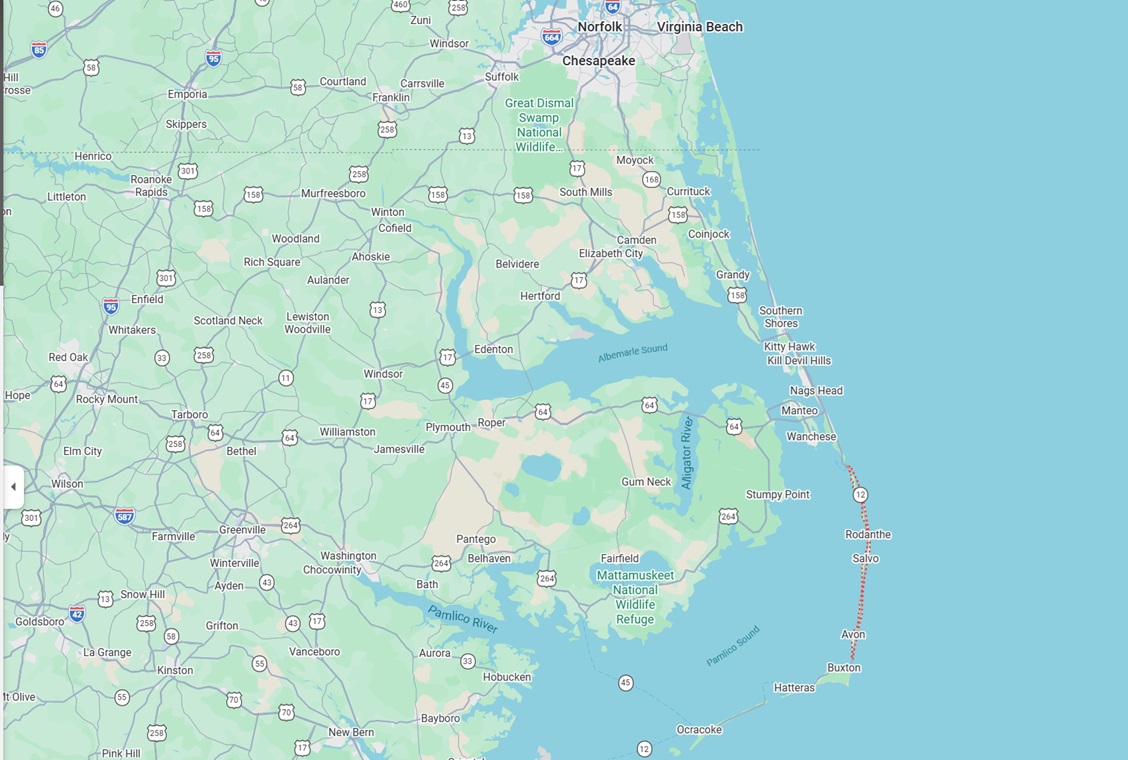
The Outer Banks, NC, is often presented as a simple beach escape with lighthouses, beach houses and long open sand. It is all of that, but it is also a chain of barrier islands shaped by wind, tides, storms and the water on both sides. The Atlantic is one side of the experience; the sounds, marshes and calmer waterways are the other.
This geography changes how a visitor should plan. Distances can take longer than a map suggests. A day at the ocean may be completely different from a day on the sound side. Beach access, parking, lifeguards, weather and driving rules can vary between towns and protected areas. The strongest Outer Banks holiday is not built around one viral view. It is built around the coastal environment.
Quick answer: what is the Outer Banks best for?
The Outer Banks is well suited to travellers who enjoy beaches, water sports, lighthouses, wildlife, fishing, history and a less urban coastal pace. Choose your location according to the type of shoreline you want, check ocean conditions every day and leave space in the itinerary for wind, storms and changing surf.
Choose an Outer Banks base by your daily rhythm
The usual question is, “Which Outer Banks town is best?” A more useful question is, “What kind of holiday day do we want?” Visitors who want restaurants, services and a more active atmosphere may prefer a different base from those looking for remote beach walks, fishing access or a quieter rental.
Start with these planning points:
| Priority | What to consider |
| Beach time every day | Distance to the nearest public access, parking and equipment carry distance |
| Families with children | Lifeguarded options, simple food access, indoor backup activities and quiet sleeping space |
| Water sports | Ocean versus soundside conditions, launch access, rental availability and weather tolerance |
| Remote feeling | Driving distances, food supplies, fuel and medical access |
| Historic sites and lighthouses | Opening times, driving time and whether one stop is enough for the day |
| Pets or beach fires | Current town and park rules, which can vary by location and season |
Do not overestimate how many parts of the Outer Banks you can see in a single day. A good rental location reduces time spent loading the car, searching for parking and driving back in the dark after a long beach session.
The official Outer Banks visitor guide is a good starting point for accommodation zones, access and current visitor information. When your stay includes a national seashore or protected area, check the responsible agency as well, because rules for permits, access and wildlife protection can be different.

Understand ocean side and sound side
The Atlantic-facing coast brings waves, sunrise views, surf fishing and powerful water conditions. The sound side can offer calmer water for some activities, sunsets, paddling and a different landscape. Neither side is automatically safe or better. They are different marine environments, and weather can change their character quickly.
For a family, this gives useful flexibility. If the Atlantic has strong surf or a rip-current warning, the day does not need to be cancelled. A soundside walk, a museum, a lighthouse visit or an indoor activity may be better. If your group wants to paddle, do not assume the sound is harmless. Wind, boat traffic, shallow water, heat and changing weather still require attention.
This is one reason the Outer Banks is more interesting than a single beach strip. It rewards visitors who look at the whole coastal system, not only the ocean forecast.
Treat beach safety as the first daily activity
Before heading to the beach, check the local forecast and official beach conditions. On arrival, look for flags and signs. If lifeguards are present, they are the best people to ask about the water that day. A red or other hazard flag is not an inconvenience to ignore; it is information based on the real sea state.
Rip currents are a major concern on open ocean beaches. They are channels of water moving away from the shore and can be difficult to see from a distance. If caught in one, remain calm, float if needed and move parallel to the shore rather than trying to fight directly against the current. Alert a lifeguard or call for help. Never enter to rescue another person unless you can do so safely and have appropriate training or flotation equipment.
Other basic rules are equally important:
- Keep children within direct reach in the water.
- Do not dig deep beach holes; fill any hole before leaving.
- Watch weather and leave early when lightning or severe conditions approach.
- Use shade, water and sun protection even when the wind feels cool.
- Do not swim alone, especially at an unfamiliar access point.
Beach safety is not a separate topic from the holiday. It is the foundation of a good day.
Driving on the beach is not casual driving
Some visitors are attracted by the idea of four-wheel-drive beach access. It can be a memorable way to see the coast, but it is not simply a road with sand on it. Rules, permit requirements, seasonal closures, vehicle requirements, speed limits and access routes can change between jurisdictions. Protected wildlife areas add more restrictions.
Check the current official rules for the exact beach you intend to use. Do not rely on a social-media video from a previous year. Carry the right equipment, understand tyre-pressure guidance where applicable and know the tide before entering. Pedestrians, children, anglers, pets and wildlife all have to be considered.
If you are not experienced with sand driving, there is no shame in leaving the vehicle on paved ground. A stranded vehicle, damaged dune or unsafe pass is a poor price for a photograph. The landscape is more important than the impression of adventure.
Let the Outer Banks teach you about barrier islands
Barrier islands are not fixed objects. Sand moves. Inlets change. Dunes protect land but can be damaged by careless access. Storms can close roads or alter beaches. This is not a flaw in the destination; it is the reason the Outer Banks has its particular beauty and vulnerability.
Visitors can learn from this without turning the trip into a science lesson. Walk on designated boardwalks. Read signs about nesting birds and sea turtles. Notice how houses, roads, dunes and beach accesses are placed in relation to the shore. Visit a lighthouse or local museum not only for the view, but to understand why navigation and coastal communities developed there.
This maritime perspective makes the holiday more meaningful. You are not simply standing beside the Atlantic. You are in a place where people have long adapted to a changing coast.
A practical four-day Outer Banks outline
Day one should be an orientation day. Settle into the rental, identify beach access, grocery options, nearest medical help, evacuation information and the route you would use if weather changes. Then take a short beach walk without pushing the schedule.
Day two can be your main ocean day. Go early, choose an access point that matches your group and keep the afternoon flexible. If water conditions are poor, change to a lighthouse, historic site or soundside activity rather than waiting all day for the surf to improve.
Day three is ideal for contrast: a soundside paddle with a reputable provider, a fishing activity, a wildlife-focused visit or a scenic drive where permitted. Give the group time to rest. Beach holidays are tiring when every person carries chairs, food and equipment each day.
Day four can be left for the experience you liked most. This is better than adding a long travel day only to say that you saw another town. The Outer Banks is about space and atmosphere. Allow some time simply to be there.
Travel in a way that leaves the coast usable
Pack out rubbish, including small plastic pieces that can harm wildlife. Avoid driving or walking through dunes. Keep distance from nesting areas, birds and marine life. Use designated access points. If your rental has outdoor showers or water use rules, follow them. Fresh water, waste capacity and shoreline access are shared resources.
When you buy food, tours or equipment locally, choose businesses that explain their environmental and safety practices clearly. A good operator does not need to promise perfect conditions. They explain what happens when weather changes and why rules exist.
Frequently asked questions about the Outer Banks, NC
Is the Outer Banks good for families?
Yes, if the accommodation, beach access and daily plan suit the group. Families should prioritise direct water supervision, easy access, a flexible weather plan and enough food and shade. The beach is not a childcare setting, even when it looks calm.
Can you swim in the Outer Banks?
Swimming may be possible when conditions are suitable, but the Atlantic can be powerful. Check official conditions, beach flags and lifeguard advice each day. Do not enter the water during dangerous surf, rip-current warnings or thunderstorms.
Do I need a four-wheel-drive vehicle in the Outer Banks?
No. Many visitors enjoy the Outer Banks without driving on the beach. Where off-road access is allowed, requirements and rules vary. Check the exact current guidance, obtain required permits and do not attempt sand driving without suitable experience and equipment.
How many days should I spend in the Outer Banks?
Four to seven days is comfortable for many visitors because it gives time for weather changes, beach days and one or two non-beach activities. A shorter stay can still work if you choose one area rather than trying to cover the whole island chain.
Final thought
The Outer Banks is not a destination to conquer. It is a coastline to read slowly. Let weather, water and distance shape the plan. When you do, the beaches, lighthouses and wide horizons become much more memorable.
Key West, Florida: A Maritime Travel Guide Beyond Duval Street
Royal Caribbean Cruise Deals: How to Compare Offers Without Losing Value