
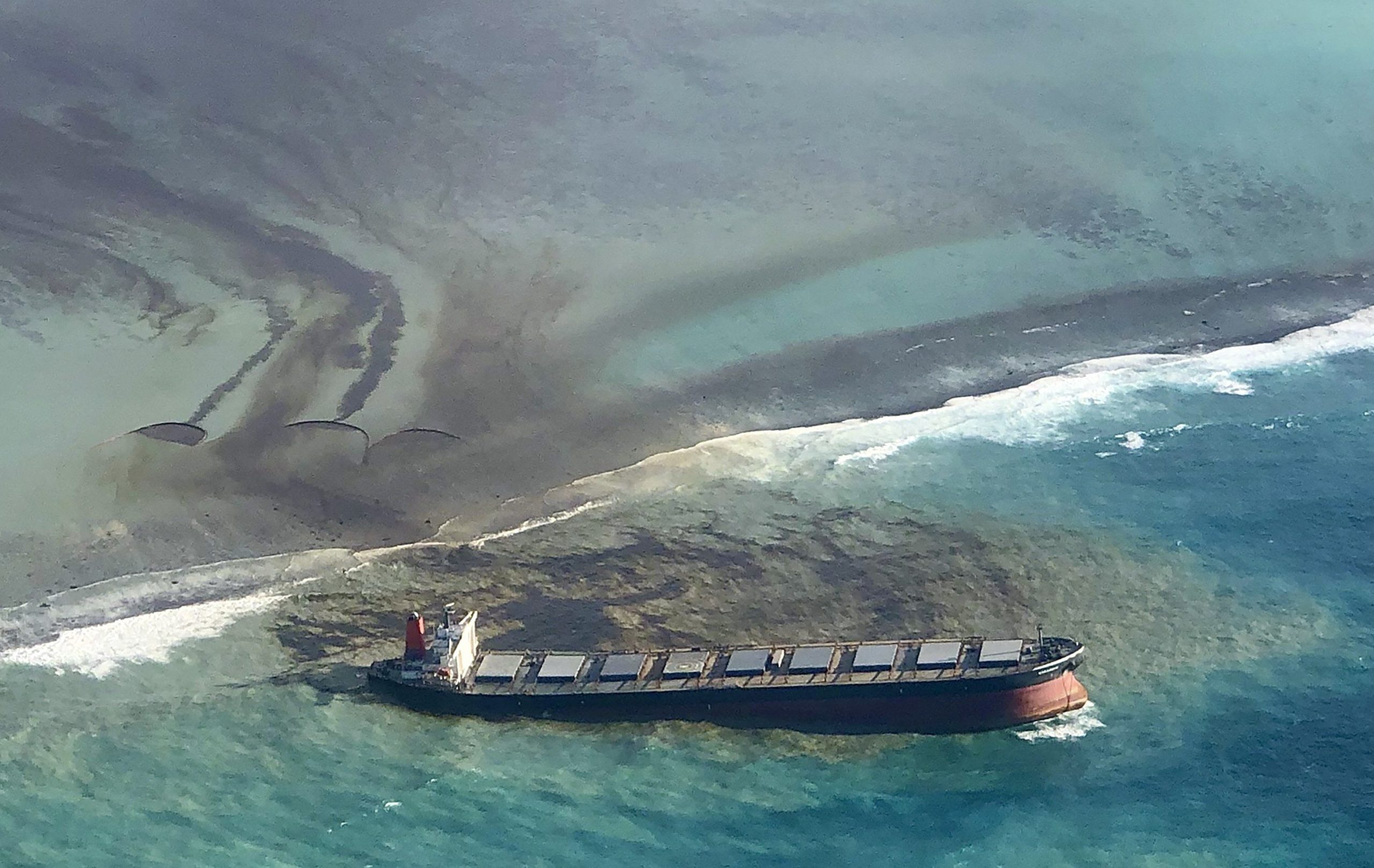
Review 12 official ship grounding investigations from MAIB, NTSB, ATSB and TAIC. Explore passage planning, pilotage, fatigue, electronic navigation, machinery failure and action after grounding.
A ship grounds when its hull contacts the seabed, a reef, shoal, bank or submerged obstruction. Some vessels are refloated with minor damage; others suffer hull breaches, pollution or total loss. The decisive error may occur well before contact, when a waypoint is missed, a pilotage turn starts in the wrong position, or the bridge team assumes an electronic position is correct.
This fourth article in the maritime casualty investigation series examines twelve published reports from the UK Marine Accident Investigation Branch (MAIB), US National Transportation Safety Board (NTSB), Australian Transport Safety Bureau (ATSB) and New Zealand Transport Accident Investigation Commission (TAIC). The cases are selected for their different lessons, rather than ranked by damage or lives lost.
How does a grounding develop?
An investigation may trace a chain from route appraisal to bridge watchkeeping, position fixing, helm orders and the response after contact. The IMO’s Guidelines for Voyage Planning describe appraisal, planning, execution and monitoring. A route drawn on a chart is only one part of the defence: the ship’s position and available safe water must be monitored throughout the passage. wwwcdn.imo.org
1. Exxon Valdez: fatigue, watchkeeping and an oil spill
On 24 March 1989, Exxon Valdez grounded on Bligh Reef in Prince William Sound, Alaska. Eight cargo tanks ruptured and about 258,000 barrels of crude oil spilled.
The NTSB identified the third mate’s failure to manoeuvre properly under fatigue and excessive workload; the master’s failure to provide a proper navigational watch while impaired by alcohol; inadequate company provision of a fit master and rested crew; and weaknesses in vessel traffic and pilotage services among the probable causes. Read the NTSB report. ntsb.gov
Safety lesson: Manage fatigue and bridge workload before a restricted-water transit. A pollution response plan matters, but preventing the hull breach is the primary protection.
2. Sea Empress: a tanker grounds during pilotage
Sea Empress grounded in the approaches to Milford Haven in February 1996. The MAIB inquiry found that the immediate cause was the pilot’s failure to take effective action to keep the tanker in the deepest part of the channel. Inadequate training and experience in large-tanker pilotage contributed.
The grounding and subsequent salvage period resulted in a large crude-oil release. The inquiry also examined tug capability and understanding of tidal currents during recovery. Read the MAIB investigation. GOV.UK
Safety lesson: Master and pilot need a shared channel plan with clear limits, tidal information and a contingency margin. Salvage decisions can materially affect the eventual pollution outcome.
3. Rena: a missed reef during coastal navigation
On 5 October 2011, container ship Rena grounded at full speed on Astrolabe Reef off New Zealand. The vessel later broke in two and spilled heavy fuel oil and cargo.
TAIC found that the master took over with little information about the ship’s position, heading and immediate dangers. No one monitored position during the handover. The investigation found no malfunction of onboard machinery or navigation equipment, but identified a pattern of navigation and watchkeeping procedures not being followed on earlier voyages. Read the TAIC investigation. TAIC
Safety lesson: Never let a bridge handover interrupt position monitoring. Changes to a coastal route or arrival plan require a fresh assessment of reefs, currents and available sea room.
4. Shen Neng 1: fatigue and a missed course alteration
The bulk carrier Shen Neng 1 grounded on Douglas Shoal off Queensland on 3 April 2010. Its hull was damaged and ballast and fuel tanks were breached.
The ATSB found that the chief mate did not alter course at the designated position. Position monitoring was ineffective, and his performance was affected by fatigue following cargo-loading duties. The report also identified shortcomings in fatigue management and guidance on passage plans and electronic route plans. Read the ATSB investigation. ATSB
Safety lesson: A watchkeeper who has supervised a demanding cargo operation may be unfit for the next navigation watch. Independently verify the next course alteration and the danger beyond it.
5. Royal Majesty: automation conceals an off-track ship
In June 1995, passenger ship Royal Majesty grounded on Rose and Crown Shoal near Nantucket with 1,509 people aboard. No one was injured.
The NTSB attributed the grounding to overreliance on the integrated bridge system, inadequate training in its automated features, deficiencies in its design and operating procedures, and the second officer’s failure to act on several indications that the ship was off course. Read the NTSB investigation. ntsb.gov
Safety lesson: Compare electronic positions with independent information. Understand each display’s position source and investigate disagreement before continuing towards shallow water.
6. CMA CGM Vasco de Gama: a large-ship turn without a shared plan
In August 2016, the ultra-large container ship CMA CGM Vasco de Gama grounded while approaching Southampton under pilotage. It began its turn into Thorn Channel too far north of the intended track and lacked the room and achievable rate of turn needed to remain in the dredged channel.
The MAIB found that no detailed pilotage plan had been produced, the lead pilot’s manoeuvre had not been fully explained, bridge roles were unclear, and electronic navigation aids were not fully used. The ship was refloated without damage. Read the MAIB investigation. GOV.UK
Safety lesson: Brief wheel-over points, operating limits and alternatives before a critical turn. Monitor pilotage independently against position, speed and rate of turn.
7. Arrow: fog and an overloaded pilot exemption holder
The ro-ro freight ferry Arrow grounded while entering Aberdeen Harbour in thick fog on 25 June 2020. The MAIB found that the pilot exemption certificate holder, navigating by radar, became overloaded and overcorrected a deviation from the planned track. The bridge team did not detect the developing overcorrection in time.
A weak shared understanding of the plan, limited support, bridge ergonomics and electronic-chart limitations reduced the available defences. Read the MAIB investigation. GOV.UK
Safety lesson: Restricted visibility calls for explicit bridge roles and frequent checks against channel boundaries. The person conning the vessel should not be the only person detecting an unsafe track.
8. Douwent: wrong GPS waypoint and a disabled watch alarm
The general cargo ship Douwent grounded on Haisborough Sand off England in February 2013 and lost its rudder.
The MAIB found that the selected GPS destination waypoint did not follow the passage plan’s intended sequence. The ship’s position was not adequately plotted on the paper chart, the officer of the watch was alone and probably fell asleep, and the bridge watch alarm had been switched off. Read the MAIB investigation. GOV.UK
Safety lesson: Cross-check waypoint selection against the approved route and verify actual progress on the chart. Keep watchkeeping safeguards operational and address fatigue risk.
9. World Diana: a turn starts too soon
In April 2023, the laden bulk carrier World Diana grounded while leaving the Port of Bunbury under pilotage. The ATSB found that the turn to port began earlier than planned, reducing available sea room. Speed then increased until the turn could no longer be completed safely.
Bridge resource management was ineffective. A portable pilot unit projected a grounding, but the pilot did not detect the prediction. The bridge team lacked specific manoeuvre limits, and concerns from the team and tug masters came too late. Read the ATSB investigation. ATSB
Safety lesson: For a deep-draught turn, agree on the starting position, speed limits and response to an adverse prediction. The bridge team and tugs should speak up while corrective room remains.
10. Bulk India: an engine-room cooling failure leads to blackout
In March 2018, Bulk India lost electrical power, propulsion and steering while departing Dampier under pilotage. Its rudder remained at 20° to port, and the ship grounded on the channel side.
The ATSB found that a malfunctioning cooling-water controller caused the auxiliary generators to overheat and shut down. Engineers did not correct the valve position in time, and the pilots were not told about developing machinery problems before the blackout. The emergency generator could not sustain power because its radiator fan belts had not been replaced. Read the ATSB investigation. ATSB
Safety lesson: Navigation and engineering teams must share emerging critical defects immediately. Test manual overrides, emergency generation and critical spare-parts arrangements before they are needed in a narrow channel.
11. Bonnie G: anchor-chain failure and a charted rock
Cargo vessel Bonnie G grounded near St Thomas in October 2023 after its anchor chain failed in heavy weather. The NTSB found that insufficient anchor-chain scope likely led to the failure. While trying to reach safe water, the captain did not identify a nearby charted rock and steered onto it.
The hull was breached. Investigators also noted that an open watertight door allowed flooding to spread after the grounding. All twelve people aboard were rescued. Read the NTSB investigation. ntsb.gov
Safety lesson: Before anchoring, identify nearby hazards and an escape route in case the vessel drags or a chain fails. Secure watertight doors so a local breach does not spread.
12. Royal Iris of the Mersey: a submerged obstruction and navigation by eye
The passenger vessel Royal Iris of the Mersey grounded on the remains of a submerged mooring dolphin while approaching Eastham lock in July 2016. Its 66 passengers were evacuated without injury.
The MAIB found that the experienced bridge team focused on a vessel leaving the lock and navigated solely by eye. They did not appreciate how close the ferry was to the obstruction, and the paper charts were not consulted during the approach. Read the MAIB investigation. GOV.UK
Safety lesson: Familiarity and good visibility do not reveal a submerged hazard. Use chart information and accurate position monitoring even on routine harbour manoeuvres.
Patterns across the investigations
| Pattern | How it contributed |
|---|---|
| Missed or altered waypoint | The vessel continued towards a charted hazard: Shen Neng 1, Douwent, Rena. |
| Inadequate position monitoring | An off-track position or approaching obstruction went undetected: Royal Majesty, Royal Iris of the Mersey. |
| Poorly shared pilotage plan | The team could not effectively check a critical turn: CMA CGM Vasco de Gama, World Diana, Arrow. |
| Fatigue or excessive workload | A watchkeeper’s ability to monitor and act was reduced: Exxon Valdez, Shen Neng 1, Douwent. |
| Machinery or power failure | Manoeuvring control was lost where sea room was limited: Bulk India. |
| Weak contingency preparation | Grounding was followed by avoidable flooding or difficult recovery: Bonnie G, Sea Empress. |
The IMO’s voyage-planning guidance links these patterns: appraise the hazards, plan the passage, execute the plan and continuously monitor progress. Alterations to the route, pilotage plan or machinery condition require a renewed assessment. Read IMO Resolution A.893(21). wwwcdn.imo.org
A practical grounding-prevention and response routine
- Appraise the route. Mark reefs, banks, isolated dangers, critical turns, tidal limits and environmentally sensitive areas.
- Check the vessel-specific margin. Compare draught with available depth and relevant tide, squat, heel and survey uncertainty. Apply the ship’s approved under-keel clearance policy and local requirements.
- Brief the bridge team and pilot. Agree on wheel-over points, speed, cross-track limits, position-fixing methods, tug use and what to do if a turn is missed.
- Monitor independently. Compare the planned track with observed position, radar, visual references, soundings and appropriate electronic alerts. Investigate discrepancies immediately.
- Manage people and machinery. Provide a rested watch and reliable propulsion, steering and power. Tell the pilot promptly about any engineering problem that could affect manoeuvrability.
- After grounding, stop and assess. Raise the alarm, determine the contact location, sound tanks and spaces, check for pollution and stability effects, and notify relevant authorities.
- Plan refloating deliberately. Consider tide, bottom type, hull damage, remaining stability and pollution risk with appropriate specialists before applying engines or tugs.
This is an educational sequence. The ship’s approved procedures, the master’s judgement, port requirements and actual damage govern the response.
Frequently asked questions
What is the difference between grounding and stranding?
Both describe a vessel contacting the bottom. Usage varies among investigation authorities; stranding often implies that the vessel remains stuck. This article uses grounding for the casualty type across all twelve reports.
Does an electronic chart route prevent grounding?
No. Its usefulness depends on correct chart data, safety settings, sensor input, route checking and an active watch. Royal Majesty and Douwent show why crews must verify actual position and the selected route.
Does a pilot’s presence remove the bridge team’s role in navigation?
No. Pilotage adds local expertise, while a shared plan and active monitoring remain essential. The CMA CGM Vasco de Gama, World Diana and Arrow investigations show how weak coordination can remove opportunities to challenge a developing error.
What should be checked immediately after grounding?
Check people, hull integrity, tank and bilge soundings, stability, propulsion and steering condition, and signs of pollution. Notify relevant authorities and avoid an improvised refloating attempt that might enlarge a breach.
Where can readers find the full reports?
Each case above links to its investigating authority. The IMO GISIS Marine Casualties and Incidents module is another route to reports submitted to the IMO and made public. www.imo.org
Conclusion
Groundings often begin with a gap between the planned track and the ship’s actual movement. These investigations show how that gap grows when position monitoring, bridge communication, fatigue management or machinery readiness fails. A safe passage requires a checked route, a rested and informed team, continuous monitoring and a deliberate response if the hull contacts the bottom.