
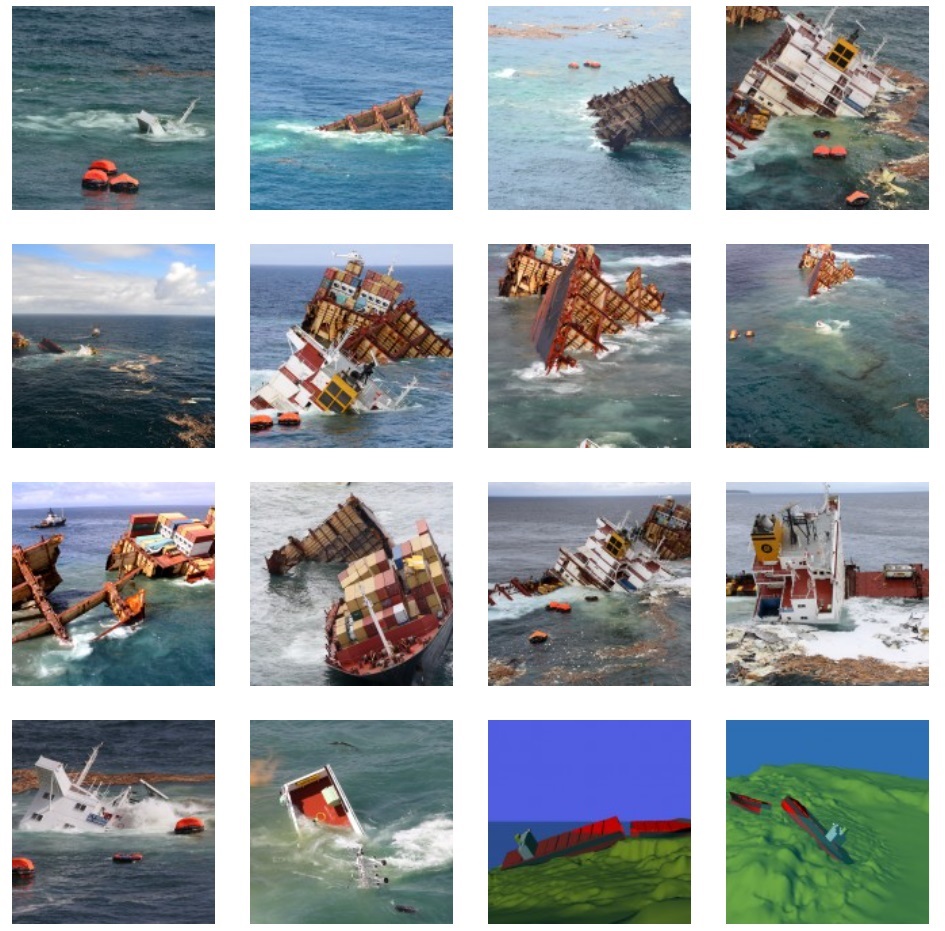
Maritime transport is essential to global trade, but history shows that accidents at sea can create severe environmental, economic, and social consequences. Oil spills, chemical cargo losses, tanker explosions, ship groundings, and container-ship fires can damage coastlines, fisheries, marine habitats, tourism, and coastal communities for years.
The following twelve cases are among the most significant maritime environmental disasters, selected for their ecological impact, regulatory consequences, and long-term lessons for shipping safety.
1. Torrey Canyon Oil Spill, 1967
The Torrey Canyon disaster is often regarded as the first major modern supertanker oil spill. In March 1967, the tanker grounded off the southwest coast of England, releasing around 119,000 tonnes of crude oil. The spill polluted coastlines in the United Kingdom and France and exposed how unprepared governments were for large-scale tanker casualties.
The response became controversial because large quantities of chemical dispersants were used, many of which were later considered environmentally harmful. The disaster helped trigger international attention on oil-spill preparedness, compensation, tanker safety, and emergency response planning. It also contributed to the creation of ITOPF in 1968, originally linked to oil-spill compensation and response support.
Aftermath: Torrey Canyon changed the way governments, insurers, and shipping companies viewed tanker risk. It demonstrated that an oil spill is not only a shipping accident but also a coastal, ecological, political, and legal crisis.
2. Amoco Cadiz Oil Spill, 1978
The Amoco Cadiz grounded off Brittany, France, in March 1978 after steering failure. The spill released a very large quantity of crude oil along an environmentally sensitive coastline. The disaster caused widespread contamination of beaches, fisheries, shellfish areas, and marine habitats.
Its environmental impact was severe because the oil reached productive coastal ecosystems and affected benthic organisms, birds, fishery resources, and local livelihoods. The case became a reference point in discussions about tanker design, tug assistance, coastal protection, and liability.
Aftermath: Amoco Cadiz strengthened European awareness of tanker-route risk and coastal vulnerability. It also reinforced the need for stronger ship maintenance, emergency towing capacity, and liability mechanisms for pollution damage.
3. Atlantic Empress Collision, 1979
The Atlantic Empress disaster occurred in July 1979 when two oil tankers collided near Tobago during heavy weather. The incident caused one of the largest tanker oil spills in history by volume. Unlike some coastal spills, much of the pollution occurred offshore, which reduced visible shoreline damage but still created serious marine contamination.
The disaster showed that spill volume alone does not determine environmental severity. Location, weather, oil type, response capacity, and proximity to sensitive ecosystems strongly influence final impact.
Aftermath: The case became important in tanker-collision risk analysis, traffic management, emergency response coordination, and the development of safer operating procedures in congested or weather-exposed sea areas.
4. Exxon Valdez Oil Spill, 1989
The Exxon Valdez grounded on Bligh Reef in Prince William Sound, Alaska, in March 1989, spilling almost 11 million gallons of crude oil. Although smaller than some other spills by volume, it became one of the most environmentally damaging because it occurred in a cold, ecologically rich, and difficult-to-clean coastal environment. NOAA notes that the spill injured many types of animals, plants, and coastal resources.
The spill affected seabirds, marine mammals, fish, intertidal zones, and Indigenous and fishing communities. Long-term studies showed that oil persisted in some sheltered areas for years, and ecological recovery varied by species and habitat.
Aftermath: Exxon Valdez led to major reforms in U.S. oil-pollution law, emergency preparedness, tanker operations, liability, and double-hull requirements. It remains a central case study in human error, fatigue, bridge management, corporate responsibility, and long-term ecological monitoring.
5. Sea Empress Oil Spill, 1996
The Sea Empress grounded near Milford Haven, Wales, in February 1996 while entering port. The spill released large quantities of crude oil into a sensitive coastal and marine area. Birds, beaches, fisheries, tourism, and local communities were heavily affected.
The incident highlighted the risk of ship-handling errors during port approaches, especially in environmentally sensitive waters. It also exposed weaknesses in pilotage, port risk assessment, and contingency planning.
Aftermath: The disaster led to stronger emphasis on port approach risk management, emergency towing, pollution response exercises, and better coordination among port authorities, ship operators, and national response agencies.
6. Erika Oil Spill, 1999
The tanker Erika broke apart off the coast of France in December 1999, spilling heavy fuel oil and polluting hundreds of kilometres of coastline. Heavy fuel oil is particularly difficult to clean because it is persistent, sticky, and damaging to birds, beaches, and coastal ecosystems.
The disaster had major political and legal consequences in Europe. It directly influenced the European Union’s Erika maritime safety packages, which strengthened controls on substandard shipping, classification societies, port state control, and tanker safety.
Aftermath: Erika became a turning point in EU maritime safety policy. It accelerated the phase-out of single-hull tankers and helped reshape the European approach to ship inspection, liability, and pollution prevention.
7. Prestige Oil Spill, 2002
The Prestige disaster occurred in November 2002 when the tanker suffered structural damage off Spain and later sank, releasing heavy fuel oil that polluted the coasts of Spain, France, and Portugal. The spill caused major damage to fisheries, shellfish harvesting, tourism, and coastal ecosystems.
The case became especially controversial because the handling of the distressed vessel raised questions about places of refuge, emergency decision-making, and whether moving the ship offshore worsened the final environmental outcome.
Aftermath: Prestige reinforced the urgency of the EU’s post-Erika maritime safety reforms and contributed to the development of stronger rules on places of refuge, vessel monitoring, port state control, tanker phase-out, and pollution liability.
8. Deepwater Horizon, 2010
The Deepwater Horizon disaster began on 20 April 2010 after an explosion on the offshore drilling platform operating at the Macondo well in the Gulf of Mexico. NOAA describes it as the largest marine oil spill in U.S. history, with an estimated 134 million gallons of oil released over 87 days before the well was capped.
Although this was an offshore energy accident rather than a ship grounding, it is one of the most important maritime environmental disasters because of its scale, marine impact, and response complexity. Oil spread through deep water, surface waters, coastal wetlands, fisheries, beaches, and marine habitats.
Aftermath: Deepwater Horizon transformed offshore drilling safety, emergency well-control planning, environmental damage assessment, compensation frameworks, and marine restoration programmes. It also showed how difficult it is to control pollution released from deep-water infrastructure.
9. Sanchi Tanker Collision, 2018
The Sanchi tanker collided with the bulk carrier CF Crystal in the East China Sea in January 2018. The tanker was carrying a large cargo of natural gas condensate and also bunker fuel. It caught fire, burned for days, and sank; all 32 crew members onboard Sanchi died.
This case was environmentally complex because condensate behaves differently from heavy crude oil. It is highly volatile and toxic, and much of it can evaporate, burn, dissolve, or disperse rather than forming a conventional surface slick. However, the sinking also raised concerns about bunker fuel and residues from the wreck.
Aftermath: Sanchi demonstrated the need for better understanding of non-persistent oil cargoes, toxic exposure, fire response, transboundary coordination, and environmental monitoring after chemical or condensate tanker casualties.
10. Wakashio Oil Spill, 2020
The bulk carrier MV Wakashio grounded on coral reefs off Mauritius in July 2020 and later spilled about 1,000 tonnes of oil into a highly sensitive coastal environment. The incident affected lagoons, coral reefs, mangroves, fisheries, tourism, and local communities. A UN expert described the spill as having serious health, environmental, and economic consequences.
The disaster was particularly serious because Mauritius depends heavily on coastal and marine resources. The grounding location near coral reef systems amplified the environmental consequences.
Aftermath: Wakashio raised questions about navigation practices, coastal monitoring, emergency response capacity, ship routing near sensitive marine areas, compensation, and environmental restoration for island states.
11. X-Press Pearl Disaster, 2021
The X-Press Pearl container ship caught fire and sank off Sri Lanka in 2021 while carrying hazardous chemicals, fuel, and large quantities of plastic pellets. The disaster caused severe coastal contamination and is widely described as Sri Lanka’s worst marine pollution incident.
The environmental damage included plastic nurdle pollution, chemical contamination, impacts on planktonic food webs, fishery closures, and harm to marine wildlife. In 2025, Sri Lanka’s Supreme Court ordered the ship’s owners and associated parties to pay $1 billion in compensation, applying the Polluter Pays Principle.
Aftermath: X-Press Pearl became a landmark case for container-ship pollution, hazardous cargo declaration, plastic-pellet response, port-state decision-making, and environmental compensation.
12. MSC Napoli, 2007
The MSC Napoli container ship suffered structural failure in the English Channel in January 2007 and was deliberately beached in Lyme Bay to prevent a worse casualty. Although not as globally famous as large tanker spills, the incident became important because it involved container loss, hazardous cargo concerns, shoreline pollution, and salvage complexity.
The case showed that container ships present environmental risks beyond oil pollution. Cargo contents, packaging failure, floating containers, hazardous substances, and debris can create complex response challenges.
Aftermath: MSC Napoli reinforced the need for improved container stowage, structural integrity monitoring, cargo documentation, emergency places of refuge, and preparedness for non-oil pollution from container vessels.
–
Key Lessons from These Disasters
These twelve disasters show that maritime environmental risk is not limited to oil tankers. Modern risks include container fires, hazardous chemicals, plastic pellets, condensate cargoes, offshore energy accidents, and bunker-fuel spills from non-tanker vessels.
The main lessons are clear:
- Prevention is more effective than response. Once pollution enters the sea, full recovery is difficult, expensive, and often impossible.
- Location matters as much as spill volume. Smaller spills near coral reefs, wetlands, fisheries, or enclosed waters can cause greater damage than larger offshore spills.
- Emergency decision-making is critical. Delays, unclear command structures, or poor places-of-refuge decisions can worsen environmental outcomes.
- Regulation often follows disaster. Torrey Canyon, Exxon Valdez, Erika, Prestige, Deepwater Horizon, and X-Press Pearl all influenced legal, operational, or policy reforms.
- Maritime pollution is also a social crisis. Fishermen, coastal communities, tourism operators, Indigenous peoples, and port economies often suffer long after cleanup operations end.
–
Conclusion
Maritime environmental disasters have shaped modern shipping regulation, oil-spill response, tanker design, offshore safety, liability regimes, and environmental monitoring. From Torrey Canyon to X-Press Pearl, each disaster exposed weaknesses in technology, training, regulation, emergency preparedness, or corporate accountability.
For maritime professionals, these cases are not only historical events. They are practical lessons in risk assessment, safety management, environmental protection, crisis response, and the continuing need for responsible maritime operations.