
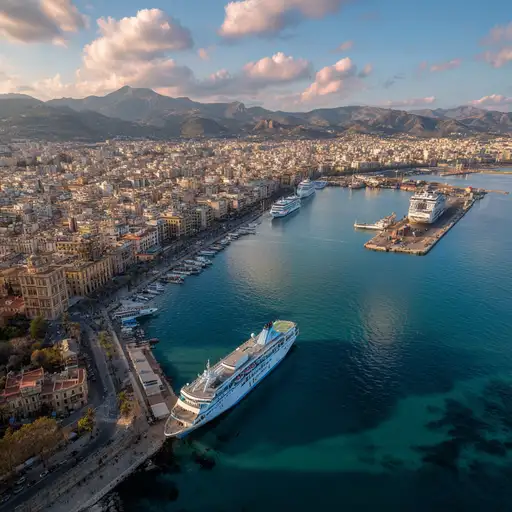
Sicily has always been more than an island; it is a historical and geographical crucible, a natural bridge between continents and cultures. Today, this pivotal position is being reimagined not just through the lens of history, but through infrastructure, strategy, and a bold vision for the future. At the heart of this transformation are its ports, the ancient gateways now tasked with writing a new chapter of connectivity and development.
Annalisa Tardino, 46, lawyer and Special Commissioner of the Port System Authority of the Western Sicilian Sea, embodies this ambitious drive. Appointed last August, she operates with a clear mandate: to elevate the system’s seven ports—Palermo, Termini Imerese, Trapani, Porto Empedocle, Licata, Gela, and Sciacca—from local realities to international players.
Working Under the “Sword of Damocles”
Her start was not without turbulence. The Sicily Region appealed her appointment to the Regional Administrative Court, with a hearing set for mid-January. Tardino, however, chooses pragmatism over paralysis. “I only thought about it for two days,” she states. “I have a mandate from the national government and I’m pursuing it. The appeal is against the Ministry of Transport… We’ll see, and God’s will will be done.” This resolute focus sets the tone for her administration: forward motion, despite the headwinds.
A Vision of Internationalization and Green Deal Synergy
The core of Tardino’s strategy is twofold: internationalization and infrastructure strengthening, both aligned with European priorities like the Green Deal.
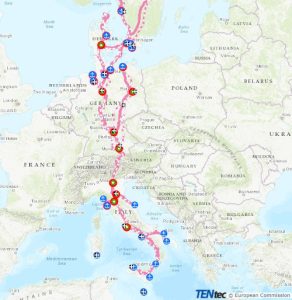
“We’re aiming for the internationalization of the ports and of our Port Authority, which we would like to become a point of reference at the European level,” she explains. This isn’t just rhetoric. Meetings in Brussels have already taken place, with more planned, to weave the ports of Western Sicily into a stronger network with Northern Europe. A flagship project is the establishment of a digitalization dialogue with the Port of Rotterdam, creating a south-north axis of efficiency and innovation.
The Seven-Port System: Tailored Ambitions
While Palermo is the crown jewel—having surpassed one million cruise passengers in 2025 and securing a fourth-place national ranking—Tardino’s vision is meticulously decentralized. Each port has a tailored role in a cohesive system:
-
Palermo: Beyond cruise success, the focus is on port-city integration and a landmark project: the new dry dock for Fincantieri. This will enable shipbuilding, promising a significant boost to high-skilled employment.
-
Termini Imerese: With over €150 million already invested, its destiny is as a container terminal. Proposals are in for redeveloping a northern area for urban use, linking port and community.
-
Trapani: Completion of the waterfront project is a priority, alongside nurturing its growing niche as a destination for small, exclusive cruise lines, a sector with strong local demand.
-
Porto Empedocle: The goal is to secure European funding for dual-use research (civilian and military), leveraging its strategic position.
-
Gela: Plans intertwine industrial vocation with the future, applying for funds for alternative energy projects, while still advancing a smaller marina for tourism.
-
Licata: Infrastructure consolidation is key to support new tourism developments.
-
Sciacca: The vision includes a new marina, with funding sought through innovative public-private partnerships.
The Crossroads of the Future
Tardino acknowledges that many plans are still “dream books,” but they are dreams grounded in concrete projects and funding pursuits. The objective is clear: to transform Western Sicily’s port system into a reference point for all of Southern Italy, capable of capturing the immense potential of Mediterranean traffic and channeling it into sustainable growth.
Sicily’s role as a crossroads is thus being radically updated. It is no longer just a passive stop on ancient routes, but an active protagonist shaping new ones: a digital bridge to Northern Europe, a hub for green energy and innovation, and a diversified gateway where massive container ships, boutique cruise liners, and research vessels can all find their place. Under Tardino’s determined guidance, the ports of Western Sicily are not just looking out to sea—they are charting a course for the future.