
by Ben Sharples (Bloomberg)
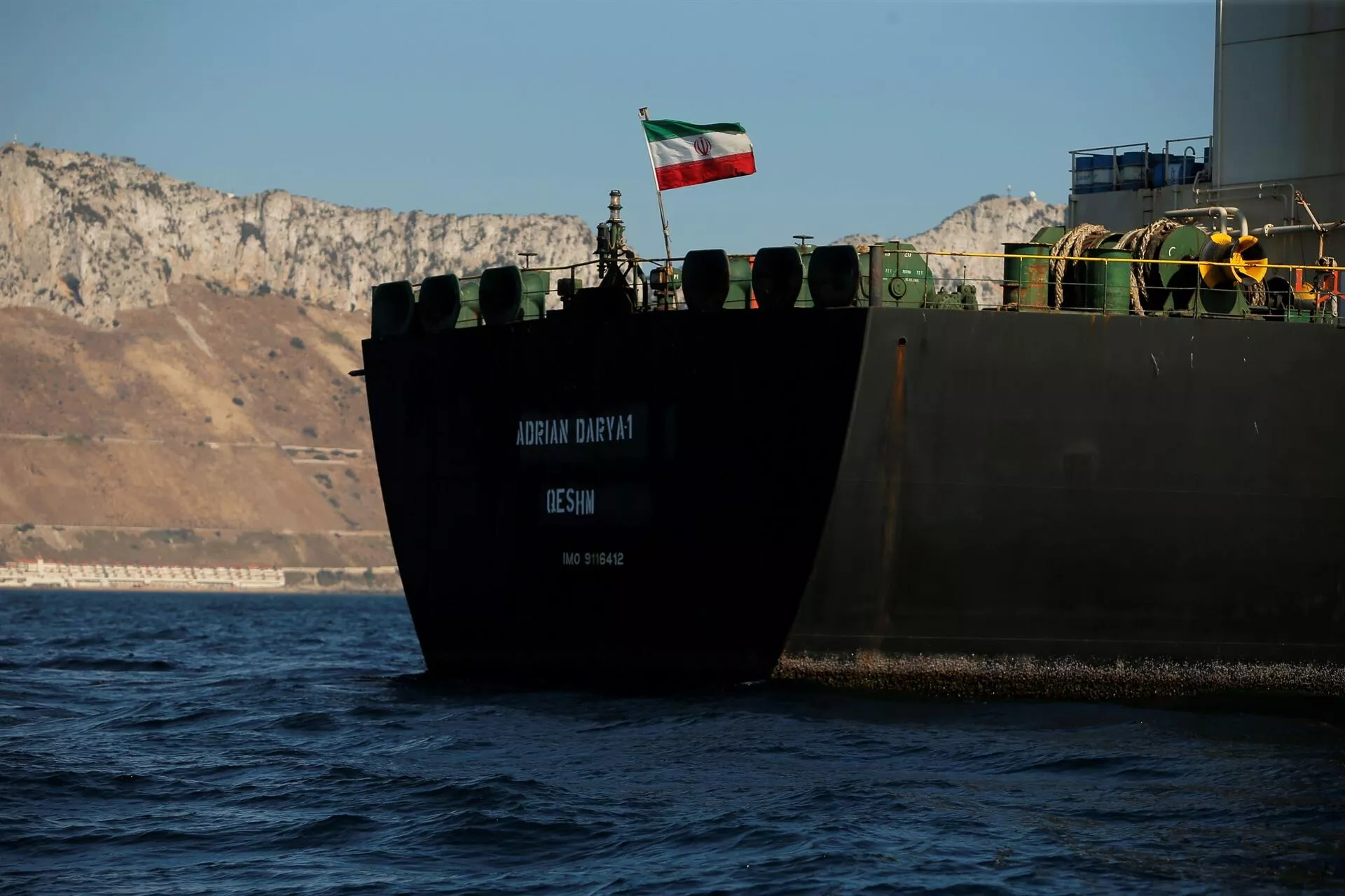
Iran’s oil exports are surging, offering solace to both Tehran and a global market fretting over the prospect of the sanctions squeezing Russian supply. Much of it appears to be finding its way to China.
Iran’s oil exports are climbing rapidly, offering a dual relief: bolstering Tehran’s struggling economy while helping to calm a global energy market anxious over potential sanctions-driven disruptions to Russian supply. Much of this revived Iranian crude appears to be flowing to China, the world’s largest oil importer, often via a circuitous route that masks its true origin.
According to data from two prominent shipping analytics firms, Vortexa and Kpler, the Persian Gulf nation’s oil exports rose to approximately 1.3 million barrels per day in November and remained near a four-year high through December. The upward trend is expected to continue: FGE, an energy-market consultancy, forecasts that Iran will increase its combined shipments of crude and refined products by as much as 200,000 barrels per day this year.
This surge comes at a critical moment for global crude markets. Sanctions on Russia—another major producer—threaten to tighten oil supply just as winter demand peaks. The situation, however, presents a nuanced challenge for the United States and its allies. On one hand, Western powers seek to keep oil prices low to curb inflation and limit Moscow’s war chest. On the other, Washington has long enforced sanctions to choke off Iranian exports, aiming to pressure Tehran over its advancing nuclear program.
Yet those nuclear negotiations—involving Iran and world powers including the US—have all but collapsed after the Biden administration sought to attach additional demands to the original 2015 accord. With talks stalled, several oil traders speculate that Washington is quietly tolerating the revival of Iranian shipments, so long as those barrels help depress global prices and avert an energy crisis.
The vast majority of this additional Iranian oil appears destined for China, but seldom under its own flag. Customs data from Beijing shows that China’s imports from Malaysia suddenly surged to a record in December. Energy analysts say those figures are implausible at face value: Malaysia’s reported exports to China were nearly triple its own average daily crude production over the first nine months of 2022, and even surpassed the volumes delivered by OPEC giants Iraq and the United Arab Emirates.
“China’s crude imports from Iran picked up to a new record in the last month of 2022,” said Armen Azizan, an analyst at Vortexa, in a research note. A fax sent to China’s General Administration of Customs requesting comment was not immediately returned.
The discrepancy is explained by a long-established practice in the region. Malaysian waters—particularly the crowded anchorage off the coast near Singapore—have become a hub for ship-to-ship transfers of crude and refined petroleum products. By transferring Iranian oil onto vessels that then claim a Malaysian (or Omani) origin, traders can effectively launder the cargo’s identity. Similar methods have previously been used for barrels from Venezuela.
Official Chinese data appear to confirm the pattern. Malaysia ranked as China’s third-biggest crude supplier in December, behind only Saudi Arabia and Russia. That month, China reported imports from Iraq at 5.06 million metric tons and from the UAE at 4.95 million tons—both robust figures, yet surpassed by the Malaysian volumes when measured on an energy-equivalent basis. For the full year 2022, China imported 35.7 million metric tons of crude from Malaysia, making the Southeast Asian nation China’s sixth-largest supplier, ahead of Brazil, Kuwait, and Angola—all of which are far larger producers.
Notably, China’s official customs data record no imports of Venezuelan crude since 2019, and only four documented shipments from Iran since the end of 2020. Those numbers are widely considered to understate the true flow, given the prevalence of re-labeled cargoes.
As of early 2022, Iran held tens of millions of barrels in floating storage, much of it stationed aboard tankers in Asian waters. It remains unclear whether these stored volumes are being drawn down in addition to fresh export increases, or whether the surge reflects a mix of new production and inventory sales.
The coming months will test whether Washington continues to look the other way, or whether rising Iranian exports—and the accompanying diplomatic embarrassment—prompt renewed enforcement action. For now, the barrels keep flowing, and global markets are grateful.
Frequently Asked Questions
1. Why are Iran’s oil exports suddenly climbing – and how much?
Iran’s exports jumped to about 1.3 million barrels per day in November (near a four‑year high) and stayed strong through December. Energy consultancy FGE expects Iran to add another 200,000 barrels per day of crude and refined products this year.
The surge offers dual relief:
-
Bolsters Iran’s struggling economy
-
Helps calm global energy markets anxious about potential Russian supply disruptions
2. Where is all this Iranian oil going?
China – the world’s largest oil importer – is the primary destination. But the oil rarely arrives under the Iranian flag. Instead, traders use a circuitous route that masks its true origin, often via Malaysia.
3. How does Iran disguise its oil shipments to avoid sanctions?
By using ship‑to‑ship transfers in Malaysian waters – especially the crowded anchorage off the coast near Singapore.
The process:
-
Iranian oil is transferred onto another vessel at sea
-
That second vessel then claims a Malaysian (or Omani) origin
-
The cargo is effectively “laundered” – a method previously used for Venezuelan barrels
Result: China’s customs data show zero direct Iranian imports (only four documented shipments since end‑2020), yet Malaysian imports have exploded.
4. What’s the evidence that Malaysia is a中转站 for Iranian oil?
Chinese customs data reveal an impossible discrepancy:
-
Malaysia’s crude exports to China in December tripled its own average daily production over the first nine months of 2022
-
Malaysia even surpassed OPEC giants Iraq and the UAE as a supplier to China
-
For full year 2022, China imported 35.7 million metric tons from Malaysia – making Malaysia its sixth‑largest crude supplier, ahead of Brazil, Kuwait, and Angola (all much larger producers)
Energy analysts say those figures are simply not credible as genuine Malaysian oil.
5. Is the US tolerating this sanctions evasion?
That’s the quiet speculation among oil traders. Nuclear negotiations between Iran and world powers have all but collapsed. With talks stalled, Washington faces a trade‑off:
-
Enforce sanctions → Iranian exports drop → global oil prices rise (bad for inflation and Russia’s war chest)
-
Look the other way → Iranian barrels help depress prices → but it’s a diplomatic embarrassment
The article notes: “Several oil traders speculate that Washington is quietly tolerating the revival of Iranian shipments, so long as those barrels help depress global prices and avert an energy crisis.”
6. How does this affect global oil prices and the war in Ukraine?
Two competing pressures:
-
Russian sanctions threaten to tighten supply just as winter demand peaks → upward pressure on prices
-
Iranian exports (disguised) add supply → downward pressure on prices
For Western powers: lower prices curb inflation and limit Russia’s oil revenue (since Moscow’s oil competes with Tehran’s). That’s why some analysts suspect the US is temporarily prioritizing price stability over sanction enforcement.
7. Is Iran using floating storage to boost exports?
As of early 2022, Iran held tens of millions of barrels in floating storage – much of it on tankers in Asian waters. It’s unclear whether the current export surge reflects:
-
New production
-
Drawdown of those stored barrels
-
Or a mix of both
Either way, the volume hitting the market is real.
8. What happens next – will Washington crack down?
The article concludes: “The coming months will test whether Washington continues to look the other way, or whether rising Iranian exports – and the accompanying diplomatic embarrassment – prompt renewed enforcement action.”
For now: the barrels keep flowing, and global markets are grateful. But if Iran’s nuclear program advances further, political pressure to re‑impose strict sanctions could override economic pragmatism.
9. How can I track Iranian oil flows if they’re disguised?
You can’t – that’s the point. But shipping analytics firms like Vortexa and Kpler use satellite data, AIS (automatic identification system), and ship‑to‑ship transfer detection to estimate flows. Their numbers (1.3 million b/d) are the best available estimates, not official customs data.
China’s official customs data – which show zero direct Iranian crude – are widely considered to understate true flows because of re‑labeled cargoes.