
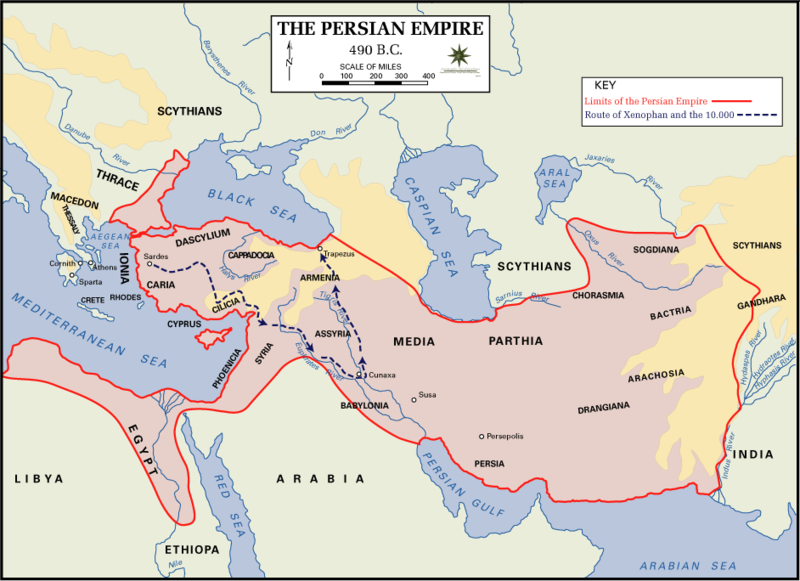
The Persian Gulf is a body of water located in Western Asia, bordered by Iran to the north, Kuwait, Iraq, and Saudi Arabia to the west, Bahrain, Qatar, and the United Arab Emirates to the east, and Oman to the south. It covers an area of approximately 251,000 square kilometers (97,000 square miles).
The Persian Gulf is an important strategic and economic region due to its vast oil and gas reserves. It is also a vital shipping route, with around a third of the world’s seaborne oil passing through it. The Gulf is home to many important ports, including Dubai, Abu Dhabi, and Doha. The region has a rich history dating back to ancient times, and it has been the site of numerous conflicts and disputes over the centuries. The ongoing tensions between Iran and some of the Arab states in the region have also contributed to the volatile situation in the Persian Gulf. However, the region remains an important economic hub, and its strategic significance is unlikely to diminish anytime soon.
Here are the “titles” of some popular academic journal articles about the Persian Gulf:
“Oil and Political Economy in the International Relations of the Middle East” by Hossein Askari and Abbas Mirakhor
“The Security Dilemma in the Persian Gulf” by F. Gregory Gause III
“Iran’s Nuclear Program and the Future of the Persian Gulf Security Environment” by M. Taylor Fravel and Christopher Clary
“Oil and Water: Conflicts Over the Persian Gulf‘s Marine Resources” by Shireen T. Hunter
“The Geopolitics of the Persian Gulf: An Update” by Roby Barrett
“The Persian Gulf in the Twentieth Century: A Political and Economic History” by Michael Herb.
“The Evolution of the Rentier State in the Persian Gulf” by Gwenn Okruhlik
“The US-Iran Relationship: A Case Study in Converging and Diverging Interests in the Persian Gulf” by Anoushiravan Ehteshami
“The Persian Gulf States and the United States: Global Power and Regional Order” by Simon Mabon
“Sectarianism and Political Instability in the Persian Gulf” by Frederic Wehrey
“Energy Security in the Persian Gulf: Opportunities and Challenges” by Gawdat Bahgat
“The Dynamics of Water Security in the Persian Gulf” by Mark Zeitoun and Naho Mirumachi
“Iran’s Regional Strategy in the Persian Gulf: Between Deterrence and Diplomacy” by Aniseh Bassiri Tabrizi.
The Impact of Oil Spills on the Persian Gulf Environment: A Review of Current Knowledge and Future Research Directions
Climate Change and its Impacts on the Persian Gulf: A Review of Recent Studies
The Geopolitics of the Persian Gulf: A Critical Review of Literature
Seawater Desalination in the Persian Gulf: A Review of the Environmental Impacts and Sustainable Solutions
Fisheries in the Persian Gulf: A Review of Status, Challenges and Future Prospects
Coral Reefs of the Persian Gulf: A Review of Current Status and Conservation Efforts
The Persian Gulf War: A Review of Causes, Consequences and Lessons Learned
Renewable Energy in the Persian Gulf: A Review of Potential and Challenges
Marine Protected Areas in the Persian Gulf: A Review of Policies and Implementation
Oil and Gas Exploration in the Persian Gulf: A Review of Environmental and Social Impacts
The Health of the Persian Gulf: A Review of Pollution, Risks and Public Health Issues
Seagrass Meadows in the Persian Gulf: A Review of Importance and Threats
Coastal Erosion in the Persian Gulf: A Review of Causes and Mitigation Measures
Historical and Archaeological Sites of the Persian Gulf: A Review of Conservation and Management Issues
Urbanization in the Persian Gulf: A Review of Trends, Challenges and Planning Strategies
Marine Biodiversity of the Persian Gulf: A Review of Patterns and Threats
Water Resources of the Persian Gulf: A Review of Availability, Management and Conflicts
Women in the Persian Gulf: A Review of Status, Challenges and Empowerment
Tourism in the Persian Gulf: A Review of Opportunities and Impacts
Oil and Politics in the Persian Gulf: A Review of Interactions and Implications
Marine Mammals of the Persian Gulf: A Review of Diversity and Conservation Status
Sand and Dust Storms in the Persian Gulf: A Review of Causes, Impacts and Mitigation Measures
The Role of International Organizations in the Persian Gulf: A Review of Contributions and Challenges
Socioeconomic Development in the Persian Gulf: A Review of Achievements and Challenges
Maritime Security in the Persian Gulf: A Review of Threats and Responses
Traditional Ecological Knowledge in the Persian Gulf: A Review of Significance and Challenges
Marine Microorganisms of the Persian Gulf: A Review of Diversity and Biotechnological Potential
Historical Geography of the Persian Gulf: A Review of Evolution and Transformations
Marine Pollution in the Persian Gulf: A Review of Sources, Impacts and Regulations
Ports and Shipping in the Persian Gulf: A Review of Infrastructure and Connectivity
The Role of Energy in the Persian Gulf: A Review of Opportunities and Challenges
Governance and Politics in the Persian Gulf: A Review of Dynamics and Trends
Renewable Energy Potential in the Persian Gulf: A Review of Technologies and Policies
The Persian Gulf in World History: A Review of Approaches and Interpretations
The Future of the Persian Gulf: A Review of Scenarios and Challenges
Marine Invertebrates of the Persian Gulf: A Review of Diversity and Conservation Status
Climate Change Adaptation in the Persian Gulf: A Review of Strategies and Challenges
The Persian Gulf and the Indian Ocean: A Review of Interactions and Implications
Sustainable Development in the Persian Gulf: A Review of Concepts and Practices
Marine Ecosystem Services of the Persian Gulf: A Review of Valuation and Management
Maritime Transport in the Persian Gulf: A Review of Trends and Challenges
Iranian Foreign Policy in the Persian Gulf: A Review of Strategies and Challenges
Nuclear Energy and the Persian Gulf: A Review of Risks and Opportunities
The Persian Gulf and Global Energy Security: A Review of Interactions and Implications
Water Pollution in the Persian Gulf: A Review of Causes, Impacts and Management
Persian Gulf States and Regional Security: A Review of Dynamics and Challenges
Environmental Challenges in the Persian Gulf: A Review of Solutions and Best Practices
The Politics of Identity in the Persian Gulf: A Review of Nationalism and Sectarianism
Health Challenges in the Persian Gulf: A Review of Emerging Issues and Solutions
The Persian Gulf and International Trade: A Review of Opportunities and Challenges
Conflict and Cooperation in the Persian Gulf: A Review of Historical and Contemporary Perspectives
Marine Pollution and the Persian Gulf Fishing Industry: A Review of Challenges and Solutions
The Role of Military Forces in the Persian Gulf: A Review of Interactions and Implications
Social Media in the Persian Gulf: A Review of Trends and Impacts.
–
Frequently Asked Questions
1. Why is the Persian Gulf one of the most strategically important bodies of water in the world?
Because of oil, gas, and global shipping.
-
One‑third of the world’s seaborne oil passes through the Persian Gulf.
-
It holds vast oil and gas reserves that fuel the global economy.
-
Major ports like Dubai, Abu Dhabi, and Doha serve as trade hubs between Asia, Europe, and Africa.
Any disruption here – whether from conflict or natural disaster – would send energy prices soaring worldwide.
2. Which countries border the Persian Gulf?
Eight nations border the Gulf:
-
North: Iran
-
West: Kuwait, Iraq, Saudi Arabia
-
East: Bahrain, Qatar, United Arab Emirates
-
South: Oman
The Gulf covers approximately 251,000 km² (97,000 square miles).
3. What are the biggest ongoing conflicts and tensions in the Persian Gulf region?
The article highlights decades of disputes, including:
-
Iran vs. Arab states – ongoing political and sectarian tensions
-
Iran’s nuclear program – a major security concern for Gulf neighbors and the West
-
Historical wars – the Persian Gulf War (1990‑91) and its consequences
-
Maritime resource disputes – conflicts over oil fields, gas reserves, and fishing rights
The region remains volatile, but its economic importance keeps it at the center of global attention.
4. What environmental threats does the Persian Gulf face right now?
According to the article’s list of academic reviews, the Gulf is under severe pressure from:
-
Oil spills – chronic and accidental pollution from exploration, transport, and wars
-
Climate change – rising temperatures, sea levels, and ocean acidification
-
Desalination plants – brine and chemical discharge harming marine life
-
Coastal erosion – driven by urbanization and sea‑level rise
-
Overfishing – declining fish stocks threaten food security
-
Sand and dust storms – worsened by land use change and climate
The Gulf’s marine biodiversity – including coral reefs, seagrass meadows, marine mammals (dugongs, dolphins, whales), and sea turtles – is at critical risk.
5. What are “blue carbon” ecosystems, and why do they matter in the Persian Gulf?
Blue carbon refers to mangroves, seagrass meadows, and saltmarshes – which absorb CO₂ and protect coastlines. The article lists multiple reviews on:
-
Seagrass meadows – their importance and threats
-
Mangroves – a natural defense against storms and erosion
-
Marine protected areas (MPAs) – policies to conserve these habitats
Protecting blue carbon is a climate adaptation strategy – but the Gulf’s rapid coastal development is destroying them.
6. What are the hottest research topics about the Persian Gulf right now?
Based on the article’s extensive bibliography (over 60 review titles), key research areas include:
-
Oil & political economy – the rentier state, energy security, and geopolitics
-
Environmental science – oil spills, pollution, desalination impacts, coral reef conservation
-
Climate change – impacts, adaptation strategies, and future scenarios
-
Marine biology – biodiversity, marine mammals, invertebrates, and microorganisms
-
Fisheries & water resources – declining stocks and water conflicts
-
Urbanization & tourism – sustainability challenges
-
Security & military – maritime security, US‑Iran relations, sectarianism
-
Social issues – women’s status, social media, traditional ecological knowledge
This is one of the most studied marine regions on Earth – precisely because it is both economically vital and ecologically fragile.
7. Is the Persian Gulf’s fishing industry sustainable?
Not currently. The article lists a review titled “Marine Pollution and the Persian Gulf Fishing Industry: A Review of Challenges and Solutions.”
-
Overfishing, pollution (oil, heavy metals, plastics), and habitat loss (dredging, coastal development) have severely depleted fish stocks.
-
Climate change adds further stress (warmer water, lower oxygen).
Without stronger regulation and marine protected areas, the Gulf’s fisheries – a critical food source and traditional livelihood – could collapse.
8. How does desalination affect the Persian Gulf’s marine environment?
The Gulf is the world’s largest hub for desalination – and it comes at a cost. The article includes “Seawater Desalination in the Persian Gulf: A Review of the Environmental Impacts and Sustainable Solutions.”
-
Brine discharge (super‑salty water) kills bottom‑dwelling organisms.
-
Chemical additives (anti‑scalants, chlorine) are toxic to marine life.
-
Intake structures suck in and kill fish larvae and plankton.
With Gulf countries relying on desalination for 60–90% of their drinking water, balancing water security with ecosystem health is a critical unsolved problem.
9. What role do international organizations play in the Persian Gulf?
The article mentions “The Role of International Organizations in the Persian Gulf: A Review of Contributions and Challenges.”
-
UN agencies (e.g., IMO, UNEP) help regulate shipping, pollution, and marine protected areas.
-
ROPME (Regional Organization for the Protection of the Marine Environment) coordinates among the eight Gulf states.
-
NATO and US Central Command – military presence for maritime security.
However, political rivalries often undermine cooperation – especially between Iran and the Arab states.
10. I’m a student or researcher – where can I find academic articles on the Persian Gulf?
The article provides a starter list of influential papers and reviews, including:
-
“Oil and Political Economy in the International Relations of the Middle East” (Askari & Mirakhor)
-
“Coral Reefs of the Persian Gulf: A Review of Current Status and Conservation Efforts”
-
“Climate Change and its Impacts on the Persian Gulf: A Review of Recent Studies”
-
“Marine Biodiversity of the Persian Gulf: A Review of Patterns and Threats”
Search these titles on Google Scholar, ResearchGate, or university databases (e.g., JSTOR, ScienceDirect). The article’s list covers over 60 review topics – from historical geography to marine microorganisms – so you can find hyper‑specific literature for your project.