
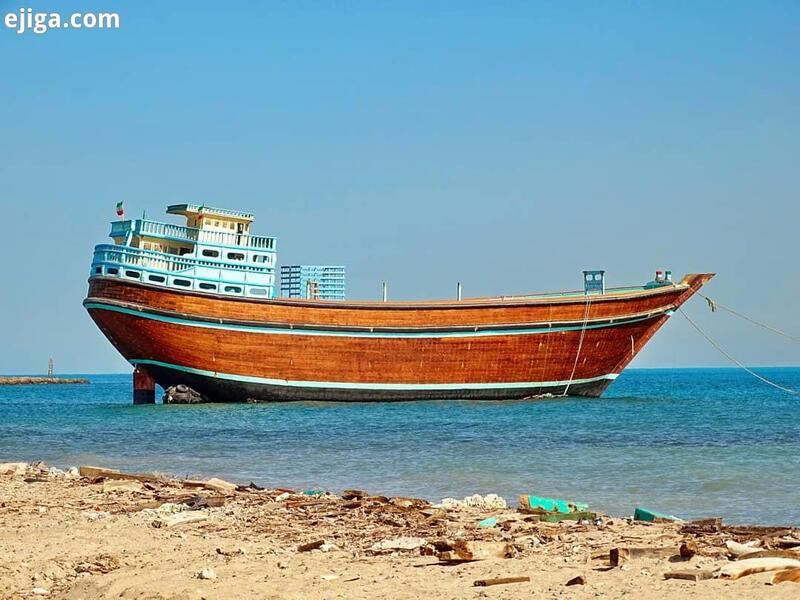
Explore the 3,000-year legacy of the Iranian Lenj [ لنج ایرانی ] , a hand-built wooden vessel of the Persian Gulf. Discover its unique construction, celestial navigation, and urgent UNESCO safeguarding status. Essential reading for maritime heritage.

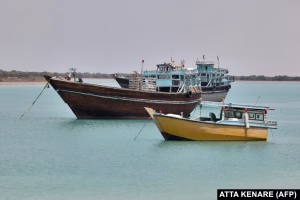
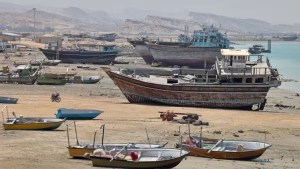
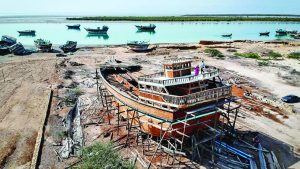
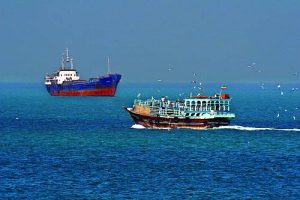
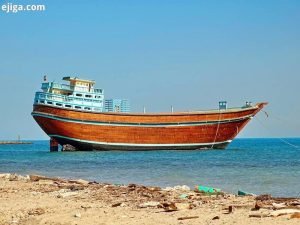
For over three thousand years, the silhouette of the Lenj—a majestic, hand-built wooden vessel—has been etched against the horizon of the Persian Gulf. These are not mere boats; they are floating archives of human ingenuity and cultural heritage. Constructed without blueprints, navigated by the stars, and central to the lifeblood of coastal communities for trade, fishing, and pearl diving, the Lenj represents a profound dialogue between humanity and the sea. In 2011, UNESCO inscribed the “Traditional skills of building and sailing Iranian Lenj boats in the Persian Gulf” on its List of Intangible Cultural Heritage in Need of Urgent Safeguarding, sounding an alarm for a living tradition at a critical crossroads. As the global maritime industry advances with autonomous ships and digital navigation, this deep dive into the Lenj offers irreplaceable insights into the foundational principles of seamanship, sustainable shipbuilding, and the cultural soul of one of the world’s most strategic waterways. This article explores its ancient origins, sophisticated design, the rich tapestry of knowledge surrounding it, and the concerted efforts required to ensure this millennia-old legacy is not lost to the tides of time.
The Lenj is far more than a traditional fishing or trading vessel; it represents the living continuation of a formidable naval heritage that shaped the geopolitics of Asia. For over two millennia, successive Persian empires—from the mighty Achaemenids and Parthians (Ashkanians) to the Sasanians and later the Safavids—relied on fleets of robust, hand-built wooden ships to project power, secure trade, and dominate the strategic waters of the Persian Gulf and beyond. These vessels were the backbone of imperial navies, enabling control over key maritime routes and coastal regions in Western Asia. Today’s Iranian Lenj, built using the same ancestral skills and knowledge, is therefore not merely a boat but a national heritage—a floating monument to Iran’s enduring identity as a major maritime civilization, preserving the spirit and craft of the seafaring forces that once safeguarded one of the world’s great empires. Lenj’s story is a crucial case study in maritime cultural heritage preservation, a growing concern for organizations like the International Maritime Organization (IMO) and UNESCO. As the industry grapples with standardization, the Lenj reminds us of the diverse, localized maritime traditions that have shaped human history. Understanding its construction and navigation is not just about preserving the past; it’s about enriching our perspective on resilience, adaptation, and sustainable practice in our relationship with the world’s oceans.
–
The Lenj: A Living Legacy of Persian Gulf Seafaring
Historical Evolution and Geographical Roots
The story of the Lenj is inextricably linked to the history of Iran itself. Ancient stamps and coins suggest that communities along the northern coast of the Persian Gulf have been building boats for at least 3,000 years. This maritime tradition flourished under successive Persian empires, most notably the Achaemenids. Under Darius the Great (522–486 BCE), the Persian Gulf became a strategically vital waterway, with the navy securing trade routes and fostering exploration. The Lenj, in its evolving forms, was the workhorse of this maritime activity. These vessels were not confined to the Gulf’s sheltered waters; they undertook ambitious voyages across the Indian Ocean, reaching the coasts of India, East Africa, and Zanzibar. These journeys facilitated the exchange of spices, textiles, dried fish, and pearls, embedding the Lenj in the vast network of ancient Indian Ocean trade.
The primary heartland of Lenj construction has always been Iran’s northern coastline, particularly the provinces of Hormozgan, Bushehr, and Sistan and Baluchestan. Key ports like Kong, Laft, and Genaveh were renowned as building centers. The island of Qeshm, especially the fishing village of Guran, remains one of the last active bastions of this craft today. The geographical concentration in the north is historically attributed to access to resources. While the arid south lacked forests, the northern coastal regions, though not lush, had better access to the Hircanian forests and trade networks for crucial timber. This highlights a key maritime principle: shipbuilding technology develops where need meets available resources, shaping distinct regional designs like the Lenj, the Arab dhow, and the European cog.
Design Philosophy and Construction: An Art Without Blueprints
The construction of a wooden Lenj is a monumental feat of engineering and artistry, guided by tradition rather than formal plans. A master builder, known as a Ghalaf, does not work from a blueprint. Instead, the vessel’s dimensions are determined mentally based on the owner’s needs, typically its intended cargo capacity. As master builder Mohammad Pozesh explains, “We can determine a Lenj’s physical dimensions based on how much cargo the customer wants to carry”. This intuitive, rule-of-thumb design process has been passed down orally and practically from father to son for generations.
The construction is a long and labor-intensive endeavor. A typical large Lenj, about 30 meters in length, can take up to two years to complete and requires a team of five to six skilled craftsmen. The process showcases a sophisticated understanding of materials:
-
Frame and Hull: The skeleton is built from strong, resilient woods like walnut and oak. For the hull planking, builders prefer teak or Indian Sai wood, prized for their durability and resistance to rot and marine borers.
-
Material Sourcing: Ironically, despite Iran’s rich history of forestry in the north, the specific woods needed for Lenj construction are not locally available in the southern shipyards. For centuries, builders have relied on imported timber from Myanmar (Burma), India, and Africa, underscoring the Lenj’s role in a historic global trade network of materials.
-
Waterproofing (Kalafat-Koobi): A defining step is making the hull watertight. Artisans soak wide cotton bands in coconut or sesame oil and hammer them into the seams between planks. The entire hull is then smeared with tar and finally painted with a special red paint, historically made from shark liver oil, which provides both decoration and an additional waterproof layer.
This meticulous process results in an exceptionally durable vessel. A well-maintained Lenj can sail for over a century, a testament to the soundness of its traditional design and construction methods. This longevity offers a stark contrast to the planned obsolescence in some modern manufacturing and presents a compelling model for sustainable, long-lifecycle design.
Celestial Navigation and Indigenous Weather Forecasting
Perhaps the most awe-inspiring aspect of Lenj culture is its sophisticated system of non-instrumental navigation and environmental awareness. Before the advent of GPS or even the common magnetic compass, Lenj navigators (Nakhodas) undertook transoceanic voyages using the sky as their map.
This vast body of knowledge was passed orally from father to son and constituted a highly respected science. Navigators used the positions of the sun, moon, and specific stars to determine their location at sea. They employed special, memorized formulas to calculate latitude and longitude and to assess water depth. A key tool was the kamal, a simple but ingenious navigation device used by Arab and Persian sailors since at least the 9th century. It consisted of a rectangular wooden card and a knotted string, allowing the navigator to measure the altitude of Polaris (the North Star) above the horizon and thus determine latitude.
Equally advanced was their meteorological knowledge. Sailors named every wind that swept across the Gulf, understanding their seasonal patterns to plan journeys. They became expert in forecasting weather by observing subtle natural signs:
-
The color and clarity of the water
-
The shape and height of waves
-
The movement and type of clouds
-
Even the behavior of seabirds
This intimate, sensory connection to the marine environment allowed them to predict storms and fair weather with remarkable accuracy. When the magnetic compass was introduced, Persian sailors ingeniously fused it with their astronomical knowledge, creating the “Persian compass” which had the names of 17 key stars written around its rim, bridging old and new technologies.
Cultural Tapestry: Music, Ritual, and Social Structure
The Lenj was more than a transport vehicle; it was the nucleus of a rich socio-cultural ecosystem. Life on and around the Lenj was infused with ritual, music, and a distinct social hierarchy.
Music and Work Songs (Neymeh): Specific rhythms and songs were inseparable from Lenj sailing. Sailors sang particular work chants (known as Neymeh) to coordinate laborious tasks like hoisting sails or pulling nets. These songs served a practical purpose in synchronizing movement and boosting morale, while also preserving stories and folklore.
Rituals and Festivals: The maritime calendar was marked by ceremonies that reflected a deep respect for the sea. The most significant is Nowruz-e-Sayyād (Fisherman’s New Year), a spring celebration marking the start of the fishing season. Another was Bādebān-Keshi, the ceremonial setting of the sails. These rituals reinforced community bonds and acknowledged humanity’s dependence on nature’s bounty.
Social Hierarchy and Sacred Respect: The Nakhoda (captain) held a position of immense prestige and authority, respected both on the vessel and in the village. The Lenj itself was treated with reverence; sailors would often board barefoot, as if entering a sacred space, reflecting the vessel’s role as the provider and protector of the community.
–
Navigating Modern Challenges: Safeguarding a Heritage at Risk
Despite its historical resilience, the traditional Lenj tradition faces existential threats in the 21st century. UNESCO’s 2011 inscription on the Urgent Safeguarding List was a clear recognition of these severe pressures.
-
Economic Pressures and Technological Displacement: The primary challenge is economic. Building a traditional wooden Lenj is extraordinarily time-consuming and expensive, with costs reaching $400,000 or more. In contrast, fiberglass boats are cheaper, faster to build, and require less maintenance. Consequently, most working sailors and fishermen have switched to these modern alternatives. Many historic wooden Lenj workshops have been converted into repair shops for aging vessels or factories for fiberglass boats.
-
Breakdown of Knowledge Transmission: The specialized knowledge of Lenj building and celestial navigation was traditionally passed down through apprenticeships within families. Today, younger generations are increasingly pursuing more lucrative and less physically demanding livelihoods outside of traditional sailing. The community of practicing master builders and navigators is now small and aging, with few young apprentices to carry the torch. As one shipbuilder lamented, “I’m part of the last generation making lenjes”.
-
Geopolitical and Logistical Constraints: International sanctions have exacerbated the situation by sharply increasing the cost of imported timber and engines, two critical components for Lenj construction and operation. Furthermore, the decline in long-distance trading voyages, now dominated by modern container ships, has rendered the traditional navigation skills less economically relevant, accelerating their disappearance.
Charting a Course for the Future: Preservation and Modern Relevance
The potential loss of the Lenj tradition is not merely the loss of a boat type; it is the erosion of a vast, self-contained system of knowledge. However, concerted preservation efforts are underway, offering a model for safeguarding intangible maritime heritage worldwide.
Documentation and Institutional Support: The UNESCO inscription has been pivotal in raising global awareness. National and local entities, like the Historical Village of Guran Cooperative Company on Qeshm Island, are working to preserve the culture through tourism and education. They plan to build a Lenj museum to educate the public and preserve artifacts. Detailed documentation of construction techniques, navigational formulas, and oral histories is a critical first step for preservation.
Adaptive Reuse and Cultural Tourism: One promising pathway is the adaptive reuse of existing Lenjes for purposes like cultural tourism, charter sailing, and living history museums. This creates an economic incentive for maintenance and can fund training programs for new builders and sailors. Showcasing Lenj sailing as a unique heritage experience can generate sustainable revenue streams.
Integration into Maritime Education: There is significant value in integrating the principles of Lenj design and navigation into modern maritime education and training. The story of the Lenj can be a powerful tool in courses on naval architecture history, traditional ecological knowledge, and cultural heritage management at maritime academies worldwide. Organizations like the Institute of Marine Engineering, Science & Technology (IMarEST) or the International Association of Classification Societies (IACS) could play a role in highlighting such traditions as part of the profession’s rich heritage.
Community-Based Safeguarding: Ultimately, for the tradition to live, it must remain relevant to the local community. Supporting community-led festivals like Nowruz-e-Sayyād, creating apprenticeship grants for young builders, and fostering a sense of pride and ownership are essential. As Ali Pouzan of the Guran cooperative notes, the survival of Lenj culture may depend on receiving support through tourism and external interest.
The future of the Lenj hangs in a delicate balance. Its fate will be determined by whether it can transition from a purely utilitarian craft to a valued and vibrant cultural heritage, sustained by a combination of community pride, innovative economic models, and international recognition.
–
Frequently Asked Questions (FAQs)
-
What is the main difference between a Lenj and a Dhow?
Both are traditional wooden vessels of the Indian Ocean and Persian Gulf, and the terms are sometimes used loosely. Generally, “Lenj” (Lanj) specifically refers to the hand-built vessels of Iranian origin, particularly from the northern Persian Gulf coast, with their distinct construction techniques and cultural practices. “Dhow” is a broader, more generic term often used for various Arab-style sailing vessels. The Lenj is thus a specific, culturally rich subset of the wider dhow family. -
Why are Lenjes so expensive and time-consuming to build?
Each Lenj is a custom-built, massive wooden structure crafted without blueprints by master artisans. The process relies on imported high-quality timber (teak, walnut) and involves thousands of hours of skilled, manual labor—from carving the frame to the intricate waterproofing (Kalafat-Koobi). A single vessel can take up to two years to complete, with costs driven by materials, labor, and the sheer scale of the craft. -
How did Lenj sailors navigate without modern instruments?
They were masters of celestial navigation. Using tools like the kamal and memorized astronomical formulas, they plotted their course by the sun, moon, and stars. They combined this with an encyclopedic knowledge of winds, currents, and coastal landmarks. This entire body of knowledge was memorized and transmitted orally from experienced Nakhodas (captains) to their apprentices. -
What does UNESCO’s “Urgent Safeguarding” status mean?
Inscribed in 2011, this status means UNESCO recognizes that the skills and knowledge of building and sailing Lenjes, while still practiced, face severe threats of disappearance in the near future. It calls for immediate international cooperation and support to implement safeguarding measures, such as documentation, transmission programs, and raising awareness, to ensure the tradition does not die out. -
Can you still see traditional Lenjes being built or sailed today?
Yes, but it is becoming rare. The best place to witness this living tradition is on Iranian Qeshm Island in Iran, particularly in villages like Guran. Here, a small number of dedicated shipyards still operate, and older Lenjes may be seen in the water. However, most vessels used for daily work are now made of fiberglass. -
What is the social role of the Lenj captain (Nakhoda)?
The Nakhoda was far more than a skipper; he was a highly respected community leader and technical expert. He possessed the vital knowledge for safe and profitable voyages. His authority on the vessel was absolute, and in the village, he was a figure of prestige, often consulted for his wisdom and experience. -
Are there any modern uses or adaptations of Lenj design?
While not common, there is growing interest in heritage tourism and adaptive reuse. Some preserved Lenjes are used for cultural tours in the Persian Gulf. Furthermore, the hydrodynamic principles and rugged construction of the Lenj are studied by naval architects and historians interested in indigenous, sustainable ship design that has been proven by millennia of sea service.
Conclusion
The Iranian Lenj is a monumental achievement of human culture—a vessel that carried not only cargo and crew but also the identity, knowledge, and spirit of a people for over three millennia. From the mangrove-fringed shores of Qeshm to the distant ports of Africa, it forged connections and sustained civilizations. Its story is a masterclass in sustainable design, environmental literacy, and resilient community practice. Today, as it faces an uncertain future, the Lenj challenges us to reconsider what we value in our relationship with the sea and our shared heritage.
The call to action is clear. For maritime professionals, educators, and heritage enthusiasts worldwide, supporting the safeguarding of the Lenj tradition is an investment in our collective history. It can be as simple as learning about it, sharing its story, or supporting reputable cultural preservation organizations. The Lenj must not become a relic confined to museums; with innovation and commitment, it can remain a living, breathing testament to the timeless dialogue between the sailor, the ship, and the sea. The voyage of the Lenj through history is not yet over, and with concerted effort, its legacy can continue to inspire and navigate future generations.
References
-
UNESCO. (2011). Traditional skills of building and sailing Iranian Lenj boats in the Persian Gulf. Intangible Cultural Heritage.
-
Busuttil, S. (2017). The Last Shipbuilders of Iran: Saving a Legacy From the Sea. Morning Calm.
-
UNESCO Archives. Traditional Skills of Building and Sailing Iranian Lenj Boats in the Persian Gulf [Documentary].
-
Wikipedia contributors. (2025). Construction of Iranian Lenj boats. Wikipedia.
-
IranCultura. (2011). The ancient traditional construction of the Iranian boat Lenj in the Persian Gulf.
-
Gol.Gift. (2019). جنگل های هیرکانی ایران [Hircanian Forests of Iran].
-
Radio Free Europe/Radio Liberty (RFE/RL). (2023). Winds Of Change: Iran’s Traditional Wooden Boats Face Uncertain Future.
-
Majlesi, A. (2019, August 5). The Ancient Art of Making Ships in Southern Iran. Tehran Times. Republished by Kaveh Farrokh.
-
Zohrabi, S. (n.d.). Lenj and the Heritage of Building the World’s Largest Handicraft. TasteIran.
-
Academia.edu. (n.d.). Traditional skills of building and sailing Iranian Lenj boats in the Persian Gulf [FAQ summary].