
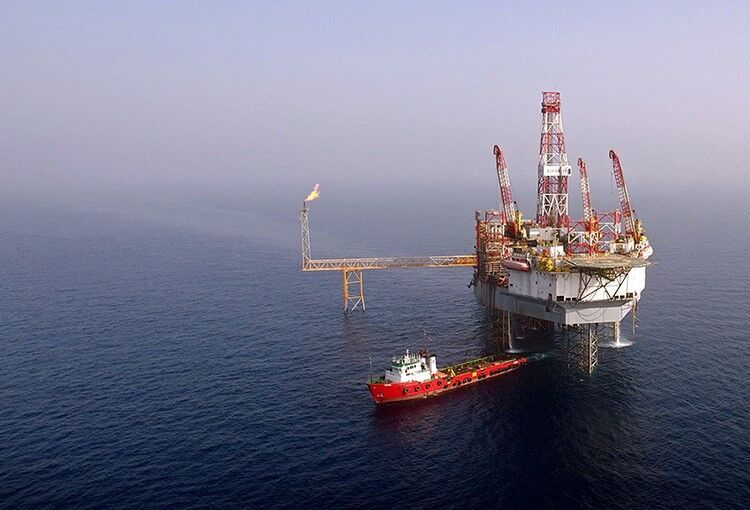
A Comprehensive Overview of the World’s Most Concentrated Offshore Energy Region
The Persian Gulf hosts the densest concentration of offshore oil and gas infrastructure on Earth. Its shallow waters, enormous hydrocarbon reserves, and proximity to global energy markets have made it the backbone of offshore petroleum production since the mid-20th century. Today, the Gulf contains hundreds of offshore platforms, drilling rigs, subsea installations, and artificial islands, operated by national oil companies and international partners. Together, they underpin a substantial share of global oil and LNG supply.
The Persian Gulf’s offshore development is shaped by several defining characteristics:
- Very shallow waters (average depth ~35 m)
- Stable seabed, ideal for fixed platforms
- Extremely high temperatures and salinity
- Dense shipping and strategic chokepoints
- Overlapping oil and gas fields across national boundaries
These conditions favor fixed steel jacket platforms over deep-water floating systems common elsewhere.
Main Types of Offshore Rigs and Platforms in the Persian Gulf
1. Fixed Jacket Platforms (Dominant Type)
Steel jacket platforms anchored directly to the seabed form the backbone of Gulf offshore production. They support drilling, production, processing, and accommodation modules.
Used extensively by:
-
Iran
-
Saudi Arabia
-
UAE
-
Qatar
-
Kuwait
2. Wellhead Platforms
Smaller unmanned or minimally manned platforms hosting wellheads only. They are connected via subsea pipelines to central processing platforms.
Common in:
-
South Pars / North Dome
-
Zakum
-
Safaniya
-
Arash field
3. Central Processing Platforms (CPPs)
Large installations handling gas separation, dehydration, compression, and oil stabilization before export via pipelines.
Key to:
-
LNG supply chains
-
Cross-border gas fields
-
Mega-field development
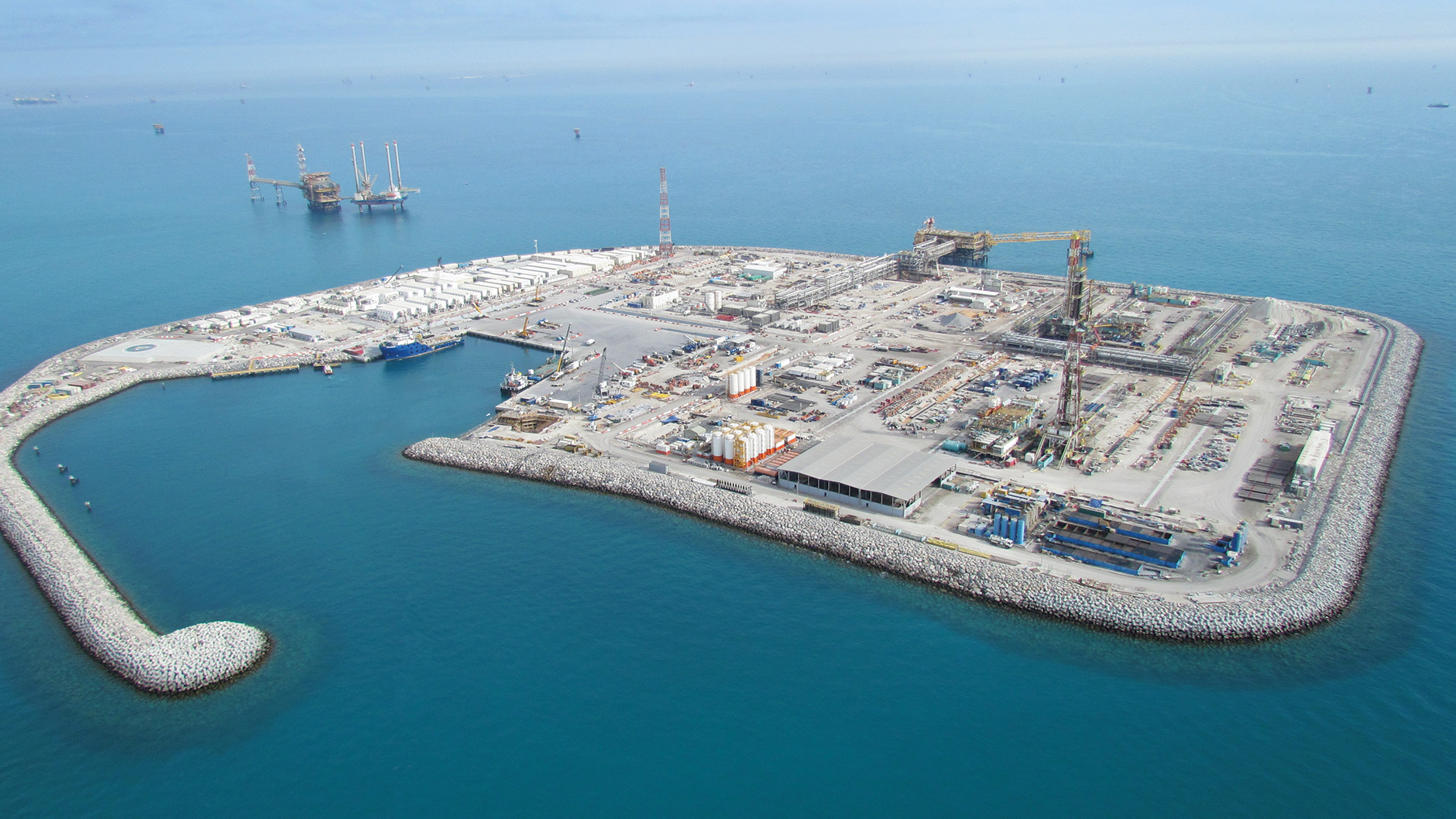
4. Artificial Islands and Causeway-Linked Platforms
Unique to the Persian Gulf, especially in UAE and Qatar, where artificial islands reduce offshore operational risks.
Notable example:
-
Upper Zakum Field (UAE)
5. Jack-Up Drilling Rigs
Mobile rigs used for drilling and workover operations. The Gulf hosts one of the world’s largest concentrations of jack-up rigs.
Operated by:
-
ADNOC Drilling
-
Saudi Aramco
-
NIOC
-
KOC
-
International contractors
Major Offshore Fields and Platform Systems by Country

🇮🇷 Iran – Offshore Platforms of the Northern Persian Gulf
South Pars Gas Field
The Iranian portion of the world’s largest gas field.
Key features:
-
Dozens of production and wellhead platforms
-
Phased development (Phases 1–24+)
-
Each phase typically includes:
-
1–2 wellhead platforms
-
Subsea pipelines to onshore refineries
-
Other offshore Iranian fields:
-
Abuzar
-
Foroozan
-
Dorood
-
Soroush
-
Nowruz
- Arash(Dorra)
Iran relies almost exclusively on fixed jacket platforms due to water depth and US cruel sanctions-driven self-engineering.
🇶🇦 Qatar – North Field Offshore Platforms
North Field (North Dome)
The world’s largest non-associated gas field.
Platform characteristics:
-
Extensive network of wellhead platforms
-
Large central processing platforms
-
Integrated with LNG mega-trains onshore
Qatar’s offshore system is optimized for gas export at scale, not oil production.
🇸🇦 Saudi Arabia – The World’s Largest Offshore Oil Field
Safaniya Field
The largest offshore oil field on Earth.
Infrastructure includes:
-
Dozens of fixed platforms
-
Multiple processing hubs
-
Integrated pipeline export systems
Other Saudi offshore fields:
-
Marjan
-
Manifa (including artificial islands)
-
Zuluf
-
Abu Safah
Saudi Arabia combines fixed platforms, artificial islands, and subsea pipelines.
🇦🇪 United Arab Emirates – Advanced Offshore Platform Networks
Zakum Field (Upper & Lower Zakum)
One of the world’s largest offshore oil fields.
Distinctive features:
-
Artificial islands
-
Extended-reach drilling
-
Centralized processing platforms
Other offshore fields:
-
Umm Shaif
-
Satah
-
Nasr
-
Bu Hasa offshore structures
The UAE is a global leader in smart offshore platforms and digital field management.
🇰🇼 Kuwait – Mature Offshore Oil Platforms
Main offshore fields:
-
Khafji (Neutral Zone)
-
Hout
Kuwait’s offshore infrastructure is smaller than neighbors but strategically important.
🇧🇭 Bahrain – Offshore Gas and Oil Installations
Key offshore assets:
-
Abu Safah Field (shared with Saudi Arabia)
-
Offshore gas platforms supporting domestic supply
Bahrain focuses on gas platforms rather than large oil installations.
–
Shared and Disputed Offshore Fields
Some offshore platforms sit above shared or disputed reservoirs, including:
- Abu Safah field (Saudi Arabia–Bahrain)
These fields require delicate geopolitical coordination in platform development.
Environmental and Navigational Implications
The concentration of offshore platforms has created:
- Artificial reef effects
- Restricted navigation zones
- Risks from ship strikes and spills
- Interactions with fisheries and marine mammals
As a result, the Persian Gulf has some of the most complex offshore safety and traffic-management regimes in the world.
Conclusion: Strategic Importance of Persian Gulf Offshore Platforms
Persian Gulf offshore infrastructure:
- Supplies a major share of global oil and LNG
- Anchors national economies
- Shapes maritime security policies
- Influences global energy prices
No other sea combines such shallow waters, such vast reserves, and such dense infrastructure.
The Persian Gulf is not just an oil-producing region—it is the world’s most intensively engineered offshore energy landscape. From Iran’s South Pars platforms to Saudi Arabia’s Safaniya giants and the UAE’s artificial islands, offshore rigs and platforms define the Gulf’s economic, environmental, and geopolitical reality. Understanding this infrastructure is essential for anyone studying maritime energy, offshore engineering, or global geopolitics.