
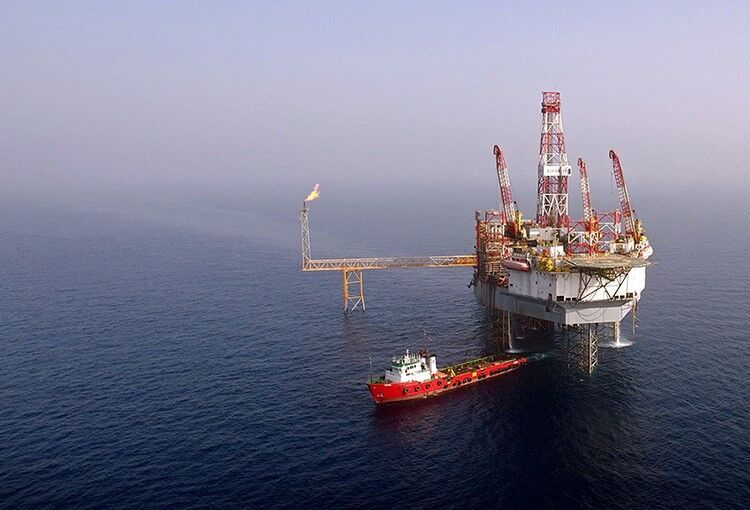
The Persian Gulf contains the highest concentration of offshore oil and gas infrastructure in the world. Its shallow waters, vast hydrocarbon reserves, and direct connection to global energy markets have made it one of the most important offshore production regions since the mid-20th century. Today, the Gulf includes hundreds of offshore platforms, drilling rigs, subsea systems, and artificial islands operated by national oil companies and international partners. Together, these assets support a major share of global oil and liquefied natural gas supply.
Several physical and operational characteristics have shaped offshore development in this region. The Gulf is relatively shallow, with an average depth of about 35 metres. Its seabed is generally stable and suitable for fixed installations. At the same time, the region faces very high temperatures, high salinity, dense vessel traffic, strategic chokepoints, and in some cases shared or overlapping reservoirs across national boundaries. Because of these conditions, fixed steel jacket platforms have become the dominant offshore structure, unlike the deepwater floating systems used in many other parts of the world.
Main Types of Offshore Rigs and Platforms in the Persian Gulf
1. Fixed Jacket Platforms
Fixed jacket platforms are the dominant offshore structure in the Persian Gulf. These steel structures are installed directly on the seabed and are used for drilling, production, processing, and accommodation. They form the core of offshore petroleum operations in countries such as Iran, Saudi Arabia, the United Arab Emirates, Qatar, and Kuwait.
2. Wellhead Platforms
Wellhead platforms are smaller installations, often unmanned or with only limited personnel on board. Their main purpose is to support the wellheads, while the produced hydrocarbons are transported through subsea pipelines to larger central facilities for processing. These platforms are common in major offshore fields such as South Pars/North Dome, Zakum, Safaniya, and Arash.
3. Central Processing Platforms
Central processing platforms are large offshore installations designed to separate gas, remove water, compress gas, and stabilize oil before export. They play a key role in large offshore developments, especially in gas projects linked to liquefied natural gas supply chains and in cross-border reservoirs requiring large-scale infrastructure.
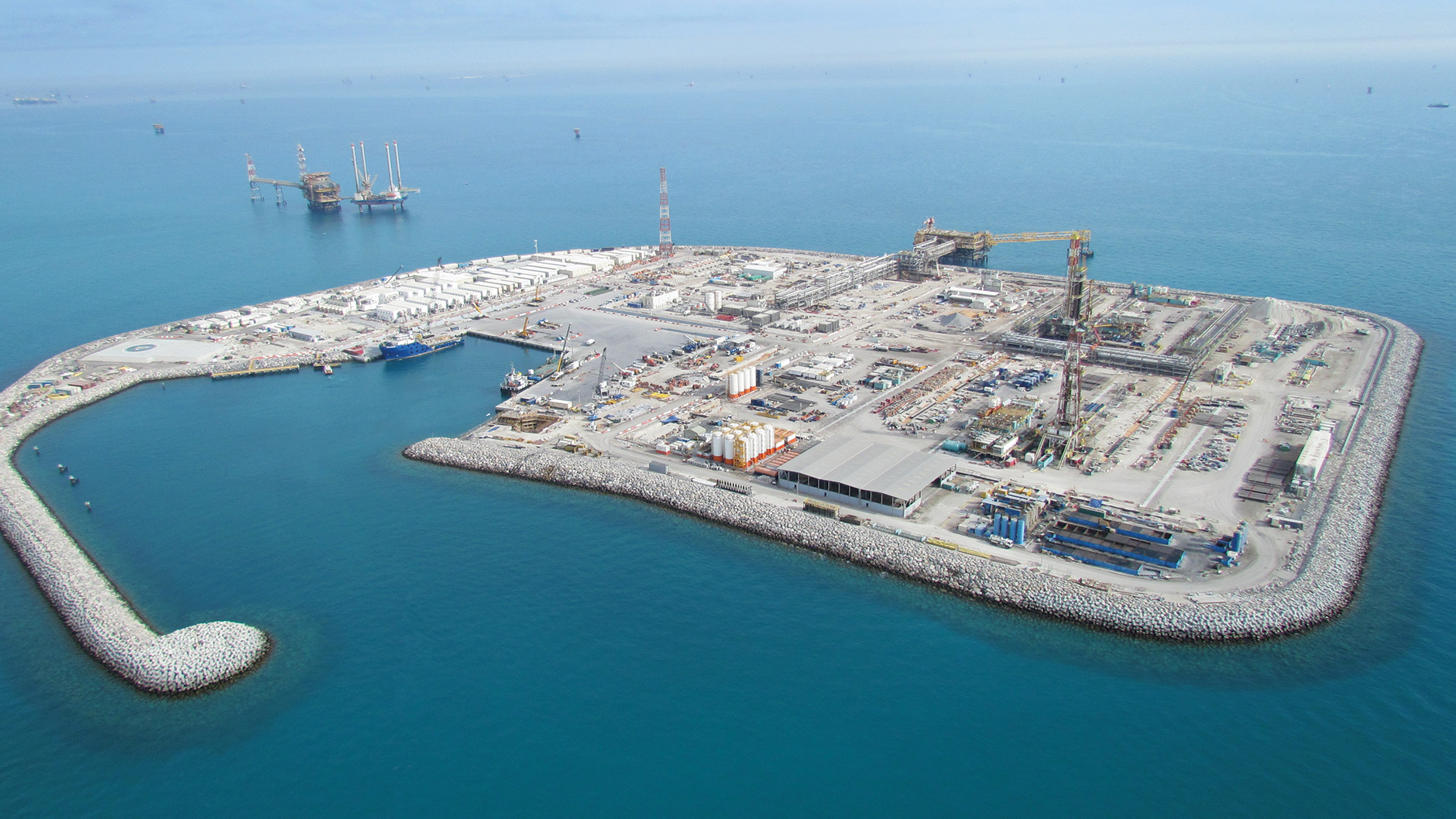
4. Artificial Islands and Causeway-Linked Platforms
Artificial islands and causeway-linked offshore facilities are a distinctive feature of some parts of the Persian Gulf, especially in the United Arab Emirates and Qatar. These solutions can reduce some operational and logistical risks compared with fully offshore installations. One of the best-known examples is the Upper Zakum field in the UAE.
5. Jack-Up Drilling Rigs
Jack-up drilling rigs are mobile offshore units widely used for drilling and well intervention in the Gulf’s shallow waters. The Persian Gulf has one of the largest concentrations of jack-up rigs in the world. These rigs are used by companies such as ADNOC Drilling, Saudi Aramco, NIOC, KOC, and several international drilling contractors.
Major Offshore Fields and Platform Systems by Country
Iran: Offshore Platforms in the Northern Persian Gulf
Iran’s most important offshore development is the South Pars gas field, which is the Iranian section of the world’s largest gas reservoir. The field has been developed in multiple phases, and each phase typically includes one or two wellhead platforms connected by subsea pipelines to onshore processing facilities. South Pars contains a large number of production and wellhead platforms and remains the backbone of Iran’s offshore gas sector.
Other important Iranian offshore fields include Abuzar, Foroozan, Dorood, Soroush, Nowruz, and Arash (Dorra). Because of the Gulf’s shallow water conditions, Iran relies mainly on fixed jacket platforms for offshore development.
Qatar: North Field Offshore Platforms
Qatar’s offshore energy system is centred on the North Field, also known as North Dome, the world’s largest non-associated gas field. The field includes a large network of wellhead platforms, central processing platforms, and subsea connections to onshore LNG plants. Unlike some neighbouring producers, Qatar’s offshore system is primarily designed for gas production and export at very large scale rather than crude oil production.
Saudi Arabia: The World’s Largest Offshore Oil Field
Saudi Arabia hosts Safaniya, the largest offshore oil field in the world. Its offshore infrastructure includes many fixed platforms, major processing hubs, and integrated pipeline export systems. Other important Saudi offshore fields include Marjan, Manifa, Zuluf, and Abu Safah. Saudi Arabia uses a combination of fixed platforms, subsea pipelines, and artificial islands in some developments.
United Arab Emirates: Advanced Offshore Platform Networks
The United Arab Emirates operates some of the most advanced offshore systems in the region. The Zakum field, including Upper and Lower Zakum, is one of the world’s largest offshore oil developments. Its infrastructure includes artificial islands, extended-reach drilling systems, and centralized processing platforms. Other offshore fields include Umm Shaif, Satah, and Nasr. The UAE is widely regarded as a regional leader in offshore digitalization and advanced field management.
Kuwait: Smaller but Strategic Offshore Infrastructure
Kuwait’s offshore infrastructure is smaller than that of several of its neighbours, but it remains strategically important. Key offshore fields include Khafji in the Neutral Zone and Hout. Although Kuwait’s offshore sector is less extensive, it still plays a meaningful role in national energy production and regional energy security.
Bahrain: Offshore Gas and Oil Installations
Bahrain has a more limited offshore system compared with other Gulf states. Its offshore assets include participation in the Abu Safah field, which it shares with Saudi Arabia, as well as offshore gas platforms that help support domestic energy demand. Bahrain’s offshore focus is more strongly linked to gas supply than to large-scale offshore oil production.

Shared and Disputed Offshore Fields
Some offshore reservoirs in the Persian Gulf cross national boundaries or are politically sensitive. One important example is the Abu Safah field, shared by Saudi Arabia and Bahrain. Other offshore areas in the region have also involved overlapping claims or contested development plans. These situations require careful political coordination, legal agreements, and technical cooperation in order to manage production and platform deployment.
Environmental and Navigational Implications
The very high concentration of offshore platforms in the Persian Gulf has major environmental and navigational consequences. Offshore installations can create artificial reef effects, alter marine habitats, and interact with fisheries and marine mammals. At the same time, they create restricted navigation zones and increase the risk of ship collisions, oil spills, and other offshore accidents.
Because of this dense offshore activity, the Persian Gulf has some of the most demanding offshore safety, marine traffic control, and environmental protection requirements in the world. Safe operation depends on strong coordination between offshore operators, maritime authorities, port systems, and vessel traffic services.
Conclusion: The Strategic Importance of Persian Gulf Offshore Platforms
Offshore infrastructure in the Persian Gulf is critical not only for the region but also for the global energy system. It supports a major share of world oil and LNG supply, underpins national economies, influences maritime security, and affects global energy prices.
No other sea combines such shallow waters, such large hydrocarbon reserves, and such a dense concentration of offshore facilities. The Persian Gulf is therefore far more than an oil-producing region. It is the world’s most intensely engineered offshore energy landscape. From Iran’s South Pars platforms to Saudi Arabia’s giant offshore oil fields and the UAE’s artificial island systems, offshore rigs and platforms shape the Gulf’s economic, environmental, and geopolitical reality. For anyone studying offshore engineering, maritime energy, or regional geopolitics, understanding this infrastructure is essential.