
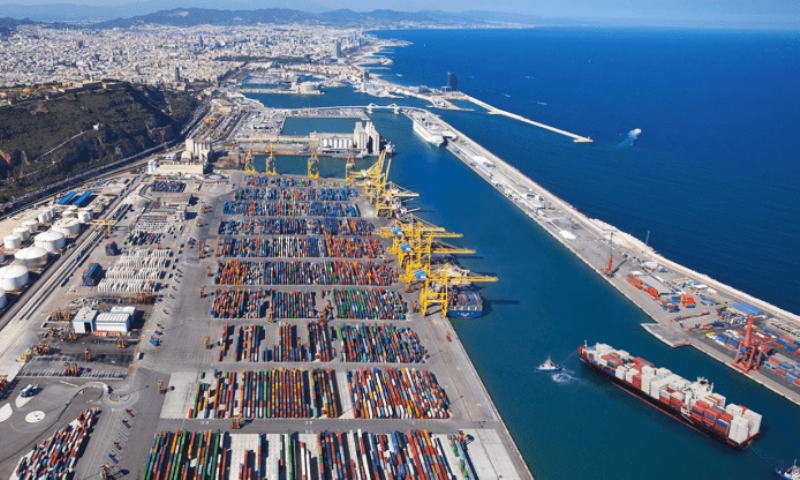
Catalonia greenlights transformative Port Master Plan, shifting freight from road to rail and creating new green spaces.
In a landmark decision for Catalonia’s infrastructure and environmental future, the regional government has officially approved the Urban Master Plan for the Port of Barcelona’s Intermodal Logistics Terminal. This long-awaited approval paves the way for the construction of a major new southern railway node, a project set to redefine freight movement in the region.
The approval, granted by the Territorial Commission, concludes an extensive four-year process of planning, public consultation, and rigorous environmental review. It marks the starting gun for a construction phase that port authorities deem “essential for the port’s growth and competitiveness.”
A Strategic Shift: From Road to Rail
At its core, the masterplan is a sustainability and efficiency drive. The new intermodal terminal is designed to transfer large volumes of freight containers directly from ships onto rail networks, bypassing the region’s congested roads.
“This is more than an infrastructure project; it’s a strategic pivot for our logistics chain,” the plan’s approval announcement stated. “By creating a powerful and efficient rail connection in the port’s southern zone, we can significantly reduce the number of heavy goods vehicles on roads leading to and from Barcelona.”
Key Benefits: Emissions, Investment, and Green Space
The projected impacts of the plan are substantial:
-
Environmental Gains: A drastic reduction in truck traffic is expected to cut CO2 emissions and air pollution considerably, contributing to Catalonia’s climate goals and improving local air quality.
-
Economic Engine: The project is poised to unlock over €265 million in private investment, boosting the port’s capacity and attracting new business. It secures the port’s role as a leading Mediterranean gateway.
-
Public Realm Enhancement: In a significant win for the community, the plan includes the creation of 24 hectares of new public green areas. This integration of logistics and urban greenery aims to improve the port-city relationship and provide recreational space for residents.
-
Reduced Congestion: By taking thousands of trucks off highways like the AP-7 and the B-10 ring road, the project promises smoother traffic flow for commuters and road-based transport.
The Path Forward
With the administrative hurdles now cleared, the focus shifts to construction. The new southern railway node will expand the port’s rail capacity, complementing its existing northern rail connections and creating a more robust and flexible network.
Port authorities highlight that this expansion is critical to handling future growth and meeting the increasing demand for sustainable logistics solutions from shipping companies and global exporters.
The Bottom Line:
The approval of Barcelona’s rail masterplan is a decisive step toward a more efficient, sustainable, and competitive port. It represents a major investment in Catalonia’s future, balancing economic ambition with environmental responsibility and public benefit. As construction begins, Barcelona is laying the tracks for a cleaner, less congested, and more connected future.