
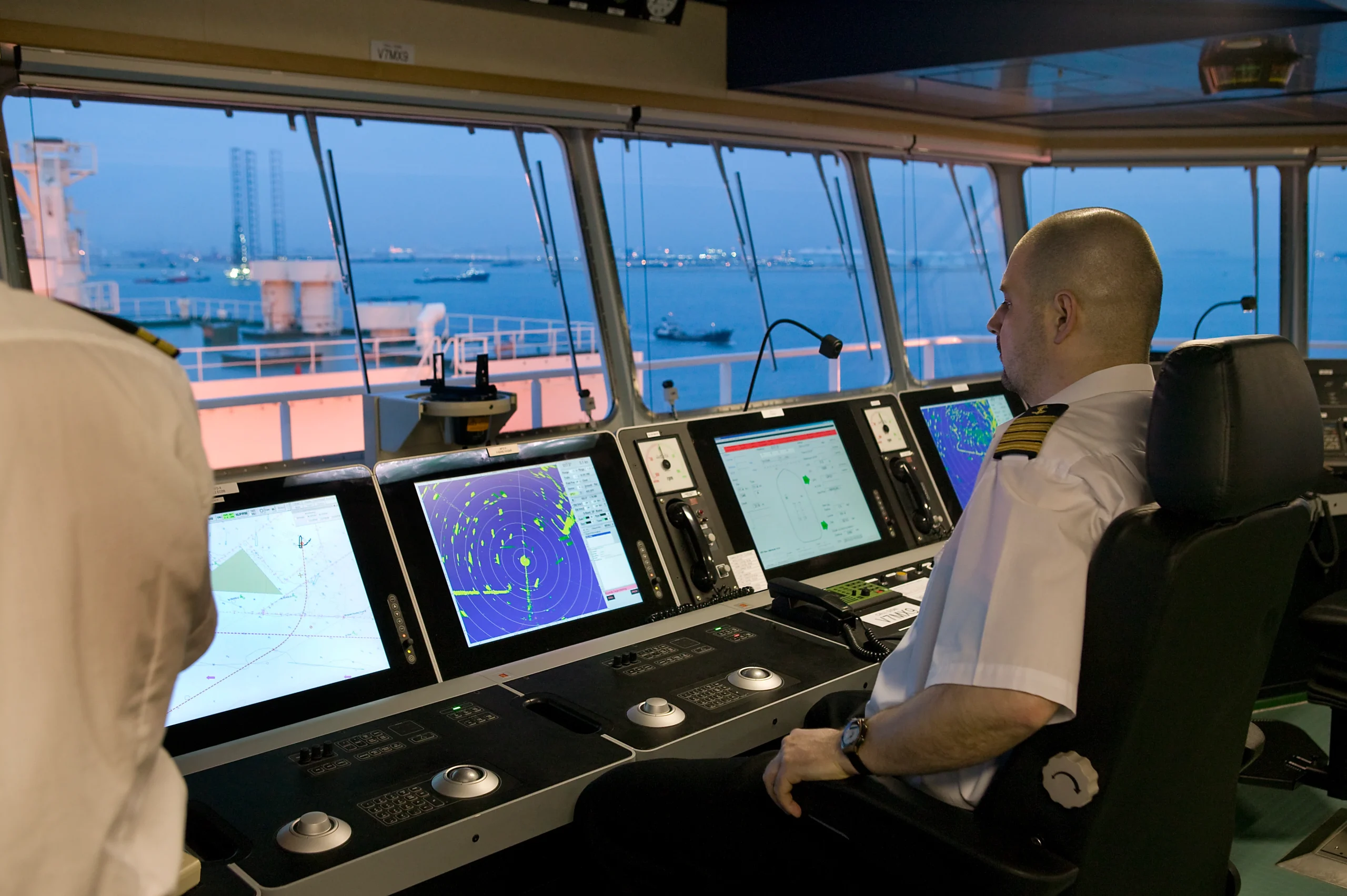
Avoid ARPA false alarms with practical filter tuning and target management tips. Learn real watchkeeping techniques to improve tracking accuracy, reduce alarm fatigue, and enhance collision avoidance safety.
At 03:45 in the morning, an officer of the watch monitors traffic during a coastal passage. The radar screen is crowded with echoes. Some are real vessels. Some are rain clutter. Some appear briefly and disappear. The ARPA alarm sounds again, then again, and again. After the tenth alarm in twenty minutes, it becomes background noise. This is the moment when risk begins.
False ARPA alarms are not simply an inconvenience. They are a safety threat. When bridge teams experience repeated nuisance alarms, the human brain adapts by ignoring them. This is called alarm fatigue. In maritime navigation, alarm fatigue can delay reaction to real collision risks.
Modern ships rely heavily on ARPA tracking to support safe watchkeeping. But ARPA is only as good as the radar picture and the operator’s target management discipline. This article explains how to avoid ARPA false alarms through proper radar filter tuning, intelligent target selection, and professional watchkeeping habits. The goal is simple: fewer nuisance alarms, stronger situational awareness, and safer navigation.
Why This Topic Matters for Maritime Operations
False ARPA alarms increase bridge workload, reduce trust in safety systems, and can lead to slower reaction times during genuine collision threats. Accident investigations repeatedly show that equipment was working correctly, but operators were overwhelmed by excessive alerts or unstable tracking. Reducing false alarms improves both technical safety and human performance on the bridge.
Understanding Why ARPA False Alarms Occur
Radar Detection Quality Drives ARPA Stability
ARPA does not create targets. It tracks radar echoes. If radar echoes are unstable, ARPA tracking becomes unstable. Most false alarms begin with poor radar echo consistency rather than ARPA system malfunction.
Radar echoes can fluctuate due to sea clutter, rain clutter, antenna shadow sectors, or poor tuning. When echoes fade in and out, ARPA repeatedly attempts to maintain tracking. Each tracking loss or reacquisition can generate alarms.
A useful analogy is facial recognition software. If the camera image is blurred or blocked, the software struggles to maintain recognition. Radar clutter creates the same type of noise for ARPA tracking.
Environmental Conditions That Increase False Alarm Risk
Certain environmental conditions are well known for causing unstable tracking. Heavy rain reduces echo clarity. Rough seas create strong clutter echoes. Coastal navigation creates complex radar reflections from land, structures, and navigation aids.
These conditions do not mean ARPA is unreliable. They mean the operator must actively tune radar and manage targets.
Human Factors and Alarm Fatigue
Alarm fatigue is a major risk factor. When alarms occur frequently without representing real danger, operators gradually react slower or ignore alarms entirely. In long watches, fatigue increases this risk further. This is why ARPA alarm management is both a technical skill and a human factors discipline.
Key Radar Filters and Their Impact on ARPA Tracking
Radar Gain: The Foundation of Stable Tracking
Gain controls radar receiver sensitivity. Excessive gain creates background noise that ARPA may interpret as potential targets. Insufficient gain causes weak targets to appear intermittently, triggering lost target alarms.
Professional practice involves increasing gain until light background noise appears, then reducing slightly until noise just disappears. This provides stable echo detection while preventing noise-based tracking.
At night or in restricted visibility, correct gain is even more important because visual cross-checking is limited.
Sea Clutter Control and Close-Range Target Stability
Sea clutter filtering reduces echoes caused by wave reflections. However, excessive filtering can remove weak but real targets such as small fishing vessels or pilot boats.
If sea clutter filtering is too strong, small targets may appear intermittently. ARPA may repeatedly acquire and lose them, triggering nuisance alarms. The correct approach is gradual tuning while observing known targets near the ship.
Rain Clutter Filtering and Long-Range Target Tracking
Rain clutter can create large echo areas. Strong filtering removes rain echoes but can also reduce target echo strength behind rain cells. This may cause ARPA to lose tracking.
Experienced watchkeepers often prefer moderate rain filtering combined with gain adjustment and range switching rather than extreme filtering.
Tracking Gate and Tracking Sensitivity Functions
Some ARPA systems allow adjustment of tracking sensitivity or tracking gate size. Larger tracking tolerance reduces nuisance lost-target alarms but increases risk of tracking incorrect targets in dense traffic. Smaller tolerance improves precision but increases tracking loss in clutter.
Correct adjustment depends on traffic density and weather conditions. There is no universal setting.
ARPA Target Management: The Critical Watchkeeping Skill
Balancing Manual and Automatic Target Acquisition
Automatic acquisition zones are useful but can generate excessive tracked targets near coastlines, offshore platforms, or fishing grounds. More targets increase alarm load and cognitive workload.
Experienced officers often restrict automatic acquisition zones to specific sectors and manually acquire targets that represent real collision risk.
The Risk-Based Target Tracking Philosophy
Tracking every radar echo is rarely effective. Professional watchkeeping focuses on targets that influence collision geometry. Tracking fewer targets more accurately is safer than tracking many targets poorly.
This approach reduces nuisance alarms and improves focus on real threats.
Target Swap Prevention in Dense Traffic
When two targets pass close together, ARPA may swap tracking between echoes. This can create sudden vector changes and incorrect CPA predictions.
Experienced officers monitor echo behaviour visually on radar and confirm ARPA vector consistency. If vector behaviour suddenly changes without radar echo movement change, target swap may have occurred.
Alarm Management Strategies
CPA and TCPA Alarm Optimisation
CPA and TCPA alarms should reflect navigation context. In open sea, larger CPA alarms are appropriate. In confined waters, smaller CPA alarms may be necessary to prevent constant nuisance alerts.
Company procedures usually define baseline limits, but professional judgement is required within approved limits.
Lost Target Alarm Interpretation
Lost target alarms do not always indicate immediate danger. In heavy clutter conditions, they may indicate unstable echo conditions. Officers should interpret lost target alarms together with radar picture evaluation.
Key Developments and Modern Bridge Systems
Integrated Bridge Systems and Alarm Integration
Modern bridges integrate radar, ARPA, AIS, and ECDIS. This improves situational awareness but can increase alarm volume. Integrated alarm management is becoming more important in modern bridge design.
Human Factors Research in Alarm Design
Modern research in maritime human factors emphasises alarm prioritisation and filtering. Future bridge systems may automatically classify alarms by risk level.
Challenges and Practical Solutions
Coastal navigation creates one of the most challenging environments. Radar detects land clutter, fishing vessels, and navigation aids simultaneously. ARPA may track multiple unstable echoes. The solution is not aggressive filtering. Instead, experienced watchkeepers reduce automatic acquisition zones and manually track only critical targets.
Heavy rain squalls create another challenge. Echo strength fluctuates rapidly. Skilled officers adjust gain carefully, use multiple ranges, and avoid extreme rain clutter suppression.
Fatigue is another challenge. During long watches, officers may silence alarms too quickly or overreact to nuisance alerts. Strong bridge procedures encourage continuous interpretation rather than alarm-driven reaction.
Case Studies and Real-World Applications
Accident investigations frequently highlight alarm overload situations. In some cases, bridge teams reduced alarm sensitivity after repeated nuisance alarms. Later, genuine collision targets generated late or unnoticed warnings.
Successful bridge teams demonstrate consistent radar tuning, selective ARPA acquisition, and continuous monitoring. These teams treat ARPA alarms as confirmation tools rather than primary detection systems.
Future Outlook and Maritime Trends
Future ARPA systems may include machine learning clutter recognition and adaptive alarm thresholds. Some research is exploring environmental condition-based alarm tuning.
However, human supervision will remain essential. Automation can support detection, but human judgement is required for safe decision-making.
Frequently Asked Questions
Why do ARPA lost target alarms increase in heavy rain?
Rain reduces radar echo clarity and creates unstable tracking, causing ARPA to temporarily lose targets.
Should automatic acquisition always be enabled?
Not always. In clutter or dense traffic, manual acquisition often provides better control.
Can ARPA false alarms be eliminated completely?
No. But proper radar tuning and target management can reduce them significantly.
Are ARPA alarms always reliable indicators of danger?
They indicate tracking changes but must be interpreted with radar picture analysis.
How often should ARPA settings be adjusted?
Continuously, based on weather, sea state, and traffic density.
Does alarm fatigue affect navigation safety?
Yes. Excessive nuisance alarms reduce response effectiveness to real threats.
Conclusion and Key Takeaways
Avoiding ARPA false alarms is not about disabling alarms or aggressively filtering radar signals. It is about understanding radar behaviour, managing tracked targets intelligently, and maintaining disciplined watchkeeping practices.
Professional navigators treat ARPA as a powerful decision-support system, not a replacement for radar interpretation. By combining proper radar tuning, selective target acquisition, and intelligent alarm management, bridge teams can reduce false alarms while maintaining strong collision avoidance capability.
Continuous training, practical bridge experience, and strong procedural discipline remain the most effective tools for managing ARPA alarms and improving navigation safety.
References
International Maritime Organization (IMO). STCW Convention and Code.
International Maritime Organization (IMO). Radar Performance Standards.
International Chamber of Shipping (ICS). Bridge Procedures Guide.
Marine Accident Investigation Branch (MAIB). Radar and collision investigation reports.
United States Coast Guard (USCG). Navigation Safety Advisory Publications.
International Association of Classification Societies (IACS). Bridge Equipment Safety Guidance.
DNV. Bridge Human Factors and Navigation Safety Publications.
Lloyd’s Register. Navigation Equipment Safety Research.
Bowditch, N. American Practical Navigator.
Marine Technology News. Radar and ARPA Technology Developments.
Maritime Reporter & Engineering News. Bridge Technology and Alarm Management Articles.