
For anyone in the maritime industry, the Persian Gulf is not just a name on a chart. It is a daily operational reality, a strategic factor in voyage planning, and a region that embodies both immense opportunity and complex challenge. But what is it, beyond a body of water colored in geopolitical headlines? This is not merely a geographical question but a multifaceted inquiry into a region that functions as the circulatory system of global energy trade, a historical cradle of seafaring, and a demanding testbed for modern maritime regulations. This comprehensive guide moves beyond simple coordinates to explore the Persian Gulf as a maritime entity: its physical and legal structure, its economic heartbeat, its navigational intricacies, and its evolving future. We will delve into why understanding this region is not optional but essential for ship operators, navigators, port authorities, and maritime policymakers worldwide.
Why Understanding the Persian Gulf is Critical for Global Maritime Operations
To comprehend global shipping, one must understand the Persian Gulf. Its significance is rooted in a stark convergence of geography and geology. This semi-enclosed sea holds the world’s most abundant concentrations of easily accessible hydrocarbons. Consequently, it has become the primary export terminal for global energy markets. The International Energy Agency (IEA) consistently highlights the region’s pivotal role, with its oil and gas exports representing a foundational pillar of the world economy. For maritime operations, this translates into a constant, high-density flow of vessel traffic. Very Large Crude Carriers (VLCCs), Ultra Large Crude Carriers (ULCCs), and Liquefied Natural Gas (LNG) carriers form the lifeblood of this traffic, moving through confined waters with profound implications for safety, security, and environmental protection.
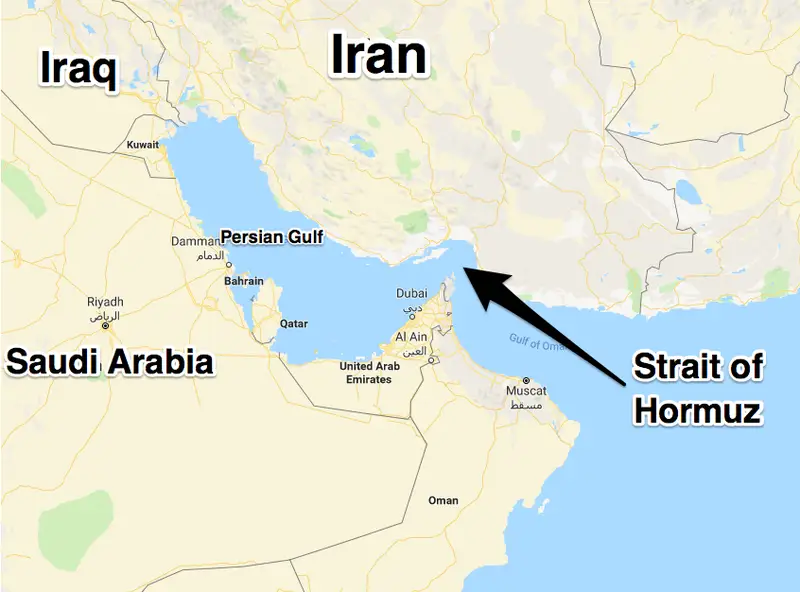
Furthermore, the Gulf is a classic example of a chokepoint—a narrow channel critical to global trade whose disruption can have immediate worldwide consequences. The Strait of Hormuz, its only natural outlet, sees the transit of an estimated 20-30% of the world’s seaborne traded oil. This concentration of risk makes the region a focal point for international maritime security frameworks and contingency planning. For a ship manager, a voyage through the Gulf is not just another leg; it is a operation requiring heightened diligence, from adherence to the latest Best Management Practices (BMP) to meticulous compliance with environmental regulations in a particularly sensitive sea area. In essence, the Persian Gulf is a magnifying glass: it intensifies and brings into sharp focus the core challenges and dynamics of 21st-century shipping.
Defining the Basin: Geography, Hydrology, and Legal Status
At its most fundamental, the Persian Gulf is a marginal sea of the Indian Ocean. It is a shallow, sedimentary basin located in Western Asia, flanked by the Arabian Peninsula to the southwest and Iran to the northeast. Its defining physical characteristic is its constrained nature. Stretching approximately 990 km in length and with an average width of 250 km, it culminates in the narrow Strait of Hormuz, a mere 33 km wide at its narrowest navigable point. The basin is remarkably shallow, with an average depth of just 50 meters and a maximum depth of around 90 meters. This bathymetry has direct maritime consequences: it limits the draft of ultra-deep vessels in certain areas, influences wave patterns, and affects the dispersion of pollutants.
From a legal and hydrographic perspective, the “Persian Gulf” is the internationally recognized name. Organizations like the International Hydrographic Organization (IHO) and the International Maritime Organization (IMO) use this designation in all official publications, charts, and nautical documents. The IHO’s defining publication *S-23, “Limits of Oceans and Seas,”* establishes its boundaries. The United Nations, in its directives on standardization, also affirms “Persian Gulf” as the correct term. For maritime professionals, using this standard terminology is crucial for clear, unambiguous communication and for correctly using official charts and publications.
The maritime boundaries and jurisdictional zones within the Gulf are complex, governed by the United Nations Convention on the Law of the Sea (UNCLOS). The eight littoral states—Iran, Iraq, Kuwait, Saudi Arabia, Bahrain, Qatar, the United Arab Emirates, and Oman—have declared their territorial seas, contiguous zones, and Exclusive Economic Zones (EEZs). These overlapping claims and, in some cases, unresolved delimitations, add a layer of legal complexity to navigation and resource exploitation. Disputes over islands and seabed resources are not uncommon, underscoring the importance of precise navigation and awareness of national regulations when operating in different zones.
The Economic Engine: Hydrocarbons, Trade Flows, and Port Infrastructure
The Persian Gulf’s identity is inextricably linked to energy. It sits atop approximately 48% of the world’s proven oil reserves and 38% of its natural gas reserves, according to OPEC and the U.S. Energy Information Administration (EIA). This geological reality has dictated its modern economic and maritime function. The logistics chain is awe-inspiring in scale. Vast onshore and offshore fields feed into a network of pipelines leading to gargantuan export terminals on the coast.
Key terminals like Ras Tanura (Saudi Arabia), Mina al-Ahmadi (Kuwait), and Ras Laffan (Qatar) are marvels of industrial engineering, capable of loading a VLCC in under 24 hours. The constant movement of these vessels creates one of the planet’s most concentrated shipping corridors. Beyond raw hydrocarbons, the region has developed massive downstream industries. Refineries and petrochemical complexes in Jubail (Saudi Arabia) and Bandar Imam (Iran) produce value-added products shipped worldwide on a diverse fleet of chemical tankers and product carriers.
Recognizing the strategic vulnerability of relying solely on the Strait of Hormuz, Gulf nations have invested heavily in alternative infrastructure. The Abu Dhabi Crude Oil Pipeline bypasses the Strait, delivering oil directly to the port of Fujairah on the Gulf of Oman. Similarly, the port of Duqm in Oman is being developed as a major strategic hub for storage, refining, and ship repair, located safely outside the chokepoint. Furthermore, regional ports have aggressively diversified. Jebel Ali Port (UAE), routinely ranked among the world’s top ten container ports by Lloyd’s List, has transformed Dubai into a global transshipment and logistics nexus. King Abdulaziz Port in Dammam and Hamad Port in Qatar similarly handle millions of TEUs annually, catering to growing consumer economies and re-export markets.
Navigational Realities and Regulatory Environment
Navigating the Persian Gulf is a high-stakes exercise in precision and procedure. The combination of dense traffic, extensive offshore oil and gas infrastructure, and politically sensitive waters demands unwavering professionalism.
The Strait of Hormuz is governed by a well-defined Traffic Separation Scheme (TSS) established by the IMO. Vessels must strictly adhere to inbound and outbound lanes, reporting their movements to the coastal authorities of Oman and Iran. The UAE’s Fujairah anchorage area, just outside the Strait, is one of the world’s busiest bunkering hubs, a floating city of hundreds of vessels that requires expert seamanship to navigate. Within the Gulf itself, major ports have established their own TSS and precautionary areas. The waters are littered with uncharted or poorly charted shallow patches, platforms, pipelines, and submarine cables, making updated Electronic Navigational Charts (ENCs) from authorized sources non-negotiable.
The regulatory environment is robust. Port State Control (PSC) inspections are frequent and thorough, conducted under the Riyadh Memorandum of Understanding on Port State Control. Authorities in the UAE, Qatar, Saudi Arabia, and others maintain high inspection rates, focusing on structural safety, machinery, life-saving appliances, and, increasingly, environmental compliance. The entire Gulf is designated a Special Area under MARPOL Annexes I (oil) and V (garbage), imposing stringent discharge prohibitions. The Regional Organization for the Protection of the Marine Environment (ROPME), comprising the littoral states, coordinates regional action plans to address pollution and ecosystem preservation. For ship crews, this means rigorous adherence to garbage management plans, oil record books, and ensuring the use of approved port reception facilities.
Persistent Challenges and Evolving Maritime Solutions
The Persian Gulf presents a unique constellation of challenges that the maritime industry continuously works to address.
Geopolitical and Security Tensions: The region’s strategic importance makes it a flashpoint. Maritime security incidents, including seizures of vessels and attacks on shipping, have occurred. In response, the industry relies on frameworks like the IMO’s Maritime Security Committee guidelines and the industry-developed Best Management Practices (BMP). These mandate specific reporting procedures to UK Maritime Trade Operations (UKMTO), risk assessments, and self-protection measures. Naval coalitions, such as the Combined Maritime Forces (CMF), patrol the area to promote security. For shipping companies, robust security protocols, comprehensive insurance, and situational awareness are vital components of operating here.
Environmental Vulnerability: The Gulf’s enclosed, shallow nature makes it exceptionally prone to environmental damage. Oil spills, whether from operational discharges, accidents, or wartime events, have long-lasting impacts. Ballast water exchange and treatment are critical to preventing the introduction of invasive species in this sensitive ecosystem. The extreme ambient temperatures (often exceeding 45°C/113°F in summer) pose significant challenges for both crew welfare and machinery efficiency, increasing the risk of heat stress and engine room fires. Solutions are multi-faceted, involving stricter enforcement of MARPOL, investment in greener port technologies, advances in hull and engine design for extreme climates by classification societies like DNV and ABS, and comprehensive crew training on environmental management and heat stress mitigation.
Congestion and Traffic Management: The sheer volume of shipping, from supertankers to dhows, creates a complex traffic picture. Near-misses and groundings are persistent risks. The solution lies in technology and training. The adoption of Automatic Identification Systems (AIS) and Vessel Traffic Services (VTS) is widespread in major ports. There is a growing push towards Just-In-Time (JIT) arrival, facilitated by digital data exchange between ships and ports, to reduce waiting times and anchorage congestion—a key initiative supported by the Global Industry Alliance (GIA) under the IMO. Enhanced training for officers in Bridge Resource Management (BRM) is essential for navigating these congested waters safely.
Case Study: The Transformation of Fujairah – From Bunkering Hub to Strategic Nexus
A compelling real-world illustration of the Gulf’s maritime dynamics is the rise of Fujairah, an emirate of the UAE located on the Gulf of Oman, outside the Strait of Hormuz. For decades, Fujairah’s primary role was as a massive bunkering anchorage, where vessels could fuel up before a long eastward journey or after transiting the Strait, avoiding the need to enter the congested inner Gulf. Its strategic location made it a vital logistical node.
However, recognizing the acute risk posed by the Hormuz chokepoint, Fujairah’s role has dramatically expanded. The construction of the Abu Dhabi Crude Oil Pipeline from Habshan to Fujairah provided a secure export route for Abu Dhabi’s oil, independent of the Strait. This led to the development of large crude oil storage terminals. Furthermore, Fujairah has built one of the Middle East’s largest refineries, processing crude for the global market. It has also become a major center for ship repair and dry-docking, with facilities capable of handling VLCCs.
This transformation showcases a strategic maritime response to a geographical constraint. Fujairah is no longer just a service stop; it is a critical piece of infrastructure for global energy security, embodying the region’s move towards risk mitigation, vertical integration, and logistical diversification. Its success is tracked and analyzed by maritime intelligence providers like Clarksons Research, highlighting how infrastructure investment can alter global trade flows.
Future Outlook: Digitalization, Decarbonization, and Diversification
The future of the Persian Gulf as a maritime space will be shaped by three dominant trends: digitalization, decarbonization, and economic diversification.
Digitalization and Smart Ports: Gulf ports are at the forefront of the 4th Industrial Revolution. Jebel Ali and Hamad Port are implementing AI-powered logistics platforms, blockchain for documentation, and automated container terminals. The goal is to create seamless, efficient “smart ports” that reduce turnaround times and optimize supply chains. This aligns with global initiatives promoted by UNCTAD and the International Association of Ports and Harbors (IAPH).
The Decarbonization Challenge: The global push towards net-zero emissions directly impacts the Gulf’s core export. Regional players like Saudi Aramco and the QatarEnergy are investing heavily in carbon capture and storage (CCS) and blue hydrogen production. For shipping, this means the Gulf will become a potential future source of alternative marine fuels like LNG, hydrogen, and ammonia. Ports are beginning to plan for bunkering infrastructure for these new fuels. The region’s abundant solar energy also positions it to produce green hydrogen in the long term. Classification societies like Lloyd’s Register and RINA are actively working with regional stakeholders on fuel transition pathways.
Economic Diversification and New Trade Routes: National visions like Saudi Vision 2030 aim to reduce economic dependence on oil. This fuels massive investments in tourism, manufacturing, and logistics. New maritime corridors are emerging, such as the India-Middle East-Europe Economic Corridor (IMEC), which would enhance the Gulf’s role as a global interconnectivity hub. Furthermore, the expansion of regional rail networks could create new multimodal logistics chains, connecting Gulf ports to the wider Middle East and beyond.
Frequently Asked Questions (FAQ)
Q1: What is the correct name for the body of water between Iran and the Arabian Peninsula in official maritime contexts?
A1: In all official international maritime contexts, including IMO documents, IHO charts (S-23), and SOLAS publications, the correct and standardized name is the Persian Gulf. This is the term required for clear and unambiguous nautical communication and documentation.
Q2: As a Chief Officer planning a ballast water exchange before entering the Gulf, what must I consider?
A2: The Persian Gulf is a region with specific environmental sensitivities. You must consult your vessel’s Ballast Water Management Plan and comply with MARPOL and any regional ROPME guidelines. Due to the shallow coasts and sensitive ecosystems, exchange is typically done in deeper waters outside the Gulf, often south of the Strait of Hormuz, following the D-1 (exchange) standard or using your approved treatment system (D-2 standard). Always record actions accurately in the Ballast Water Record Book.
Q3: What are the key resources for assessing maritime security risk in the Persian Gulf region?
A3: Key resources include advisories from UK Maritime Trade Operations (UKMTO), alerts from the U.S. Maritime Administration (MARAD), and the latest industry Best Management Practices (BMP). Your company’s security department and reputable maritime security intelligence providers will also offer specific, timely risk assessments and guidance.
Q4: How does the extreme heat in the Gulf impact vessel operations and crew safety?
A4: Extreme heat (regularly >40°C) reduces machinery efficiency, increases fuel consumption, and raises the risk of equipment failure, particularly in the engine room. For crew, it poses severe risks of heat stress, dehydration, and fatigue. Mitigation requires robust engine room ventilation and cooling systems, adjusted work/rest schedules, mandatory hydration protocols, and training as per the IMO’s guidelines on fatigue management.
Q5: Are there specific PSC inspection regimes for the Gulf region?
A5: Yes, the Riyadh MoU on Port State Control covers the region, including most Gulf states. Port State Control Officers (PSCOs) in ports like Jebel Ali, Dammam, and Hamad conduct inspections based on this MoU. Focus areas often include structural safety, firefighting systems, life-saving appliances, and compliance with Special Area environmental regulations.
Q6: What future marine fuels is the Persian Gulf region likely to produce?
A6: Given its vast natural gas reserves, the region is already a global leader in LNG production and is investing in blue ammonia and blue hydrogen (produced from natural gas with carbon capture). In the longer term, with its high solar irradiance, it has significant potential to become a major producer of green hydrogen and green ammonia for international shipping markets.
Q7: Why is the port of Duqm in Oman considered strategically important for the future?
A7: Duqm is located on the Arabian Sea, outside the Strait of Hormuz. It is being developed as a massive integrated industrial and logistics hub, featuring a refinery, storage tanks, dry docks capable of servicing VLCCs, and a container terminal. Its location offers a secure alternative for energy-related and general cargo operations, insulating trade from potential disruption in the inner Gulf.
Conclusion
The Persian Gulf, therefore, is far more than a simple geographical feature. It is a complex, living maritime system. It is the world’s most critical energy export corridor, a region of intense navigational activity governed by a web of international and local regulations, and an ecosystem facing acute environmental pressure. Its future is tied to global trends in digitalization and decarbonization, with its ports and nations actively pivoting to maintain their central role in world trade.
For the maritime professional, a deep understanding of the Persian Gulf is not academic—it is operational. It informs voyage planning, risk assessment, commercial decision-making, and technical preparation. From the deck officer navigating the Traffic Separation Scheme in the Strait of Hormuz to the superintendent ensuring a vessel’s compliance with Special Area regulations, knowledge of this region is a vital component of modern seafaring and ship management expertise. As the industry evolves, so too will the Gulf, remaining an indispensable and demanding theatre of maritime operations for decades to come.
References
-
International Maritime Organization (IMO). (2023). International Convention for the Safety of Life at Sea (SOLAS). https://www.imo.org
-
International Hydrographic Organization (IHO). (1953). *Limits of Oceans and Seas (Special Publication S-23), 3rd Edition*.
-
United Nations Conference on Trade and Development (UNCTAD). (2023). Review of Maritime Transport 2023. https://unctad.org/rmt
-
U.S. Energy Information Administration (EIA). (2024). World Oil Transit Chokepoints: Strait of Hormuz. https://www.eia.gov
-
BIMCO, International Chamber of Shipping (ICS), et al. (2023). Best Management Practices for Maritime Security in the Red Sea, Gulf of Aden, Indian Ocean and Arabian Sea. https://www.maritimeglobalsecurity.org
-
Regional Organization for the Protection of the Marine Environment (ROPME). Kuwait Convention Regional Action Plan. http://www.ropme.org
-
Lloyd’s List Intelligence. (2024). World Port Rankings and Performance Data. https://lloydslist.maritimeintelligence.informa.com
-
DNV. (2023). *Maritime Forecast to 2050 – Energy Transition Outlook*. https://www.dnv.com
-
International Association of Ports and Harbors (IAPH). (2023). IAPH Port Call Optimization Project. https://iaphworldports.org
-
Clarksons Research. (2024). World Fleet Register and Port Intelligence. https://www.clarksons.com