
Explore the top 12 Persian Gulf local food recipes, their coastal origins, maritime heritage, and cultural links to seafaring communities.
The Persian Gulf has always been more than a strategic maritime corridor. For thousands of years, it has been a living pantry for coastal communities, sailors, pearl divers, fishermen, and traders who navigated its warm, shallow waters. The local cuisines that developed along its shores are inseparable from the rhythms of the sea: the availability of fish, dates, spices arriving by dhow, and preservation methods shaped by long voyages and extreme climates.
This article explores the top 12 Persian Gulf local food recipes, not as isolated dishes, but as cultural artefacts rooted in maritime life. From Iranian and Arab coastal kitchens to island communities and historic ports, these recipes reflect how seafaring, trade winds, and ocean ecology influenced everyday food. For maritime professionals, students, and globally curious readers, understanding local food culture provides a deeper appreciation of port cities, coastal resilience, and human adaptation to marine environments.
–
The Maritime Roots of Persian Gulf Cuisine
Geography, Climate, and the Sea
The Persian Gulf’s shallow depth, high salinity, and warm temperatures limit certain marine species while favouring others, particularly small pelagic fish, shrimp, and reef-associated species. Historically, this encouraged methods such as drying, salting, slow stewing, and spice-heavy cooking to preserve flavour and nutrition in harsh conditions. Dates, wheat, and rice arrived through maritime trade from Mesopotamia, India, and East Africa, creating a fusion cuisine anchored by the sea.
Trade Routes and Culinary Exchange
For centuries, dhows connected ports such as Bushehr, Bandar Abbas, Basra, Doha, Manama, Muscat, and Dubai with India, East Africa, and Southeast Asia. Spices like turmeric, black lime (loomi), cinnamon, and cardamom entered local kitchens via these maritime corridors, much as they entered ship manifests. This exchange mirrors broader patterns studied in maritime history and trade analysis, often documented by organisations such as UNCTAD and the International Chamber of Shipping.
–
The Top 12 Persian Gulf Local Food Recipes
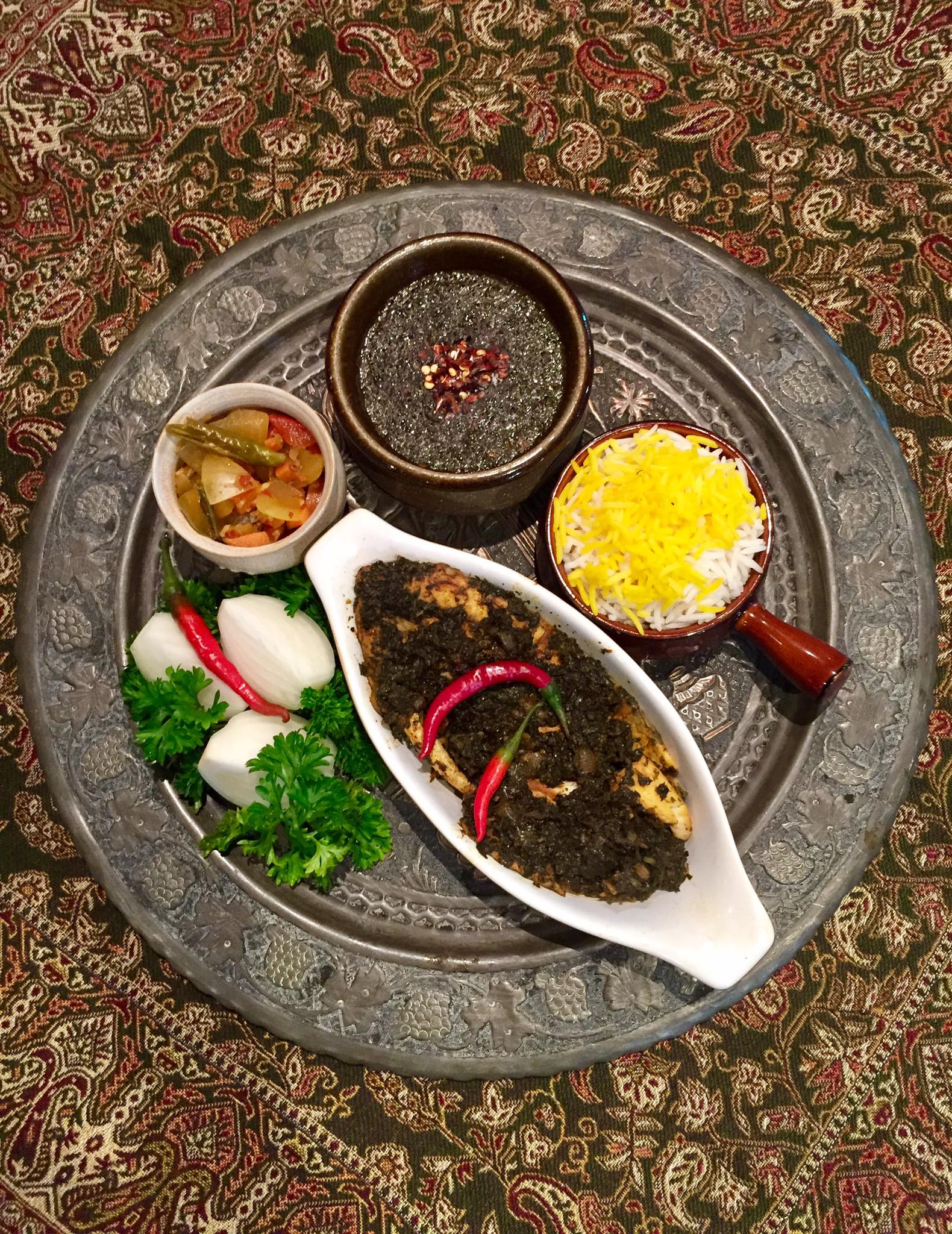
1. Ghalieh Mahi (Iran)
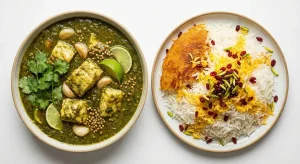
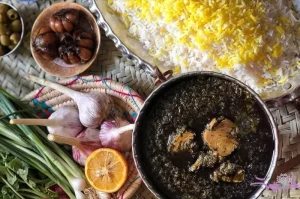
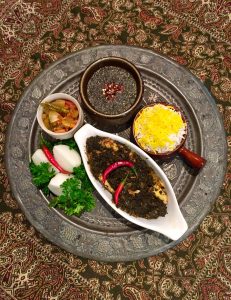
Ghalieh Mahi is one of the most iconic coastal dishes of southern Iran, particularly in Bushehr and Khuzestan. It is a rich fish stew made with tamarind, fresh herbs, garlic, and fenugreek. The dish balances sourness and bitterness, echoing the brackish waters of the Gulf itself.
Traditionally prepared by fishermen’s families, Ghalieh Mahi uses locally caught fish such as grouper or kingfish. Its slow simmering method allowed meals to be prepared while nets were mended or boats repaired. Today, it remains a staple in coastal homes and port cities.
2. Machboos Samak (Arab States)
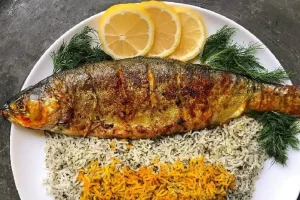
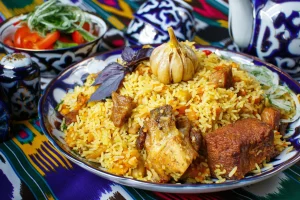
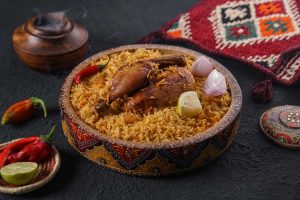
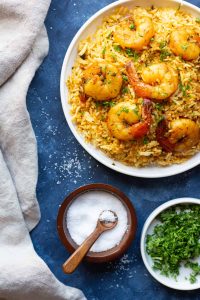
Machboos Samak is a spiced rice and fish dish common in Kuwait, Bahrain, Qatar, and the UAE. The fish is often fried or baked separately, then served atop rice flavoured with loomi, saffron, and onions.
This dish reflects maritime logistics before refrigeration. Rice, easily stored aboard ships, combined with dried spices and fresh catch from the day’s fishing. Machboos remains popular among port workers and offshore crews due to its balance of carbohydrates and protein.
3. Qouzi with Fish (Iraq – Southern Gulf)
While Qouzi is often associated with lamb, coastal Iraqi communities near Basra adapted the dish using fish. Rice is cooked with nuts, raisins, and mild spices, while fish provides a lighter alternative suitable for the humid Gulf climate.
Basra’s long history as a river-sea interface port influenced this adaptation, blending inland Mesopotamian cooking with marine resources from the Gulf.
4. Muhammar (Khuzestan, Iran)
Muhammar is a sweet rice dish cooked with dates or date syrup, often served with fried fish. The sweetness contrasts with the salty marine flavours, creating a balanced meal well suited to labour-intensive coastal work.
Dates were historically essential provisions on long sea voyages, valued for their energy density and shelf life. Muhammar reflects this nutritional logic, still evident in maritime catering today.
5. Samak Mashwi (Grilled Persian Gulf Fish)
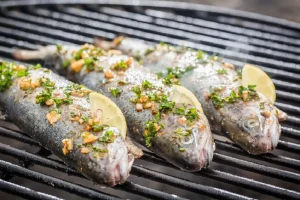
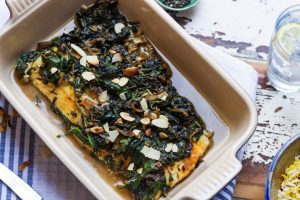
Across the Persian Gulf, simple grilled fish remains a cornerstone of coastal cuisine. Known variously as Samak Mashwi or Samak Mashouy, the dish relies on fresh fish, salt, and open fire.
This minimalist preparation mirrors life at sea, where complex cooking was impractical. It also highlights sustainable fishing practices when small, locally abundant species are used, a topic increasingly discussed by maritime environmental bodies and regional fisheries authorities.
6. Shrimp Salona (Persian Gulf Region)
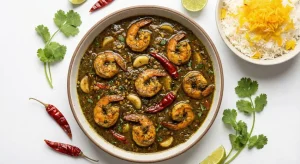
Shrimp Salona is a tomato-based stew popular in Saudi Arabia, Bahrain, and Qatar. Shrimp, abundant in the shallow Gulf waters, are simmered with vegetables and spices until tender.
Shrimp fisheries have long supported coastal economies, though modern overfishing and environmental pressures are now monitored by regional marine research institutions. The dish remains a reminder of the Gulf’s biological productivity.
7. Hameesat Samak (Saudi Eastern Province)
Hameesat Samak is a lightly spiced fish sauté, often cooked quickly to preserve freshness. It is commonly eaten with flatbread, making it practical for fishermen and dockworkers.
Quick-cooking methods like this reflect operational realities at ports, where meals had to fit around tides, loading schedules, and vessel departures.
8. Madrouba (Persian Gulf Coastal Communities)
Madrouba is a porridge-like dish made from rice and fish, slow-cooked until creamy. While versions with chicken exist, coastal Madrouba uses fish stock for depth of flavour.
The dish’s soft texture made it suitable for elderly sailors and during recovery from long voyages, reflecting a social understanding of nutrition long before modern dietary science.
9. Saloona Hamra (Fish Version)
Saloona Hamra is a red stew prepared with tomatoes, spices, and fish. It is common in both Iranian Arab communities and across the Gulf states.
This dish illustrates culinary convergence across political boundaries, shaped more by shared marine ecology than by modern borders.
10. Fish Harees (Coastal Arabia)
Harees is traditionally associated with wheat and meat, but coastal versions substitute fish. The dish requires long, slow cooking, often prepared communally.
Communal cooking aligns with maritime social structures, where crews relied on shared labour and collective provisioning, concepts still central to shipboard life.
11. Fish Thareed (Persian Gulf Region)
Thareed combines flatbread soaked in fish stew, creating a filling and economical meal. Bread, easy to store on ships, paired naturally with daily catches.
This dish underscores how maritime food culture prioritised practicality without sacrificing flavour.
12. Dango with Fish Broth (Southern Iran)
Dango is a grain-based dish cooked with fish broth and spices, less known internationally but deeply rooted in Iranian coastal villages.
It exemplifies how nothing was wasted in maritime communities, where fish bones and trimmings were transformed into nourishing meals.
–
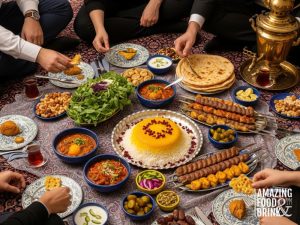
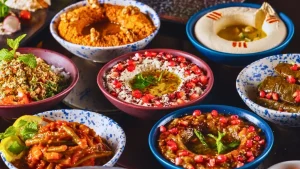
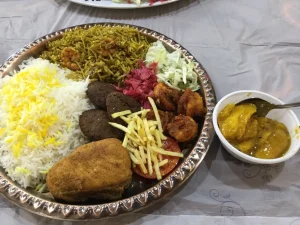
Cultural and Operational Challenges
Modernisation, imported foods, and offshore lifestyles have reduced everyday preparation of traditional dishes. For maritime operations, this cultural erosion matters. Crews working long rotations offshore or aboard vessels often rely on standardised catering that lacks regional relevance. Integrating local food traditions into maritime hospitality can improve crew morale and cultural continuity.
Ports such as Bushehr, Bandar Abbas, and Manama demonstrate how food culture reinforces maritime identity. Festivals, fish markets, and waterfront eateries create social spaces where maritime heritage remains visible. Similar to how maritime museums preserve technical history, local cuisine preserves lived experience.
–
Frequently Asked Questions (FAQ)
Is Persian Gulf cuisine the same across all countries?
No. While shared marine resources create similarities, each coastal region adapts recipes based on local culture, trade history, and available ingredients.
Why is fish so central to Persian Gulf food?
Historically, fishing and pearl diving were primary livelihoods, making fish the most reliable protein source.
Are these dishes still commonly eaten today?
Yes, especially in coastal cities, though modern lifestyles have reduced everyday preparation in urban areas.
Do these recipes reflect sustainable practices?
Many traditional recipes use small, local species and minimal processing, aligning with sustainable principles when properly managed.
Can these foods be adapted for shipboard catering?
Yes. Many dishes, especially rice and stew-based recipes, are suitable for large-scale preparation aboard vessels.
How does food connect to maritime heritage?
Cuisine reflects daily life, trade, and survival strategies of seafaring communities, offering insights beyond technical maritime history.
Conclusion
The top 12 Persian Gulf local food recipes tell a story shaped by the sea. They reflect centuries of maritime labour, trade, adaptation, and resilience. For maritime professionals and global readers alike, these dishes offer more than flavour. They provide cultural literacy, historical context, and a deeper understanding of life along one of the world’s most important maritime regions.
Exploring local cuisine is, in many ways, another way of navigating the Persian Gulf—this time through memory, culture, and shared human experience.
As environmental pressures on the Persian Gulf increase, sustainable fishing and food heritage preservation are gaining attention. Regional cooperation, supported by organisations such as UNCTAD and marine research institutes, increasingly recognises cultural heritage as part of sustainable coastal development. For maritime professionals, understanding local food systems supports better engagement with coastal communities, port stakeholders, and regional sustainability initiatives.
References
-
Encyclopaedia Britannica. (2024). Persian Gulf. https://www.britannica.com
-
United Nations Conference on Trade and Development (UNCTAD). (2023). Review of Maritime Transport. https://unctad.org
-
International Chamber of Shipping (ICS). (2023). Shipping and global trade. https://www.ics-shipping.org
-
Food and Agriculture Organization (FAO). (2022). Fisheries in the Near East. https://www.fao.org
-
National Iranian Cultural Heritage Organization. (2021). Traditional foods of southern Iran.
-
The Maritime Executive. (2023). Coastal communities and maritime heritage. https://www.maritime-executive.com
Wow, seems delicious foods in the Persian Gulf region!