
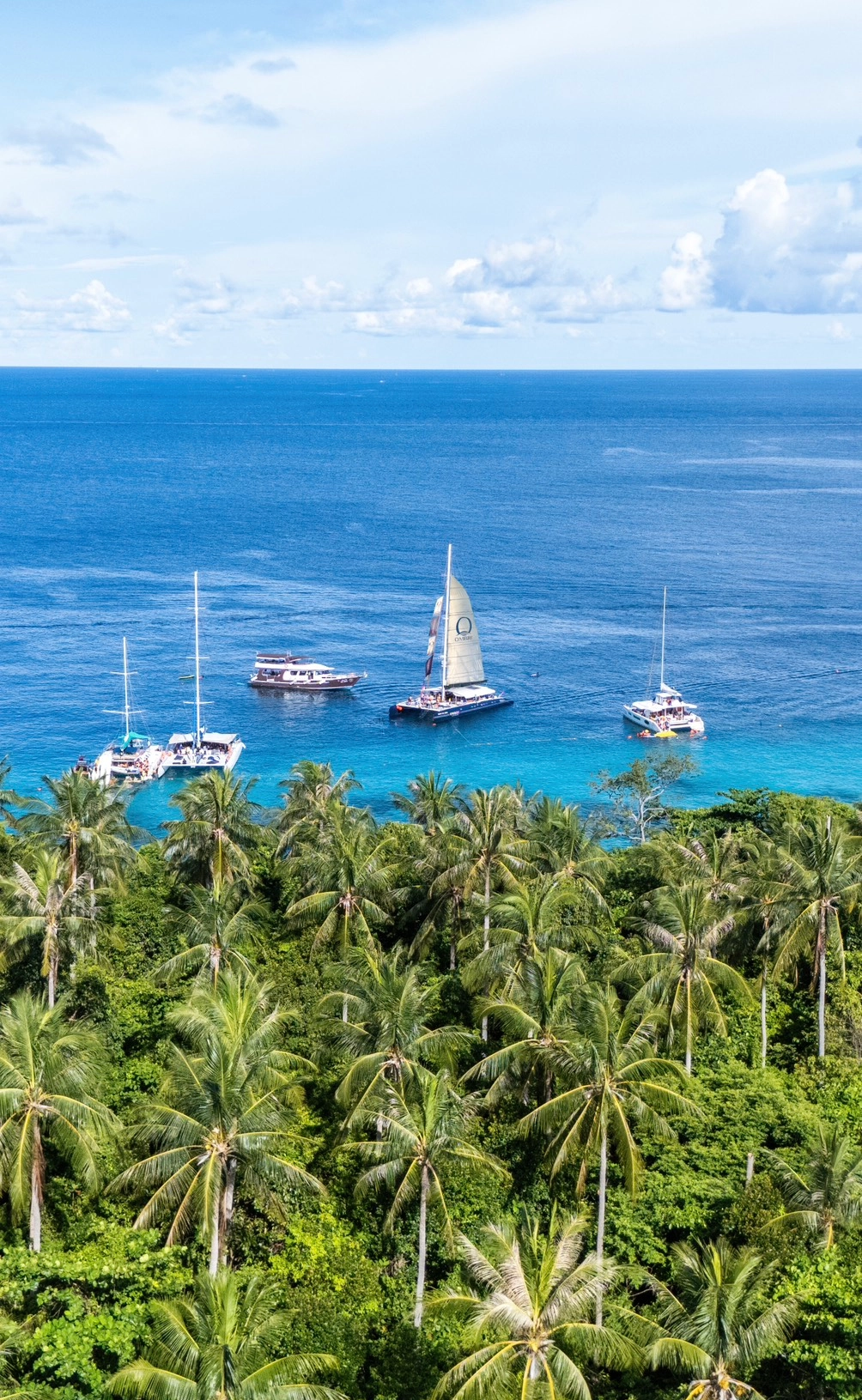

Explore how Tommy Bahama’s maritime triumph blends nautical heritage, safety culture, and luxury lifestyle—shaping modern seafaring identity.
Maritime history is usually told through the lenses of ship design, trade routes, naval power, or regulatory frameworks. Yet, alongside steel hulls and compliance codes, there exists a softer but increasingly influential narrative: the way maritime life is imagined, branded, and culturally experienced. The idea of “Tommy Bahama maritime triumph” sits squarely in this space. It is not about a single ship or a formal maritime program, but about how a globally recognised lifestyle brand rooted in island leisure has come to symbolise a modern, aspirational vision of life connected to the sea.
Tommy Bahama is best known for relaxed apparel, resort-inspired environments, and storytelling that evokes warm oceans, sailing horizons, and unhurried coastal living. Over time, this imagery has become deeply intertwined with yachting culture, cruise leisure, and the broader maritime tourism ecosystem. In this sense, the “maritime triumph” of Tommy Bahama lies in its ability to translate complex, demanding seafaring realities into a universally accessible narrative of freedom, comfort, and connection to the ocean.
For an educational maritime platform, this topic matters because culture influences operations. The way people perceive life at sea affects recruitment, safety behaviour, passenger expectations, and even policy discussions around sustainable maritime tourism. By examining the Tommy Bahama maritime triumph, we gain insight into how maritime identity is evolving beyond the engine room and the bridge, reaching passengers, coastal communities, and future generations of seafarers.
Why This Topic Matters for Maritime Operations
Modern maritime operations no longer exist in isolation from public perception. Cruise lines, yacht operators, port authorities, and even training institutions operate within a cultural environment shaped by lifestyle branding and media narratives. The relaxed, ocean-centric imagery associated with Tommy Bahama has contributed to shaping how non-maritime audiences imagine the sea: as a place of escape, balance, and refined simplicity rather than hardship and risk.
This perception directly influences operational realities. Passenger expectations on cruise ships and luxury yachts increasingly prioritise comfort, wellness, and experiential authenticity. Operators must therefore integrate robust safety management systems, as required by the International Safety Management Code under the International Maritime Organization, with service environments that feel effortless and serene. The challenge is to ensure that the calm surface presented to guests is underpinned by rigorous compliance, crew training, and emergency preparedness.
From a workforce perspective, lifestyle narratives also affect seafarer recruitment and retention. Younger generations exposed to idealised maritime imagery may be attracted to sea careers for the promise of travel and lifestyle, only to confront the demanding realities of watchkeeping, fatigue management, and regulatory compliance. Maritime educators and companies must bridge this gap by aligning aspirational narratives with transparent communication about professional responsibilities, as promoted by organisations such as the International Chamber of Shipping.
Finally, the economic dimension cannot be ignored. Lifestyle-driven maritime tourism contributes significantly to coastal economies, port revenues, and ancillary services. According to data from United Nations Conference on Trade and Development, maritime tourism and cruise-related activities are key growth areas for many developing and island states. Brands that successfully package the maritime experience, as Tommy Bahama has done culturally, indirectly shape demand patterns that ripple through shipping, port infrastructure, and maritime labour markets.
The Nautical DNA Behind the Tommy Bahama Narrative
Maritime Imagery as Cultural Translation
At the core of Tommy Bahama’s maritime triumph is its mastery of translation. Traditional seafaring is technical, regulated, and often physically demanding. The brand distils this complexity into universally appealing symbols: teak decks, white sails, tropical sunsets, and the gentle rhythm of the sea. These symbols resonate across cultures and languages, making them particularly powerful in a global maritime context.
This translation process mirrors what maritime regulators attempt in a different way. Instruments such as the Standards of Training, Certification and Watchkeeping (STCW) Convention aim to convert complex operational risks into standardised competencies and behaviours. While one operates in the realm of culture and the other in law, both seek clarity, accessibility, and consistency across borders.
Alignment with Yachting and Cruise Culture
The rise of luxury yachting and premium cruising has amplified the relevance of lifestyle branding in maritime sectors. Superyachts and high-end cruise vessels are not only transport platforms; they are floating hospitality environments. The relaxed sophistication associated with Tommy Bahama aligns naturally with this segment, influencing interior design trends, onboard retail concepts, and guest experience philosophies.
From an operational standpoint, this alignment places additional responsibility on ship operators. While guests experience seamless leisure, crews must comply with classification society rules from organisations such as Lloyd’s Register and DNV, ensuring that safety, stability, and environmental performance are never compromised by aesthetic choices.
Sustainability and the Ocean Ethos
In recent years, the maritime sector has faced increasing scrutiny over its environmental footprint. Lifestyle brands associated with the sea are now expected to demonstrate ocean stewardship, not merely aesthetic appreciation. The Tommy Bahama maritime narrative has gradually incorporated themes of sustainability, coastal preservation, and respect for marine ecosystems.
This mirrors broader industry shifts driven by the IMO’s greenhouse gas reduction strategy and reinforced by regional enforcement bodies such as the European Maritime Safety Agency. While branding alone cannot solve environmental challenges, it plays a role in shaping consumer expectations and political support for cleaner shipping practices.
Challenges and Practical Solutions in the Maritime Lifestyle Narrative
One of the principal challenges in lifestyle-driven maritime narratives is the risk of oversimplification. The sea is portrayed as benign and welcoming, potentially downplaying hazards such as severe weather, navigational risk, or human error. For maritime professionals, this can create tension between perception and reality.
A practical solution lies in layered storytelling. Operators and educators can retain aspirational imagery while subtly integrating messages about professionalism, training, and preparedness. Cruise safety videos, for example, increasingly blend relaxed tones with clear instructions, aligning with guidance from authorities such as the Maritime and Coastguard Agency.
Another challenge concerns crew wellbeing. Lifestyle branding focuses on passenger experience, but maritime triumph must also include the people who make that experience possible. Long contracts, fatigue, and isolation remain pressing issues. Industry bodies, supported by research published in journals such as Marine Policy, emphasise the need for mental health support and fair employment practices alongside service excellence.
Finally, there is the challenge of cultural homogenisation. Global lifestyle brands risk imposing a single aesthetic on diverse maritime cultures. A balanced approach recognises local seafaring traditions, port identities, and regional maritime histories, enriching rather than flattening the global maritime narrative.
Case Studies and Real-World Reflections
In the cruise sector, several operators have successfully integrated lifestyle branding with robust maritime governance. Premium cruise brands operating under flags of convenience still remain subject to Port State Control inspections coordinated through databases like Equasis and enforcement bodies such as the United States Coast Guard. The calm, resort-like atmosphere experienced by passengers is made possible by extensive drills, audits, and crew training conducted behind the scenes.
In yachting, the influence of relaxed maritime aesthetics is visible in deck layouts, crew uniforms, and guest interaction styles. Yet classification societies including Bureau Veritas and American Bureau of Shipping continue to enforce stringent standards for hull integrity, fire safety, and lifesaving appliances. The triumph here lies in harmonising regulatory rigor with experiential elegance.
Future Outlook and Maritime Trends
Looking ahead, the intersection between maritime operations and lifestyle branding is expected to deepen. Digitalisation, smart ships, and virtual experiences will allow brands to extend maritime narratives beyond the physical vessel, engaging audiences long before they step onboard. At the same time, decarbonisation pressures will require more honest conversations about the true cost of maritime leisure.
Educational platforms have a key role to play. By contextualising lifestyle narratives within frameworks set by the IMO, classification societies, and research institutions, they can help readers appreciate both the romance and the responsibility of life at sea. The future maritime triumph will belong to those who balance inspiration with integrity.
Frequently Asked Questions
Is Tommy Bahama a maritime company?
No. Tommy Bahama is a lifestyle brand, but its identity is strongly inspired by nautical and island themes closely associated with maritime culture.
Why discuss a lifestyle brand on a maritime education platform?
Because cultural narratives influence passenger expectations, crew recruitment, and public understanding of maritime life.
Does lifestyle branding affect maritime safety?
Indirectly, yes. It shapes perceptions, making it essential for operators to reinforce safety culture beneath relaxed environments.
How do regulators view cruise and yacht lifestyle trends?
Regulators focus on compliance and safety outcomes, regardless of branding or service style.
Is sustainability part of modern maritime lifestyle narratives?
Increasingly so. Ocean-inspired brands are expected to support environmental responsibility.
Can lifestyle branding help attract new seafarers?
It can attract interest, but must be matched with realistic education about maritime careers.
Conclusion
The concept of a Tommy Bahama maritime triumph illustrates how the sea continues to inspire far beyond charts and conventions. By translating maritime heritage into a globally accessible lifestyle narrative, the brand reflects broader shifts in how society engages with oceans and shipping. For maritime professionals, educators, and policymakers, the lesson is clear: culture matters. When aspiration, safety, and sustainability move together, the maritime sector can project not only efficiency and compliance, but also meaning and human connection.
References
International Maritime Organization. (2023). International Safety Management Code.
https://www.imo.org
International Chamber of Shipping. (2024). Shipping and Society.
https://www.ics-shipping.org
United Nations Conference on Trade and Development. (2023). Review of Maritime Transport.
https://unctad.org
European Maritime Safety Agency. (2024). Maritime Safety and Environmental Protection.
https://www.emsa.europa.eu
Marine Policy Journal. (Various years). Maritime culture, safety, and sustainability studies.