
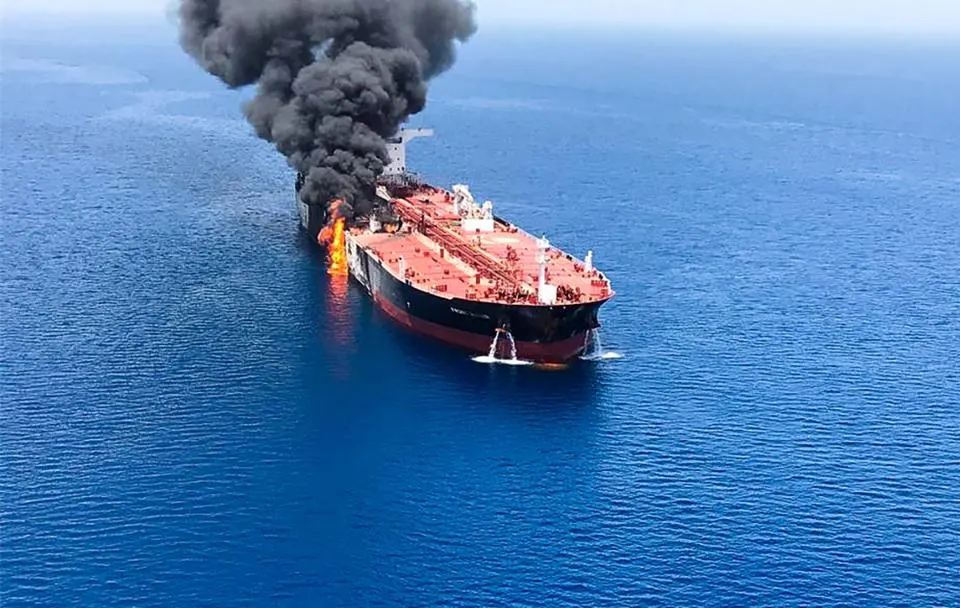
How do maritime security threats affect shipping in the Persian Gulf?
Explore the real-world impacts of piracy, state conflicts, and cyber risks in this data-driven and accessible guide for maritime professionals and students.
Risks, Operational Impacts, and Strategic Implications for Maritime Stakeholders
The Persian Gulf is one of the most strategically critical maritime regions in the world. Its importance stems from both geography and cargo concentration: the Strait of Hormuz remains a vital artery for global energy flows, handling a significant share of the world’s seaborne oil and liquefied natural gas (LNG) trade.
This concentration of high-value cargo, combined with narrow navigational corridors and a complex geopolitical environment, creates a uniquely sensitive operating space. Maritime security in the region is not an abstract concern—it directly affects voyage planning, insurance exposure, routing decisions, port operations, and crew welfare.
For shipowners, charterers, port authorities, insurers, and maritime professionals, understanding how security threats influence shipping in the Persian Gulf is essential for maintaining operational resilience and commercial viability.
Why Maritime Security in the Persian Gulf Matters
The Persian Gulf functions as a critical interface between energy production and global consumption. It connects major hydrocarbon-exporting states to international markets, making it indispensable for global supply chains.
Its vulnerability lies in three overlapping characteristics:
- Geographic constraint: narrow sea lanes limit maneuverability and increase exposure
- Cargo concentration: high volumes of oil, LNG, and refined products transit the same routes
- Political sensitivity: regional tensions can rapidly influence commercial navigation
Even localized disruptions can trigger global consequences, including fuel price volatility, supply chain delays, and shifts in shipping economics.
Main Categories of Maritime Security Threats
1. State-Linked Incidents and Vessel Interference
The Persian Gulf is a region where commercial shipping can become directly affected by geopolitical developments. Vessel detentions, boarding incidents, and operational interference have occurred during periods of heightened tension.
Such events have immediate operational consequences:
- Increased war-risk insurance premiums
- Heightened reporting requirements and monitoring
- Reduced chartering confidence in affected routes
- Adjustments in voyage planning and scheduling
Shipping companies often respond by implementing stricter risk management protocols, including enhanced communication with maritime security coordination centers and more conservative routing strategies.
2. Drone, Missile, and Asymmetric Threats
A growing concern in the region is the use of asymmetric attack methods, including unmanned aerial systems (drones), explosive-laden boats, and naval mines.
These threats are particularly challenging because they:
- Are difficult to detect using conventional shipboard systems
- Provide limited reaction time for crews
- Can occur outside traditional conflict scenarios
Even isolated incidents can disrupt traffic patterns, delay voyages, and trigger broader security alerts across the region.
3. Cybersecurity Risks to Ships and Ports
Modern shipping relies heavily on digital infrastructure, including navigation systems, engine automation, cargo management platforms, and port terminal operating systems.
This digitalization introduces new vulnerabilities:
- AIS spoofing affecting vessel positioning
- Ransomware attacks targeting port operations
- Unauthorized access to onboard control systems
- Data breaches compromising operational integrity
Cyber threats are particularly significant in high-throughput ports and energy terminals, where even short disruptions can have major economic consequences.
4. Armed Robbery and Opportunistic Boarding
While large-scale piracy is not dominant in the Persian Gulf, localized risks of armed robbery and suspicious boarding remain present, especially during periods of instability.
These incidents typically occur when vessels are:
- Anchored or drifting
- Operating at low speeds
- Located near high-risk coastal areas
Maintaining vigilance, implementing onboard security measures, and following best management practices remain essential.
5. Human Factors and Operational Vulnerabilities
Security risks are not limited to external threats. Human factors play a critical role in maritime security, particularly in complex environments such as the Persian Gulf.
Common vulnerabilities include:
- Inadequate crew training on regional security procedures
- Weak compliance with reporting and documentation requirements
- Misinterpretation of local regulations or security advisories
Effective security management requires integrating human performance, procedural discipline, and situational awareness into daily operations.
Real-World Operational Impacts
Increased Insurance and War-Risk Costs
Security volatility in the region directly affects marine insurance. War-risk premiums can rise sharply during periods of tension, increasing the cost of operating in the Gulf.
These costs influence:
- Freight rates
- Charter party negotiations
- Voyage feasibility assessments
Route Adjustments and Operational Constraints
Unlike open-ocean rerouting, avoiding the Persian Gulf entirely is often not feasible due to cargo origin and destination constraints. Instead, operators adopt mitigation strategies:
- Timing transits to reduce exposure
- Adjusting speed and routing within the region
- Utilizing alternative bunkering or staging ports where possible
Delays and Reduced Schedule Reliability
Heightened security conditions can lead to:
- Waiting times for clearance or convoy coordination
- Slower transit speeds
- Additional reporting and compliance procedures
These factors reduce schedule predictability and can impact downstream logistics chains.
Crew Safety and Welfare
Operating in a high-risk environment increases stress on seafarers. Extended vigilance, uncertainty, and exposure to potential threats can affect:
- Fatigue levels
- Mental health
- Decision-making under pressure
Crew welfare is therefore a critical component of maritime security management.
Current Mitigation Measures
Naval Coordination and Reporting Systems
International naval cooperation plays a key role in maintaining maritime security. Organizations such as Combined Maritime Forces and reporting centers like UK Maritime Trade Operations provide:
- Real-time security updates
- Transit advisories
- Incident reporting frameworks
These systems enhance situational awareness but do not eliminate operational risk.
ISPS Code Implementation
All vessels and ports in the region operate under the International Ship and Port Facility Security Code framework.
Key requirements include:
- Advance security notifications
- Verified crew and cargo documentation
- Port facility security procedures
Compliance ensures a standardized baseline for ship-port interface security.
Cyber Risk Management
Cybersecurity is increasingly integrated into Safety Management Systems in line with International Maritime Organization guidelines.
Best practices include:
- Access control and authentication systems
- Network segmentation
- Regular software updates and audits
- Crew awareness training
Future Outlook: Maritime Security in the Persian Gulf
The security landscape in the Persian Gulf is expected to evolve in complexity rather than diminish.
Key trends include:
Increasing Technological Integration
AI-based surveillance, predictive analytics, and smart port systems will enhance threat detection but also increase system complexity.
Expansion of Energy Transition Cargoes
New cargo types such as hydrogen and ammonia may introduce different risk profiles and security considerations.
Greater Cyber-Physical Convergence
Future threats may combine physical and digital elements, requiring integrated security strategies.
Regional Cooperation
Enhanced coordination among regional states may improve response capability, though effectiveness will depend on sustained cooperation.
Conclusion
Maritime security threats in the Persian Gulf are multifaceted and continuously evolving. They influence every aspect of shipping operations, from insurance and routing to crew welfare and port efficiency.
The region’s strategic importance ensures that it will remain a focal point of global maritime risk. For maritime professionals, the key is not avoidance, but preparedness—combining situational awareness, robust procedures, technological capability, and disciplined execution.
In this environment, successful operators are not those who eliminate risk, but those who manage it intelligently and consistently.
References
- U.S. Energy Information Administration – Strait of Hormuz Energy Flow Data
- UNCTAD – Review of Maritime Transport
- International Maritime Organization – Maritime Security and Cyber Risk Guidelines
- BIMCO – Maritime Security Advisories
- DNV – Maritime Cyber Risk Reports
- International Chamber of Commerce International Maritime Bureau – Piracy and Armed Robbery Reports
- Combined Maritime Forces – Maritime Security Operations
- UK Maritime Trade Operations – Security Reporting and Advisories