
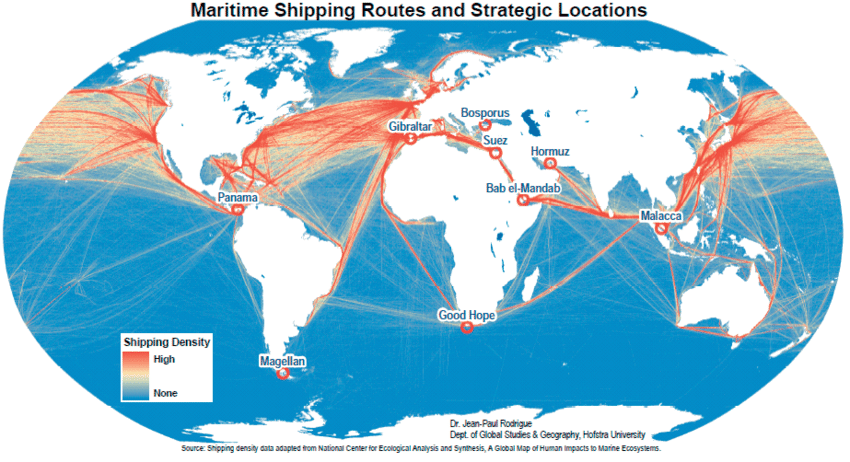
The world’s major sea routes, often referred to as the motorways of the sea, are vital arteries of global trade. These maritime highways connect continents, enable the movement of goods and resources, and underpin the global economy. From the bustling lanes of the Malacca Strait to the strategic waters of the Panama Canal, sea routes have been a cornerstone of human civilization, evolving with technological advancements and geopolitical shifts. In an era increasingly defined by sustainability and efficiency, these routes are adapting to meet the challenges of the future.
The Strategic Importance of Sea Routes
Maritime trade accounts for approximately 80% of global trade by volume and over 70% by value, according to the International Maritime Organization (IMO). This dominance underscores the essential role of sea routes in connecting producers and consumers across vast distances. Without these pathways, the intricate web of global supply chains would unravel, disrupting everything from the delivery of crude oil to the shipment of consumer electronics.
Sea routes are carefully mapped to minimize travel distance, optimize fuel efficiency, and avoid navigational hazards. These pathways are influenced by natural factors such as ocean currents and wind patterns, as well as man-made factors, including canals, ports, and shipping lanes. For instance, the Great Circle Route, the shortest path between two points on a sphere, often dictates the planning of transoceanic voyages.
Key Global Sea Routes
1- The Strait of Hormuz
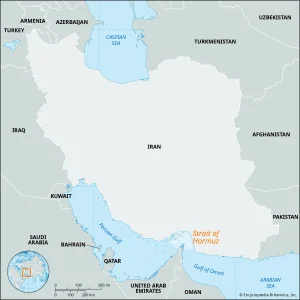
The Strait of Hormuz is the most important energy transit corridor in the world, linking the Persian Gulf with the Arabian Sea. Approximately 20% of globally traded oil passes through this narrow waterway each day, supplying major markets in Asia, Europe, and North America. Its strategic importance makes it highly sensitive to geopolitical tensions. Even minor disruptions can trigger sharp increases in oil prices and destabilize international energy markets.
On the Persian Gulf side, the main sea routes converge from major oil export terminals in Saudi Arabia, Iraq, Kuwait, Qatar, the UAE, and Iran, forming dense tanker traffic lanes heading eastward. On the Arabian Sea side, routes disperse toward the Indian Ocean’s major east–west energy corridors: northeast toward India and East Asia (China, Japan, South Korea), west toward the Red Sea and Suez Canal, and southwest toward East Africa.
2- The Malacca Strait
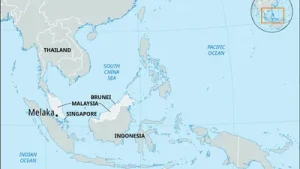
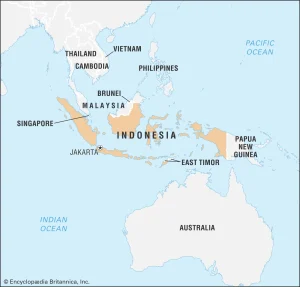
The Strait of Malacca, a narrow waterway between Indonesia, Malaysia, and Singapore, is one of the world’s most critical sea routes. It handles over 84,000 vessels annually, carrying approximately one-third of global trade. This route is particularly vital for the transportation of oil, with an estimated 16 million barrels of crude oil and petroleum products passing through daily, primarily to feed the energy demands of East Asia. However, the Malacca Strait is also a major chokepoint, vulnerable to congestion, piracy, and environmental hazards. To mitigate risks, neighboring countries have implemented joint patrols and surveillance systems, ensuring the smooth flow of maritime traffic.
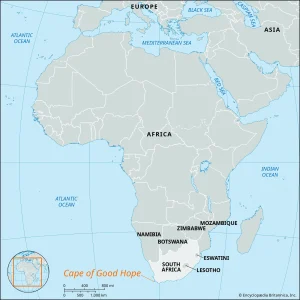
On the Indian Ocean side (Andaman Sea entrance), ships arrive mainly from the Middle East, South Asia, and Europe via the Suez Canal or Cape of Good Hope routes. On the South China Sea side, traffic splits toward major East Asian manufacturing and consumption hubs, especially southern China, Taiwan, Japan, South Korea, and onward to Pacific trade routes toward North America.
3- The Suez Canal
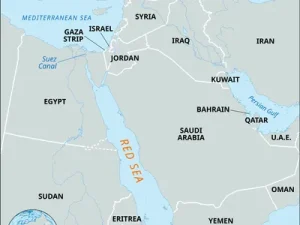
Connecting the Mediterranean Sea to the Red Sea, the Suez Canal is a man-made marvel that drastically reduces the travel distance between Europe and Asia by avoiding the need to circumnavigate Africa. In 2022, over 21,000 vessels traversed the canal, carrying goods worth $1.3 trillion. The canal’s importance was highlighted in March 2021 when the Ever Given, a massive container ship, became lodged across the waterway, halting global trade for six days. The incident underscored the fragility of chokepoints and prompted renewed discussions about diversifying trade routes.
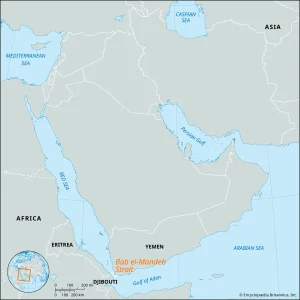
On the Mediterranean side, main routes connect to Southern and Northern European ports and transatlantic routes to North America. On the Red Sea side, traffic continues south through the Bab el-Mandeb toward the Indian Ocean, linking with Gulf oil export routes, East African trade routes, and shipping lanes to South and East Asia.
4- The Panama Canal
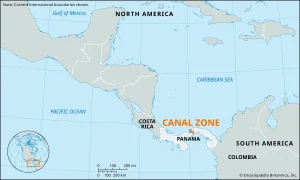
The Panama Canal, another engineering masterpiece, connects the Atlantic and Pacific Oceans, facilitating trade between the Americas and Asia. The canal accommodates over 14,000 ships annually, contributing significantly to the global economy. Its recent expansion to allow for Neo-Panamax vessels has enhanced its capacity, ensuring it remains competitive in a market increasingly dominated by larger ships. However, climate change poses a challenge to the canal’s operations. Reduced rainfall has lowered water levels in Gatun Lake, the canal’s primary water source, prompting concerns about its long-term sustainability.
On the Atlantic side, routes connect to the U.S. East Coast, Gulf of Mexico energy ports, the Caribbean, and transatlantic routes to Europe. On the Pacific side, routes primarily lead to the U.S. West Coast, Mexico, Central America, and across the Pacific toward China, Japan, South Korea, and Southeast Asia.
5- The North Atlantic Route
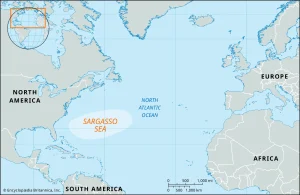
The North Atlantic Route is one of the oldest and busiest sea routes, connecting North America and Europe. It serves as a vital corridor for the movement of manufactured goods, agricultural products, and energy resources. This route also supports a dense network of undersea cables, critical for global communications. The North Atlantic Route faces challenges from increasing storm activity due to climate change, necessitating advanced weather monitoring and route optimization technologies.
On the North American side, routes originate mainly from the U.S. East Coast and Canadian ports carrying manufactured goods, grain, and energy exports. On the European side, routes feed into the dense port networks of Western and Northern Europe, then redistribute cargo into the Mediterranean, Baltic Sea, and inland European logistics systems.
Strategic Chokepoints: Risks and Implications
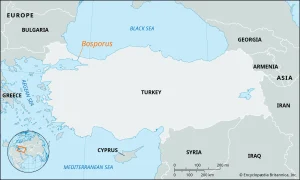
Strategic maritime chokepoints are narrow sea passages through which a disproportionately large share of global trade and energy supplies must pass. Their geographic constraints make them indispensable to international commerce, yet these same characteristics render them highly vulnerable to disruption. Any blockage—whether caused by accidents, conflict, piracy, or environmental disasters—can rapidly cascade through global supply chains, leading to shortages of critical goods, spikes in transportation costs, and volatility in energy and commodity markets. The concentration of traffic in these corridors also heightens the risk of collisions and oil spills, posing severe environmental threats to surrounding coastal regions and marine ecosystems.
Geopolitical instability further amplifies these risks. Many chokepoints lie near politically sensitive regions, where military tensions, territorial disputes, or sanctions can directly threaten freedom of navigation. Even the perception of insecurity can drive up insurance premiums and reroute shipping traffic, increasing transit times and operational expenses for shipping companies. At the same time, climate change is emerging as a structural risk factor, as rising sea levels, stronger storms, and shifting rainfall patterns affect canal operations and navigational safety.
Together, these vulnerabilities underscore the strategic importance of maritime chokepoints not only as economic lifelines but also as focal points of global security. States and international organizations increasingly invest in naval patrols, surveillance systems, and diplomatic frameworks to safeguard these routes. However, long-term resilience depends on diversifying trade corridors, strengthening port and canal infrastructure, and improving international cooperation. In an era of tightly interconnected markets, the stability of these narrow waterways has become inseparable from the stability of the global economy itself.
–
The Role of Sustainability in Sea Route Evolution
As the maritime industry seeks to align with IMO’s 2050 decarbonization goals, sea routes are increasingly being optimized for sustainability. Several strategies are emerging to reduce the carbon footprint of maritime transport.
– Slow Steaming: By reducing speeds, vessels can significantly lower fuel consumption and emissions. For example, a 10% reduction in speed can lead to a 20-30% decrease in fuel use, making it a cost-effective strategy for greener shipping.
– Alternative Fuels: The adoption of LNG, methanol, and ammonia as marine fuels is transforming sea routes. These fuels enable cleaner operations, reducing the environmental impact of major shipping lanes.
– Arctic Routes: The melting Arctic ice is opening up new sea routes, such as the Northern Sea Route (NSR), which offers a shorter alternative between Europe and Asia. While promising for trade efficiency, these routes raise environmental concerns due to their fragile ecosystems and the risk of oil spills.
–
Case Study: The Impact of Digitalization on Sea Routes
The digital revolution is reshaping maritime logistics and route planning. Technologies such as Artificial Intelligence (AI) and Big Data Analytics enable precise route optimization, minimizing costs and emissions. Example: Maersk’s Voyage Optimization Maersk, one of the world’s largest shipping companies, employs advanced voyage optimization tools to select the most efficient routes. By integrating weather data, traffic patterns, and fuel consumption metrics, the company has achieved a 10% reduction in operational costs and improved delivery times.
–
The Future of Global Sea Routes
As the maritime industry evolves, sea routes are set to undergo significant transformations. Investments in infrastructure, such as deeper ports and automated terminals, will accommodate the growing fleet of mega-ships. Enhanced connectivity between ports and hinterlands will further streamline supply chains. Moreover, geopolitical dynamics will continue to shape sea route usage. The Belt and Road Initiative (BRI), spearheaded by China, aims to develop alternative maritime corridors, such as the China-Pakistan Economic Corridor, reducing dependency on traditional routes. Simultaneously, technological advancements, including autonomous ships and blockchain-enabled logistics, will redefine maritime operations, enhancing efficiency and transparency.
The world’s major sea routes are indispensable to global trade, facilitating the seamless flow of goods, resources, and information. From the critical chokepoints of the Malacca Strait and Suez Canal to emerging pathways in the Arctic, these motorways of the sea underpin economic prosperity while facing challenges such as congestion, geopolitical instability, and environmental impact. As the industry moves towards sustainability, the optimization and diversification of sea routes will play a pivotal role in achieving decarbonization goals. Leveraging digital technologies and alternative fuels will further enhance the resilience and efficiency of these maritime highways. In a rapidly changing world, the evolution of global sea routes reflects the broader shifts in trade, technology, and environmental responsibility. Their enduring significance ensures they remain at the heart of the maritime industry’s efforts to connect the globe while protecting our shared future.
Credits for images are mostly from Britannica.
I have read so many articles concerning the blogger lovers however this paragraph is genuinely a nice post, keep it up.