
06/07/2026
A ship ordered today is not only a vessel for the next trading cycle. It is a long-term commercial decision that may remain in service until 2045 or 2050.
That is why shipbuilding decisions in 2026 feel more serious than before.
Shipowners are no longer choosing only between price, delivery date and deadweight capacity. They are also asking deeper questions. Will this vessel remain competitive under future carbon rules? Can it be converted to another fuel later? Is the shipyard experienced with LNG dual-fuel, methanol-ready or ammonia-ready designs? Can the yard control quality during outfitting and commissioning? Will the vessel still be attractive to charterers, financiers and buyers in 15 or 20 years?
These questions all point toward one region: North Asia.
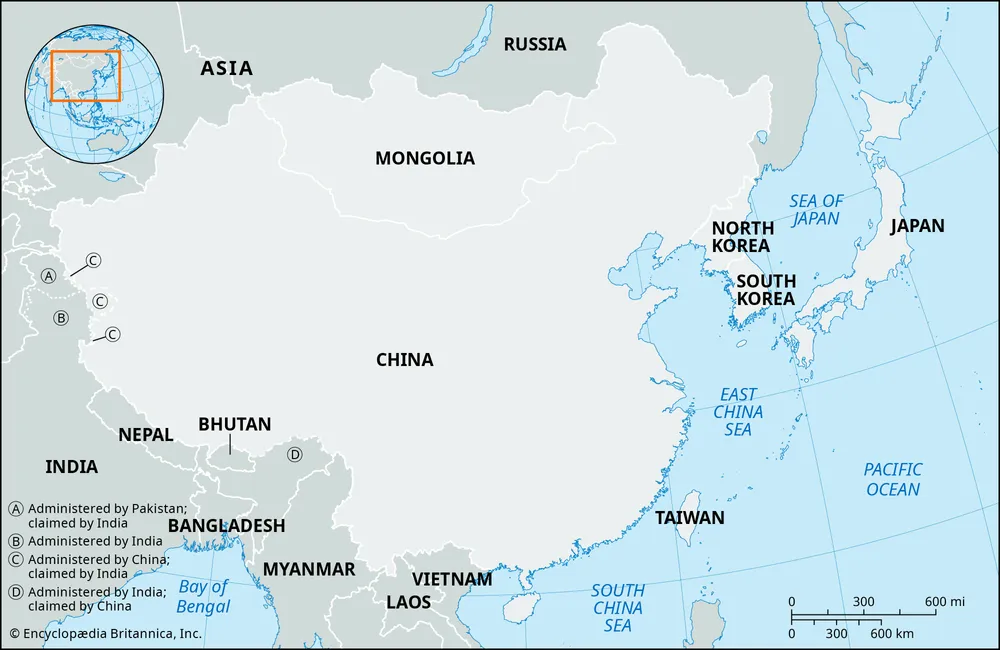
China, South Korea and Japan remain the world’s most important shipbuilding region. Together, they offer the industrial scale, engineering depth, dry dock capacity and specialised knowledge needed to construct almost every major ship type: bulk carriers, containerships, oil tankers, chemical tankers, LNG carriers, LPG carriers, RoPax vessels, PCTCs, FSRUs, offshore units, floating docks and specialised vessels.
But the story is not only about size.
North Asia is important because the future of shipping is being shaped in its shipyards. The vessels being built there today will carry tomorrow’s cargo, burn tomorrow’s fuels, meet tomorrow’s regulations and challenge tomorrow’s crews.
For shipowners, technical managers, marine engineers, seafarers, students and maritime professionals, understanding this region is no longer optional. It is part of understanding where global shipping is going.
A Region at the Centre of Global Ship Construction
North Asia has become the global centre of new ship construction because shipbuilding is not only about welding steel. It is a full industrial ecosystem.
A modern shipyard needs naval architects, production engineers, steel suppliers, engine makers, equipment manufacturers, automation specialists, coating teams, piping workshops, electrical departments, class surveyors, safety inspectors, project managers and sea trial teams. It also needs a strong local and international supply chain that can deliver thousands of components on time.
China, Korea and Japan have developed these ecosystems over many decades.
This is why the region can respond to global shipping demand faster than most other parts of the world. When container markets expand, North Asian yards build containerships. When LNG demand rises, they build gas carriers. When vehicle trade grows, they build PCTCs. When decarbonisation becomes urgent, they develop alternative-fuel capable designs.
The strength of North Asia is not one single country or one single yard. It is the concentration of shipbuilding knowledge, equipment suppliers, labour skills, engineering culture and project experience across the region.
For a shipowner, this matters because a vessel is not only a design on paper. It must be built, inspected, tested, commissioned and delivered. A yard that has repeated similar projects many times normally understands the hidden difficulties better than a yard learning the vessel type for the first time.
Repetition builds discipline. Discipline builds quality. Quality protects the owner for many years after delivery.
Why the Newbuilding Market Is Entering a Strategic Phase
The current newbuilding market is not simply a boom in ship orders. It is a strategic fleet renewal cycle.
Many ships in the global fleet are ageing. Older vessels face increasing pressure from fuel cost, efficiency regulations, emissions reporting, charterer expectations and maintenance expense. At the same time, the maritime industry is moving toward a net-zero emissions supply chain by mid-century.
This creates a difficult problem. A vessel ordered today may operate in a very different regulatory and commercial environment in 2040 or 2050.
That is why shipowners must think beyond the first five years of operation. A cheap ship today may become an expensive problem tomorrow if it cannot meet future environmental rules or charter requirements. On the other hand, the most advanced ship is not always the best investment if the fuel infrastructure is not available or the technology is not mature.
The real skill is balance.
Shipowners need vessels that are efficient today, flexible for tomorrow and not overcomplicated for the crew. This is why future-fuel readiness, energy efficiency, digital monitoring and quality construction are becoming central to newbuild decisions.
A modern newbuilding project should answer several questions from the beginning:
- What is the vessel’s likely trading pattern?
- Which fuels may be available on that route?
- Which regulations will affect the ship during its life?
- How will charterers judge the vessel’s emissions profile?
- Can the vessel be upgraded later?
Is the yard experienced enough to build the chosen specification?
These questions are now just as important as speed, cargo capacity and main engine selection.
China’s Shipbuilding Strength: Scale, Capacity and Rapid Technical Growth
China currently has the largest shipbuilding capacity in the world. Its yards can build a wide range of commercial and specialised vessels, from bulk carriers and tankers to containerships, gas carriers, PCTCs, RoPax vessels, LNG bunkering vessels, FSRUs and offshore units.
The country’s main strength is scale.
Many Chinese yards operate with very large production areas, major dry docks, long outfitting quays and strong annual capacity. Some facilities can handle large bulk carriers, VLCC-related projects, VLOCs, containerships, offshore units and conversion work. This physical capacity allows China to compete strongly across many vessel segments.
Chinese shipbuilding has also moved quickly up the technical ladder. In earlier years, many international owners associated China mainly with standard bulk carriers and tankers. That picture is now too simple. Chinese yards are increasingly active in dual-fuel vessels, ammonia-ready bulk carriers, methanol-ready containerships, LNG-fuelled PCTCs, large VLOCs and specialised offshore projects.
Large industrial groups such as CSSC, COSCO Shipping Heavy Industry and China Merchants have created strong shipyard networks with significant production capability. These groups can support yards with procurement power, technical resources, design partnerships and project continuity.
For owners, China offers attractive opportunities, especially where capacity, delivery flexibility and cost competitiveness are important. But careful yard selection remains essential. China has many yards, and they are not all equal in experience, quality culture or technical focus.
A yard that is excellent for bulk carriers may not be the right choice for a complex LNG-fuelled vessel. A yard with large docks may still have limited experience with advanced fuel systems. A yard that can offer a good price may not always offer the best project control.
The key lesson is simple: in China, the opportunity is large, but due diligence must be detailed.
Korea’s Position in Complex and High-Value Vessel Construction
South Korea is one of the most technically advanced shipbuilding nations in the world. Its leading yards have a strong global reputation for complex, high-value vessels.
Korean shipyards are especially known for LNG carriers, large containerships, offshore units, advanced tankers, gas-handling systems and high-specification marine technology. The country’s major builders have deep experience in engineering integration, production control, cargo containment systems, automation, propulsion packages and alternative-fuel projects.
This makes Korea very attractive for shipowners who need technically demanding vessels.
Gas carriers are a clear example. LNG carriers require exceptional precision in cargo containment, insulation, boil-off gas management, safety systems and machinery integration. These are not simple ships. They demand a yard with proven experience, specialised subcontractors and strong quality assurance.
Korean yards have also been active in future-fuel development, including LNG dual-fuel ships, methanol-fuelled vessels, ammonia-related projects and smart ship systems. Their ability to combine ship design, digital technology and complex fuel systems makes them highly competitive for owners seeking premium tonnage.
However, this capability usually comes with higher cost and strong demand for delivery slots. Shipowners must decide whether the premium is justified by long-term performance, lower technical risk, better resale value and stronger charter appeal.
For many complex vessels, the answer may be yes. For more standard vessels, the owner may compare Korean options with Chinese and Japanese alternatives.
Korea’s strongest position is where technical risk is high and proven capability matters more than the lowest initial price.
Japan’s Reputation for Quality, Efficiency and Reliable Designs
Japan remains a major shipbuilding country with a long reputation for quality, reliability and efficient vessel design.
Japanese yards are often associated with disciplined production, mature engineering, environmental performance and long-term operational reliability. Many Japanese-built ships are respected by owners and crews because they are practical, efficient and well finished.
Japan’s shipbuilding culture is often different from China’s scale-driven model and Korea’s high-complexity focus. Many Japanese yards are known for standardised designs, steady quality and strong attention to detail. Bulk carriers, tankers, car carriers, ferries, LPG carriers, woodchip carriers and specialised vessels are important parts of Japan’s shipbuilding profile.
Several Japanese yards have developed strong reputations in particular vessel types. Some are well known for economical standard bulk carrier designs. Others are respected for ferries, tankers, ro-ro vessels, gas carriers, domestic coastal vessels or repair work.
For owners, Japan can be attractive when lifecycle reliability matters strongly. A vessel that is easy to operate, maintain and trade can deliver value for many years. Japanese yards may not always offer the lowest newbuilding price, but many owners see value in quality, fuel efficiency and operational dependability.
This is especially important in a market where emissions performance and asset value are becoming more closely connected. A well-built, efficient vessel may remain more competitive over its life than a cheaper vessel with poor fuel performance or higher maintenance burden.
Japan’s strength is not only in building ships, but in building ships that owners can trust over time.

Future-Fuel Ready Ships Are Changing Newbuild Decisions
One of the most important changes in shipbuilding is the rise of future-fuel readiness.
In the past, a vessel was usually designed around a known fuel and a known propulsion system. Today, many owners want ships that can adapt later. They may order a vessel that is LNG dual-fuel, methanol ready, ammonia ready, battery hybrid or prepared for shore power.
This is understandable. The future fuel landscape is still uncertain. Methanol, ammonia, hydrogen, LNG, biofuels, batteries and carbon capture may all play roles in different trades. No single solution is ready to dominate every segment of shipping.
Future-fuel readiness gives shipowners flexibility, but only if it is clearly defined.
This is a critical point. The phrase “fuel ready” can mean different things. In some cases, it may mean only that space has been reserved. In others, it may include structural reinforcement, tank arrangements, piping routes, ventilation philosophy, engine convertibility, safety studies and class notation.
A vague statement in a brochure is not enough. The newbuilding specification must clearly explain what readiness means in engineering terms.
For example, ammonia readiness may involve space for tanks, material compatibility, separation from accommodation, toxic gas detection, ventilation, emergency escape arrangements, fuel preparation rooms and future piping routes. Methanol readiness may involve low-flashpoint fuel safety arrangements, tank coating, cofferdams, drainage and firefighting systems. LNG readiness may involve cryogenic storage, gas-safe machinery spaces, double-wall piping and fuel gas supply systems.
If these items are not properly defined before contract signing, the owner may face expensive retrofit challenges later.
North Asian yards are gaining more experience in this field, but shipowners must still control the specification carefully. Future readiness should be treated as an engineering commitment, not a marketing phrase.
Why Shipyard Capability Matters More Than Shipyard Size
A large shipyard is not automatically the right shipyard.
This is one of the most important lessons in new construction.
Shipyard capacity and shipyard capability are different things. Capacity means the yard has physical space, docks, cranes, berths and manpower. Capability means the yard has proven experience with the exact type of vessel and technology required.
A yard may have a 300,000 DWT dock but limited experience with LNG-fuelled ships. Another yard may be smaller but highly competent in RoPax vessels or PCTCs. A yard may be excellent at bulk carriers but not suitable for a complex offshore unit. A yard may have strong steel production but weak commissioning discipline.
Shipowners should therefore look beyond size and ask practical questions.
- Has the yard built this vessel type before?
- Has it delivered similar tonnage?
- Has it worked with the same fuel system?
- Does it understand the selected cargo system?
- Does it have enough outfitting capacity?
- Is the engineering team experienced with the chosen design?
- Does the yard have a history of quality problems or delivery delays?
- How strong is its warranty support?
A newbuilding project is not won on dock size alone. It is won through design maturity, production planning, supplier coordination, quality control, commissioning and problem-solving.
For future-fuel ships, this becomes even more important. The yard must not only build the hull. It must integrate complex safety systems, fuel systems, automation, ventilation, detection, emergency shutdown arrangements and crew access routes.
The right yard is the yard that matches the vessel’s technical risk.
Alternative Fuels and the New Yard Selection Criteria
Alternative fuels are changing how owners choose shipyards.
In earlier years, owners could compare yards mainly by vessel type, price and delivery slot. Today, fuel experience is a major selection factor.
An LNG dual-fuel vessel is not just a conventional ship with a different engine. It requires cryogenic tanks, fuel gas supply systems, hazardous area management, ventilation, gas detection, emergency shutdown logic and crew safety procedures.
A methanol-capable vessel requires low-flashpoint fuel arrangements, proper tank design, leakage control, fire safety systems and material compatibility.
An ammonia-ready or ammonia-fuelled vessel introduces even higher safety complexity because of toxicity. It requires careful attention to ventilation, separation, detection, emergency response and crew protection.
Hydrogen brings its own challenges, including storage pressure, cryogenic temperature in some cases, leak detection and explosion risk.
Because of this, yard experience matters strongly. Owners should not only ask whether a yard can build an alternative-fuel ship. They should ask what kind of alternative-fuel ship the yard has already built, contracted or delivered.
There is also a difference between “ready” and “fuelled.” A ready vessel may be prepared for future conversion but does not operate on that fuel at delivery. A fuelled vessel has the system installed and commissioned. The level of yard experience is not the same.
A practical owner should examine:
- The exact fuel type previously handled by the yard.
- The size and number of similar vessels.
- The engine maker involved.
- The tank and fuel supply system supplier.
- The class notation and approval process.
- The commissioning record.
- Any lessons learned from sea trials.
- The yard’s safety management for hazardous fuel systems.
This is not excessive detail. It is necessary protection for the owner’s investment.
The Growing Importance of PCTCs, RoPax Vessels and Gas Carriers
Several vessel types show clearly where the newbuilding market is moving.
PCTCs are one example. Demand for car and truck carriers has increased as vehicle trade changes and older tonnage needs replacement. Many new PCTCs are being ordered with LNG dual-fuel capability or future-fuel readiness because charterers and cargo owners are paying more attention to emissions.
RoPax vessels are also important. They carry both passengers and vehicles, often on fixed regional routes. Because they may operate close to ports and populated coastal areas, emissions and safety expectations can be high. LNG-ready and LNG-fuelled RoPax vessels show how ferry markets are moving toward cleaner propulsion.
Gas carriers remain among the most complex ships in the world. LNG carriers, LPG carriers and future ammonia carriers require high technical competence. Cargo containment, boil-off management, gas handling, safety systems and crew training are all demanding.
Bulk carriers and tankers are also changing. These were traditionally cost-sensitive and comparatively conservative vessel segments. But even here, owners are now considering LNG dual-fuel, ammonia readiness, methanol readiness and improved efficiency designs.
This shows that decarbonisation is no longer limited to premium vessels. It is entering mainstream shipbuilding.
The future vessel will not only be judged by how much cargo it carries. It will also be judged by how cleanly, safely and efficiently it carries that cargo.
Shipyard Groups and Industrial Strength Behind the Orderbook
Many North Asian yards are part of larger industrial groups. This can be an advantage because group support may bring financial strength, procurement power, technical resources and wider project experience.
In China, several major yards are connected to large shipbuilding or industrial groups. In Korea, the leading shipyards belong to powerful industrial corporations with strong engineering and research capability. In Japan, many yards are part of established groups with deep domestic supply chains and long shipbuilding traditions.
Group structure matters because a shipbuilding project depends on more than one construction site. It may require design support, equipment procurement, technology licensing, subcontractor coordination and financial stability.
However, owners should not rely only on group reputation. A group may own several yards, and each yard may have different strengths. One site may specialise in large containerships. Another may focus on medium-size tankers. Another may be stronger in repair, conversion or offshore units.
The owner must always ask: which exact yard will build my vessel?
This is not a small detail. The construction site determines the production team, local management, workforce, subcontractors, quality-control culture and delivery history.
A well-known group name can give confidence, but the project will still succeed or fail at yard level.
Outfitting, Commissioning and the Hidden Quality of a Newbuild
Many people think shipbuilding quality is mainly about steelwork. Steelwork is important, but the hidden quality of a vessel often appears during outfitting and commissioning.
After launching, the vessel still needs machinery installation, piping completion, electrical work, automation setup, safety system testing, cargo system commissioning, accommodation finishing, coating repair and sea trial preparation.
This stage can make or break the final quality of the vessel.
A yard with limited outfitting quay space or overloaded teams may struggle to finish ships properly. Late equipment delivery can create pressure. Poor coordination between departments can lead to rework. Weak commissioning can leave the crew with problems after delivery.
For future-fuel vessels, outfitting and commissioning are even more critical. LNG fuel systems, methanol fuel arrangements, battery systems, hybrid propulsion, gas detection systems, emergency shutdown systems and automation logic all require careful testing.
A vessel may look complete from outside but still have serious internal issues. Experienced site teams know this. They pay close attention to machinery alignment, piping supports, cable routing, valve accessibility, coating damage, alarm settings, documentation and system integration.
Sea trials are not only a final ceremony. They are a technical examination of the whole vessel. Propulsion, steering, navigation, automation, emergency power, safety systems and fuel systems must prove that they work together.
For shipowners, a strong supervision team during outfitting and commissioning is one of the best investments in the whole project.
Digital Project Control in Modern Ship Construction
Newbuilding projects involve thousands of documents, comments, inspections, tests and decisions. Without strong control, important details can be lost.
Digital project control is becoming more important because it gives owners, yards, designers, class teams and suppliers better visibility. A digital platform can track drawings, approval comments, non-conformities, inspection status, construction milestones and open technical issues.
This improves transparency.
If a drawing is delayed, the team can see it. If the same defect appears on several sister vessels, it can be tracked. If comments are not closed, they remain visible. If a system is not ready for testing, the schedule can be adjusted earlier.
For multi-vessel projects, digital control becomes especially valuable. Lessons learned from the first vessel can be applied to the next hulls. This reduces repeated mistakes and supports more consistent quality.
Digital tools do not replace human expertise. A platform cannot judge every technical risk by itself. But it can make the project more organised and reduce communication gaps.
In modern shipbuilding, information control is part of quality control.
What Shipowners Should Check Before Choosing a Yard
Before signing a newbuilding contract, owners should complete a structured assessment. The lowest price is not always the best value, and the earliest delivery slot is not always the safest choice.
A practical shipyard selection checklist should include:
- Vessel-type experience
Has the yard built the same vessel type and size before? A yard with direct experience usually understands production risk better. - Delivery performance
Has the yard delivered recent vessels on time? Were there delays, disputes or quality concerns? - Alternative-fuel competence
Has the yard worked with LNG, methanol, ammonia, hydrogen, batteries or shore-power systems? Was the vessel only ready, or fully fuelled and commissioned? - Design maturity
Is the design proven, modified or completely new? A new design may bring innovation, but also higher risk. - Physical facilities
Are dry docks, slipways, cranes, workshops and outfitting quays suitable for the vessel? - Production workload
Is the yard overloaded with orders? A full orderbook can be a sign of success, but it can also create schedule pressure. - Supplier network
Are key equipment suppliers approved, reliable and experienced with the selected vessel type? - Quality-control culture
How does the yard manage welding, coating, alignment, pipe flushing, electrical installation, testing and documentation? - Site team cooperation
Will the owner’s supervision team receive proper access, information and support? - Contract clarity
Are specifications, class notations, fuel readiness, penalties, options and delivery conditions clearly written? - Warranty support
How does the yard respond to defects after delivery? Is there a strong warranty system? - Long-term asset value
Will the vessel remain attractive to charterers, financiers and future buyers?
This checklist may look simple, but many newbuild problems begin when one of these areas is ignored.
Technical Assurance, Classification and Newbuild Risk Control
New construction is not only a commercial agreement between owner and shipyard. It also requires technical assurance.
Classification societies and statutory authorities play a major role in reviewing designs, approving drawings, surveying construction, verifying materials, witnessing tests and supporting safe delivery.
This role becomes more important as ships become more complex. Alternative fuels, digital systems, battery installations, cyber resilience, energy-saving devices and new materials all require careful technical review.
For non-standard vessels, early involvement is essential. Late approval issues can delay construction and create expensive redesign work.
Future-fuel ships especially require risk-based thinking. Hazard identification studies, safety assessments, gas dispersion analysis, ventilation reviews, emergency shutdown logic and crew escape arrangements should be considered early in the design process.
Technical assurance gives confidence to owners, financiers, insurers, charterers and crews. It does not remove all risk, but it creates a structured way to control risk.
For shipowners, the lesson is clear: do not treat class approval as a late administrative step. It should be part of the project strategy from the beginning.
North Asia and the Net-Zero Shipping Supply Chain
The vessels being ordered today will operate in a shipping market shaped by decarbonisation.
By 2050, many supply chains are expected to demand very low or net-zero emissions. Cargo owners, banks, ports, insurers and regulators are all increasing pressure on shipping emissions. This will affect which vessels are commercially attractive.
A newbuild that cannot adapt may lose value before the end of its normal life.
This is why owners must think about the vessel’s carbon pathway at the design stage. Even if a ship cannot use zero-carbon fuel immediately, it should be assessed for future flexibility.
Important design considerations include:
- Fuel efficiency.
- Hull and propeller optimisation.
- Engine efficiency.
- Waste heat recovery.
- Shore-power compatibility.
- Digital performance monitoring.
- Future-fuel readiness.
- Tank and machinery space flexibility.
- Energy-saving devices.
- Wind-assist possibility.
- Carbon capture readiness where suitable.
A vessel does not need every technology. But it needs a clear logic. The owner should know why each technology is included or excluded.
North Asian yards are responding with future-fuel capable designs, dual-fuel vessels, improved hull forms, more efficient machinery arrangements and digital ship solutions. But the shipyard can only build what the owner specifies and contracts.
A weak specification creates a weak future asset.
What Maritime Professionals and Students Can Learn from This Market
For maritime students, cadets and young engineers, the North Asian newbuilding market is a valuable lesson in how shipping really works.
A ship is not born at sea. It begins in commercial planning, concept design, specification writing, model testing, class approval, steel cutting, block assembly, launching, outfitting, commissioning and sea trials.
Many operational problems faced by crews begin during design or construction. A badly placed valve, poor access route, weak coating area, difficult maintenance arrangement or confusing automation system can affect the ship for years.
This is why marine engineers and deck officers should understand shipbuilding, even if they do not work in a shipyard. Knowledge of construction helps them understand why systems are arranged in certain ways and how defects can appear later in operation.
The future seafarer will also need broader technical awareness. Alternative fuels, hybrid systems, digital monitoring, automation and emissions control will require new skills. Traditional seamanship and engineering knowledge will remain essential, but they will be joined by data literacy, cyber awareness, fuel safety and systems thinking.
Shipbuilding is therefore not only a subject for shipyards. It is a subject for the whole maritime profession.
Choosing the Right Yard Is Choosing the Future of the Vessel
The shipyard decision is one of the most important decisions in the life of a vessel.
Once the contract is signed and construction begins, many choices become difficult or expensive to change. Fuel arrangements, tank positions, machinery layout, structural design, automation philosophy and maintenance access can shape the vessel’s performance for decades.
That is why shipowners must choose carefully.
North Asia gives owners many options. China offers huge capacity and fast-growing technical capability. Korea offers advanced engineering and high-value shipbuilding expertise. Japan offers quality, efficient designs and long-term reliability.
There is no single best answer for every project.
The right choice depends on the vessel type, trading route, fuel strategy, delivery need, budget, charter expectations and technical risk. A standard bulk carrier, LNG carrier, RoPax ferry, PCTC, chemical tanker and offshore vessel may each point to a different yard or country.
The best owners will not choose only by price. They will choose by evidence.
They will study previous deliveries, yard facilities, alternative-fuel experience, design maturity, quality culture, project workload and warranty support. They will build strong site teams and involve technical assurance early. They will write clear specifications and define future-fuel readiness properly.
In shipping, the cheapest mistake is the one avoided before steel cutting.
Final Thought
North Asia is not only building ships. It is building the future operating reality of global shipping.
The vessels now under construction in China, Korea and Japan will carry cargo through a period of major change. They will face stricter emissions rules, new fuel choices, digital monitoring, charterer pressure, port requirements and higher expectations from society.
For shipowners, this means every newbuild decision must be future-facing.
For seafarers, it means tomorrow’s ships will demand new knowledge and new confidence.
For maritime students, it means shipbuilding is one of the best windows into the future of the industry.
The future of shipping will not be shaped only by regulations, fuel policies or boardroom strategies. It will be shaped in dry docks, outfitting quays, design offices, workshops and sea trials.
It will be shaped by the yards that can turn a technical ambition into a safe, efficient and commercially useful vessel.
In the end, a good ship is not simply built. It is planned, specified, supervised, tested and trusted.
That is why choosing the right shipyard in North Asia is not only a construction decision.
It is a decision about the future life of the vessel.