
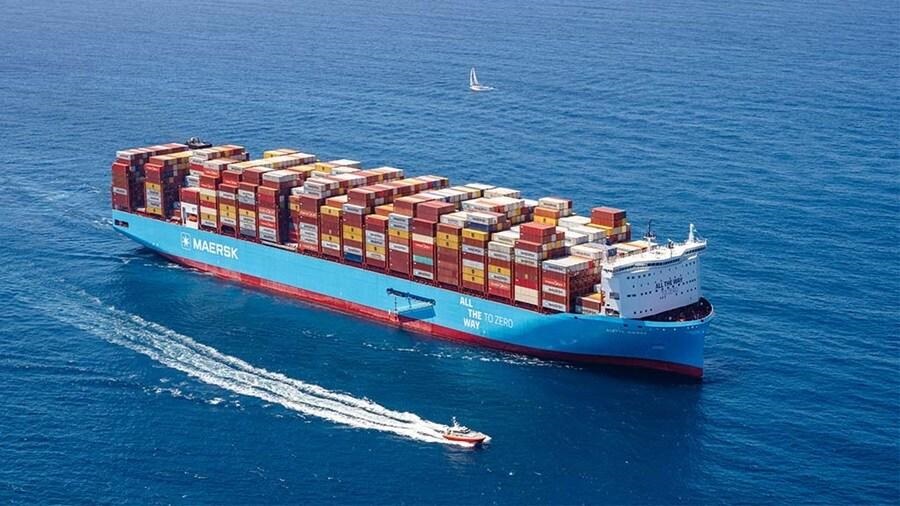
How the Middle East Crisis and Strait of Hormuz Disruptions Are Sending Shockwaves Through Global Shipping

The world’s supply chains are facing another major shock—and this time, the consequences could hit far beyond the shipping industry.
According to reports, shipping giant A.P. Moller – Maersk is facing nearly $500 million in additional monthly costs as the conflict in the Middle East intensifies and disruptions around the Strait of Hormuz drive up oil prices, insurance premiums, and operational risks.
For consumers, this may sound distant.
But for global trade, it is a warning sign that another supply-chain crisis could already be unfolding.
Everything from fuel prices and electronics to supermarket products and industrial materials could become more expensive if instability continues across one of the world’s most strategically important maritime chokepoints.
The crisis is no longer only about geopolitics.
It is now directly affecting the cost of moving the global economy.
Why the Strait of Hormuz Matters More Than Most People Realize

The Strait of Hormuz is one of the world’s most critical maritime corridors.
Located between the Persian Gulf and the Gulf of Oman, it serves as the main export route for oil and gas shipments from several Gulf countries.
Roughly:
- 20% of global oil trade
- Major LNG exports
- Thousands of commercial ship movements
pass through this narrow waterway every year.
When tensions rise there, global markets react almost immediately.
Even the fear of disruption can:
- Push oil prices upward
- Increase marine insurance costs
- Delay cargo schedules
- Force ships to reroute
- Raise freight rates globally
For shipping companies operating hundreds of vessels, the financial impact becomes enormous within days.
Maersk’s $500 Million Problem
A.P. Moller – Maersk, one of the world’s largest container shipping companies, reportedly warned that the ongoing crisis is adding around $500 million per month in costs.
Those expenses are linked to:
- Higher bunker fuel prices
- Increased insurance premiums
- Operational disruptions
- Security measures
- Rerouting risks
- Delays across maritime supply chains
The company reportedly stated that it “cannot shoulder” all these additional costs alone.
That means many of the costs may ultimately pass through the supply chain to:
- Importers
- Retailers
- Manufacturers
- Consumers
In simple terms:
global instability at sea often becomes higher prices on land.
Why Oil Prices Matter So Much to Shipping
Modern shipping runs on fuel.
Container ships, tankers, bulk carriers, and logistics networks all depend heavily on marine fuel prices.
When oil prices surge:
- Vessel operating costs increase
- Freight rates rise
- Transport margins shrink
- Inflation pressure grows globally
A large container vessel can consume enormous amounts of fuel daily during long voyages.
For mega-carriers operating hundreds of ships worldwide, even a modest fuel increase can rapidly become a multi-billion-dollar problem annually.

Could This Trigger Another Global Supply-Chain Crisis?
Many logistics experts fear that prolonged instability in the Middle East could create effects similar to previous global disruptions.
The shipping industry has already faced:
- COVID-era port congestion
- Red Sea attacks
- Container shortages
- Canal disruptions
- Energy-price shocks
- Labor bottlenecks
Now, another geopolitical maritime crisis is increasing pressure on already fragile supply chains.
If the situation worsens, possible consequences may include:
- Longer shipping times
- Increased freight rates
- Delayed deliveries
- Rising inflation
- More expensive consumer goods
The Hidden Cost Consumers May Soon Feel
Most consumers never see the ships carrying global trade.
But they eventually feel the impact.
Products potentially affected include:
- Electronics
- Clothing
- Furniture
- Automotive parts
- Food products
- Construction materials
- Industrial equipment
Even companies far from the Middle East may face increased logistics costs because shipping markets are globally interconnected.
Why Insurance Costs Are Surging

When maritime security risks increase, insurers raise war-risk premiums.
Ships transiting dangerous regions may face:
- Higher insurance fees
- Additional security requirements
- Crew safety concerns
- Operational restrictions
For large shipping companies, these costs accumulate rapidly across global fleets.
Some vessels may also avoid certain routes entirely if risks become too severe.
Could Shipping Routes Change?
One major concern is whether prolonged instability could force more ships to reroute.
Alternative routing can mean:
- Longer voyages
- Higher fuel consumption
- Delayed schedules
- Reduced shipping capacity
- Increased emissions
Even partial disruptions around the Strait of Hormuz can create ripple effects across global maritime logistics.
Asia and Europe Are Especially Vulnerable
Asia depends heavily on Middle Eastern energy imports.
Europe also remains highly exposed to maritime energy disruptions despite diversification efforts after earlier energy crises.
Major industrial economies rely on stable shipping routes to maintain:
- Manufacturing
- Energy supply
- Export competitiveness
- Consumer market stability
That is why maritime chokepoints have become central geopolitical concerns.
The Growing Pressure on Global Shipping Giants
Companies like:
must now manage:
- Fuel volatility
- Security threats
- Environmental regulations
- Port congestion
- Geopolitical uncertainty
- Supply-chain resilience
The shipping industry has become one of the clearest indicators of global economic stress.
Why This Crisis Matters Beyond Shipping
This is not only a maritime story.
It is also about:
- Inflation
- Energy security
- Globalization
- Trade resilience
- Consumer prices
- Economic stability
Modern economies depend on uninterrupted maritime transport.
Around 80–90% of global trade by volume moves by sea.
When shipping becomes unstable, entire economies feel the consequences.
The Strait of Hormuz: One of the World’s Most Dangerous Economic Chokepoints?
The Strait of Hormuz has long been considered one of the world’s most strategically sensitive maritime corridors.
Its importance comes from:
- Narrow navigational width
- Massive oil flows
- Military tensions
- Heavy tanker traffic
- Lack of easy alternatives
Even temporary disruptions can create immediate volatility in:
- Energy markets
- Freight markets
- Global stock markets
That is why shipping executives, governments, insurers, and energy traders closely monitor developments there.
What Happens Next?
Much depends on:
- Regional geopolitical developments
- Maritime security conditions
- Oil-market reactions
- Naval stability
- Insurance market responses
If tensions ease, markets may stabilize relatively quickly.
If disruptions expand, however, the global shipping industry could face another prolonged cost crisis.
Final Thoughts
The reported $500 million monthly cost burden facing Maersk is more than just a corporate financial story.
It is a signal of how vulnerable global trade remains to geopolitical instability and maritime chokepoints.
The world economy still depends heavily on a few strategic sea routes.
And when those routes become unstable, the cost spreads rapidly through:
- shipping companies,
- energy markets,
- supply chains,
- businesses,
- and ultimately consumers themselves.
The next major global economic shock may not begin in a stock exchange or bank.
It may begin at sea.
FAQ: Maersk, Shipping Costs, and the Strait of Hormuz Crisis
Why is Maersk reportedly losing so much money?
Rising fuel prices, insurance costs, security risks, and operational disruptions linked to Middle East tensions are significantly increasing operating expenses.
Why is the Strait of Hormuz so important?
It is one of the world’s most important maritime chokepoints for oil and gas exports, connecting the Persian Gulf to global markets.
How could this affect ordinary consumers?
Higher shipping and fuel costs may eventually increase prices for goods such as electronics, clothing, food products, and industrial materials.
Why do shipping costs rise during geopolitical crises?
Conflicts increase risks for ships, crews, cargo, insurers, and energy markets, leading to higher operational and insurance expenses.
Could oil prices continue rising?
Yes. If disruptions around the Strait of Hormuz worsen, global oil prices could face additional upward pressure.
Are other shipping companies affected too?
Yes. The entire global shipping industry can be affected because maritime trade networks are interconnected.
Why can’t companies simply absorb these extra costs?
Large shipping companies already operate with high operational expenses. Sustained fuel and security cost increases can become financially unsustainable.
Could ships avoid the region completely?
Some vessels may reroute depending on security assessments, but avoiding major maritime chokepoints often creates longer and more expensive voyages.
How much global trade moves by sea?
Roughly 80–90% of global trade volume is transported by maritime shipping.
Why does maritime security matter for the global economy?
Because modern supply chains depend heavily on stable sea routes. Disruptions can quickly affect trade, inflation, energy markets, and industrial production worldwide.