
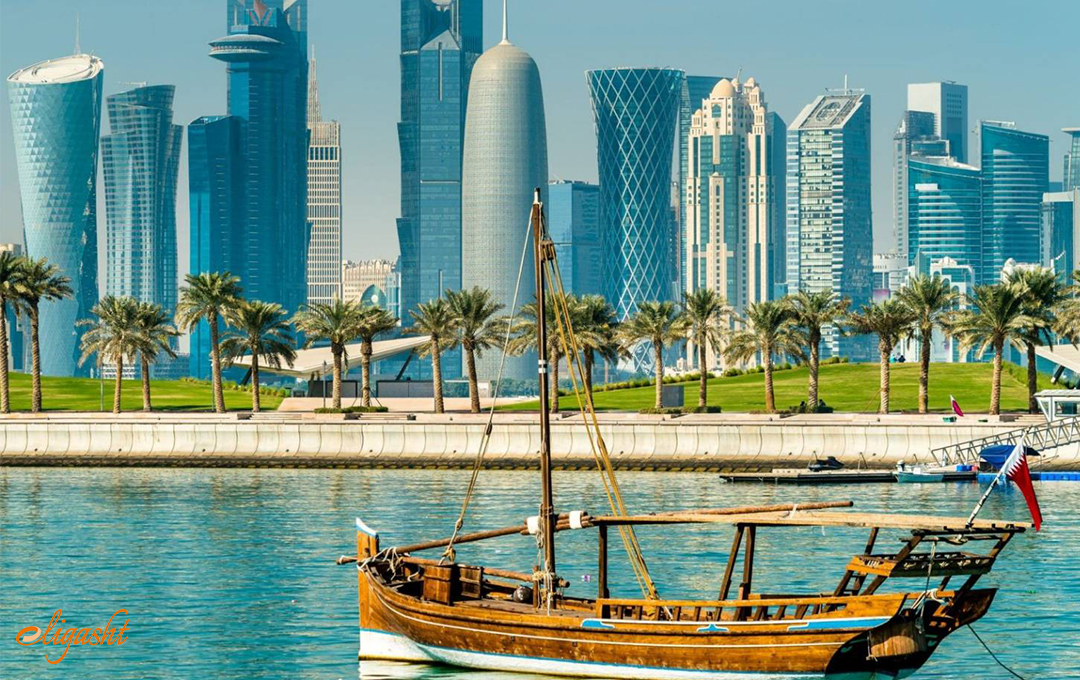

Explore Qatar and the Persian Gulf’s maritime role, LNG shipping, ports, safety, and future trends shaping global energy and international trade.
When a liquefied natural gas (LNG) carrier departs the coast of Qatar, it carries more than fuel. It carries heating for homes in Europe, electricity for Asian megacities, and stability for global energy markets. This journey begins in the Persian Gulf, a relatively small body of water with an outsized influence on the world economy. For maritime professionals, the connection between Qatar and the Persian Gulf represents one of the clearest examples of how geography, technology, and shipping strategy converge. Qatar’s rise as a maritime and energy powerhouse has been shaped by its ports, its LNG fleet, and its position along critical sea lanes. Understanding this relationship is essential for ship operators, port managers, regulators, and students who want a practical, real-world view of modern maritime operations.
Why This Topic Matters for Maritime Operations
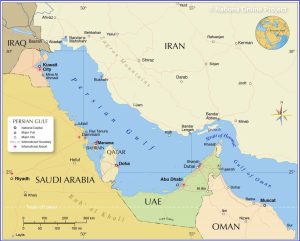
Qatar sits close to the narrow maritime corridor linking the Persian Gulf to the open ocean. Every vessel entering or leaving its ports must navigate some of the world’s most strategically sensitive waters. For maritime operations, this means that safety management, voyage planning, and regulatory compliance are not abstract concepts but daily operational realities. Decisions made in Qatari ports and Gulf sea lanes influence freight rates, charter party clauses, insurance premiums, and even national energy security strategies far beyond the region.
Key Developments, Technologies, and Principles
Geographic Position and Strategic Sea Lanes
The Persian Gulf functions like a controlled access highway for shipping. All deep-sea traffic flows through the Strait of Hormuz, making navigational discipline essential. Qatar’s coastline lies on the eastern side of the Gulf, offering relatively direct access to international routes compared with ports deeper inside the basin.
For mariners, this geography brings both advantages and responsibilities. Shorter transit distances reduce fuel consumption, but traffic density increases collision and grounding risk. Modern bridge teams rely heavily on ECDIS, radar overlay, and AIS data to maintain situational awareness. Yet, experienced captains often compare Gulf navigation to sailing in a crowded harbor rather than the open ocean—attention and anticipation matter more than speed.
Ras Laffan Port and the LNG Shipping System
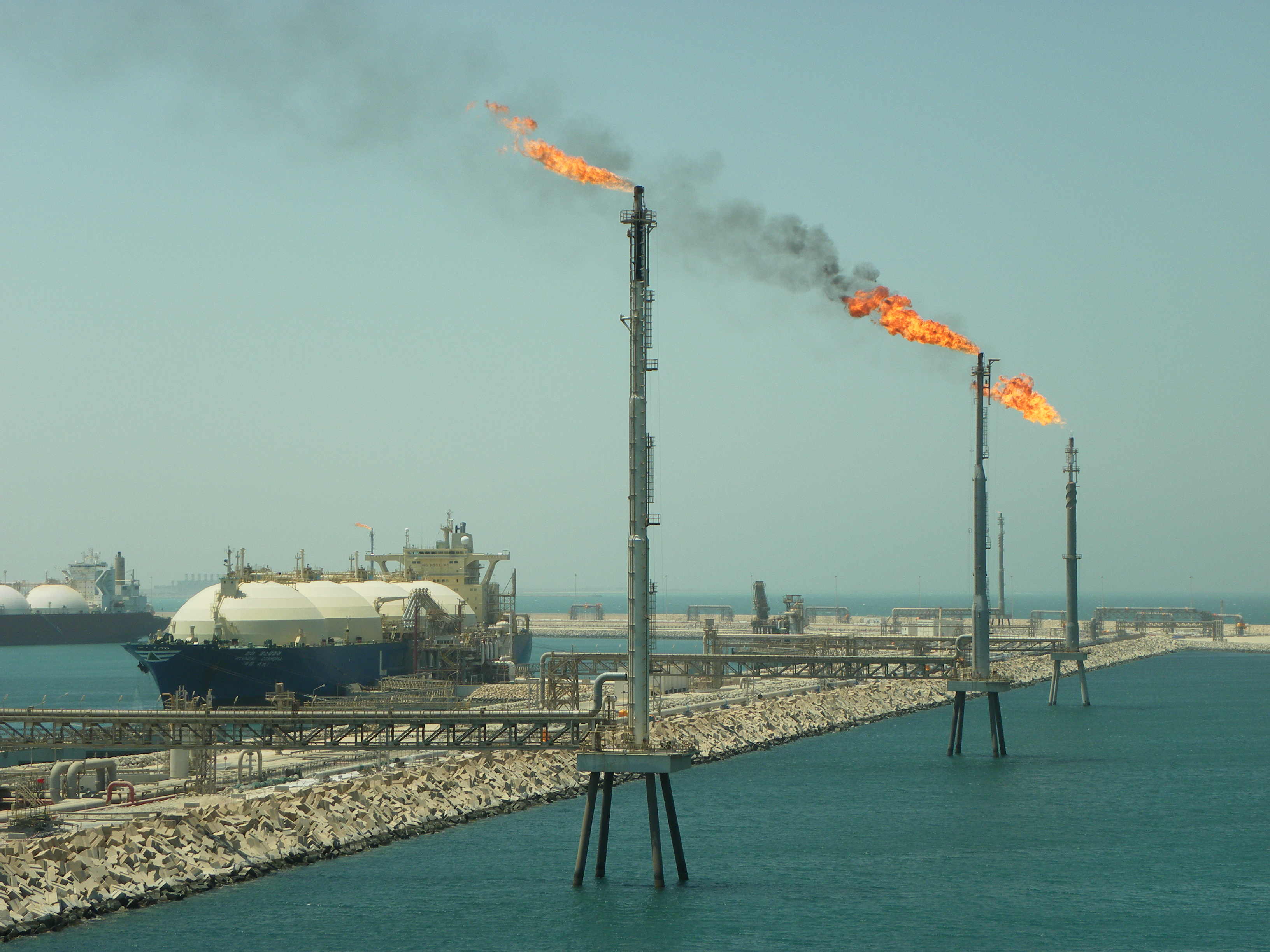
Ras Laffan Port is the cornerstone of Qatar’s maritime identity. It is one of the largest LNG export terminals in the world and the operational heart of Qatar’s energy supply chain. From here, a fleet of highly specialized LNG carriers transports cargoes to Asia, Europe, and increasingly new markets seeking cleaner-burning fuels.
LNG shipping is technically demanding. Cargoes are cooled to –162°C, turning gas into liquid and reducing its volume dramatically. The ships themselves are floating thermos bottles, using membrane or spherical containment systems designed to minimize boil-off. Classification societies such as DNV, Lloyd’s Register, and American Bureau of Shipping play a central role in certifying these vessels and ensuring their safety.
Operational discipline at Ras Laffan resembles an airport runway system. Berthing windows, pilot boarding times, and cargo operations are synchronized to avoid delays. Even small inefficiencies can disrupt global LNG supply chains, illustrating how port performance in Qatar directly affects downstream energy consumers.
Hamad Port and Trade Diversification
While Ras Laffan dominates energy exports, Hamad Port represents Qatar’s broader maritime ambitions. Designed as a modern, multipurpose port, it supports containerized cargo, food security imports, and industrial materials. Following regional trade disruptions in the late 2010s, Hamad Port demonstrated how resilient maritime infrastructure can protect national supply chains.
From a logistics perspective, Hamad Port functions like a distribution hub rather than a simple unloading point. Digital customs systems, automated terminal equipment, and integrated hinterland connections reduce dwell time and improve predictability. These features align with international best practices promoted by organizations such as UNCTAD and the World Bank.
Maritime Regulation and International Standards
Shipping operations in Qatar and the Persian Gulf are shaped by global maritime law. The International Maritime Organization sets the framework through conventions such as SOLAS, MARPOL, and STCW. These rules govern everything from life-saving appliances to crew training and pollution prevention.
Qatar’s port state control regime reflects these standards, ensuring that vessels calling at its ports meet international requirements. This regulatory consistency benefits shipowners and charterers by reducing uncertainty. In practical terms, compliance becomes a shared language between flag states, ports, and operators.
Maritime Security and Energy Protection
Security in the Persian Gulf is inseparable from energy transport. LNG carriers and tankers are high-value assets, and their safe passage is a shared interest among coastal states and trading partners. Maritime security here relies less on visible force and more on coordination and information sharing.
Ship operators follow industry guidance from organizations such as the International Chamber of Shipping and BIMCO. Regular position reporting, adherence to recommended transit corridors, and close cooperation with naval forces form a layered security approach. For crews, this structured environment reduces stress and helps convert geopolitical uncertainty into manageable operational procedures.
Environmental Stewardship in a Sensitive Sea
The Persian Gulf’s shallow waters and limited circulation make it environmentally fragile. Qatar’s rapid industrial growth has increased awareness of marine protection. MARPOL compliance, ballast water management systems, and strict waste handling procedures are now standard practice.
Environmental protection can be explained simply: what enters the Gulf often stays there longer than in open oceans. This reality drives stricter controls and monitoring. Research published in journals such as Marine Pollution Bulletin shows that proactive regulation significantly reduces long-term ecological damage, benefiting fisheries and coastal communities.
Digitalization and Smart Maritime Operations
Qatar’s ports increasingly rely on digital platforms to manage vessel traffic, cargo flows, and safety reporting. Vessel Traffic Services (VTS) integrate radar, AIS, and meteorological data to provide real-time guidance. For masters and pilots, this is like having an additional set of eyes during critical maneuvers.
Onboard, digital twins and predictive maintenance systems help LNG carriers optimize fuel use and reduce unplanned downtime. These technologies align with global maritime innovation trends supported by classification societies and industry forums.
Challenges and Practical Solutions
Maritime operations in Qatar and the Persian Gulf face a unique mix of natural, technical, and geopolitical challenges. High temperatures affect machinery efficiency and crew endurance. Shallow waters limit vessel drafts, requiring precise loading calculations. Dense traffic increases navigational risk, while political tensions can influence routing decisions.
Solutions focus on preparation and integration. Advanced simulator training improves bridge team performance under stress. Enhanced weather forecasting and heat-resistant equipment designs address environmental extremes. On the geopolitical front, transparency and adherence to international law reduce misunderstandings. Together, these measures transform risk into routine management rather than crisis response.
Case Studies and Real-World Applications
A clear example of operational resilience is Qatar’s LNG supply reliability during periods of global energy stress. Despite congestion and security concerns in the Persian Gulf, coordinated port operations and fleet management maintained export schedules. This reliability strengthened Qatar’s reputation as a dependable energy partner.
Another example lies in Hamad Port’s rapid scaling of container operations. By integrating digital clearance systems and expanding berth capacity, the port handled increased volumes without compromising safety. These cases show how investment in maritime systems delivers tangible operational benefits.
Frequently Asked Questions (FAQ)
1. Why is Qatar so important in Persian Gulf shipping?
Qatar is one of the world’s largest LNG exporters, making its ports central to global energy trade.
2. What role does Ras Laffan Port play?
Ras Laffan is a major LNG export hub, supporting specialized tanker operations and global supply chains.
3. How does the Strait of Hormuz affect Qatari shipping?
All international traffic must pass through this narrow passage, making it a critical chokepoint.
4. What are the main risks for ships in the Persian Gulf?
High traffic density, shallow waters, extreme heat, and geopolitical tensions.
5. How does Qatar ensure maritime safety?
Through IMO compliance, port state control, advanced VTS systems, and industry best practices.
6. Is environmental protection a priority in Qatari ports?
Yes. MARPOL enforcement and monitoring programs address pollution and ecological risks.
7. What future trends will shape Qatar’s maritime sector?
LNG expansion, port digitalization, and regional maritime cooperation.
Future Outlook and Maritime Trends
Qatar and the Persian Gulf together illustrate how modern maritime power is built. Strategic geography, advanced port infrastructure, and disciplined shipping operations have turned a small coastline into a global energy gateway. For the maritime community, this region offers lessons in reliability, risk management, and innovation. Understanding these dynamics helps professionals navigate not only the Gulf’s waters but also the wider challenges of global shipping. As energy systems evolve and trade patterns shift, Qatar’s maritime role will remain a benchmark for how focused investment and international standards can shape success.
The future of Qatar’s maritime sector is closely tied to energy transition and technological innovation. LNG is expected to play a bridging role as countries move away from coal toward lower-carbon fuels. Qatar’s expansion of LNG production will increase shipping demand while raising expectations for safety and environmental performance.
At the same time, ports will evolve into smart logistics ecosystems. Automation, alternative fuels, and enhanced data sharing will redefine efficiency. Regional cooperation in the Persian Gulf—particularly on environmental monitoring and emergency response—will become even more important as traffic volumes grow.
For maritime professionals, this future demands continuous learning. Skills in digital navigation, environmental compliance, and cross-cultural communication will be as important as traditional seamanship.
–
References
-
International Maritime Organization (IMO). SOLAS, MARPOL, STCW Conventions. https://www.imo.org
-
UNCTAD. Review of Maritime Transport. https://unctad.org
-
International Chamber of Shipping (ICS). Shipping and World Trade. https://www.ics-shipping.org
-
Lloyd’s Register. LNG Carrier Safety and Classification. https://www.lr.org
-
DNV. Gas Carrier Rules and Maritime Technology. https://www.dnv.com
-
American Bureau of Shipping (ABS). Guidance for LNG Vessels. https://ww2.eagle.org
-
Marine Pollution Bulletin (Elsevier). Environmental impacts in semi-enclosed seas. https://www.sciencedirect.com
-