
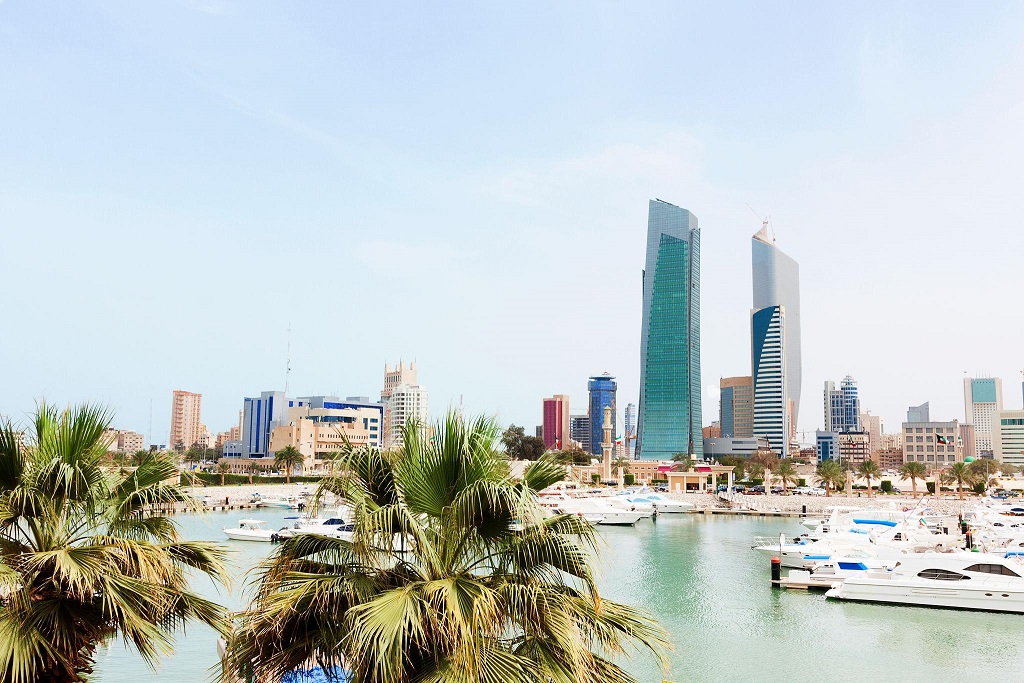

Discover Kuwait and the Persian Gulf’s strategic maritime role, ports, energy trade, safety, and future trends shaping global shipping and regional logistics.
From space, the Persian Gulf looks like a narrow blue ribbon between desert lands. From a ship’s bridge, however, it feels like a living artery of world commerce. At the northern edge of this waterway lies Kuwait, a small nation with a very large maritime footprint. The relationship between Kuwait and the Persian Gulf is not only geographic; it is economic, political, and deeply operational for the global shipping industry. Tankers loaded with crude oil, container ships carrying consumer goods, and offshore service vessels supporting energy platforms all depend on the safe and efficient functioning of this sea space.
For maritime professionals, students, and policy planners, understanding Kuwait and the Persian Gulf means understanding how modern shipping connects energy security, port infrastructure, international law, and risk management into one continuous system. This article explores that system in a human, practical way—linking history with today’s shipping realities and tomorrow’s maritime trends.
Why This Topic Matters for Maritime Operations
Kuwait’s coastline sits at the head of the Persian Gulf, close to the vital maritime funnel known as the Strait of Hormuz. This makes Kuwait a frontline maritime state in one of the world’s most sensitive trade corridors. More than one-fifth of globally traded oil moves through this region, and even small disruptions can ripple through freight markets, fuel prices, and insurance premiums. For ship operators, port authorities, and maritime regulators, Kuwait and the Persian Gulf form a real-world classroom where navigation, geopolitics, and safety management intersect daily.
Key Developments, Technologies, and Principles
Geographic Position and Shipping Routes
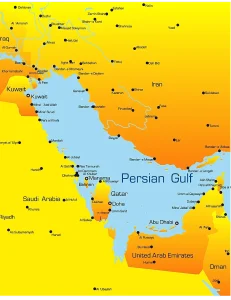
The Persian Gulf is a semi-enclosed sea connected to the Indian Ocean by the Strait of Hormuz. In simple terms, it works like a funnel: wide at the top and narrow at the exit. This funnel shape concentrates vessel traffic, especially oil tankers and LNG carriers. Kuwait lies near the northern end of this funnel, where shallow waters, tidal effects, and heavy port activity require careful navigation.
From a navigational perspective, the region demands strong bridge resource management. Sandbanks, dredged channels, and seasonal shamal winds challenge masters and pilots alike. Modern Electronic Chart Display and Information Systems (ECDIS) and AIS tracking—supported by data providers such as MarineTraffic and Equasis—help mariners maintain situational awareness, but they cannot replace local knowledge and trained pilotage.
The sea lanes linking Kuwait to Asia, Europe, and Africa connect directly into global liner and tanker networks. This means that a delay in Kuwait’s terminals is not local; it can affect refinery supply chains in India, petrochemical plants in Europe, and energy markets in East Asia.
Kuwait’s Ports and Maritime Infrastructure
Kuwait’s port system forms the backbone of its maritime economy. Shuwaikh Port handles general cargo and containers, acting as the commercial gateway for food, vehicles, and industrial equipment. Shuaiba Port supports both industrial and commercial flows, while Mina Al-Ahmadi and Mina Abdullah specialize in oil and petrochemical exports.
These ports function like different organs in the same body. Oil terminals pump energy into the world economy, while container and multipurpose ports sustain everyday trade. Over the past decade, Kuwait has invested in modernizing berth structures, dredging access channels, and improving customs digitalization to reduce turnaround times. These changes reflect a broader regional shift toward port automation and integrated logistics platforms.
International maritime standards guide these improvements. The International Maritime Organization conventions on safety (SOLAS), pollution (MARPOL), and training (STCW) shape vessel operations calling at Kuwaiti ports. Classification societies such as Lloyd’s Register, DNV, and American Bureau of Shipping ensure that ships trading in the Gulf meet technical and safety requirements.
Energy Transport and Tanker Traffic
Kuwait is one of the world’s major oil exporters, and its maritime identity is closely tied to tanker operations. Every day, Very Large Crude Carriers (VLCCs) berth at offshore loading terminals and carry millions of barrels of oil through the Persian Gulf to distant markets.
Tanker navigation in the Gulf resembles driving a fully loaded truck through a narrow mountain pass. Draft restrictions, traffic separation schemes, and security patrols shape each voyage. Ship operators must balance commercial pressure with compliance and risk control. Modern voyage planning integrates weather routing, piracy advisories, and naval coordination messages into one operational picture.
The economic role of these tankers goes beyond fuel supply. According to UNCTAD, maritime transport carries over 80 percent of world trade by volume, and energy cargoes remain among the highest-value flows. Kuwait’s export terminals therefore sit at the heart of global supply resilience.
Maritime Security and Risk Management
The Persian Gulf is often described as a high-risk but high-importance maritime zone. Political tensions, naval exercises, and historical incidents of vessel attacks have made security a daily operational concern. In this environment, maritime security is not just about armed guards or naval escorts; it is about layered protection.
Shipowners rely on industry guidance from organizations such as the International Chamber of Shipping and BIMCO to apply best management practices. These include maintaining strict bridge watches, following recommended transit corridors, and reporting to regional maritime security centers.
Risk management in this region also extends to insurance and classification. War risk premiums fluctuate depending on political signals, and charterers may reroute vessels or change cargo origins based on perceived threats. Kuwait’s ports, therefore, operate not only as physical hubs but also as risk assessment points in global shipping contracts.
Environmental Protection and Marine Pollution Control
The Persian Gulf is shallow and ecologically sensitive. Oil spills, ballast water discharge, and industrial runoff can cause long-lasting damage because water exchange with the open ocean is limited. Kuwait experienced this reality dramatically during the Gulf War oil spills of the early 1990s, which left scars on marine habitats for decades.
Today, environmental governance relies on MARPOL regulations and regional cooperation. Kuwait enforces port state control inspections aligned with international standards, while regional agreements address emergency spill response. Satellite monitoring and drone surveillance now support early detection of illegal discharges.
Environmental management can be compared to a ship’s bilge system: if small leaks are ignored, they eventually flood the engine room. By addressing pollution at the source—through better ship design, cleaner fuels, and strict port enforcement—Kuwait and its neighbors reduce long-term economic and ecological risk.
Digitalization and Smart Port Development
Like many Gulf states, Kuwait is moving toward digital port operations. Electronic manifests, automated gate systems, and integrated vessel traffic services reduce human error and waiting time. For ship operators, this means faster clearance and better predictability.
Digitalization also improves safety. Real-time traffic monitoring allows port authorities to manage congestion and respond quickly to incidents. When combined with predictive maintenance systems on ships, this creates a continuous safety chain from berth to bridge.
These developments align with global maritime innovation trends supported by research bodies and classification societies. Smart ports act like air traffic control for ships, turning scattered data into structured decision-making tools.
Challenges and Practical Solutions
Operating in Kuwait and the Persian Gulf involves complex challenges. Shallow waters restrict vessel drafts, especially for large tankers. Congested sea lanes increase collision risk, while extreme heat affects crew endurance and machinery performance. Political tensions introduce uncertainty into voyage planning, and environmental sensitivity raises regulatory pressure.
Practical solutions focus on integration rather than isolation. Improved dredging and channel marking address physical constraints. Enhanced pilot training and simulator-based bridge resource management strengthen human performance. On the geopolitical side, transparency in maritime communication and compliance with international navigation rights under UNCLOS reduce miscalculation risks. Environmental challenges are mitigated through cleaner fuel adoption, ballast water treatment systems, and regional spill response exercises.
These measures show that safety in the Persian Gulf is not one single action but a network of small, coordinated steps. Like a ship’s stability, it depends on balance rather than force.
Case Studies and Real-World Applications
One instructive example is Kuwait’s response to port congestion during periods of high oil export demand. By coordinating berth schedules with tanker arrival windows and implementing digital queue management, turnaround times were reduced without compromising safety. This shows how operational efficiency can coexist with regulatory compliance.
Another example lies in environmental monitoring. After past pollution events, Kuwait expanded shoreline surveillance and partnered with international research institutions to study recovery patterns. These findings now inform port regulations and ship waste management policies.
On the security side, regional naval coordination and merchant reporting schemes have improved response times to suspicious incidents. For ship crews, this has translated into clearer guidance and fewer ad hoc decisions during transit.
Frequently Asked Questions (FAQ)
1. Why is Kuwait important in Persian Gulf shipping?
Kuwait hosts major oil export terminals and commercial ports, making it a key node for both energy transport and general trade in the Gulf.
2. What types of ships dominate traffic near Kuwait?
Oil tankers, LNG carriers, container ships, and offshore support vessels form the main traffic mix.
3. How does the Strait of Hormuz affect Kuwait’s maritime trade?
All Kuwait-bound or departing vessels must pass through this narrow passage, making it a strategic chokepoint for global shipping.
4. What are the main navigational challenges in the Persian Gulf?
Shallow waters, heavy traffic, high temperatures, and political risk require advanced navigation systems and trained crews.
5. How does Kuwait protect the marine environment?
Through MARPOL enforcement, port state control inspections, spill response planning, and regional environmental cooperation.
6. Is maritime security a daily concern for ships in the region?
Yes. Operators follow industry best practices and coordinate with naval and regional security centers.
7. What future changes will affect Kuwait’s ports?
Digitalization, energy transition cargoes, and integrated logistics systems will reshape port operations.
Future Outlook and Maritime Trends
Kuwait and the Persian Gulf together form one of the world’s most important maritime systems. This system connects energy production, global trade, environmental protection, and security into a single operational theater. For maritime professionals, the region offers lessons in risk management, infrastructure development, and international cooperation. Understanding this relationship is not just academic; it improves voyage planning, port efficiency, and safety culture. As shipping evolves toward cleaner fuels and smarter operations, Kuwait’s strategic position will remain constant, but the tools and practices around it will change. For learners and practitioners alike, staying informed about this maritime gateway means staying relevant in a global industry that never sleeps.
Looking ahead, Kuwait’s maritime future is closely tied to three trends: energy transition, logistics diversification, and regional cooperation. While oil remains dominant, Kuwait is investing in petrochemicals and potentially hydrogen-related infrastructure. This will reshape tanker traffic into more specialized cargo flows.
Logistics diversification means greater emphasis on containerized trade and hinterland connectivity. Rail and road links connecting ports to inland markets will turn Kuwait into a distribution hub rather than only an export terminal. This mirrors successful models in other Gulf states.
Regional cooperation will remain crucial. Shared environmental monitoring, harmonized port regulations, and joint training programs can reduce duplication and enhance safety. As global shipping adopts alternative fuels and autonomous technologies, Kuwait’s ports will need to adapt their bunkering systems and traffic control frameworks accordingly.
–
References
-
International Maritime Organization (IMO). SOLAS, MARPOL, STCW Conventions. https://www.imo.org
-
UNCTAD. Review of Maritime Transport. https://unctad.org
-
International Chamber of Shipping (ICS). Shipping and World Trade. https://www.ics-shipping.org
-
Lloyd’s Register. Classification and Risk Services. https://www.lr.org
-
DNV. Maritime Safety and Technology. https://www.dnv.com
-
American Bureau of Shipping (ABS). Guidance Notes and Rules. https://ww2.eagle.org
-
Marine Pollution Bulletin (Elsevier). Environmental impacts of oil spills. https://www.sciencedirect.com
-
Maritime Executive. Persian Gulf shipping and security updates. https://www.maritime-executive.com