
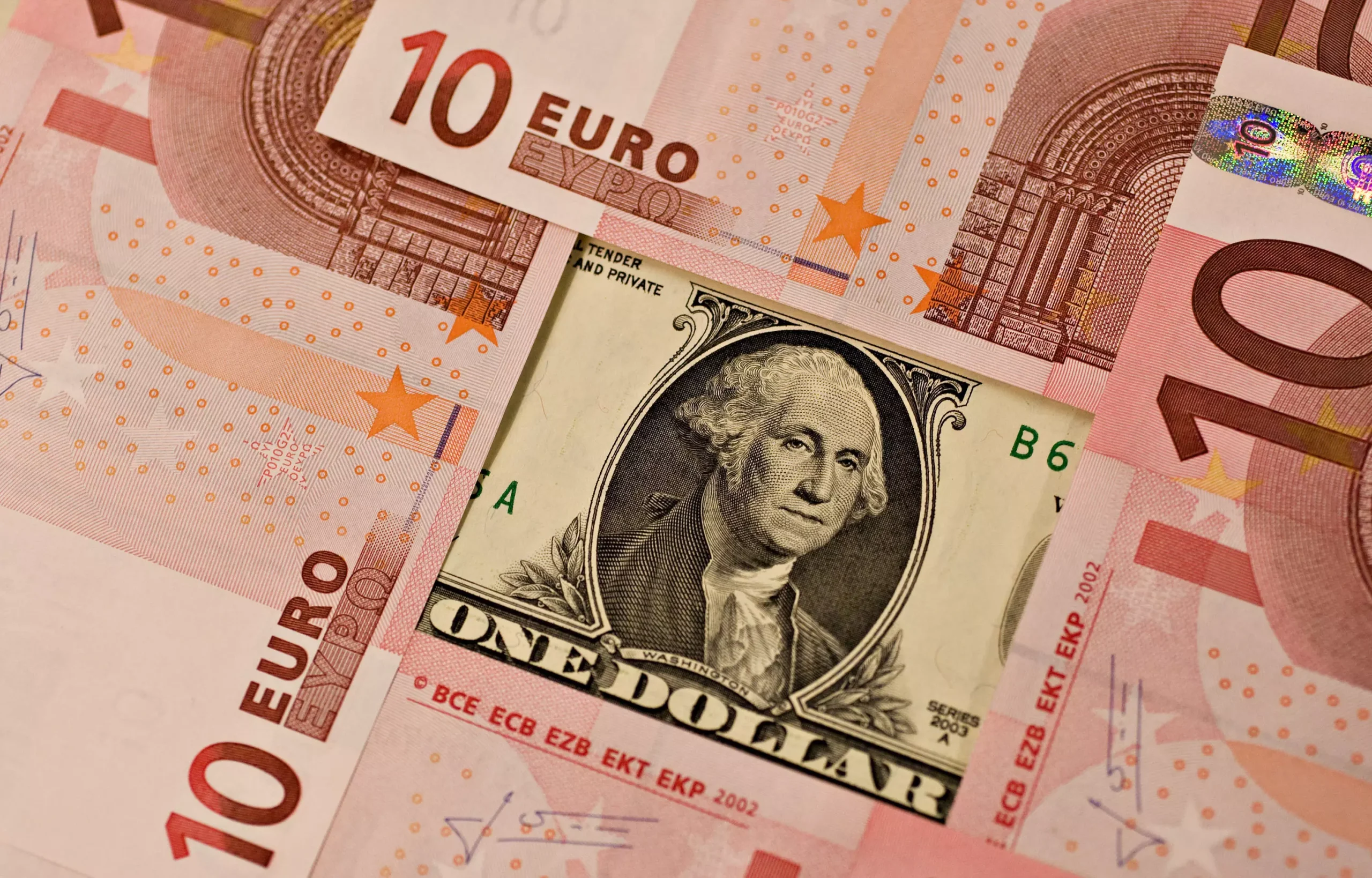
The euro dominates EU exports (51.7%) but the US dollar leads imports (51.1%). This article explores whether the EU can shift to euro-only trade to reduce USD reliance and how it can respond to new US tariff threats linked to Greenland.
The Dual-Currency Reality of EU Trade
In global trade, currency choices are a powerful tool for economic influence. For the European Union, the euro and the US dollar are the two dominant invoicing currencies for its trade with the rest of the world. However, the share of each currency differs significantly between exports and imports, revealing a continued dependence on the dollar. This dependency is now under the spotlight as geopolitical tensions rise. Former US President Donald Trump has recently threatened escalating tariffs on several European nations to pressure Denmark into selling Greenland. This article examines the current currency shares in EU trade, the feasibility of a full shift to the euro, and how the bloc can formulate a united response to these twin challenges.
The Current Landscape: How Much EU Trade is in Euros and Dollars?
According to the latest Eurostat data for 2024, the euro is the primary currency for the EU’s external exports. 51.7% of extra-EU exports are invoiced in euros, while the US dollar accounts for 31.4%. The situation reverses for imports: 51.1% of extra-EU imports are invoiced in US dollars, with the euro used for 39.7%. This imbalance highlights the dollar’s entrenched role as the global vehicle currency, especially for commodity purchases and trade with third countries. The data confirms that while the euro is strong within its neighbourhood, the dollar retains a dominant grip on global trade flows.
Can the EU Fully Shift to Euro-Only Trade?
The idea of “de-dollarising” EU trade and using only the euro is strategically attractive but faces immense practical hurdles.
-
Dollar Dominance in Key Sectors: The US dollar’s dominance is deeply rooted in commodity markets (like oil and gas), global financial systems, and its role as the world’s primary reserve currency. A 2025 European Parliament study concludes that a quick decline of the dollar or a shift to a multipolar currency system is “highly unlikely” in the foreseeable future. The study notes that the euro’s role remains primarily regional, constrained by fragmented capital markets and unresolved questions of fiscal and political union.
-
The Power of Network Effects: Currency usage is subject to powerful network effects. Businesses and countries prefer to use the currency that their trading partners, suppliers, and competitors use. Shifting this inertia requires a coordinated, long-term effort that goes beyond EU borders.
-
Pathways for a Stronger Euro Role: A full, unilateral shift to euro-only trade is not immediately feasible. However, the EU can gradually increase the euro’s share by:
-
Deepening the Capital Markets Union to create more liquid and attractive euro-denominated financial assets.
-
Encouraging the use of the euro in new trade agreements, especially with strategic partners.
-
Developing alternative payment systems to reduce reliance on dollar-centric financial infrastructure.
-
The goal is not an overnight revolution but a sustained strategy to build a more balanced international monetary system.
Crafting a Response: Trump’s Tariffs and the Greenland Question
The recent threat of tariffs over Greenland represents a direct geopolitical and economic challenge. President Trump has vowed to impose 10% tariffs on eight European nations, escalating to 25%, until the US is allowed to purchase Greenland. European leaders have uniformly rejected the idea that the territory is for sale.
The EU’s response must be firm, unified, and strategic:
-
Solidarity and Diplomacy: The EU has already stated its “full solidarity” with Denmark and Greenland. Maintaining this united front is crucial. Diplomatic channels must be used to clarify that such coercive tactics are unacceptable among allies and risk severely damaging transatlantic relations.
-
Legal and Trade Countermeasures: The EU has a established framework for responding to unjustified tariffs. It can, and likely will, prepare proportionate countermeasures targeting US exports, as it has done in previous trade disputes. This demonstrates that unilateral coercion carries a tangible cost.
-
Strengthening Strategic Autonomy: This episode underscores the urgency of the EU’s strategic autonomy agenda. Reducing critical dependencies, whether in energy, defence, or digital technology, makes the bloc less vulnerable to external pressure. It also strengthens the EU’s hand in all negotiations.
–
Conclusion: A Strategic Path Forward for the Euro and EU Sovereignty
The EU’s trade currency data reveals a bloc caught between its own powerful single currency and the enduring global dominance of the US dollar. A complete abandonment of the dollar is not a realistic short-term goal. However, a deliberate, long-term strategy to bolster the euro’s international role is both possible and necessary for the EU’s economic sovereignty.
Simultaneously, the threat of tariffs over Greenland is a stark reminder that economic tools are increasingly used for geopolitical ends. The EU’s response—combining unwavering unity, calibrated countermeasures, and a renewed push for strategic autonomy—will define its ability to protect its interests and values in a more contested world. The path forward lies not in reactive isolation, but in confident, cohesive, and strategic action.
Despite clear warnings from experts about the vulnerability of relying on the US dollar, European leaders currently lack the unified political will and determination to decisively shield EU trade from American financial systems. The primary obstacle is not a lack of recognition but a failure to overcome internal political resistance to necessary reforms, such as the long-delayed creation of a deep and integrated Capital Markets Union, which is essential for Europe’s financial sovereignty. ECB President Christine Lagarde has acknowledged the euro’s potential as an alternative but stresses that Europe’s fragmented and inefficient capital markets and persistent internal trade barriers are major obstacles. Consequently, while there is strategic rhetoric about the euro’s role, European policy has been largely reactive—suspending trade deals or proposing counter-tariffs—rather than proactively building a resilient, independent financial infrastructure.
Sources: Eurostat (2024), European Central Bank (2025), European Parliament Study (2025), Reuters (2026).
THANK YOU !