
The Rise of the Invisible Commercial Fleet
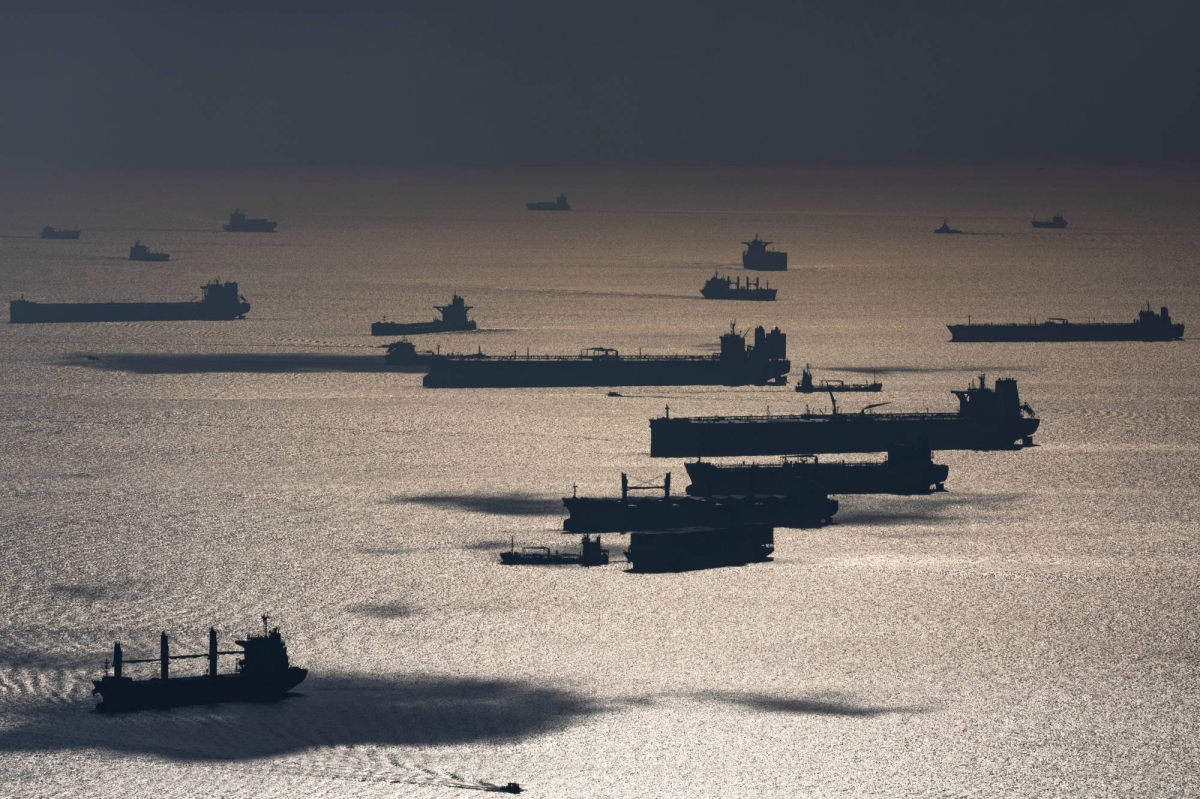
In the vast, ungoverned expanses of the world’s oceans, a parallel shipping industry has emerged from the shadows. Known as the “dark fleet” or “shadow fleet,” this network comprises vessels that use sophisticated, deceptive practices to smuggle sanctioned goods, primarily oil, for nations like Russia, Iran, North Korea, China, and Venezuela. What began as a niche workaround for isolated regimes has, since 2022, exploded into a global-scale operation. This explosive growth is a direct, unintended consequence of the West’s most powerful economic weapon: widespread sanctions.
This article explores how the unprecedented level of sanctions imposed by the United States and its allies has not only failed to cripple targeted economies but has instead catalyzed the creation of a sprawling, dangerous, and illicit maritime network. This shadow fleet, now estimated at well over 1,400 vessels, undermines international law, poses severe environmental and safety risks, and is actively facilitating a historic shift away from the US dollar in global trade—a process known as dedollarization.
What Is a Shadow Fleet? Definitions and Scale
A shadow fleet refers to ships that engage in sanction-busting activities by employing a layered set of concealing tactics. These vessels operate outside the established, regulated global shipping system, creating a high-risk, parallel supply chain.
-
The “Dark” vs. “Gray” Fleet: Maritime intelligence firms like Windward categorize this world into two groups. The “dark fleet” consists of high-risk vessels that deliberately hide their activity, often transporting sanctioned crude and conducting covert ship-to-ship transfers. The “gray fleet” is a newer, behavioral category of vessels that exhibit suspicious patterns—such as opaque ownership or unusual routing—linked to sanctioned trade but are not formally blacklisted, requiring enhanced due diligence from legitimate businesses.
-
Explosive Growth: The scale is staggering. Following Russia’s invasion of Ukraine, the shadow fleet grew from a few hundred ships to an estimated 600 tankers within a year. By late 2023, estimates reached 1,100 to 1,400 vessels, representing a significant portion of the global tanker fleet. This growth is directly tied to the need to circumvent sanctions on the world’s largest energy exporters.
The Engine of Expansion: How Sanctions Created a Black Market
The shadow fleet is not an organic phenomenon; it is a logistical creation born of economic warfare. The comprehensive sanctions regimes imposed by the US, EU, and UK on multiple state actors have systematically blocked their access to legitimate global shipping services, including Western-owned vessels, insurance, and financing.
The following table summarizes the primary deceptive shipping practices (DSPs) these fleets employ to evade detection and continue trading.
| Tactic | Description | Primary Purpose |
|---|---|---|
| AIS Manipulation | Turning off Automatic Identification System (AIS) transponders or “spoofing” location data. | To disappear from tracking systems during illicit activities like ship-to-ship transfers. |
| Ship-to-Ship (STS) Transfers | Transferring cargo, especially oil, between vessels at sea, often in remote areas. | To obscure the origin of sanctioned cargo and break the paper trail. |
| Identity Laundering & Flag Hopping | Frequently changing a vessel’s name, registered owner, and “flag of convenience” (country of registration). | To create a new, clean legal identity and exploit jurisdictional gaps. |
| Opaque Ownership | Using complex layers of shell companies, often based in offshore havens, to hide beneficial ownership. | To provide plausible deniability and shield facilitators from legal liability. |
| Use of Alternative Insurers | Replacing Western Protection & Indemnity (P&I) insurance with insufficient schemes from sanctioned states. | To operate without the safety net of reputable insurance, transferring environmental liability to coastal states. |
High-Risk Operators: The Sanctioned States Driving Demand
The shadow fleet is the lifeline for nations laboring under extensive international sanctions. The US and its allies have imposed punishing measures on a huge number of countries, but a core group are the primary clients and architects of this dark network.
Russia: Now the world’s most sanctioned country, Russia’s energy exports were directly targeted by a G7-led oil price cap and embargo. In response, Moscow built the largest component of the shadow fleet, amassing hundreds of tankers—many bought from Western sellers—to transport its oil to markets in China and India.
Iran: A long-time master of sanctions evasion, Iran perfected the use of “ghost fleets” and complex financial workarounds. Its tactics, including sophisticated AIS spoofing, have become models for others.
North Korea: Subject to some of the most comprehensive UN sanctions, North Korea employs advanced vessel identity laundering and cyber-financial operations to fund its regime.
Venezuela: Heavily sanctioned for political and human rights reasons, Venezuela’s state oil company PDVSA relies on shadow tankers to export crude, primarily to China, often using cryptocurrencies for payment.
The cooperation among these nations, alongside economic giant China, is sometimes termed the “Sanctions Quartet.” They share tactics, vessels, and a common goal: to build an alternative, sanctions-proof trading system.
The Staggering Risks: Safety, Environment, and Global Security
Operating outside the rules-based maritime system makes the shadow fleet a floating hazard. The risks are not merely economic but catastrophically tangible.
-
Aging, Unseaworthy Vessels: The average shadow fleet tanker is 18 years old, compared to 10 years for the mainstream commercial fleet. Over 75% are past the 15-year threshold where critical failures spike. These vessels are poorly maintained and often crewed by underqualified mariners.
-
Environmental Time Bomb: These aging, uninsured tankers navigate some of the world’s most sensitive waterways, like the narrow, shallow Baltic Sea. A single major oil spill from a vessel with no verifiable insurance could cause ecological devastation, with cleanup costs—potentially billions of dollars—falling entirely on the affected coastal state.
-
Safety and Infrastructure Threats: Shadow fleet vessels have been involved in dozens of incidents, from hull breaches to power loss. In December 2024, a Russian-linked tanker damaged seabed power and telecom cables by dragging its anchor, showcasing the threat to critical subsea infrastructure.
-
Geopolitical Flashpoints: The fleet is now an instrument of “gray zone” aggression. Nations attempting to inspect these vessels risk military escalation. In May 2025, when Estonia moved to inspect the unflagged tanker Jaguar, a Russian Su-35 fighter violated its airspace in response, prompting a NATO scramble.
The Financial Frontier: Sanctions, Shadow Fleets, and Dedollarization
The shadow fleet is a critical enabler of a profound shift in global finance, driven by backlash against the weaponization of the US dollar. Extensive US sanctions have compelled targeted states to aggressively build alternatives, conducting bilateral trade in national currencies and utilizing systems like China’s CIPS. This strategic decoupling, facilitated by the fleet’s movement of physical commodities, demonstrates that critical trade can occur outside dollar channels, systematically eroding the currency’s long-term dominance and trust.
The shadow fleet’s impact extends far beyond the waterline; it is a key conduit in a fundamental restructuring of the global financial order. The pervasive use of US financial sanctions has triggered a powerful backlash, accelerating efforts to reduce dependence on the US dollar.
-
Weaponization of the Dollar: The dollar’s dominance allows the US to monitor and choke off transactions through the global banking system (like SWIFT). For sanctioned states, this is an existential threat to their ability to trade.
-
Building Alternatives: In response, these states are pioneering non-dollar financial channels. Russia and China now conduct over 90% of their bilateral trade in rubles and yuan, bypassing dollars entirely. They utilize alternative payment systems like China’s CIPS and Russia’s SPFS, and engage in barter trades and cryptocurrency payments to settle shadow fleet transactions.
-
A Strategic Shift: This is not merely evasion but a strategic project. As noted by analysts, the continuous “weaponization of the dollar for short-term political gains erodes its long-term global trust, reliability, and dominance”. The shadow fleet is the physical supply chain enabling this financial decoupling, proving that critical commodities like oil can be traded outside the dollar system.
Enforcement Challenges: An Uphill Battle
Combating the shadow fleet is notoriously difficult. Authorities face a “hydra” of jurisdictional and tactical problems.
-
Fragmented Sanctions Regimes: The US, EU, and UK maintain different lists of sanctioned vessels and employ different enforcement tools (financial prohibitions vs. port bans). There is limited overlap, allowing operators to reflag and reroute.
-
The Limits of Designation: Sanctioning a vessel disrupts but rarely stops it. A case study of the tanker Mikati shows that after EU sanctions, it simply changed its registered owner to a shell company in Samoa and continued hauling Russian oil to India. However, data shows US OFAC sanctions are more potent, causing a ~70% drop in a vessel’s productivity, compared to a ~30% drop from EU sanctions, as global ports fear secondary US penalties.
-
Exploiting Legal Gray Zones: On the high seas beyond national jurisdiction, shadow fleets operate in legal voids. “Right of innocent passage” rules protect their movement, and without universal agreement to board and inspect, they sail with impunity.
Conclusion: A New Maritime Reality
The dark fleet is the embodiment of a fragmenting world. It is a direct, scalable, and dangerous consequence of the West’s sanctions policy, demonstrating that determined states can and will innovate around financial isolation. Its continued operation undermines the efficacy of sanctions, transfers enormous environmental liability to innocent nations, and fuels the strategic dedollarization efforts of America’s adversaries.
For the global maritime industry, compliance officers, and policymakers, the shadow fleet is no longer a peripheral issue. It represents a permanent and growing feature of the trading landscape—a high-stakes challenge that demands smarter, more unified, and technologically adept responses. The security of the world’s oceans and the stability of the global financial system may well depend on the outcome of this clash between enforcement and evasion.