
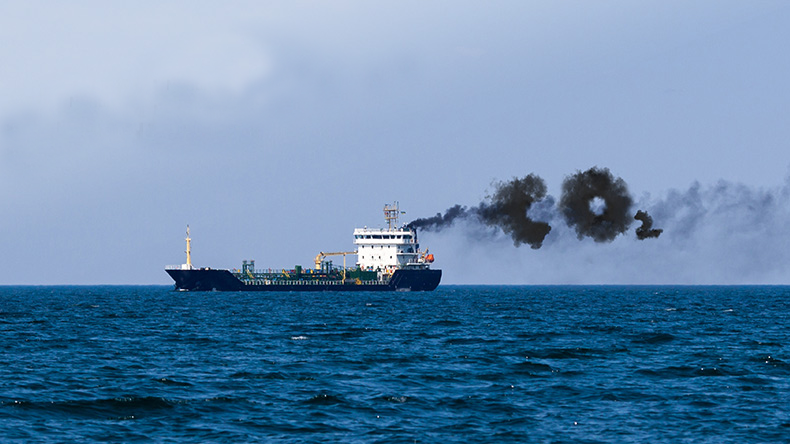
For shipping companies, 2026 is not just another year—it’s the critical inflection point for decarbonization strategy. With the International Maritime Organization’s (IMO) landmark Net-Zero Framework poised for a decisive vote and existing regulations tightening, strategic decisions made in the coming year will determine competitiveness and compliance for decades. This guide provides a comprehensive roadmap for ship owners and operators navigating this pivotal moment.
The Regulatory Crossroads of 2026: Understanding the Timeline
The maritime industry is caught between two powerful regulatory currents: established rules that are already in force and a transformative new framework hanging in the balance. Successfully navigating 2026 requires understanding both.
The Current Regime: EEXI and CII in Force
Since January 2023, two key IMO measures have been mandatory. First, the Energy Efficiency Existing Ship Index (EEXI) requires ships of 400 gross tonnage and above to meet a specific technical efficiency standard, often achieved through engine power limitations or technical modifications. Second, the Carbon Intensity Indicator (CII) rates the operational efficiency of ships over 5,000 GT annually on an A-to-E scale.
The first CII ratings were issued in 2024, revealing that while 78% of ships met the required ‘C’ or better, a significant 22%—over 5,500 vessels—were rated D or E. Crucially, the CII requirements become stricter each year. The reduction factor escalates from 5% in 2023 to 11% in 2026, meaning a ship that earned a ‘B’ today could slip to a ‘C’ or ‘D’ in two years without action. A ship rated ‘E’ for one year or ‘D’ for three consecutive years must submit and implement a corrective action plan. The IMO is mandated to review the effectiveness of these CII and EEXI regulations by January 1, 2026, with potential for stricter amendments.
The Pending Revolution: The IMO Net-Zero Framework
In April 2025, the IMO’s Marine Environment Protection Committee (MEPC) approved the draft of a far more comprehensive Net-Zero Framework (NZF). This framework introduces a two-pronged approach:
-
A Global Fuel Standard (GFS): Mandating a progressive reduction in the greenhouse gas (GHG) intensity of marine fuels.
-
A Global Economic Measure: A carbon pricing mechanism where ships emitting above thresholds must purchase “remedial units,” while early adopters of clean technology can earn financial rewards.
Designed to accelerate the transition to zero-carbon fuels, the NZF would apply to large ocean-going vessels (over 5,000 GT), which are responsible for approximately 85% of international shipping’s CO2 emissions.
The 2026 Delay: A Strategic Pause, Not a Cancellation
The planned October 2025 vote to formally adopt the NZF was unexpectedly adjourned to October 2026 following geopolitical pressures. This delay creates a complex strategic environment. While it provides a temporary reprieve from imminent carbon costs, it extends uncertainty. Industry leaders like Wärtsilä warn that “less predictable regulations” are now a key trend, making long-term planning essential yet more difficult.
The delay does not diminish the ultimate direction. The underlying 2023 IMO GHG Strategy—with its targets of at least a 20% reduction in emissions by 2030 and net-zero “by or around 2050”—remains unchanged. Proactive companies will use this extra year not to wait, but to prepare aggressively, treating 2026 as a vital planning and investment window before the rules are finally set.
Building a Flexible Decarbonization Strategy: A Three-Pillar Approach
In this climate of regulatory evolution, a rigid, one-size-fits-all plan is a liability. The most effective strategy, as outlined by industry experts, is built on flexibility, data, and lifecycle optimization. Companies must develop a tailored plan across three interconnected pillars.
Pillar 1: Maximize Operational and Technical Efficiency (The “Quick Wins”)
Before major capital investments, companies must exhaust all cost-effective efficiency measures. These improve CII ratings immediately and will remain valuable under any future framework.
-
Voyage Optimization: Leveraging AI and big data for weather routing, speed optimization, and just-in-time port arrivals can reduce fuel consumption significantly. One industry leader noted that systematic data analysis can identify “excess operational costs,” providing real-time recommendations to crews for immediate savings.
-
Hull & Propeller Performance: Regular hull cleaning and propeller polishing to reduce drag, alongside the use of advanced coatings, are proven methods.
-
Energy Saving Devices (ESDs): Retrofitting technologies like wake-equalizing ducts, pre-swirl stator fins, or propeller boss cap fins can deliver efficiency gains of 2-8%.
-
Auxiliary Power & Hotel Loads: Implementing LED lighting, high-efficiency pumps, and even solar/wind power for accommodation services reduces the auxiliary load.
-
Fuel Additives: Proven combustion improvers can enhance fuel efficiency and lower emissions. As one supplier notes, this is a “cost effective, readily available solution that is easy to introduce today” without capital expenditure.
Pillar 2: Plan for Fleet Transition and Technology Retrofits
This pillar involves mid-to-long-term capital planning to ensure your fleet remains compliant and valuable.
-
Fuel Flexibility is King: The “fuel of the future” remains unclear. Therefore, investing in fuel-flexible engines (capable of running on LNG, methanol, bio-blends, or conventional fuels) or designing newbuilds with “fuel-agnostic” space and systems is critical. This allows you to switch fuels as availability, price, and regulations dictate.
-
Embrace Hybridization: Hybrid electric propulsion systems, which combine internal combustion engines with batteries, offer operational flexibility, reduce fuel burn during dynamic operations, and provide a platform for integrating future energy sources.
-
Evaluate Retrofittable Technologies: Consider retrofits that future-proof assets. This includes:
-
Onboard Carbon Capture and Storage (OCCS): The IMO has approved a work plan to develop a regulatory framework for OCCS. DNV’s analysis suggests equipping ships with OCCS and developing port offloading infrastructure could be as effective as large quantities of low-GHG fuels in meeting 2030 targets.
-
Wind-Assisted Propulsion: Technologies like rotor sails, suction wings, and kite sails are experiencing a renaissance. Over 60 ships were equipped with modern systems by mid-2025, primarily as retrofits.
-
-
Adopt a Lifecycle Optimization Mindset: Move beyond age-based fleet renewal. A well-maintained and progressively upgraded older vessel can be more efficient and valuable than a neglected newer one. Partner with OEMs for dynamic maintenance planning and use digital twins to simulate the total cost and emissions impact of different retrofit scenarios over a vessel’s entire life.
Pillar 3: Navigate the Alternative Fuel Landscape
The long-term solution lies in zero-carbon fuels, but the pathway is fraught with complexity.
The following table compares the primary alternative fuel candidates, their readiness, and strategic considerations for 2026 planning:
| Fuel | Current Status & Readiness | Key Advantages | Major Challenges & Risks | Strategic Consideration for 2026 |
|---|---|---|---|---|
| LNG/Bio-LNG | Mature technology. Extensive global bunkering network. Many dual-fuel engines in operation. | Immediate air quality benefits (SOx, NOx, PM). Bio/e-LNG offers a drop-in path to net-zero. | Methane slip concerns. Price volatility. Bio/e-LNG supply is limited and costly. | Ideal for newbuilds on fixed routes with LNG access. Plan for bio/e-LNG blending via mass-balance chain-of-custody models. |
| Methanol | Rapidly scaling. Significant number of newbuild orders, especially in container segment. | Liquid at ambient temperature, easier to handle than LNG or ammonia. Can be produced from green hydrogen + CO2. | Mostly produced from natural gas today (“grey methanol”). Green methanol supply is scarce. Lower energy density than oil. | A leading candidate for new orders. Secure long-term green methanol offtake agreements now to ensure future compliance. |
| Ammonia | Early demonstration phase. First engine tests and pilot projects underway. | Zero-carbon when green. High energy density. Existing global production and transport infrastructure. | Highly toxic. Requires new safety protocols. Low combustion efficiency. “Ammonia slip” as an N2O pollutant. | Focus on R&D, crew training, and safety framework development. Likely a 2030s+ solution for deep-sea shipping. |
| Hydrogen | Niche applications only. Limited to small, short-range vessels and fuel cell prototypes. | Zero-emissions at point of use. | Extremely low volumetric density. Requires cryogenic storage (-253°C). Immature bunkering infrastructure. | Monitor for short-sea and ferry segments. Not yet viable for deep-sea trade. |
| Advanced Biofuels | Commercially available “drop-in” fuel. Blended with conventional fuel oil. | No engine modifications required. Can significantly reduce well-to-wake emissions immediately. | Truly sustainable supply is limited and competes with other sectors. High cost. Sustainability certification is critical. | A strategic transitional tool for improving CII and preparing for the GFS. Use to comply in the short term while planning longer-term fuel shifts. |
The Infrastructure Imperative: A fuel is only as good as its availability. A key 2026 action is to engage with ports, fuel suppliers, and industry coalitions (like the Leading Sustainable Shipping Technologies Forum – LSSTF) to advocate for and invest in the bunkering infrastructure for your chosen fuel pathway.
–
The 2026 Action Plan: Concrete Steps to Take Now
Waiting for the October 2026 IMO vote is a high-risk strategy. Here is a decisive 12-month plan:
-
Conduct a Comprehensive Fleet-Wide CII & EEXI Assessment: Model your fleet’s CII trajectory through 2030 under increasingly stringent factors. Identify vessels at risk of D/E ratings and prioritize them for intervention.
-
Launch a Data-Digitalization Initiative: You cannot manage what you cannot measure. Invest in IoT sensors, data integration platforms, and analytics to get a true, real-time picture of vessel performance. This data is the foundation for voyage optimization, predictive maintenance, and validating retrofit ROI.
-
Develop Fuel Transition Roadmaps for Each Vessel Segment: Tankers, bulk carriers, and container ships have different profiles. Create tailored roadmaps that evaluate fuel flexibility, retrofit potential (for OCCS, wind-assist), and newbuild planning for each segment.
-
Engage in Strategic Partnerships: Forge closer relationships with engine OEMs, fuel suppliers, and technology providers. Discuss lifecycle service agreements, future retrofit pathways, and fuel offtake options. Collaboration is essential to de-risk the transition.
-
Prepare for Carbon Pricing: Regardless of the NZF delay, a cost on emissions is coming. Start internal shadow carbon pricing in your financial models to understand exposure and make future-proof investment decisions.
-
Invest in Human Capital: DNV estimates that 33,000 seafarers will require alternative fuel training in the next 3-4 years. Begin upskilling your crews and technical superintendents now on safety procedures for new fuels and technologies.
The journey to maritime decarbonization is a marathon, not a sprint. The year 2026 is the critical training and equipping phase. Companies that use this time to build flexible, data-driven strategies, make targeted efficiency investments, and deeply understand the alternative fuel landscape will not just comply with regulations—they will secure a decisive competitive advantage in the clean shipping era of tomorrow.