
How Culture, Geography, and the Sea Shape Global Diets
Seafood is one of humanity’s oldest and most nutritionally significant food sources. While global fish consumption has increased steadily over the past decades, seafood use varies dramatically by country. In some nations, fish is a dietary cornerstone eaten daily; in others, it remains occasional or seasonal.
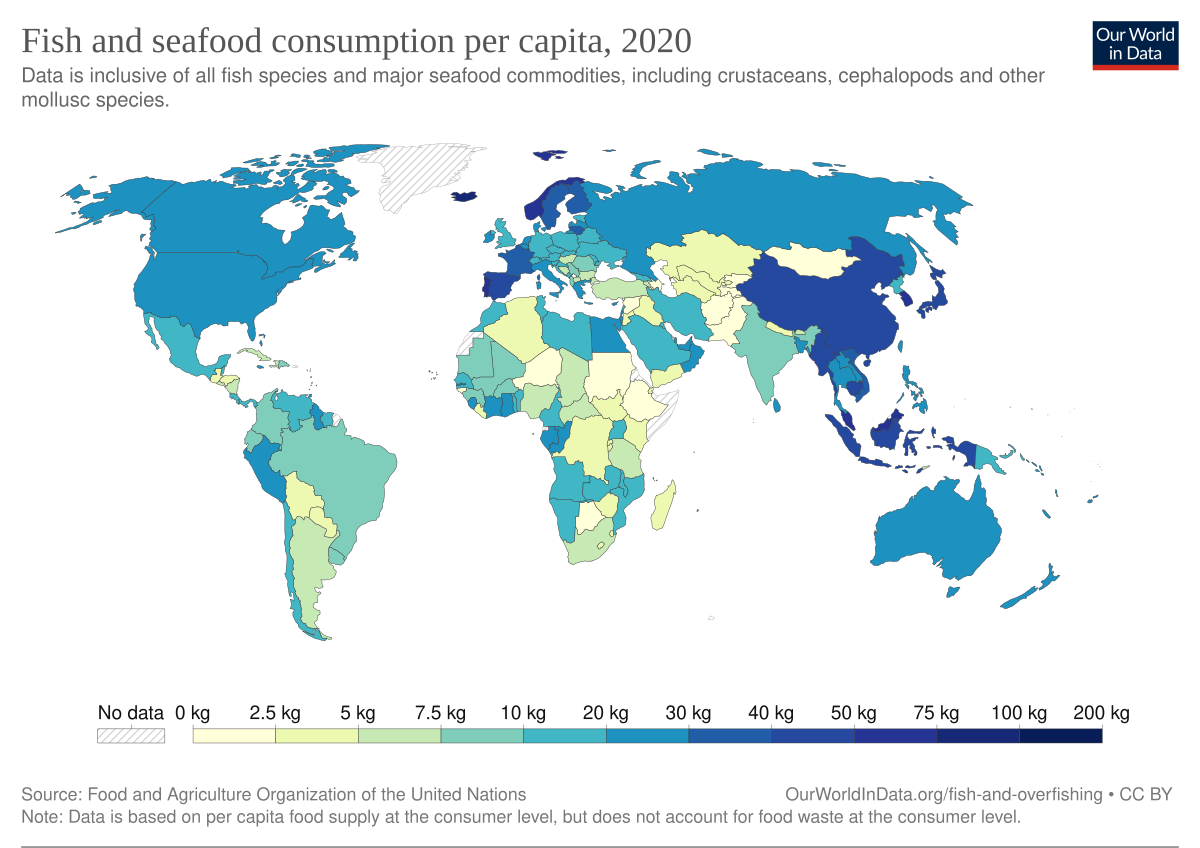
This article highlights twelve countries with the highest per-capita seafood consumption, measured in kilograms per person per year, and explores the cultural, geographic, and economic factors behind these patterns.

1. Maldives – Seafood as a Daily Staple
The Maldives consistently ranks at the top globally for seafood consumption per capita, exceeding 85–90 kg per person per year. Tuna forms the backbone of the national diet, consumed fresh, dried, or smoked. Geographic isolation and limited agricultural land make fish the most reliable protein source.
2. Iceland – High-Protein Diet from Cold Waters
Iceland’s per-capita seafood consumption typically ranges between 85 and 90 kg per person. Cod, haddock, and pelagic species dominate the diet. Strong fisheries governance and full-utilization processing support both domestic consumption and exports.
3. Portugal – Europe’s Seafood Capital
Portugal leads the European Union in seafood consumption, averaging 55–60 kg per person per year. Salt cod (bacalhau), sardines, and shellfish are central to Portuguese cuisine, reflecting centuries of maritime tradition.
4. Japan – Culinary Refinement of Marine Protein
Japan’s seafood consumption, historically among the world’s highest, now averages around 45–50 kg per person per year. Fish remains essential to Japanese cuisine, from sushi and sashimi to cooked dishes, though consumption has gradually declined due to demographic changes.
5. South Korea – Fermented and Fresh Seafood Culture
South Korea consumes approximately 55 kg per person per year, driven by a diverse seafood culture that includes fresh fish, fermented products, and seaweed. Coastal geography and advanced aquaculture sustain high availability.
6. Norway – Fish as Food and Identity
Norway’s seafood consumption averages 50–55 kg per person annually. In addition to wild fisheries, farmed salmon plays a significant role in domestic diets, reinforcing seafood as both a cultural and economic pillar.
7. Spain – Mediterranean and Atlantic Traditions
Spain’s per-capita seafood intake typically ranges between 45 and 50 kg. Anchovies, hake, octopus, and shellfish are widely consumed, supported by access to both Atlantic and Mediterranean fisheries.
8. China – Scale and Diversity in Seafood Diets
China’s per-capita seafood consumption has risen sharply, now estimated at 40–45 kg per person per year. Aquaculture dominates supply, making seafood affordable and accessible across inland and coastal regions.
9. Vietnam – River and Coastal Fisheries Combined
Vietnam averages 35–40 kg per person per year, reflecting heavy reliance on both marine fisheries and aquaculture. Fish sauce, freshwater fish, shrimp, and shellfish are deeply embedded in daily diets.
10. Thailand – Seafood in Everyday Cuisine
Thailand’s seafood consumption is approximately 35 kg per person annually. Coastal fisheries and aquaculture support widespread use of fish, shrimp, and squid in household and street-food cooking.
11. Malaysia – Tropical Fisheries and Aquaculture
Malaysia consumes around 45 kg per person per year, with seafood forming a major protein source. Marine fish, prawns, and mollusks feature prominently in diverse regional cuisines.
12. Seychelles – Small Island, High Seafood Dependence
Seychelles records per-capita seafood consumption exceeding 60 kg per person annually. Limited land agriculture and abundant marine resources make fish the cornerstone of food security and cultural identity.
Comparative Overview of High-Seafood-Consumption Nations
| Country | Approx. kg/person/year | Key Drivers |
|---|---|---|
| Maldives | 85–90 | Island geography, tuna fisheries |
| Iceland | 85–90 | Cold-water fisheries |
| Seychelles | 60+ | Marine-based food system |
| Portugal | 55–60 | Cultural tradition |
| South Korea | ~55 | Coastal cuisine |
| Norway | 50–55 | Fisheries & aquaculture |
| Japan | 45–50 | Culinary heritage |
| Spain | 45–50 | Dual-sea access |
| Malaysia | ~45 | Tropical fisheries |
| China | 40–45 | Aquaculture expansion |
| Vietnam | 35–40 | River & coastal fish |
| Thailand | ~35 | Seafood-centric cuisine |
Why Per-Capita Seafood Consumption Matters
High seafood consumption is often linked to:
-
Coastal or island geography
-
Limited livestock agriculture
-
Strong fishing or aquaculture sectors
-
Cultural continuity of seafood cuisine
-
Nutrition policies emphasizing omega-3 intake
However, it also raises important questions about stock sustainability, aquaculture impacts, and marine ecosystem health.
Conclusion
The nations with the highest seafood consumption per person demonstrate how geography, culture, and food systems intersect at sea. From island states like the Maldives to maritime nations such as Portugal and Japan, seafood remains central to diets, economies, and identities. As global demand for marine protein grows, these countries offer valuable lessons—both positive and cautionary—on balancing nutrition, tradition, and sustainability.