
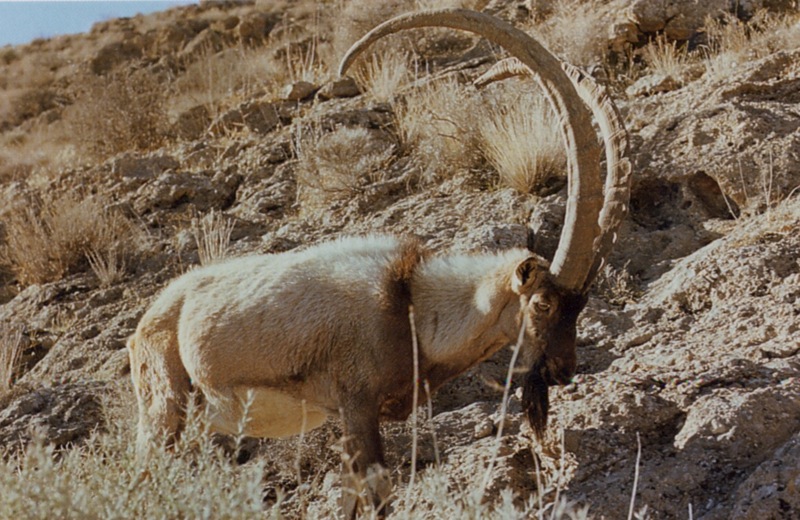
From Iranian Highlands to Arabian Deserts: Terrestrial Wildlife of a Harsh Landscape
The Persian Gulf region spans far more than coastal deserts. Its northern shores extend into the Iranian Plateau, Zagros Mountains, wetlands, and semi-arid steppes, while the southern shores encompass vast deserts and rugged ranges of the Arabian Peninsula. This geographic diversity supports a unique assemblage of terrestrial wildlife adapted to heat, aridity, salinity, and rugged terrain.
This refined list highlights twelve flagship land animals found across the entire Persian Gulf region, with particular attention to Iranian species of the northern Gulf alongside well-known Arabian fauna.
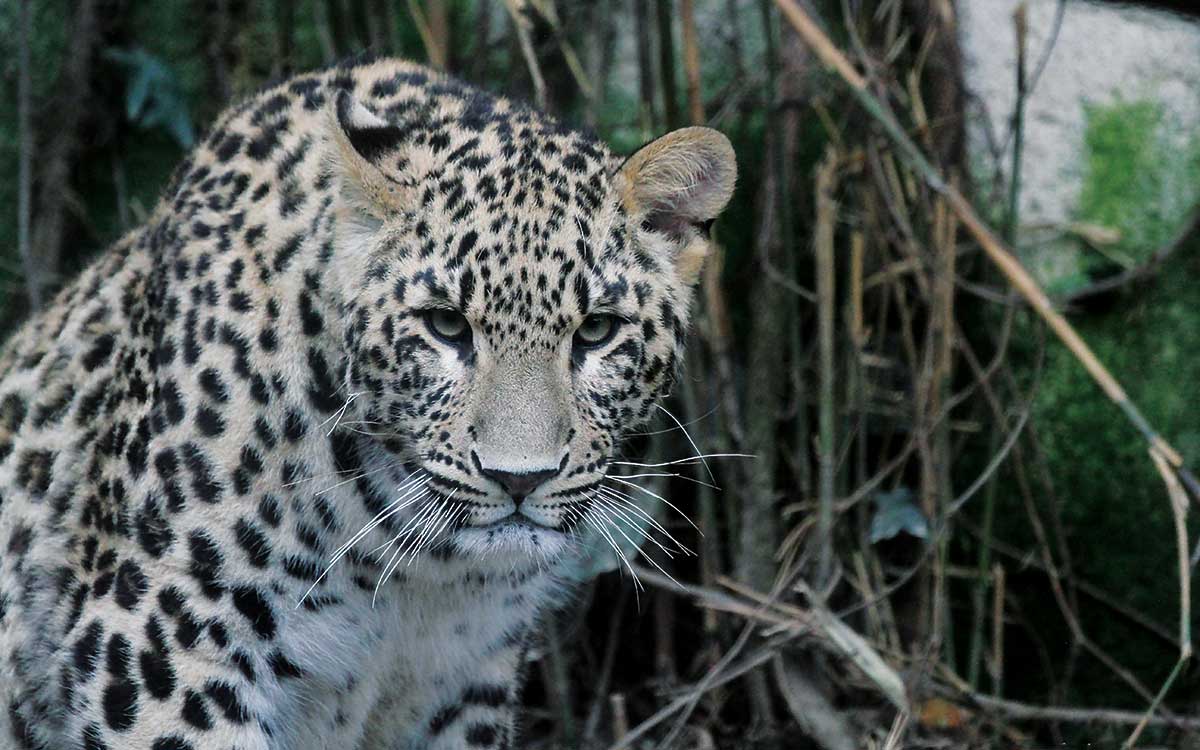
1. Persian Leopard (Panthera pardus saxicolor) – Apex Predator of the Northern Gulf
The Persian leopard is the largest leopard subspecies in the world and the true apex predator of the northern Persian Gulf region. Found in Iran’s Zagros and Alborz Mountains, it historically ranged across the entire Near East. Highly elusive and critically important ecologically, it regulates herbivore populations in mountainous ecosystems.
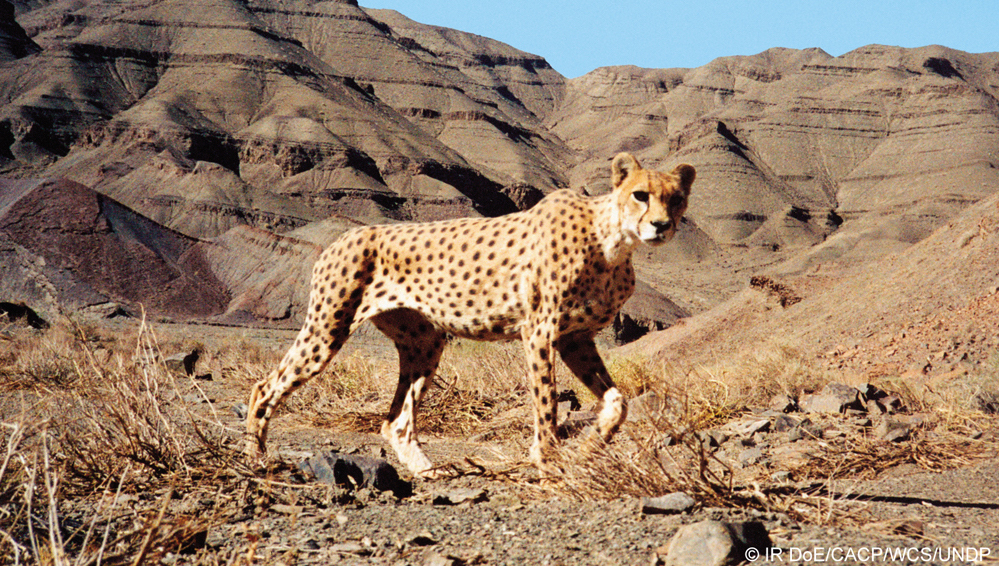
2. Asiatic Cheetah (Acinonyx jubatus venaticus) – Iran’s Endemic Icon
Now surviving only in Iran, the Asiatic cheetah is one of the world’s rarest mammals. Adapted to arid plains and semi-desert regions of central and eastern Iran, it once roamed much of Southwest Asia. Its presence highlights Iran’s global conservation responsibility.
3. Persian Onager (Equus hemionus onager) – Wild Ass of the Iranian Plateau
The Persian onager inhabits arid plains and steppe ecosystems of Iran near the northern Persian Gulf watershed. Highly resilient to heat and water scarcity, it plays a vital role in grassland ecology and represents one of the region’s oldest wild equids.
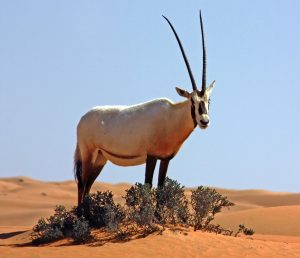
4. Arabian Oryx (Oryx leucoryx) – Desert Survival Specialist
Native to the Arabian Peninsula and reintroduced across Gulf states, the Arabian oryx symbolizes desert resilience. It survives extreme heat without drinking water by extracting moisture from plants and reducing daytime activity.
5. Arabian Wolf (Canis lupus arabs) – Adaptive Desert Carnivore
Smaller than northern wolves, the Arabian wolf occupies deserts and semi-arid zones across southern Gulf countries and parts of southwestern Iran. Its adaptability allows it to survive in fragmented habitats close to human settlements.
6. Nubian Ibex (Capra nubiana) – Master of Rocky Escarpments
Found in Oman, Saudi Arabia, and southern Iran, the Nubian ibex thrives in steep, rocky terrain where few predators can follow. Its agility and climbing ability are key survival traits in arid mountain ecosystems.
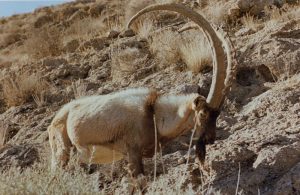
7. Persian Wild Goat / Bezoar Ibex (Capra aegagrus) – Ancestor of Domestic Goats
Native to Iran’s Zagros Mountains and northern Gulf hinterlands, the bezoar ibex is a cornerstone herbivore. It is genetically significant as the wild ancestor of domestic goats worldwide.
8. Striped Hyena (Hyaena hyaena) – Ecological Cleaner
Present across Iran and the Arabian Peninsula, the striped hyena is a nocturnal scavenger crucial for disease control. Despite its intimidating appearance, it avoids humans and plays a vital role in desert and semi-desert ecosystems.
9. Caracal (Caracal caracal) – The Stealth Desert Hunter
Distributed across Iran and the southern Gulf, the caracal is a powerful medium-sized predator known for its incredible jumping ability. It occupies deserts, savannas, and rocky hills, feeding on birds and small mammals.
10. Arabian Tahr (Arabitragus jayakari) – Endemic Mountain Survivor
Endemic to the Hajar Mountains of Oman and the UAE, the Arabian tahr is one of the region’s rarest mammals. Its compact body and sure-footedness allow it to survive on steep cliffs with minimal vegetation.
11. Rüppell’s Fox (Vulpes rueppellii) – Night Hunter of the Sands
This small fox inhabits sandy deserts across the southern Persian Gulf and southwestern Iran. Large ears aid heat dissipation, while nocturnal habits reduce water loss.
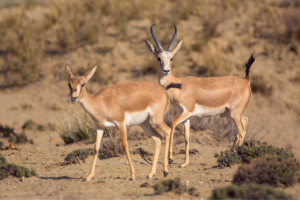
12. Goitered Gazelle (Gazella subgutturosa) – Shared Species of North and South Gulf
Found in Iran, Iraq, Kuwait, and Arabia, the goitered gazelle occupies plains, deserts, and semi-arid steppes. It is one of the few large herbivores common to both sides of the Persian Gulf.
–
Comparative Snapshot: Persian Gulf Terrestrial Wildlife
| Species | Core Range | Ecological Role |
|---|---|---|
| Persian Leopard | Iran (Zagros) | Apex predator |
| Asiatic Cheetah | Iran only | High-speed predator |
| Persian Onager | Iran | Grassland regulator |
| Arabian Oryx | Southern Gulf | Desert grazer |
| Bezoar Ibex | Iran | Keystone herbivore |
| Nubian Ibex | Oman–Iran | Mountain grazer |
| Arabian Wolf | Gulf-wide | Mesopredator |
| Striped Hyena | Gulf-wide | Scavenger |
| Caracal | Gulf-wide | Small prey control |
| Arabian Tahr | Oman–UAE | Endemic mountain species |
| Rüppell’s Fox | Southern Gulf | Insect & rodent control |
| Goitered Gazelle | Gulf-wide | Steppe herbivore |
Why Including the Northern Persian Gulf Matters
Excluding Iranian fauna presents an incomplete ecological picture. The northern Persian Gulf contributes:
-
Mountain predators absent from Arabia
-
Endemic species of global importance
-
Source populations for regional biodiversity
-
Evolutionary links between Central Asia and Arabia
The Persian Gulf ecosystem is biogeographically continuous, not politically divided.
Conclusion
The terrestrial wildlife of the Persian Gulf region reflects an extraordinary spectrum of adaptations—from the Persian leopard stalking Zagros cliffs to the Arabian oryx enduring open deserts. Recognizing both the Iranian and Arabian sides is essential for scientific accuracy and meaningful conservation planning. Together, these animals form one of the most resilient and historically significant wildlife assemblages on Earth.