
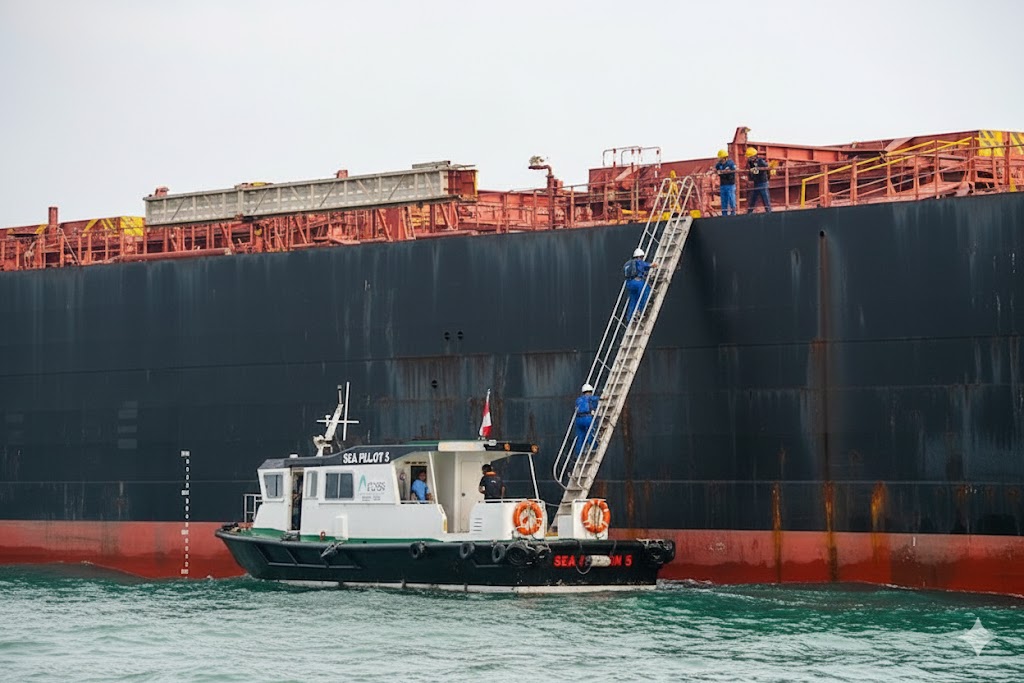
Where Global Seafarer Mobility Is Concentrated
Crew change is one of the most critical yet logistically complex aspects of global shipping. Every year, millions of seafarers embark and disembark at a limited number of strategically located ports that combine international air connectivity, port efficiency, visa accessibility, medical services, and crewing infrastructure.
This article highlights the twelve busiest and most important crew-change ports worldwide, based on frequency of crew movements, airline networks, proximity to major shipping routes, and supporting maritime services.
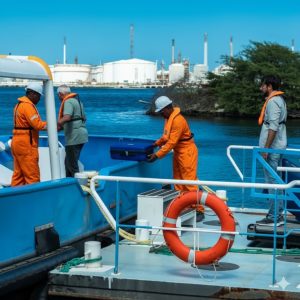
1. Singapore – The World’s Premier Crew-Change Hub
Singapore is widely regarded as the global capital of crew change. Its port efficiency, visa flexibility, world-class airport, and concentration of ship managers make it the preferred hub for crew rotations across all vessel types, including LNG, tankers, and container ships.
The city-state’s integrated logistics and telemedicine facilities ensure seamless and compliant crew transfers.
Its proactive maritime policies and vaccination recognition cemented its lead during the pandemic.
2. Manila, Philippines – Heart of the Global Seafarer Workforce
As the home country of the world’s largest seafarer population, Manila handles enormous crew movement volumes. Despite congestion challenges, its role in crew deployment, repatriation, and training remains unmatched.
The Philippines’ crewing agencies and government-issued Seafarer’s Identification Record Book (SIRB) streamline documentation.
New airport terminals and dedicated seafarer travel lanes aim to improve transit efficiency.
3. Rotterdam, Netherlands – Europe’s Crew-Change Gateway
Rotterdam serves as Europe’s primary crew-change hub, supported by Schiphol Airport and extensive short-sea connectivity. It is particularly important for container ships, tankers, and offshore vessels operating in Northern Europe.
Rotterdam offers fast-track immigration and PCR testing facilities adjacent to the port.
Strong rail and road links allow easy crew movement across the Schengen area.
4. Dubai (Jebel Ali), UAE – Middle East Crew-Change Superhub
Dubai’s strategic position between Asia, Europe, and Africa makes it a preferred crew-change location. Jebel Ali Port and Dubai International Airport together support high-volume, rapid crew transfers across all ship types.
Dubai’s visa-on-arrival for many nationalities and minimal port formalities speed up the process.
5. Hong Kong – East Asian Maritime Transit Point
Despite political and operational changes, Hong Kong remains a major crew-change hub for container and bulk fleets operating in East Asia, benefiting from strong air links and proximity to major shipping lanes.
Hong Kong’s efficiency and bilingual maritime services attract international ship managers.
Strict quarantine protocols have been adjusted to facilitate essential crew changes.
6. Istanbul, Türkiye – Bridge Between Continents
Istanbul’s geographic position between Europe and Asia, combined with extensive flight connections, makes it a critical hub for crew changes, particularly for Black Sea, Mediterranean, and short-sea trades.
Istanbul Airport’s global reach allows crew joins from a wide range of source countries.
Local agencies provide efficient logistics and hotel arrangements for transit seafarers.
7. Mumbai, India – Expanding Crew-Change Capacity
Mumbai is a major embarkation and disembarkation point for Indian officers and ratings. Improvements in airport infrastructure and port coordination have increased its role in international crew logistics.
India’s large seafarer training base and direct flights to key global cities support its hub function.
New Maritime Development Funds aim to enhance port-based crew facilitation centers.
8. Colombo, Sri Lanka – Indian Ocean Transit Hub
Located directly on major East–West shipping routes, Colombo has become a favored crew-change port for bulk carriers and container ships, particularly during Indian Ocean transits.
Colombo’s bunkering and lay-up services are often combined with crew rotations.
The government offers simplified visa procedures for seafarers in transit.
9. Piraeus, Greece – Mediterranean Crew-Change Center
Piraeus supports extensive crew changes for Greek-managed fleets and international operators. Athens’ air connectivity and Greece’s maritime expertise reinforce its regional importance.
Piraeus is a key hub for EU-approved vaccination certificates and Schengen-compliant travel.
Numerous maritime service providers in the port area offer tailored crew-transfer solutions.
10. Hamburg, Germany – Northern European Officer Hub
Hamburg plays a key role in officer rotations for German-managed fleets, particularly container and multipurpose vessels. Efficient port logistics and access to major airports support steady crew movements.
Hamburg’s maritime cluster includes specialized crew agencies and health screening clinics.
Its rail connection to Hamburg Airport ensures reliable transfers regardless of road traffic.
11. Cape Town, South Africa – Southern Hemisphere Gateway
Cape Town is a critical crew-change point for vessels rounding the Cape of Good Hope. Its role increased significantly during Suez disruptions, highlighting its strategic importance.
Cape Town International Airport offers direct flights to major seafarer supply nations.
Local port agents are experienced in handling urgent crew changes and medical evacuations.
12. Santos, Brazil – South American Crew-Change Anchor
Santos serves as the main crew-change hub for Brazil and much of South America, supporting tanker, bulk, and offshore fleets operating in the South Atlantic.
São Paulo’s Guarulhos Airport provides extensive international connectivity for arriving and departing crews.
Recent regulatory simplifications for seafarer visas have strengthened Santos’ position in the region.
Comparative Snapshot: Global Crew-Change Hubs
| Port City | Region | Key Advantage |
|---|---|---|
| Singapore | Southeast Asia | Global connectivity |
| Manila | Southeast Asia | Seafarer volume |
| Rotterdam | Europe | Port–airport integration |
| Dubai | Middle East | Intercontinental hub |
| Hong Kong | East Asia | Route proximity |
| Istanbul | Europe–Asia | Geographic bridge |
| Mumbai | South Asia | Officer supply |
| Colombo | Indian Ocean | Route alignment |
| Piraeus | Mediterranean | Fleet management |
| Hamburg | Northern Europe | Officer rotations |
| Cape Town | Africa | Strategic diversion point |
| Santos | South America | Regional anchor |
Why Crew-Change Ports Matter
Efficient crew-change hubs directly affect:
- Seafarer mental health and fatigue
- Vessel schedule reliability
- Compliance with MLC 2006 rest requirements
- Emergency response and medical evacuation
- Cost control for shipowners
Disruptions in these hubs, as seen during global crises, quickly translate into human-factor risks at sea.
Future Trends in Crew-Change Geography
Crew-change activity is evolving due to:
- Visa and immigration policy shifts
- Airline route restructuring
- Regional conflicts and chokepoint disruptions
- Increased focus on crew welfare
- Digitalization of crewing logistics
Ports that combine policy flexibility, infrastructure resilience, and welfare services will dominate future crew-change networks.
Crew-change ports are the invisible backbone of global shipping. While cargo and vessels move continuously, it is these twelve hubs that ensure the safe rotation, wellbeing, and continuity of the world’s seafarer workforce. As shipping adapts to new operational and human-factor challenges, the strategic importance of these ports will only increase.