
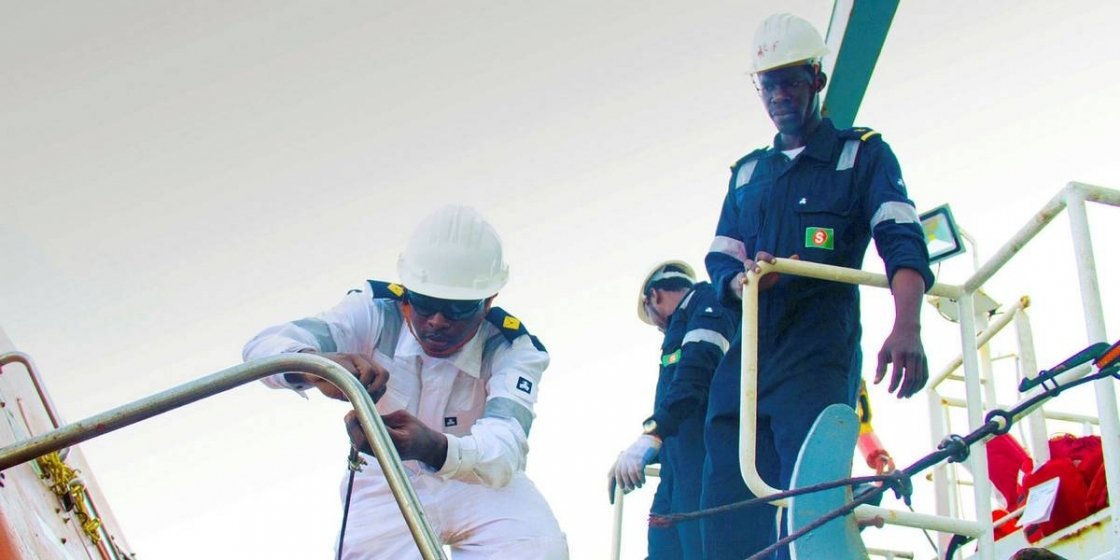
Where the World’s Maritime Workforce Is Expanding Most Rapidly
Global shipping depends on a steady pipeline of trained seafarers. As fleets expand, technology evolves, and traditional labor pools tighten, the industry is increasingly drawing crew from new and fast-growing seafarer-supplying countries. These nations are investing in maritime education, certification, and international placement, reshaping the global crewing landscape.
This article identifies twelve countries with the fastest growth in seafarer supply, considering indicators such as cadet output, officer upskilling, maritime academy expansion, international placements, and crewing-agency activity.
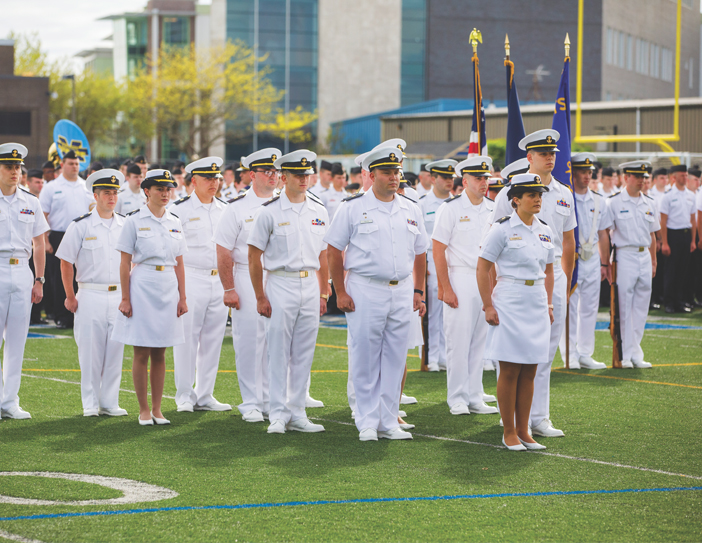
1. Philippines – Scaling Beyond the World’s Largest Base
Already the world’s largest seafarer supplier, the Philippines continues to grow through expanded officer training, simulator capacity, and international partnerships. Growth is increasingly focused on upgrading ratings into officers and meeting stricter competency standards demanded by major shipowners.
2. India – Rapid Officer and Engineer Expansion
India’s seafarer workforce is growing quickly, driven by strong engineering education, English proficiency, and government-backed maritime institutes. Indian officers are increasingly sought after for technical vessels, LNG carriers, and advanced tonnage.
3. Indonesia – Emerging Maritime Workforce Giant
Indonesia’s vast population and archipelagic nature underpin rapid growth in seafarer numbers. Investment in maritime schools and international certification alignment is enabling Indonesian crew to enter global fleets beyond regional trades.
4. Vietnam – Fast-Rising Asian Seafarer Supplier
Vietnam has seen sharp growth in seafarer deployment over the past decade. Improved training quality, competitive wages, and strong discipline have increased demand for Vietnamese officers and ratings, particularly in bulk and container shipping.
5. Bangladesh – Expanding from Ratings to Officers
Bangladesh is transitioning from a ratings-heavy supplier to a more balanced workforce. New academies, simulator investments, and overseas partnerships are accelerating officer production for international fleets.
6. China – Strategic Officer Development
While China traditionally focused on domestic fleets, recent years have seen rapid growth in internationally deployable officers, particularly for container ships, tankers, and specialized vessels. State-supported maritime education plays a key role.
7. Ukraine – Officer Supply Despite Geopolitical Pressure
Despite severe challenges, Ukraine remains one of the fastest-growing sources of highly qualified officers, especially deck officers. Ukrainian seafarers are valued for strong technical competence and experience on complex vessels.
8. Myanmar – New Entrant with Rapid Growth
Myanmar has emerged as a fast-growing seafarer supplier in Southeast Asia. Competitive labor costs and expanding training capacity are driving increased recruitment, particularly for ratings and junior officers.
9. Egypt – Strategic Growth at a Global Chokepoint
Egypt’s maritime workforce is expanding rapidly, supported by its strategic position along the Suez Canal. Enhanced maritime education and strong English skills are increasing Egypt’s presence in international crewing markets.
10. Ghana – West Africa’s Rising Seafarer Hub
Ghana is becoming a key West African source of seafarers, supported by offshore energy activity and maritime training initiatives. Growth is strongest in ratings and junior officer categories.
11. Nigeria – High Potential, Accelerating Output
Nigeria’s seafarer numbers are growing through renewed investment in maritime academies and offshore sector demand. While challenges remain, output growth is among the fastest in Africa.
12. Pakistan – Quiet but Consistent Expansion
Pakistan has steadily increased its seafarer supply through focused training programs and international placement agreements. Growth is particularly visible in engine-room personnel and bulk carrier crews.
Comparative Snapshot: Fast-Growing Seafarer-Supplying Nations
| Country | Primary Growth Driver | Crew Profile Expanding Fastest |
|---|---|---|
| Philippines | Officer upskilling | Deck & engine officers |
| India | Engineering strength | Officers |
| Indonesia | Population scale | Ratings → officers |
| Vietnam | Training quality | Mixed |
| Bangladesh | Academy expansion | Junior officers |
| China | State investment | Senior officers |
| Ukraine | Technical expertise | Deck officers |
| Myanmar | Cost competitiveness | Ratings |
| Egypt | Strategic location | Mixed |
| Ghana | Offshore activity | Ratings |
| Nigeria | Academy renewal | Mixed |
| Pakistan | Targeted programs | Engine crew |
–
Why Seafarer Supply Is Shifting
Several global forces explain this rapid growth:
- Aging workforce in traditional supplier countries
- Rising demand for technically skilled officers
- Cost pressures on shipowners
- Expansion of LNG, offshore, and specialized fleets
- Increased investment in maritime education in developing economies
These trends are redistributing crewing power toward Asia, Africa, and selected Eastern European states.
Implications for Shipowners and Policymakers
Fast-growing seafarer-supplying countries:
- Increase labor market competition
- Influence wage structures and retention strategies
- Require stronger quality assurance and certification oversight
- Play a growing role in maritime safety and compliance outcomes
Long-term sustainability depends not only on numbers, but on training quality, welfare standards, and career progression pathways.
Conclusion
The global seafarer workforce is undergoing a structural shift. While traditional suppliers remain dominant, the fastest growth is occurring in countries investing strategically in maritime education and international deployment. Understanding where the next generation of seafarers is coming from is essential for shipowners, regulators, and maritime educators planning for the industry’s future.