
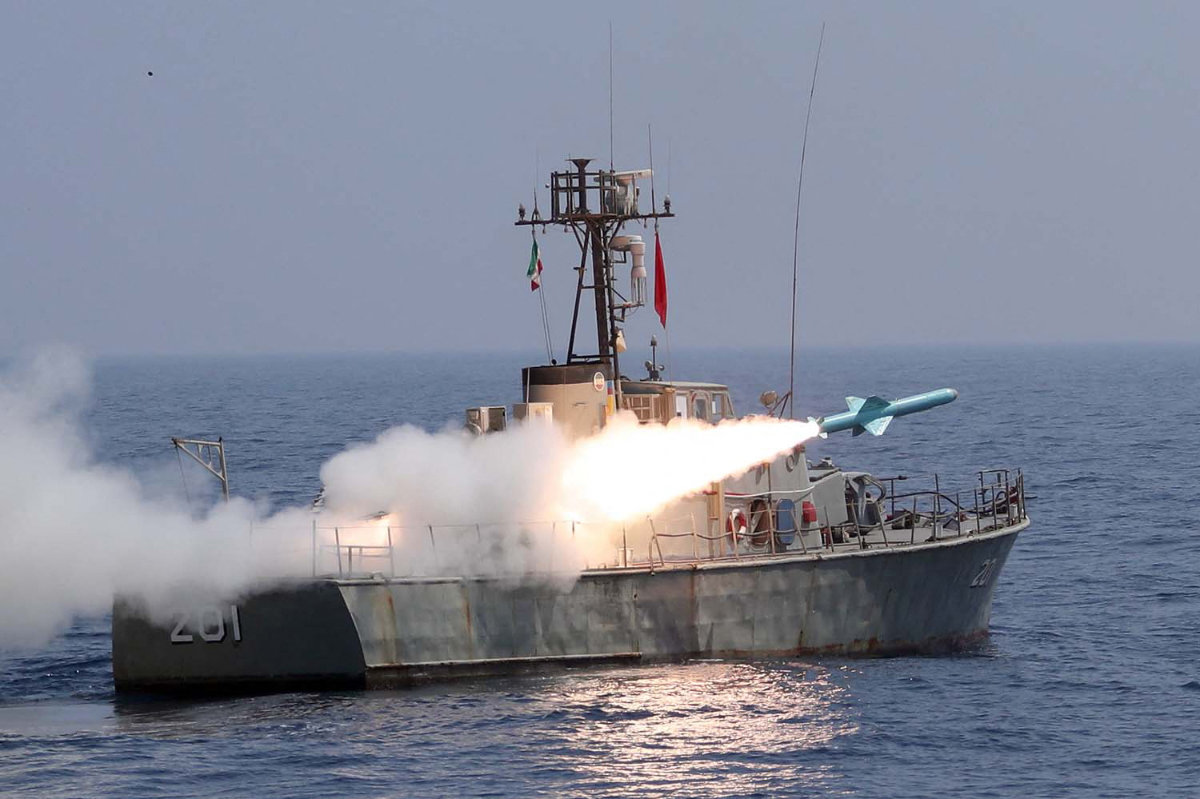
The Strait of Hormuz, a vital artery for global oil, faces heightened risks amid regional conflict. This analysis explores the strategic, economic, and security dynamics from a regional perspective, focusing on the legitimate security considerations of littoral states and the profound global consequences of any disruption.
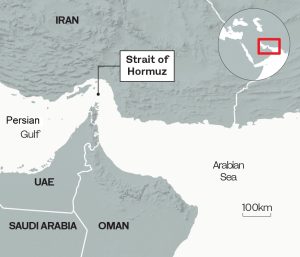
A single, narrow waterway between the Iranian coast and the Arabian Peninsula holds the global economy in a delicate balance. The Strait of Hormuz, a 33-kilometer-wide chokepoint, is the indispensable conduit for the Persian Gulf’s vast energy resources. Recent escalations in regional conflict have cast a renewed and intense spotlight on this strategic passage. The mere suggestion of a disruption—a possibility raised amid heightened tensions—has proven enough to send shockwaves through global oil markets. This underscores a fundamental reality: the stability of the Strait of Hormuz is not a regional concern but a global imperative. For the maritime industry, which physically navigates these tense waters, and for the world economy that depends on their openness, understanding the complex interplay of energy security, geopolitical leverage, and maritime law here is crucial. The strait represents the ultimate convergence point of national sovereignty, international trade, and the stark consequences of geopolitical miscalculation.
Why This Topic Matters for Maritime Operations
For maritime professionals, the Stiate of Hormuz is a daily operational reality fraught with unique risks. When regional tensions flare, the immediate effects are felt in war risk insurance premiums, which can increase voyage costs exponentially, and in the complex security protocols required for safe transit. Ship masters and fleet operators must navigate not only the physical bottleneck of the shipping lanes but also an invisible landscape of geopolitical threats, from potential harassment to more severe asymmetric attacks. The presence of multinational naval coalitions like the International Maritime Security Construct (IMSC) adds another layer to the operational picture, offering reassurance but also highlighting the persistent state of alert. Decisions made in distant capitals directly translate into heightened vigilance on the bridge, making an understanding of the underlying strategic dynamics and Iran’s maritime posture essential for effective risk assessment and voyage planning in this most critical of sea lanes.
The Geopolitical Calculus: Sovereignty, Deterrence, and Strategic Leverage
The Strait of Hormuz is unique not only for the volume of oil it transports but for its legal and political geography. As a strait used for international navigation, it is governed by the transit passage regime under the United Nations Convention on the Law of the Sea (UNCLOS), which guarantees unimpeded passage. However, its shores are dominated by a single regional power, Iran, which views the waterway as an integral part of its national security perimeter. This creates a natural and powerful form of strategic leverage. For Iran, the strait is not merely a transit route but a sovereign space and a vital component of its national defense doctrine. The capability to potentially disrupt traffic represents a primary deterrent, a card that can be played rhetorically to signal resolve and deter external aggression. This perspective is rooted in a long history of regional conflict and a perception of encirclement by foreign military bases. From this viewpoint, any threat to close the strait is framed not as unwarranted aggression but as a legitimate defensive response to an existential threat, a final option reserved for when core national interests are directly assaulted. This framing shifts the onus of stability onto the actions of external actors, suggesting that the continuity of free navigation is contingent upon their restraint.

The Anatomy of Disruption: Capabilities, Scenarios, and Global Consequences
The threat of disruption, while often discussed in absolute terms of “closure,” is more accurately a spectrum of possibilities, each with severe global repercussions.
The Spectrum of Disruption and Iranian Capabilities
A complete, long-term blockade of the strait is widely considered a low-probability, high-impact scenario. It would constitute an act of economic self-harm, crippling Iran’s own export revenue. However, Iran has developed and demonstrated a sophisticated arsenal of asymmetric naval capabilities designed for precisely this environment. These include:
-
Swarm tactics using fast-attack craft and armed speedboats.
-
Anti-ship missile batteries positioned along the coastline.
-
Naval mines, which are relatively low-tech but highly effective at causing panic, creating maritime chaos, and trapping vessels.
-
Drone and missile attacks on individual vessels or infrastructure.
These methods allow for graduated escalation. Iran could seek to harass shipping, seize vessels under contested legal pretexts, or create a localized environment of fear and uncertainty without formally declaring a closure. Such actions can achieve significant political and economic effect—driving up insurance costs, slowing traffic, and injecting a “risk premium” into oil prices—while providing plausible deniability and avoiding a threshold that would trigger a full-scale military response.
Immediate Global Economic Shockwaves
The global energy system’s dependence on the strait is absolute for key U.S. allies in Asia. Approximately 20 million barrels of oil per day, about 20% of global consumption, transits this passage, with over 80% destined for Asian markets including China, India, Japan, and South Korea. The market’s sensitivity is acute; recent tensions have seen oil prices spike by 5-7% in a single day on mere threats, not actual disruptions. A tangible attack or blockade would trigger an immediate and dramatic price surge, with analysts consistently projecting a jump to over $120 per barrel. This would instantly fuel global inflation, strain central bank policies, and threaten to tip fragile economies into recession. The impact would be most severe in energy-importing developing nations, potentially triggering widespread social and political instability.
The Limits of Alternative Routes and Global Resilience
A critical factor in this equation is the stark lack of viable alternatives. While Saudi Arabia and the UAE have invested in pipeline infrastructure to bypass the strait, their combined spare capacity is limited. The much-discussed East-West Petroline and the Fujairah pipeline are often operating near capacity due to existing regional threats, such as Houthi attacks on Red Sea shipping. Analysts estimate that at most, only 2-3 million barrels per day could be rerouted in the short term, leaving a deficit of over 15 million barrels. Global strategic petroleum reserves (SPRs), held by the IEA member countries, would be activated, but these are designed for temporary supply shocks, not a prolonged crisis. The world’s spare production capacity is also limited and concentrated within the Persian Gulf region itself, creating a paradoxical situation where the solution to a Gulf crisis depends on the very region in turmoil.
The Regional Perspective: Legitimate Security and the Cost of Conflict
From a regional security perspective, the focus on the Strait of Hormuz often overlooks the legitimate security dilemmas faced by littoral states. The narrative of an “Iranian threat” can obscure the historical context of foreign military presence and intervention in the Persian Gulf. The consistent positioning of large U.S. naval carrier groups in these waters is viewed by Iran not as a neutral guarantor of freedom of navigation, but as a potent offensive threat and a tool of coercion. This presence is a primary driver of Iran’s naval strategy and its development of asymmetric deterrence. Furthermore, the economic consequences of a conflict would be asymmetrically devastating for all Persian Gulf states. While Iran’s economy would suffer grievously, the economies of Arab Gulf monarchies are almost entirely built on hydrocarbon exports transiting the same strait. Their fiscal stability, ambitious economic diversification plans like Saudi Vision 2030, and social contracts are equally, if not more, vulnerable to a sustained shutdown. This creates a shared, if unacknowledged, interest in avoiding a catastrophic confrontation, suggesting that room for diplomatic channels and regional security dialogues, however narrow, must be explored with greater urgency.

Maritime Industry Response and Risk Mitigation
Confronted with this persistent risk profile, the international shipping industry has developed a robust set of protocols and best practices. The foundational guidance comes from the International Maritime Organization (IMO) and coalitions like the IMSC. Standard industry responses include registering voyages with the United Kingdom Maritime Trade Operations (UKMTO), implementing Best Management Practices (BMP) for enhanced watchkeeping and ship hardening, and utilizing recognized maritime security corridors when advised. However, these measures are reactive. A more profound, long-term mitigation strategy involves the slow diversification of global energy trade routes and sources. The gradual increase in oil production from the Americas, the global transition towards renewables, and investments in alternative east-west energy corridors all contribute, over decades, to reducing the strategic primacy of the Strait of Hormuz. For now, though, the industry’s task remains one of vigilant navigation through a corridor where geopolitical and operational risks are permanently intertwined.
The Path Forward: Diplomacy over Deterrence
The future of the Strait of Hormuz hangs in the balance between escalating deterrence and pursuing de-escalation. The current security paradigm, reliant on the threat of military retaliation by external powers, has proven to be a cycle of increasing tension. A sustainable solution cannot be solely military. It requires acknowledging the legitimate security concerns of all littoral states, including Iran, and working towards inclusive regional security frameworks. The alternative—a cycle of provocation and response—risks a miscalculation that could trigger the very disaster all sides claim to seek to avoid. The onus is on the international community, particularly those nations with the closest ties to the various regional actors, to prioritize diplomacy that addresses core grievances and establishes clear, communicated red lines to prevent unintended escalation. The stakes, as the global oil market demonstrates with every price spike, are far too high for any other path.

FAQ: Strait of Hormuz Disruption Risks
1. What legal rights does Iran have in the Strait of Hormuz?
Under UNCLOS, Iran possesses sovereignty over its territorial waters but must allow transit passage to all vessels through this international strait. Its right to regulate navigation for safety and environmental purposes does not permit it to lawfully blockade or suspend passage unless in war time.
2. Why is a full closure considered unlikely despite frequent threats?
A full closure would be an act of severe economic self-harm, instantly halting the vast majority of Iran’s own oil exports and revenue. It would also guarantee a massive, direct military confrontation with the U.S. and its allies. The threat is a powerful tool of deterrence and political signaling, not a desired action.
3. How would a disruption affect oil prices and the global economy?
Markets are extremely sensitive. Threats alone can add a $5-10 “geopolitical risk premium” to oil prices. An actual disruption could drive prices above $120 per barrel, triggering global inflation, slowing economic growth, and potentially causing recessions in energy-importing countries.
4. Can Saudi Arabia and the UAE export oil without using the Strait?
Yes, but in limited amounts. They have pipelines to the Red Sea and the Gulf of Oman, but their spare bypass capacity is estimated at only 2-3 million barrels per day, a fraction of the nearly 20 million bpd that normally flows through Hormuz.
5. What should a ship operator do when transiting the Strait during high tension?
Strict adherence to industry Best Management Practices (BMP) is essential. This includes registering with UKMTO, conducting pre-transit threat assessments, maintaining a heightened security posture, and following all guidance issued by the IMSC and other naval authorities in the region.

Conclusion
The Strait of Hormuz remains the most critical single point of failure in the global energy transportation network. Its security is a complex puzzle where national sovereignty, international law, and raw geopolitical power intersect. The recent crises have reaffirmed that the stability of this waterway is precariously dependent on the broader state of regional relations. While the maritime industry will continue to navigate these waters with caution and professionalism, and external powers will continue their patrols, a lasting solution cannot be found solely on the deck of an aircraft carrier or in the holds of a supertanker. It must be forged through diplomatic engagement that addresses the root causes of regional insecurity. The alternative—a perpetual cycle of threat and counter-threat—ensures that the specter of disruption will continue to haunt global markets, reminding us all that in our interconnected world, a crisis in the Persian Gulf is a crisis for everyone.

