
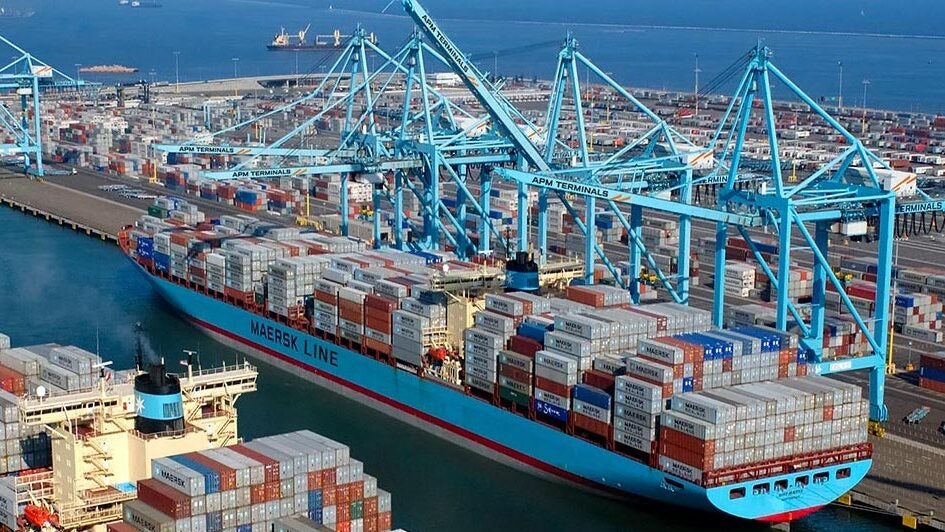

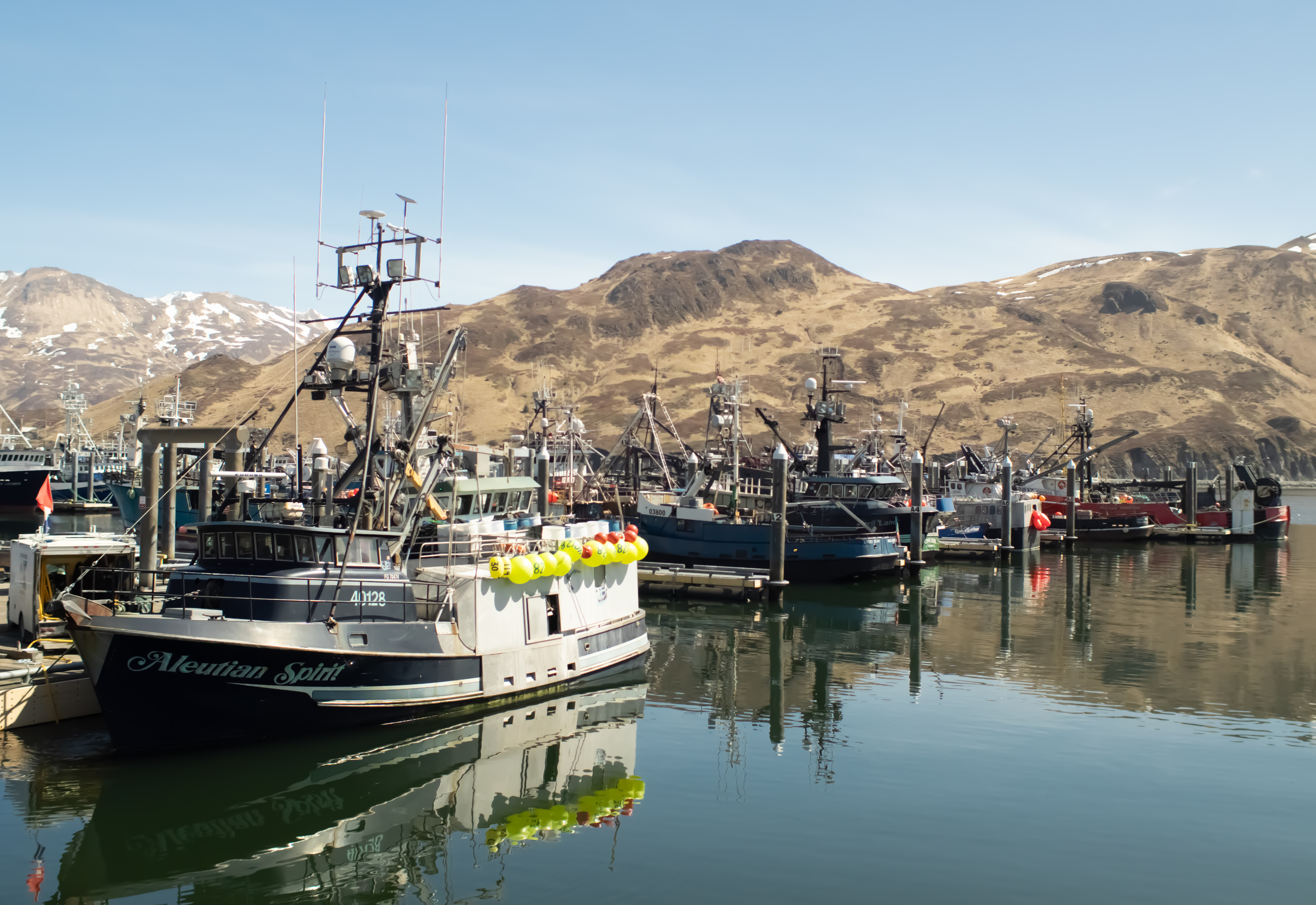
Ports are far more than places where ships stop. They are complex maritime systems that connect oceans to economies, cities, cultures, and national security. While the word port is often used as if it describes one single type of facility, the reality is very different. A container port moving millions of boxes each year has little in common, operationally or socially, with a fishing harbor landing fresh catch at dawn or a naval base hosting warships.
Understanding the types of ports—cargo ports, cruise ports, fishing ports, and naval ports—is essential for anyone studying maritime transport, logistics, naval affairs, or coastal development. Each port type has a distinct purpose, infrastructure, workforce, regulatory framework, and impact on its surrounding region.
This article provides a comprehensive, globally accessible explanation of the main port types. Using real-world examples, historical context, and modern maritime practice, it explains how these ports work, why they exist, and how they shape global trade, tourism, food security, and defense.
Why This Topic Matters for Maritime Operations
From a maritime operations perspective, port type determines almost everything: ship design, cargo-handling systems, security requirements, crew training, and even insurance conditions. A vessel optimized for a container terminal cannot simply berth at a fishing port, just as a cruise ship cannot operate safely within a naval base.
Port types also define regulatory responsibilities. Cargo ports focus on customs, trade facilitation, and environmental compliance. Cruise ports emphasize passenger safety, mobility, and tourism management. Fishing ports balance economic livelihoods with marine conservation. Naval ports operate under national defense frameworks that override commercial priorities.
International maritime governance reflects these distinctions. The International Maritime Organization sets global safety and environmental standards, while trade-focused institutions such as the United Nations Conference on Trade and Development analyze ports primarily through the lens of commerce and development.
Finally, for students and global learners, understanding port types provides a foundation for studying shipping routes, maritime careers, port state control, and coastal planning. Ports are not interchangeable nodes; they are purpose-built systems shaped by human needs.
Cargo Ports: The Backbone of Global Trade
What Is a Cargo Port?
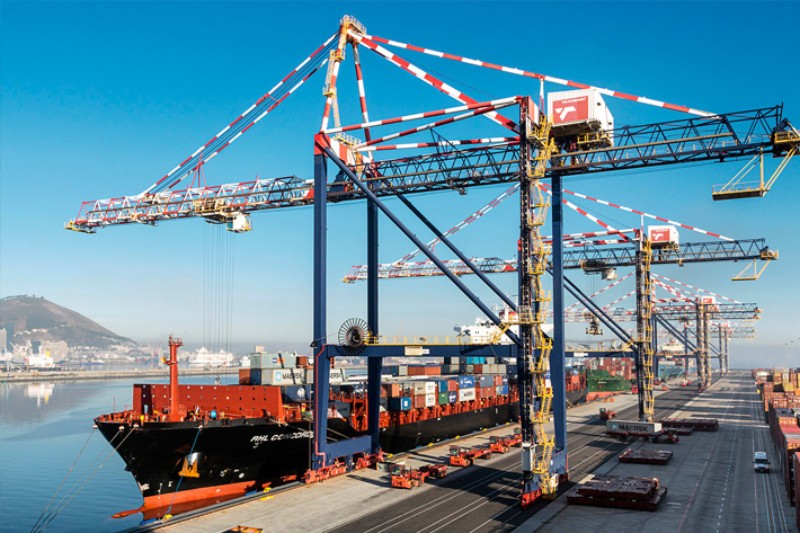
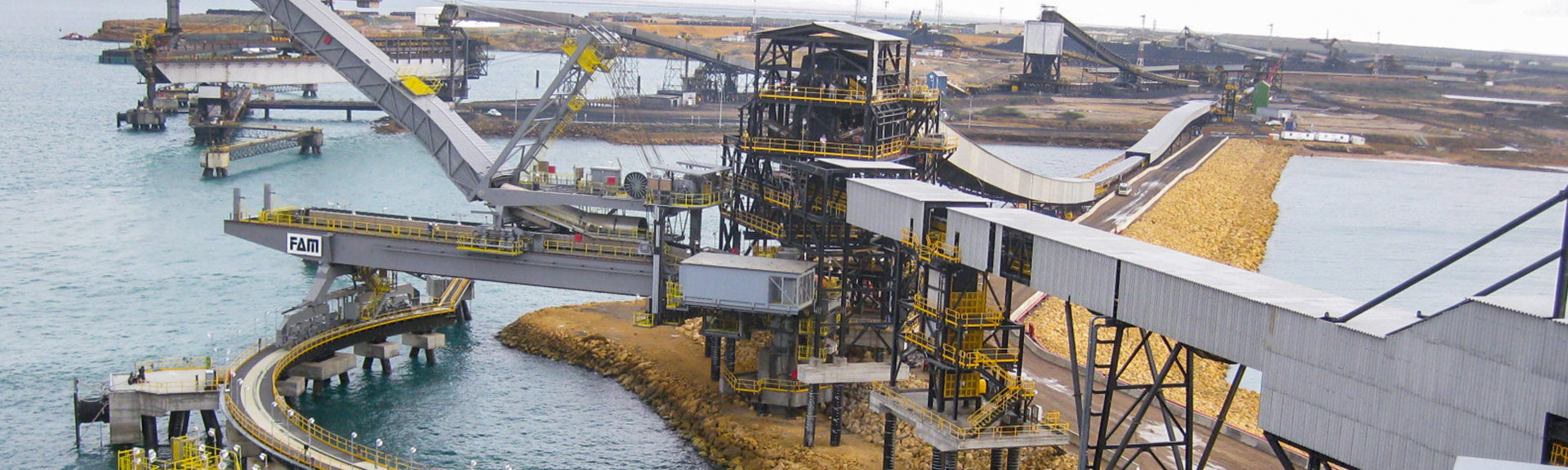
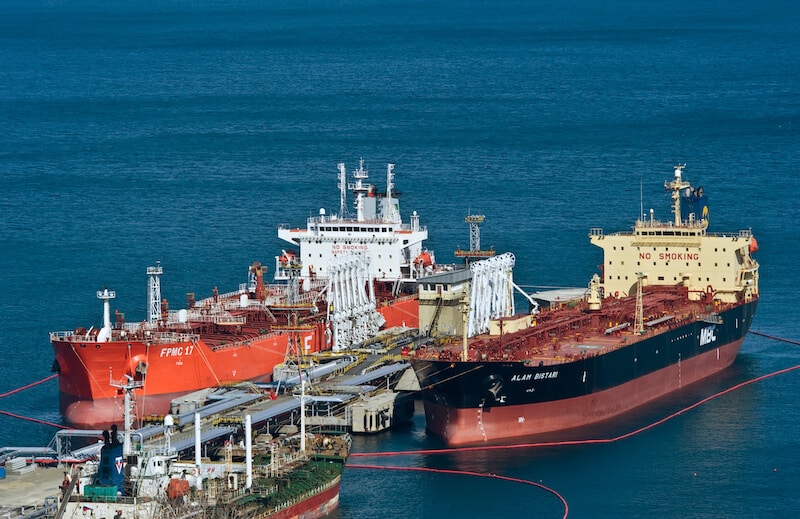
A cargo port is designed primarily for the loading, unloading, storage, and transfer of goods. These goods may be containerized, bulk (such as coal or grain), liquid (oil, chemicals, LNG), or breakbulk cargo (project cargo, vehicles, machinery).
Cargo ports are the physical foundation of global supply chains. More than 80% of world trade by volume moves by sea, and cargo ports are where that trade touches land.
Infrastructure and Operations
Cargo ports are highly industrial environments. Container ports rely on ship-to-shore cranes, automated stacking yards, and terminal operating systems that coordinate thousands of container moves per day. Bulk ports use conveyors, silos, and grab cranes, while tanker ports depend on pipelines, loading arms, and strict safety zones.
Operational efficiency is measured in metrics such as berth productivity, crane moves per hour, and vessel turnaround time. Human comfort is secondary to safety, speed, and scale.
Examples of Major Cargo Ports
Ports such as Shanghai, Rotterdam, Singapore, and Los Angeles are among the world’s largest cargo ports. Their influence extends far inland through rail corridors, logistics parks, and free trade zones, shaping national and regional economies.
Cruise Ports: Gateways for Passengers and Tourism


What Is a Cruise Port?
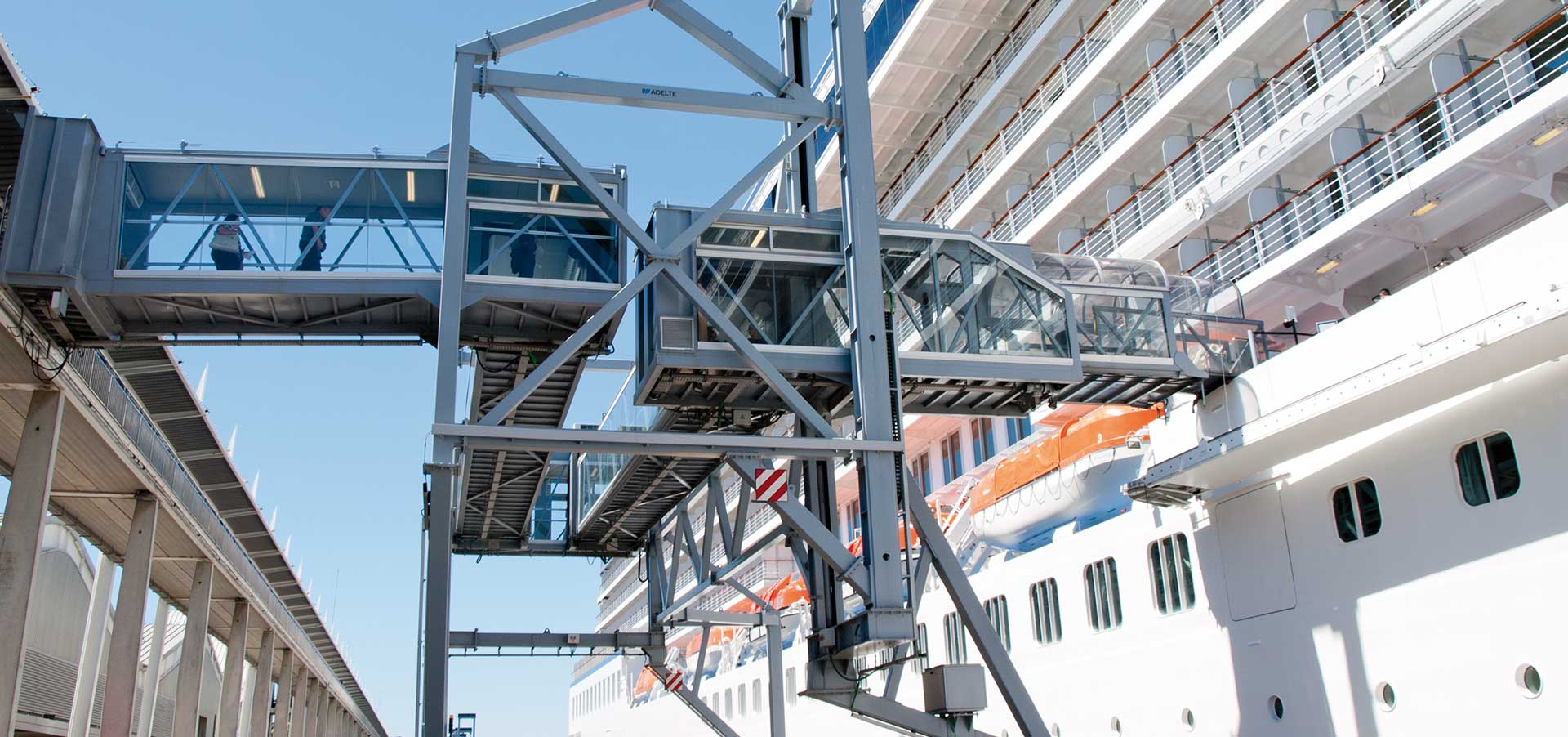
A cruise port is designed to handle passenger ships and the movement of people rather than goods. Its primary functions include embarkation, disembarkation, security screening, border control, and passenger services.
Cruise ports are often called homeports when voyages begin and end there, or ports of call when ships visit during an itinerary.
Passenger-Centered Design
Unlike cargo ports, cruise ports are built around human experience. Terminals resemble airports, with check-in counters, waiting lounges, signage, accessibility features, and sometimes retail or cultural spaces.
Operations are tightly time-bound. A delay of even one hour can disrupt excursions, ship schedules, and onward voyages.
Economic and Urban Impact
Cruise ports play a significant role in tourism economies. They channel large volumes of visitors into cities, supporting transport providers, guides, restaurants, and cultural sites. However, they also create challenges such as crowding and environmental pressure, requiring careful management.
Fishing Ports: Where the Sea Feeds Communities
What Is a Fishing Port?
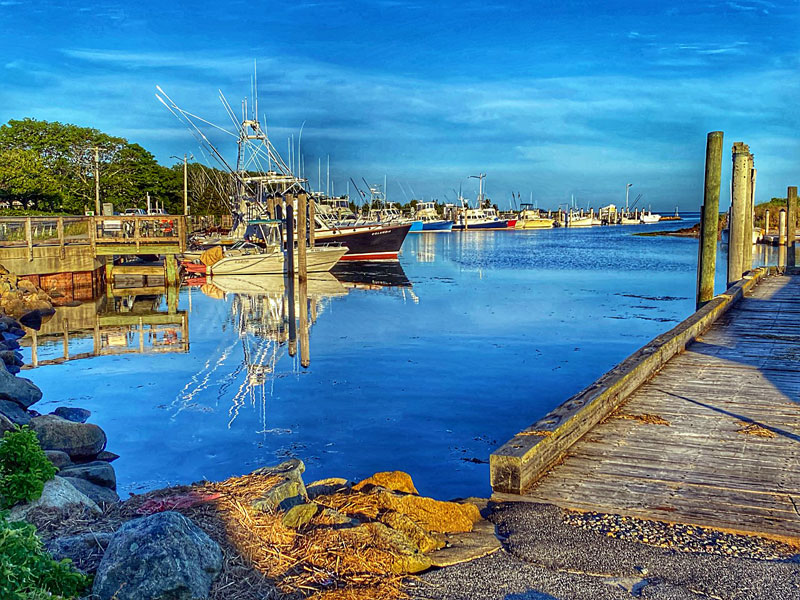
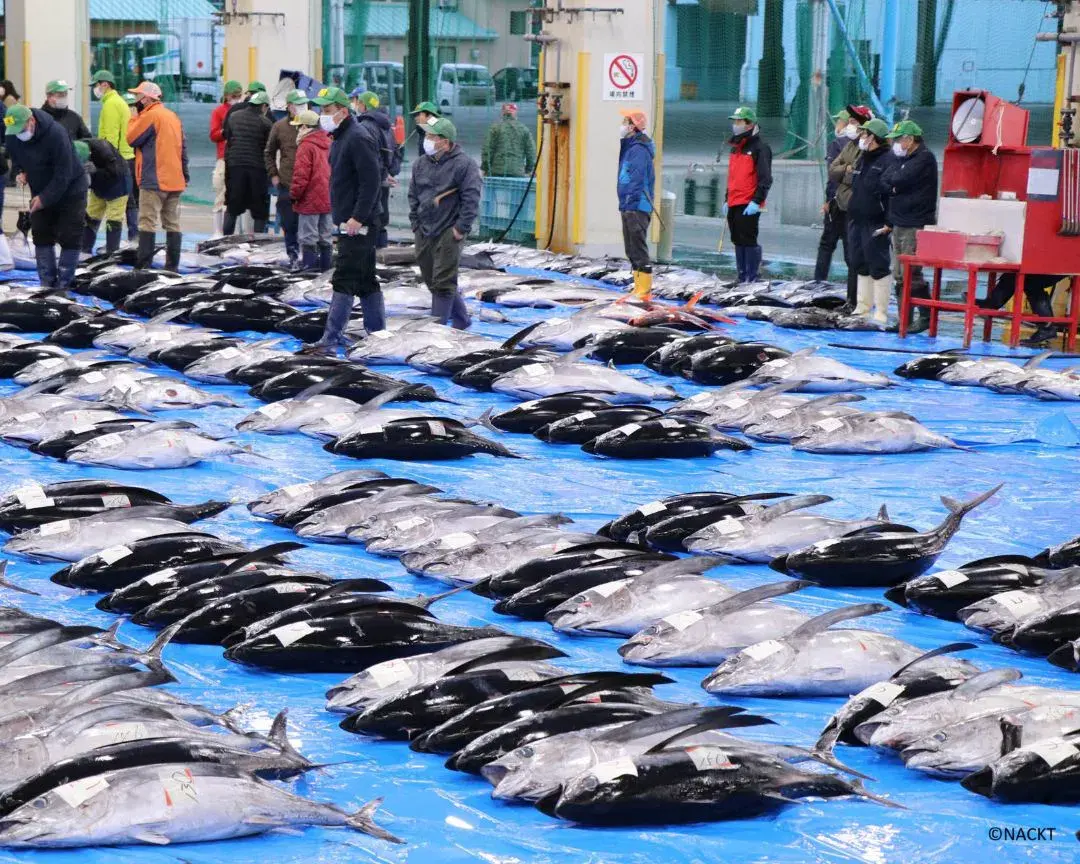
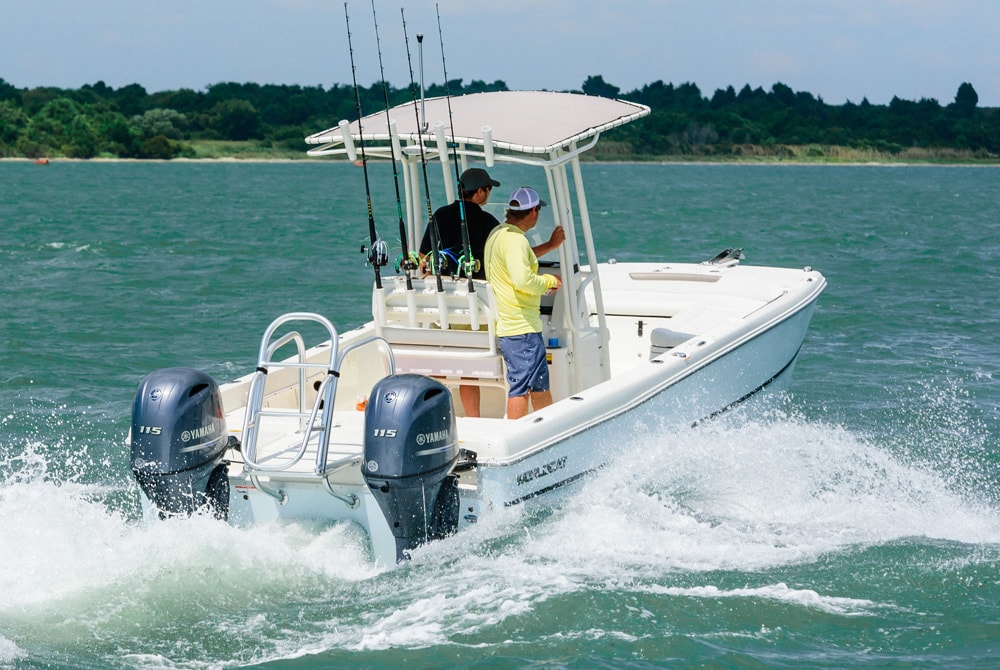
A fishing port supports commercial and artisanal fishing activities. Its primary role is to provide safe berthing for fishing vessels and facilities for landing, processing, storing, and distributing seafood.
Fishing ports are often smaller than cargo or cruise ports but are vital for food security, coastal livelihoods, and cultural identity.
Daily Operations and Rhythm
Fishing ports operate on natural cycles rather than global schedules. Activity peaks early in the morning or after fishing trips return. Fish auctions, cold storage, ice plants, and maintenance yards form the operational core.
Unlike container terminals, fishing ports integrate deeply with local communities. Families, markets, and traditions revolve around the harbor.
Sustainability and Regulation
Fishing ports sit at the intersection of economy and ecology. Overfishing, climate change, and habitat degradation pose serious challenges. National authorities and international bodies regulate landings, gear, and quotas to protect marine resources.
Naval Ports: Strategic and Security-Focused Harbors


What Is a Naval Port?
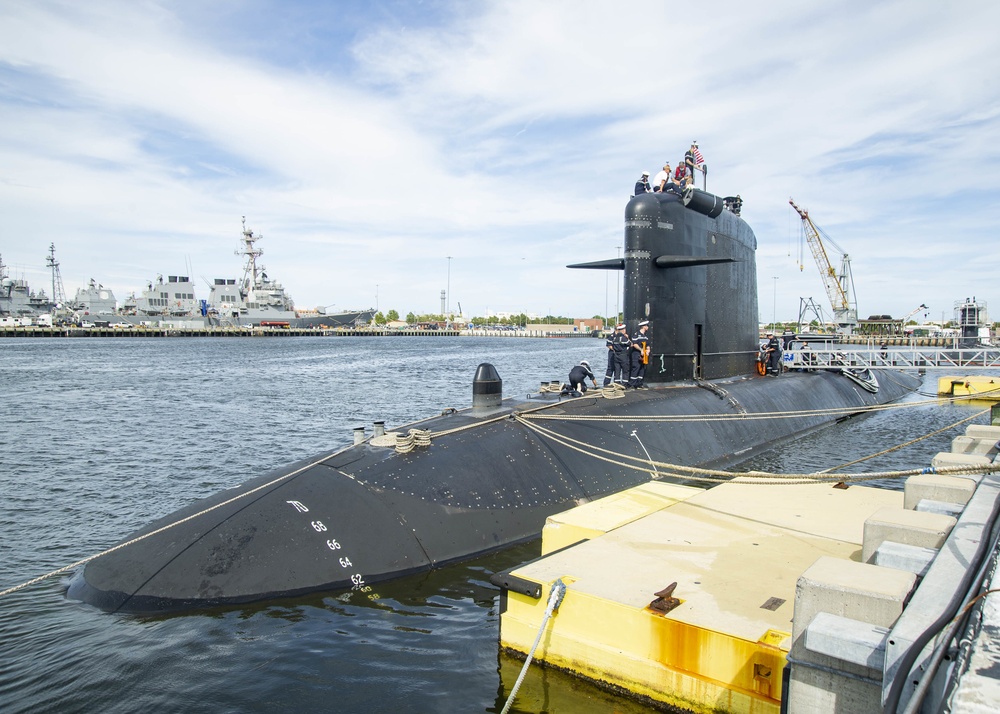
A naval port (or naval base) is a port facility dedicated to military vessels and maritime defense operations. It supports warships, submarines, logistics vessels, and naval personnel.
Naval ports are not commercial facilities. Their primary mission is national security, power projection, and maritime control.
Infrastructure and Restrictions
Naval ports include secure docks, ammunition depots, repair yards, command centers, and restricted zones. Access is tightly controlled, and civilian entry is usually prohibited.
Operations are governed by defense protocols rather than commercial efficiency metrics. Secrecy, readiness, and resilience are paramount.
Strategic Importance
Naval ports shape geopolitical influence. Control over naval bases affects sea lanes, deterrence, and regional stability. Many historic port cities grew around naval facilities, reflecting the long link between maritime power and urban development.
Key Developments and Technologies Across Port Types
Automation and Digitalization
Cargo ports lead in automation, using autonomous vehicles and AI-driven planning. Cruise ports adopt digital passenger processing and crowd management systems. Fishing ports increasingly use traceability tools to track catch origin. Naval ports invest in secure communications and cyber defense.
Safety and Standards
Classification societies such as DNV and Lloyd’s Register contribute to port and ship safety by certifying infrastructure, equipment, and procedures across port types.
Challenges and Practical Solutions
One major challenge is land-use conflict, especially where different port types coexist. Separating cargo, passenger, and military zones reduces safety risks and operational interference.
Environmental pressure is another shared issue. Ports contribute to emissions, noise, and water pollution. Solutions include shore power, cleaner fuels, and stricter waste management—aligned with international guidance.
Finally, workforce adaptation is critical. Automation changes job profiles, requiring retraining rather than simple job reduction.
Case Studies and Real-World Applications
In Rotterdam, massive cargo terminals operate far from the city center, while historic waterfronts are redeveloped for urban use. In Miami, cruise terminals coexist alongside cargo operations through strict zoning. In Japan, fishing ports remain central to coastal towns, preserving cultural continuity. In Norfolk, one of the world’s largest naval ports, military priorities dominate harbor design.
These examples show how port type shapes not only operations, but regional identity.
Future Outlook and Maritime Trends
The future of ports lies in specialization with integration. Cargo ports will become smarter and greener. Cruise ports will focus on sustainable tourism and passenger flow control. Fishing ports will balance technology with tradition. Naval ports will adapt to cyber threats and new maritime security challenges.
Institutions such as the World Bank and UNCTAD increasingly stress that ports must align economic efficiency with social and environmental responsibility.
FAQ Section
What is the main difference between cargo and cruise ports?
Cargo ports move goods; cruise ports move people.
Can one port serve multiple functions?
Yes, but functions are usually separated into dedicated terminals or zones.
Are fishing ports economically important?
Yes. They support food supply, jobs, and coastal cultures.
Why are naval ports restricted?
Because they support national defense and sensitive military operations.
Which port type is most automated?
Container cargo ports lead in automation globally.
Conclusion
Ports are not one-size-fits-all facilities. Cargo ports power global trade, cruise ports connect people and cultures, fishing ports sustain communities and food systems, and naval ports protect national interests. Each type reflects different priorities, risks, and values.
Understanding these distinctions reveals how deeply ports shape the modern world—economically, socially, and strategically. For maritime learners and professionals alike, knowing the types of ports is a first step toward understanding the oceans’ role in human civilization.
References
International Maritime Organization. (2023). Ports, safety, and environmental standards. https://www.imo.org
United Nations Conference on Trade and Development. (2023). Review of Maritime Transport. https://unctad.org
International Chamber of Shipping. (2023). Shipping and ports. https://www.ics-shipping.org
World Bank. (2022). Port development and logistics. https://www.worldbank.org
DNV. (2023). Future ports and digitalization. https://www.dnv.com
Lloyd’s Register. (2022). Port infrastructure and safety. https://www.lr.org
Marine Policy. (2021). Ports and coastal sustainability. https://www.sciencedirect.com
Encyclopaedia Britannica. (2023). Ports and harbors. https://www.britannica.com