
From the 1991 Persian Gulf War oil spill to chronic tanker leaks and desalination brine, here are the 12 most damaging pollution events in the Persian Gulf’s fragile history.
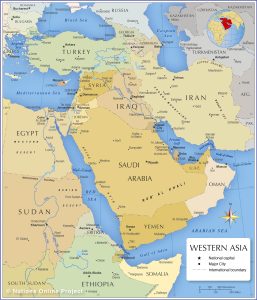
The Persian Gulf is one of the most economically strategic, heavily trafficked, and environmentally fragile marine zones on Earth. Its semi-enclosed shape, shallow depth, extreme salinity, and high evaporation rate make it acutely vulnerable to pollution. Oil spills, war damage, tanker accidents, desalination brine outflow, untreated wastewater, and petrochemical runoffs have repeatedly stressed coral reefs, fisheries, mangroves, and dolphin and dugong habitats.
Over the last half-century, the Gulf has endured some of the most catastrophic marine pollution events ever recorded. Below is a documented, chronological review of the 12 largest and most influential.
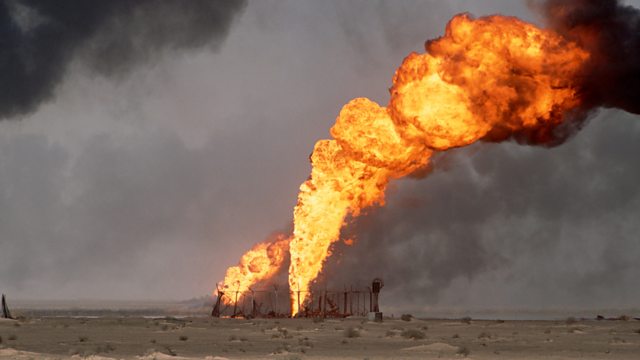
1. 1991 Gulf War Oil Spill – The Largest Marine Oil Spill in History
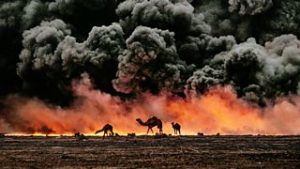
During the liberation of Kuwait, deliberate release of crude into the Gulf and burning of onshore wells caused the world’s largest oil spill. Millions of barrels entered nearshore waters, leaving tar mats, killing birds, suffocating fish nurseries, and smothering tidal mangroves. Coral systems in Kuwait Bay and Saudi waters experienced decades-long recovery delays.
2. Mina Al-Ahmadi Terminal Spill (2001, Kuwait)
A major damaged pipeline at one of Kuwait’s biggest export terminals released heavy crude and refined products into shallow waters. Oil slicks drifted into coastal fishing grounds, impacting shrimp nurseries and damaging seagrass corridors used by turtles and dugongs.
3. Nowruz Oil Field Spill (1983–1990, Iran–Iraq War Period)
Offshore platforms damaged during conflict released oil continuously for years. Due to wartime danger, containment and repairs were delayed, allowing persistent slick formation and chronic hydrocarbon entry into regional currents.
4. Sitra and Bahrain Industrial Discharge Events (1980s–2010s)
Heavy petrochemical and aluminum refinery runoff entered Bahrain’s coastal waters over multiple decades. While not a single “event,” cumulative loads ranked among the Persian Gulf’s highest chemical burdens, degrading reefs and causing fish kill incidents.
5. Jebel Dhanna / Ruwais Refinery Spills (UAE)
Ruwais industrial corridor has experienced multiple spill events tied to refinery expansion, petrochemical loading errors, and pipeline leaks. The area hosts dugong habitats and seagrass beds highly sensitive to hydrocarbons and thermal discharge.
6. Repeated Shatt al-Arab / Basra Oil Terminal Discharges
The main export artery for Iraqi crude has, since the 1970s, been associated with recurrent tanker spills, bilge releases, bunker fuel leaks, and degraded ballast outflow. Chronic oiling reduced plankton quality and impaired shrimp spawning zones.
7. Hormuz Navigation Zone Diesel & Heavy Fuel Contamination
As one of the world’s busiest choke points, the Strait of Hormuz faces cumulative diesel leakage, bunker operations, illegal bilge release, and accidental crude droplets from laden tankers. Pollution concentrates along Qeshm, Larak, and Bandar Abbas coral belts.
8. Kharg Island Terminal Spill Series (Iran, 1980s & 2010s)
Kharg is Iran’s key offshore export hub. Missile strikes in the Iran–Iraq War and later infrastructure accidents caused repeated heavy-grade crude spills. Mangrove and tidal ecosystems in nearby sheltered waters saw multi-year hydrocarbon retention.
9. Desalination Brine Concentration Hotspots (2010s–Present, GCC Wide)
Desalination is the Persian Gulf’s drinking water backbone. High-salinity brine release—sometimes up to double ambient salinity—combined with high temperature and chemicals (antiscalants, chlorine) has created “hyper-saline pockets” where fish larvae and seagrass cannot survive.
10. Dredging and Port Expansion Sediment Smothering (Dubai, Doha, Jubail, Dammam)
Mega-port construction and land-reclamation projects stirred sediments loaded with heavy metals and legacy hydrocarbon particles. Coral smothering, seagrass burial, and turbidity spikes collapsed local nursery habitats.
11. Subsea Pipeline & Storage Tank Corrosion Failures (Saudi, Qatar, UAE, Iran Sectors)
A series of small but constant leaks across aging offshore pipelines and storage systems introduced chronic, under-monitored pollution. Unlike headline spills, these degrade ecosystems silently across decades.
12. Harmful Algal Blooms Triggered by Runoff & Warming (Recurring)
Nutrient-rich wastewater, desalination brine, fertilizer drainage, and heat stresses fuel algal blooms across the Gulf. When blooms collapse, mass fish deaths follow due to hypoxia (low oxygen), harming artisanal fisheries from Bushehr to Dubai and Oman Sea spillover.
Broader Ecological Consequences
Salinity and Oxygen Collapse
The Persian Gulf’s exceptionally high evaporation rate, a natural climatic feature, is being catastrophically amplified by industrial activity. This process removes freshwater, concentrating salts and pollutants, while the discharge of heated, hyper-saline brine from desalination plants creates localized dead zones. The resulting combined salinity surge pushes far beyond the osmoregulatory thresholds of many marine organisms, causing severe physiological stress. Concurrently, this hypersaline, warmer water holds drastically less dissolved oxygen, leading to widespread hypoxic conditions. This double burden of salt stress and oxygen deprivation suffocates sedentary benthic communities, wiping out vital invertebrates and creating barren seabeds that destabilize the entire benthic food web.
Coral Mortality
The region’s coral reefs, already living at the edge of their thermal tolerance, face a compounded assault from chronic petroleum exposure and accelerating ocean warming. Recurrent oil spills and continuous hydrocarbon pollution smother coral polyps, inhibit recruitment, and impair photosynthesis in their symbiotic algae. This chemical stress, layered upon frequent marine heatwaves, has led to persistent, multi-decadal reef decline rather than recovery. This is particularly severe in areas like Kuwait’s offshore islands and Saudi Arabia’s nearshore zones, where industrial proximity creates a toxic synergy, transforming complex reef ecosystems into eroding rubble structures with minimal biodiversity.
Fisheries Decline
Commercial and artisanal fisheries across the Gulf show alarming volatility and decline, directly linked to petrochemical pollution. Key species, including the prized Hammour (grouper), kingfish, shrimp, sardines, cuttlefish, and barracuda, exhibit sharp population fluctuations and reduced catch sizes. Petrochemical toxins cause direct mortality, liver damage, and reproductive failure in adults, while massive, nutrient-fueled algal blooms trigger deoxygenation events that cause mass fish kills. This dual pressure disrupts the entire pelagic food chain, undermining fishery sustainability and threatening food security and local economies dependent on these species.
Mangrove Damage
Mangrove forests, which serve as critical shoreline buffers and essential nursery habitats, have suffered extensive and lasting damage from chronic oiling. Their complex root structures, vital for trapping sediments and sheltering juvenile stages of fish, crabs, and shrimp, are coated and clogged by heavy tars and slicks. This destruction of nursery grounds ruptures the life cycle of countless marine species, weakening a foundational pillar of the coastal food web. Furthermore, oil toxicity leads to widespread mangrove die-off, increasing coastal erosion and diminishing the coastline’s natural capacity to absorb pollutants and storm surges.
–
Future Outlook: Economic Gain vs Ecological Expense
The Persian Gulf is both the world’s energy artery and among its most sensitive marine basins. Continued tanker congestion, offshore fields, desalination scaling, port megaprojects, and petrochemical expansion push the ecosystem toward irreversible thresholds.
Environmental protection cannot lag behind industrial growth. Recovery in semi-enclosed seas is slow; oil does not flush easily. If pollution governance does not accelerate, the Persian Gulf risks moving from one of the most productive marine nurseries in the Middle East to a near-sterile hydrocarbon-heated lagoon.
–
References
-
UNEP Regional Seas Programme – Gulf Marine Pollution Reports
-
ROPME (Regional Organization for the Protection of the Marine Environment)
-
NOAA Coastal & Oil Contamination Assessments
-
International Tanker Owners Pollution Federation (ITOPF)
-
WWF – Persian Gulf Reef & Mangrove Decline Studies
-
IUCN – Persian Gulf Dugong & Seagrass Vulnerability Reports
-
Marine Pollution Bulletin – Gulf Oil Spill Archives
-
FAO Fisheries Persian Gulf Impact Assessments