
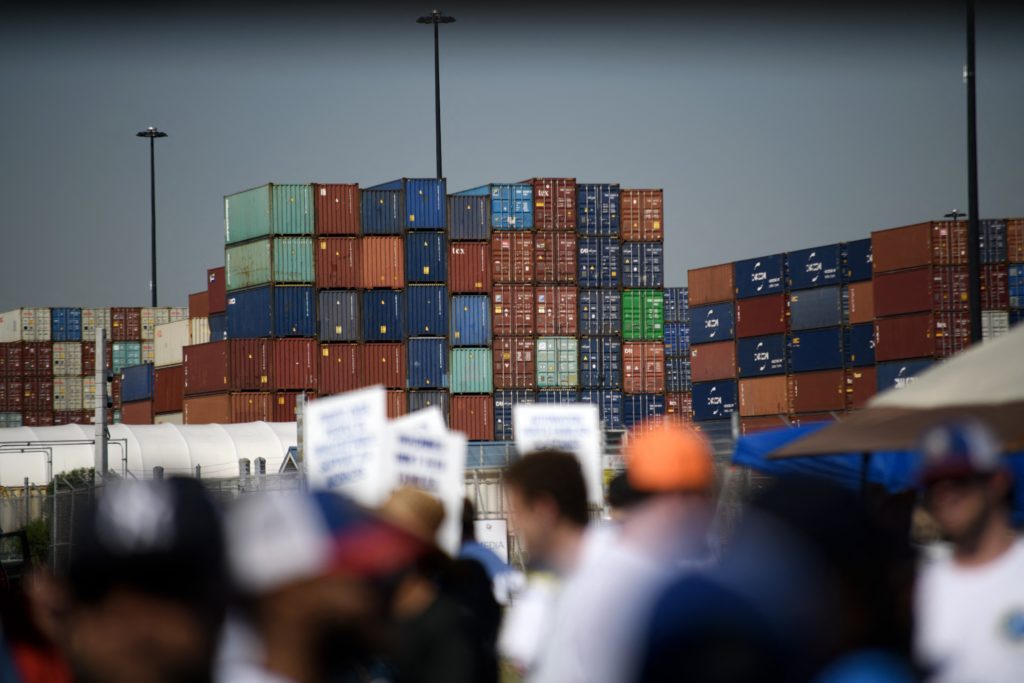
Global port worker strikes are disrupting shipping worldwide. Learn how labor disputes affect ports, vessels, supply chains, costs, and maritime resilience.

In an era where maritime transport carries around 80–90 percent of world trade by volume, ports are not just physical infrastructure. They are synchronization points in a finely tuned global system. When labor disputes interrupt that rhythm, the effects propagate far beyond the quayside. This article explores how global port worker strikes disrupt shipping and supply chains, why they are becoming more frequent and complex, and how the maritime industry is adapting to reduce their impact.
Why This Topic Matters for Maritime Operations
Ports are the interface between sea and land. For shipowners, charterers, and operators, a port is not merely a destination but a contractual and operational node governed by charterparty clauses, terminal productivity benchmarks, and laytime calculations. When port labor withdraws its services, vessels can find themselves stuck in limbo—neither working cargo nor free to proceed elsewhere without significant cost and legal complexity.
From an operational standpoint, port strikes directly affect vessel scheduling, fuel consumption, and safety. Ships waiting at anchor for days or weeks increase collision risks in congested roadsteads and burn additional fuel to maintain hotel loads. Crew fatigue also becomes a concern, especially when strike-related delays cascade across multiple ports on a voyage rotation.
For cargo interests, the stakes are equally high. Modern supply chains rely on just-in-time delivery, particularly in automotive manufacturing, electronics, pharmaceuticals, and perishable food trades. A strike at a key hub port can delay components by weeks, forcing factories to slow or stop production. In this sense, port worker strikes act like a sudden narrowing of a major artery in the global economy.
On a strategic level, repeated labor disruptions influence port competitiveness and national trade resilience. Shippers may divert cargo to alternative gateways, sometimes permanently, if they perceive a port as unreliable. Over time, this can reshape regional trade patterns, hinterland logistics investments, and even national industrial strategies.
Understanding Port Worker Strikes in the Maritime Context
Who Are Port Workers and Why Their Role Is Critical
Port workers—often referred to as dockworkers or longshore workers—perform tasks that cannot be easily substituted or automated overnight. They handle container cranes, manage roll-on/roll-off ramps, operate bulk cargo equipment, secure lashings, and coordinate closely with ship crews and terminal systems. Their work sits at the intersection of heavy machinery, safety-critical operations, and tight time windows.
In many countries, port labor is highly unionized, reflecting the historical dangers of dock work and the need for collective bargaining to ensure fair wages and safe conditions. Unions negotiate not only pay but also staffing levels, shift patterns, training requirements, and the introduction of automation technologies. These negotiations are where friction often arises.
Common Causes of Port Labor Disputes
While each strike has local characteristics, several recurring themes appear globally. Wage stagnation relative to inflation is a common trigger, especially during periods of high consumer prices. Workers who see shipping lines posting record profits may feel excluded from the upside of global trade growth.
Another major driver is automation. The introduction of automated stacking cranes, remote-controlled quay cranes, and digital terminal operating systems can increase efficiency but also threaten traditional job roles. For many unions, resistance to automation is not opposition to technology per se, but a demand for retraining, job guarantees, and a share in productivity gains.
Working conditions and safety also play a role. Extended shifts during peak congestion, exposure to hazardous cargoes, and pressure to maintain high throughput can strain labor relations. When negotiations stall, strikes become a tool to rebalance bargaining power.
How Port Worker Strikes Disrupt Shipping and Supply Chains
Immediate Operational Impacts on Ports and Vessels
The most visible effect of a port strike is a sudden drop in terminal productivity. Container moves per hour fall sharply or stop entirely. Berths remain occupied by idle vessels, while incoming ships anchor offshore. Yard congestion increases as import containers cannot be evacuated and export cargo cannot be loaded.
For shipping lines, these delays disrupt carefully planned vessel schedules. Modern liner services operate on fixed weekly rotations. A delay at one port can knock the entire string off schedule, affecting ports thousands of miles away. To recover, lines may skip ports, add extra vessels, or increase sailing speeds—each option carrying additional costs and emissions.
Bulk and tanker shipping are not immune. Although these sectors often rely on dedicated terminals, strikes affecting pilots, tug operators, or terminal staff can halt loading and discharging operations. Energy cargoes, in particular, are sensitive to delays, as refineries and power plants depend on continuous feedstock supply.
Cascading Effects on Global Supply Chains
Beyond the port gate, the effects multiply. Inland transport networks—railways, trucking companies, and inland terminals—experience bottlenecks as cargo arrivals become unpredictable. Warehouses fill up, forcing operators to lease temporary storage at higher rates.
Manufacturers feel the pressure quickly. A delayed container of components can stop an entire production line. Retailers face empty shelves or miss seasonal sales windows. For perishable goods, delays can mean total cargo loss, with knock-on effects for farmers and exporters.
These disruptions often translate into higher costs. Freight rates can spike as capacity is effectively removed from the market. Demurrage and detention charges accumulate, adding financial strain to cargo owners. Insurance claims may rise, particularly for time-sensitive or high-value goods.
Macroeconomic and Geopolitical Implications
At scale, port strikes can influence national economies. Export-dependent countries may see trade balances affected if goods cannot move efficiently. Inflationary pressures can increase when supply shortages push up prices.
In strategic chokepoints or major hub ports, labor disputes can attract political attention. Governments may intervene through mediation, emergency legislation, or even military assistance in extreme cases. Such interventions highlight how port labor stability is increasingly viewed as a matter of national economic security.
Key Developments Shaping the Impact of Port Strikes
Containerization, Scale, and Fragility
Containerization revolutionized shipping by standardizing cargo and enabling globalized supply chains. However, it also introduced systemic fragility. Mega-ships carrying over 20,000 TEU concentrate enormous volumes of cargo in a single port call. When a strike halts operations, the scale of disruption is far greater than in the era of smaller vessels and more dispersed trade.
Ports have responded by expanding terminals and investing in larger cranes, but labor relations have not always evolved at the same pace. The result is a high-capacity system with limited tolerance for stoppages.
Digitalization and Transparency
Digital tools such as vessel tracking platforms and port community systems have increased transparency. Shippers can see delays in near real time, which can amplify market reactions. While transparency helps planning, it also means that the reputational impact of strikes spreads rapidly across global logistics networks.
At the same time, digitalization creates new labor tensions. The introduction of remote operations and data-driven performance monitoring can feel intrusive to workers if not implemented collaboratively.
Environmental and Regulatory Pressures
Environmental regulations add another layer of complexity. Vessels delayed by strikes may exceed emission limits or face higher fuel costs if they speed up to recover schedules. Ports operating under strict environmental permits may struggle to manage congestion without breaching air quality standards.
International bodies such as International Maritime Organization and trade organizations like International Chamber of Shipping increasingly recognize that labor stability is intertwined with safety and sustainability goals.
Challenges and Practical Solutions
Managing the impact of port worker strikes requires coordinated action across the maritime ecosystem. One major challenge is the contractual framework governing shipping. Charterparties and bills of lading often include strike clauses, but their interpretation can be contentious. Clearer allocation of risk between owners, charterers, and cargo interests is essential to reduce disputes during disruptions.
From an operational perspective, flexibility is key. Shipping lines are investing in more resilient network designs, including alternative port options and buffer capacity. While this reduces efficiency in normal times, it provides insurance against sudden stoppages.
Engagement with labor is perhaps the most critical solution. Ports that maintain continuous dialogue with unions, involve workers in technology transitions, and invest in training tend to experience fewer and shorter strikes. Trust, once built, becomes a form of operational resilience.
Governments also play a role by facilitating mediation and ensuring that labor laws balance workers’ rights with the need to maintain essential trade flows. In some jurisdictions, ports are designated as critical infrastructure, allowing limited intervention during prolonged disputes.
Case Studies and Real-World Applications

North American West Coast Disruptions
Labor disputes at major West Coast ports have repeatedly demonstrated how localized issues can have global consequences. When negotiations between port employers and unions stall, even slowdowns—short of full strikes—can reduce throughput dramatically. Given the importance of these ports for trans-Pacific trade, disruptions quickly affect retailers and manufacturers across North America.
European Port Labor Actions
In Europe, coordinated labor actions across multiple ports have highlighted the interconnectedness of regional supply chains. When several ports experience strikes within a short period, cargo diversion options become limited, amplifying congestion and costs across the continent.
Australian Port Challenges
Australia’s reliance on maritime trade makes port labor stability particularly important. Strikes affecting container and bulk terminals have disrupted exports of agricultural products and minerals, with implications for global commodity markets.
These cases illustrate that while the causes of strikes may be local, their effects are global.
Future Outlook and Maritime Trends
Looking ahead, port worker strikes are unlikely to disappear. In fact, several trends suggest they may become more frequent or impactful. Automation will continue to reshape terminal operations, requiring careful management of workforce transitions. Inflation and cost-of-living pressures may keep wage disputes at the forefront of labor negotiations.
At the same time, the maritime industry is learning. There is growing recognition that resilience is as important as efficiency. Ports and shipping lines are incorporating labor risk into their strategic planning, alongside climate and geopolitical risks.
International cooperation will also matter. Organizations such as United Nations Conference on Trade and Development and the World Bank increasingly emphasize the social dimension of supply chain resilience, including fair labor practices and social dialogue.
Ultimately, the future points toward a more balanced approach, where productivity gains from technology are shared with workers, and where ports are managed as socio-technical systems rather than purely mechanical ones.
FAQ Section
Why do port worker strikes have such a large global impact?
Because ports are critical nodes in global supply chains. When they stop, cargo cannot move between sea and land, causing delays that cascade across industries and countries.
Are container ports more affected than bulk or tanker ports?
Container ports tend to experience more visible disruption due to tight schedules and high cargo volumes, but bulk and tanker ports can also be severely affected, especially for energy and commodity trades.
Can shipping lines avoid strike-affected ports easily?
Diversion is possible but costly and limited by geography, terminal capacity, and inland logistics connections.
How do strikes affect freight rates?
Strikes effectively reduce available capacity, which can push freight rates higher, especially during peak demand periods.
Is automation the main cause of modern port labor disputes?
Automation is a major factor, but wage levels, working conditions, and job security are equally important drivers.
What role do governments play during port strikes?
Governments may act as mediators, impose emergency measures, or in rare cases intervene directly to keep trade moving.
Conclusion
Global port worker strikes are far more than isolated labor disputes. They are stress tests for the entire maritime and logistics system, revealing how interconnected and vulnerable modern supply chains have become. From delayed vessels and congested terminals to factory shutdowns and rising consumer prices, the consequences extend well beyond the waterfront.
Yet these disruptions also offer lessons. Ports that invest in constructive labor relations, transparent communication, and shared benefits from technological progress tend to weather disputes more effectively. For shipping companies and cargo owners, building flexibility and resilience into networks is no longer optional—it is a strategic necessity.
As global trade continues to evolve, understanding and addressing the human dimension of ports will be as important as investing in cranes, software, and ships. For maritime professionals, policymakers, and students alike, port labor relations deserve a central place in discussions about the future of shipping.
References
International Maritime Organization. (2023). Maritime safety and efficiency reports. https://www.imo.org
International Chamber of Shipping. (2024). Shipping and supply chain resilience. https://www.ics-shipping.org
United Nations Conference on Trade and Development. (2023). Review of Maritime Transport. https://unctad.org
World Bank. (2022). Port performance and global trade. https://www.worldbank.org
Lloyd’s List Intelligence. (2023). Port congestion and labor disputes. https://lloydslist.com
BIMCO. (2023). Contractual implications of port strikes. https://www.bimco.org
Marine Policy Journal. (2022). Labor relations and port efficiency. https://www.sciencedirect.com