
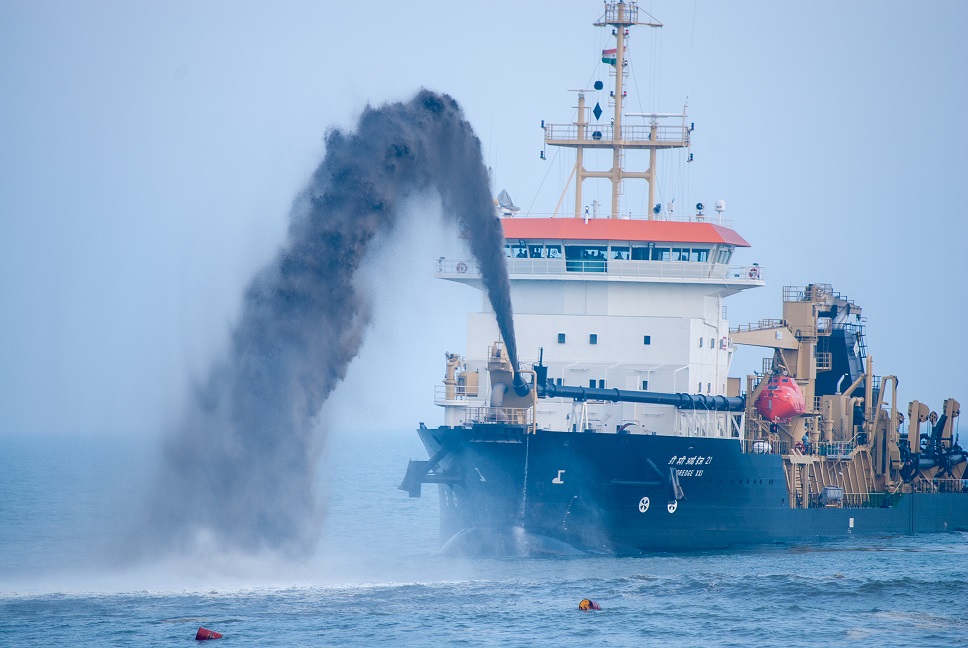
Dredging today explained in clear terms—environmental rules, modern equipment, and real-world costs shaping ports, waterways, and global trade.
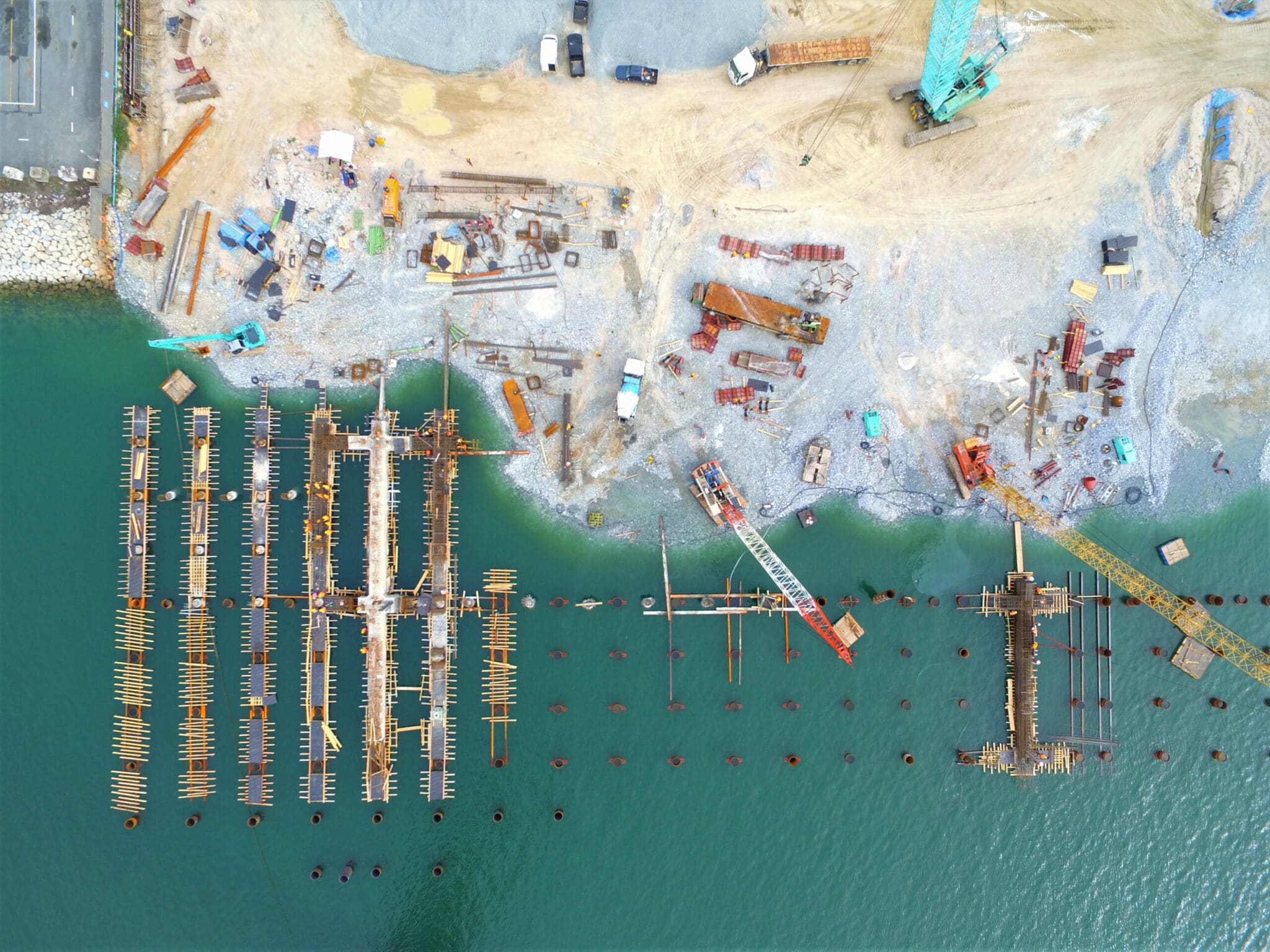
Today, dredging sits at the crossroads of three powerful forces: stricter environmental regulation, rapid technological change, and rising costs driven by energy prices and sustainability expectations. Modern dredging is no longer just about “digging the seabed.” It is about balancing operational necessity with environmental protection, regulatory compliance, and financial realism. This article explains dredging today in practical, accessible terms—covering the rules that govern it, the equipment that makes it possible, and the costs that shape real-world decisions.
Why This Topic Matters for Maritime Operations
Dredging directly determines whether ships can enter ports safely, load efficiently, and operate on schedule. In an era of larger vessels, climate-driven sediment changes, and tighter environmental oversight, understanding how dredging works—and what constrains it—has become essential knowledge for port authorities, ship operators, maritime engineers, and policy makers.

Understanding Dredging in the Modern Maritime Context
Dredging is the controlled excavation of sediments from the seabed, riverbed, or port basin, followed by transport, treatment, reuse, or disposal of the removed material. While the basic principle has not changed for centuries, the context has. Modern dredging projects must now align with international maritime conventions, national environmental laws, and social expectations around sustainability and transparency.
From a maritime operations perspective, dredging is best understood as infrastructure maintenance with safety and environmental implications. Insufficient dredging increases grounding risk and limits vessel size. Poorly managed dredging, however, can damage ecosystems, trigger regulatory penalties, and delay port operations for years.
Environmental Rules Governing Dredging Today
International Regulatory Frameworks
At the global level, dredging activities intersect with several international instruments. The International Maritime Organization provides overarching guidance through conventions addressing marine pollution and environmental protection. While dredging itself is not regulated as a ship operation, the disposal of dredged material at sea falls under international controls.
The London Convention and its 1996 Protocol establish rules for the dumping of wastes, including dredged sediments, at sea. These instruments require permits, environmental assessment, and monitoring, pushing dredging authorities to justify both the necessity and the method of disposal.
Regional and National Environmental Controls
Beyond global conventions, dredging is shaped by regional and national regimes that are often more restrictive. In Europe, dredging projects must comply with environmental impact assessment requirements and water quality directives enforced with support from bodies such as European Maritime Safety Agency. Similar roles are played by authorities like the United States Coast Guard and the Australian Maritime Safety Authority in their respective jurisdictions.
These frameworks increasingly require baseline ecological studies, continuous monitoring during dredging, and post-project reporting. For ports, this means dredging is no longer a purely technical decision but a regulatory process that must be planned years in advance.
Environmental Impact and Mitigation Expectations
Environmental scrutiny focuses on turbidity, habitat disturbance, noise, and the potential release of contaminants trapped in sediments. Modern dredging projects therefore integrate mitigation measures as standard practice. These include low-turbidity dredging heads, silt curtains, seasonal work windows to protect spawning periods, and real-time water quality monitoring.
Such measures are not only environmentally motivated; they are operationally pragmatic. Projects that demonstrate environmental control are less likely to face legal challenges or community opposition, reducing costly delays.
Dredging Equipment Used Today
Cutter Suction Dredgers (CSD)
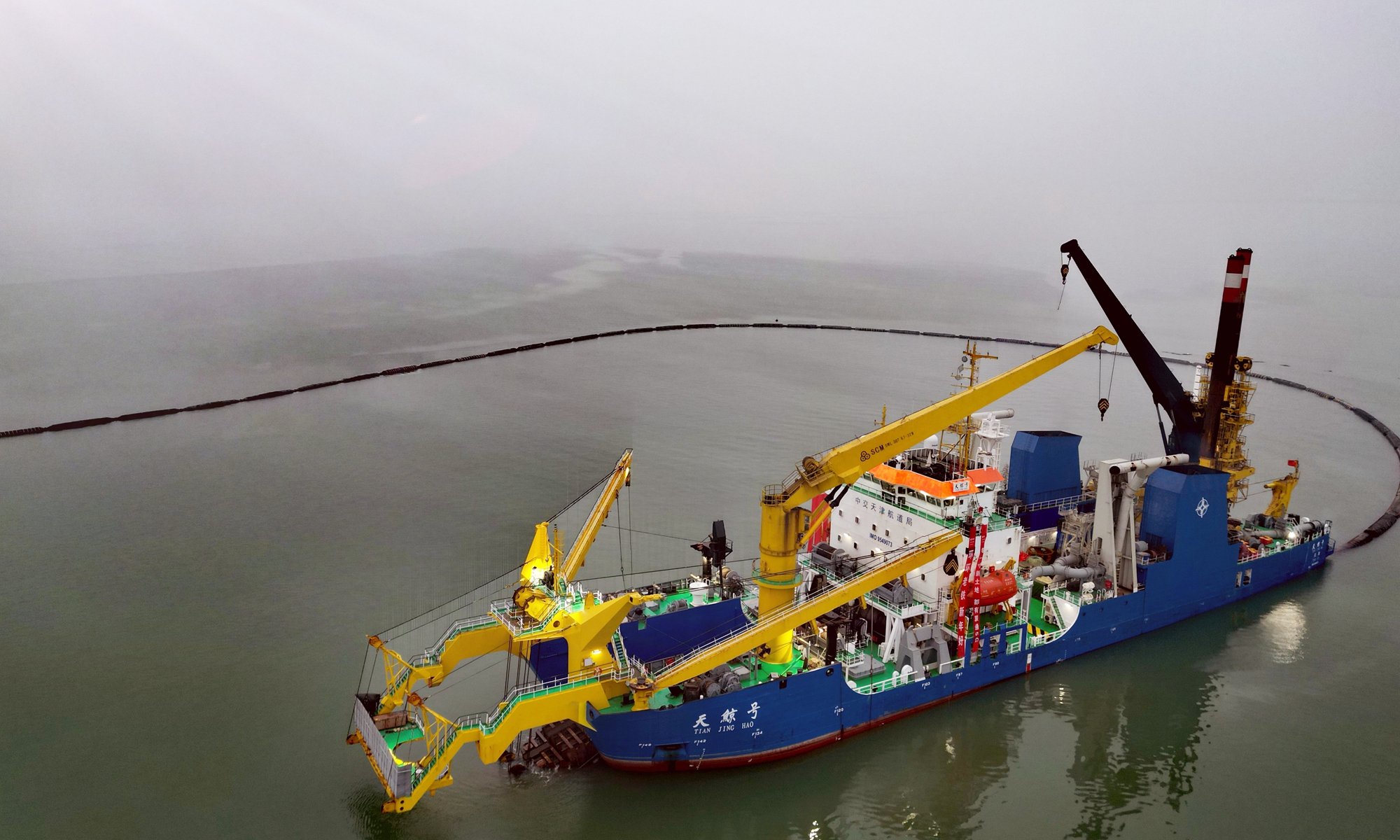
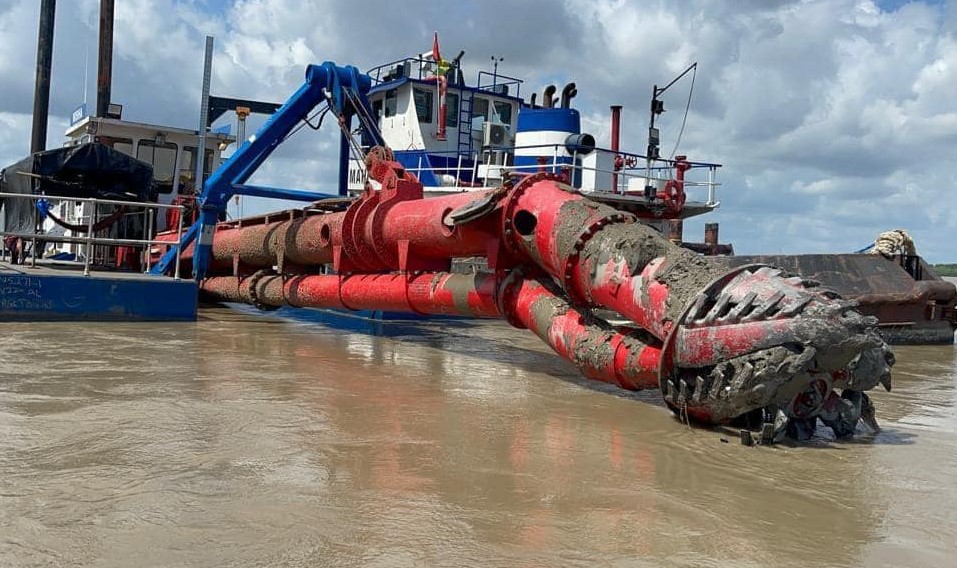
Cutter suction dredgers remain a workhorse of modern dredging, particularly in ports and rivers with compacted sediments. A rotating cutter head loosens material, which is then pumped through a pipeline to a disposal or reclamation site.
Modern CSDs are far more precise than earlier generations. Automated positioning systems and depth sensors allow operators to remove material layer by layer, reducing over-dredging and energy waste. For ports with tight environmental permits, this precision is a critical advantage.
Trailing Suction Hopper Dredgers (TSHD)
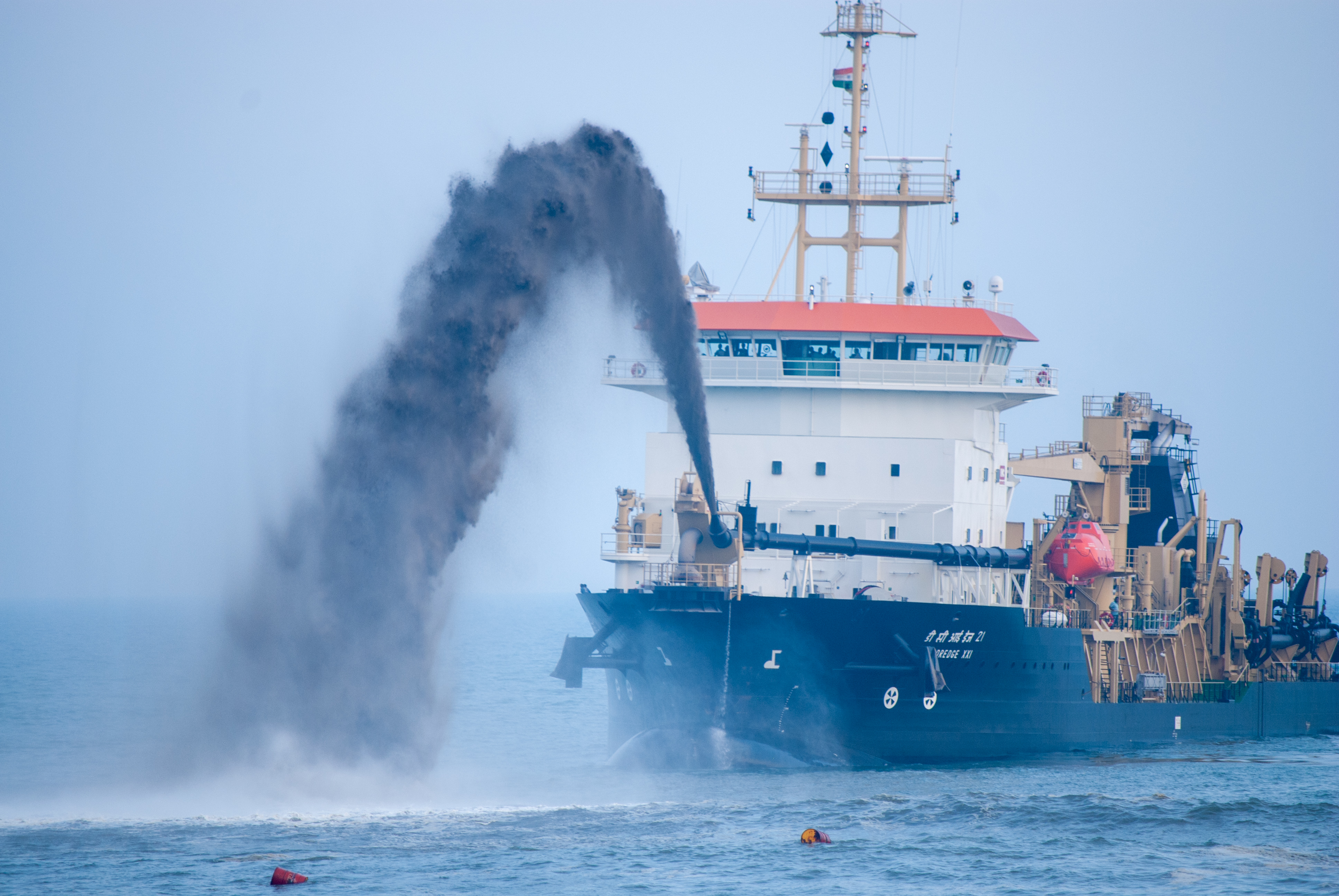
Trailing suction hopper dredgers dominate large-scale maintenance dredging and capital projects in open waters. These self-propelled vessels drag suction pipes along the seabed, storing dredged material in onboard hoppers.
Today’s TSHDs integrate advanced navigation, real-time seabed mapping, and fuel-efficiency technologies. Some newer units are hybrid-powered, reflecting the maritime industry’s broader decarbonisation efforts supported by organisations such as International Chamber of Shipping.
Mechanical Dredgers and Specialist Equipment
Backhoe dredgers and grab dredgers are still widely used in confined port basins and near quay walls, where precision matters more than volume. While mechanically simple, modern versions incorporate environmental controls such as sealed grabs to prevent sediment loss during lifting.
Specialist dredging equipment has also emerged for environmentally sensitive projects, including amphibious dredgers for shallow wetlands and small autonomous dredgers for canals and marinas.
Technology Trends Shaping Dredging Operations
Digitalisation and Real-Time Monitoring
One of the most significant changes in dredging today is the integration of digital tools. Real-time bathymetric surveys, turbidity sensors, and GPS-based control systems allow dredging teams to see exactly what they are doing as they work.
This transparency supports compliance reporting and builds trust with regulators. It also reduces costs by avoiding unnecessary dredging and rework.
Automation and Remote Operations
Automation is gradually reducing manual intervention in dredging operations. Automated cutter control, drag head adjustment, and vessel positioning improve efficiency and consistency. Remote monitoring allows experts ashore to support onboard crews, particularly during complex or environmentally sensitive phases of a project.
These developments mirror trends across maritime operations, from ship navigation to port traffic management.
The Cost Structure of Dredging Today
Dredging costs are influenced by a complex mix of technical, environmental, and economic factors. There is no universal price per cubic metre; costs vary widely depending on project conditions.
Fuel and energy consumption remain major cost drivers, especially for large trailing suction hopper dredgers. Environmental mitigation measures add further costs, including monitoring equipment, specialist staff, and reporting requirements. Disposal or reuse of dredged material can be either a cost or a benefit, depending on whether material is treated as waste or as a resource.
Market data from sources such as Clarksons Research and Lloyd’s List Intelligence show that dredging costs have risen steadily in recent years, reflecting higher fuel prices and stricter environmental expectations.
Challenges and Practical Solutions
Modern dredging faces a tension between necessity and acceptability. Ports need deeper channels, but communities demand environmental protection. Practical solutions lie in early planning, transparent communication, and technology-driven mitigation.
Ports that invest in long-term sediment management plans and digital monitoring systems are better positioned to control costs and avoid regulatory conflict. Collaboration with classification societies such as DNV and Lloyd’s Register also helps align projects with recognised best practice.
Case Studies and Real-World Applications
In Northern Europe, several major ports have shifted from periodic large-scale dredging to continuous, low-impact maintenance dredging supported by real-time monitoring. This approach reduces ecological disturbance while keeping channels consistently navigable.
In Asia, fast-growing container ports combine capital dredging with land reclamation, using treated dredged material to create new terminal space. Such projects demonstrate how dredging, when well managed, can support both economic growth and environmental objectives.
Future Outlook and Maritime Trends
Looking ahead, dredging will increasingly align with broader maritime trends such as digital twins, climate adaptation, and decarbonisation. Predictive models will help ports anticipate sedimentation before it becomes a problem. Hybrid and alternative-fuel dredgers will reduce emissions in port areas.
As sea levels rise and extreme weather alters sediment patterns, dredging will become even more central to port resilience. The challenge will be delivering it in ways that are environmentally credible and economically sustainable.
Frequently Asked Questions (FAQ)
Why is dredging still necessary today?
Natural sedimentation continues regardless of technology. Without dredging, ports and waterways would gradually become unsafe or unusable.
Is dredging harmful to the environment?
It can be if poorly managed. Modern rules and technologies aim to minimise and control environmental impacts.
Who regulates dredging activities?
Regulation involves international conventions, national maritime authorities, and environmental agencies working together.
What equipment is most commonly used today?
Cutter suction dredgers and trailing suction hopper dredgers dominate large projects, supported by mechanical dredgers in confined areas.
Why has dredging become more expensive?
Higher fuel costs, stricter environmental requirements, and more complex projects all contribute.
Can dredged material be reused?
Yes. Many projects now treat dredged sediment as a resource for land reclamation or habitat creation.
Conclusion and Takeaways
Dredging today is a far more complex and strategic activity than it once was. Environmental rules are stricter, equipment is more sophisticated, and costs are higher—but so are expectations for safety, sustainability, and transparency. For the maritime industry, understanding dredging is not optional; it is fundamental to port efficiency and long-term resilience.
Ports and waterways that invest in modern dredging practices are not just maintaining depth—they are safeguarding their role in global trade. For maritime professionals and decision-makers, staying informed about dredging is an investment in operational reliability and environmental credibility.
References
International Maritime Organization (IMO). Marine environmental protection conventions and guidance.
UNCTAD. Port infrastructure, dredging, and sustainable development.
International Chamber of Shipping (ICS). Port–ship interface publications.
European Maritime Safety Agency (EMSA). Environmental monitoring and maritime safety resources.
United States Coast Guard (USCG). Navigation and waterway management guidance.
DNV; Lloyd’s Register. Infrastructure assurance and marine construction guidance.
Clarksons Research; Lloyd’s List Intelligence. Dredging and marine construction market insights.
Peer-reviewed journals: Marine Policy, Marine Pollution Bulletin, Journal of Maritime Affairs.