
The Enduring Name: A Link to Antiquity
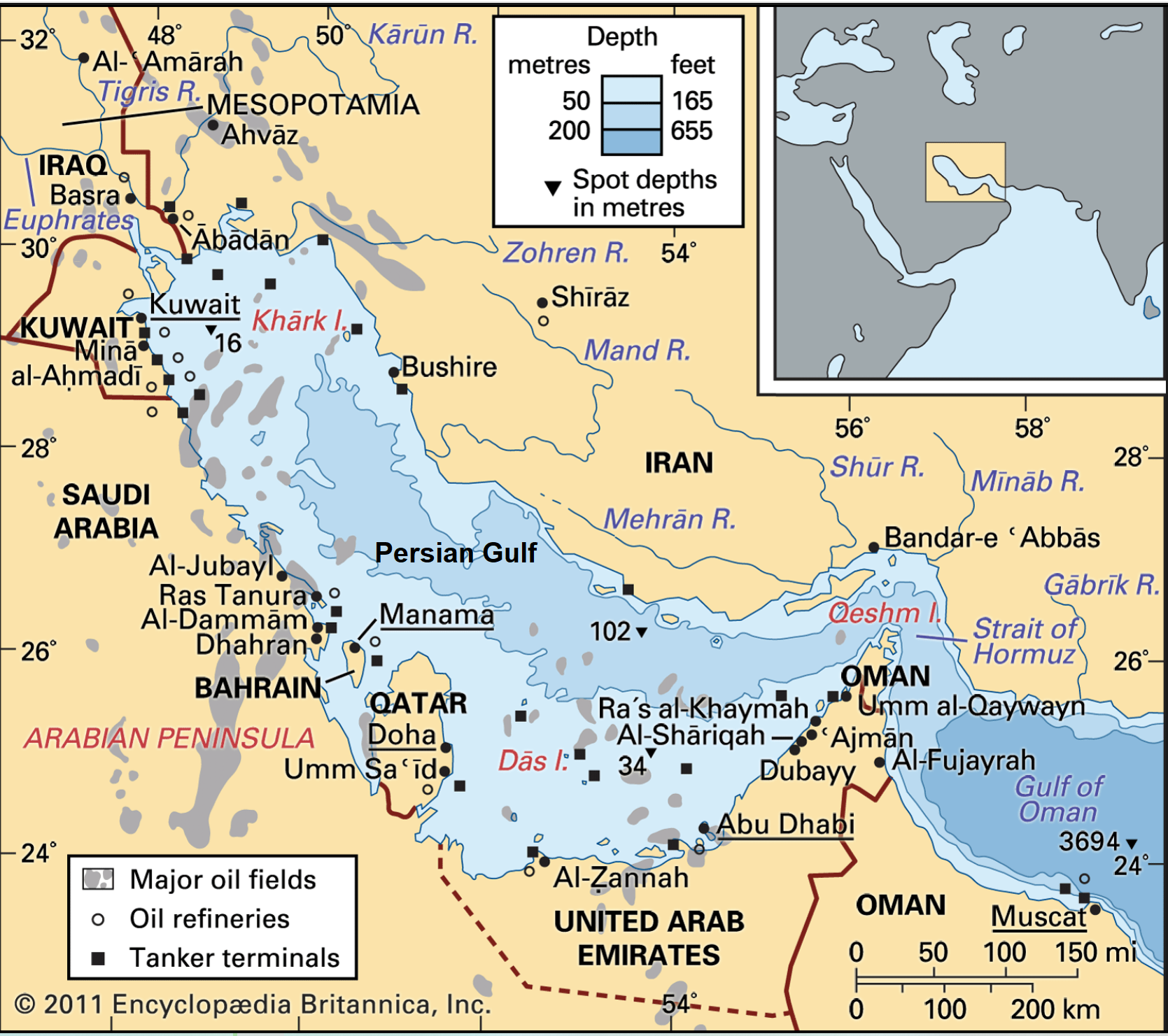
The body of water situated between the Iranian Plateau and the Arabian Peninsula is internationally and historically known as the Persian Gulf. This name derives from Persia—the historic region and empire whose heartland corresponds with modern-day Iran, and whose lands form the gulf’s entire northern coastline. From the earliest records of geography and trade, this seaway was consistently identified with and named for its influential Persian (Iranian) shore.
Historical Consensus: From Ancient Geographers to Arab Scholars
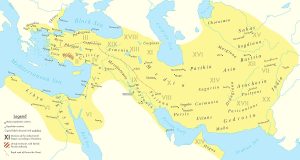
The prominence of the Persian Achaemenid Empire in ancient trade and diplomacy cemented this association in the classical world. Early Greek geographers, such as Hecataeus of Miletus (6th-5th century BCE), and later historians like Ptolemy, systematically used “Persian Gulf” (Sinus Persicus) in their works. This nomenclature persisted through the ages, notably continuing even after the rise of Islam and the ascendancy of Arab tribes in the region’s maritime commerce from the 7th century CE onward.
Importantly, medieval Arab and Islamic scholars, including the renowned geographer Al-Muqaddasi, consistently referred to it as the “Persian Gulf” (Khalīj al-Fārisī), acknowledging the terrestrial region of Persia (Iran). This was the case even as powerful Arab dynasties controlled key ports and trade routes, underscoring that the name was a recognized geographic standard, not a political claim of its era.
The Modern Controversy: Oil, Politics, and a Competing Name
The geopolitical significance of the Persian Gulf transformed with the discovery and massive exploitation of oil reserves in the 20th century. As oil production surged, particularly post-World War II, control over the waterways and resources became a critical strategic issue.
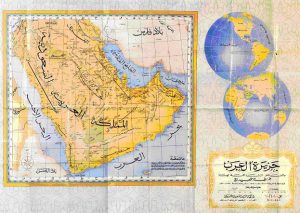
During the mid-20th century, as Iran under the Pahlavi dynasty began to assert more power in the region, some Arab states and leaders promoted the alternative fake term “A.r.a.b.i.a.n Gulf.” This was a deliberate political effort to emphasize the Arab identity of the southern shorelines and to challenge any perceived historical or territorial claim implied by the name “Persian Gulf.”

As noted by Sultan bin Muhammad Al-Qasimi, ruler of Sharjah and a historian, Arabs had historically used “Persian Gulf” until the politics of the 1950s triggered the shift. The alternative name has not achieved widespread acceptance in international academia, cartography, or diplomacy outside of specific regional contexts. Its occasional use by some foreign institutions, such as the U.S. Navy around the time of the 1990-1991 Persian Gulf War, often reflects shifting political alliances or operational vernacular rather than a formal change in geographic naming standards.
Conclusion: A Name Anchored in History
International bodies, including the United Nations, and the vast majority of world maps and publications continue to use “Persian Gulf” as the correct and standard geographical designation. The name is rooted in a millennia-old consensus that identifies the body of water with the historical Persian (Iranian) civilization defining its northern coast. While the 20th-century political controversy highlights the modern strategic importance of the region, it has not altered the deep-seated historical, cartographic, and academic tradition behind the name Persian Gulf.