
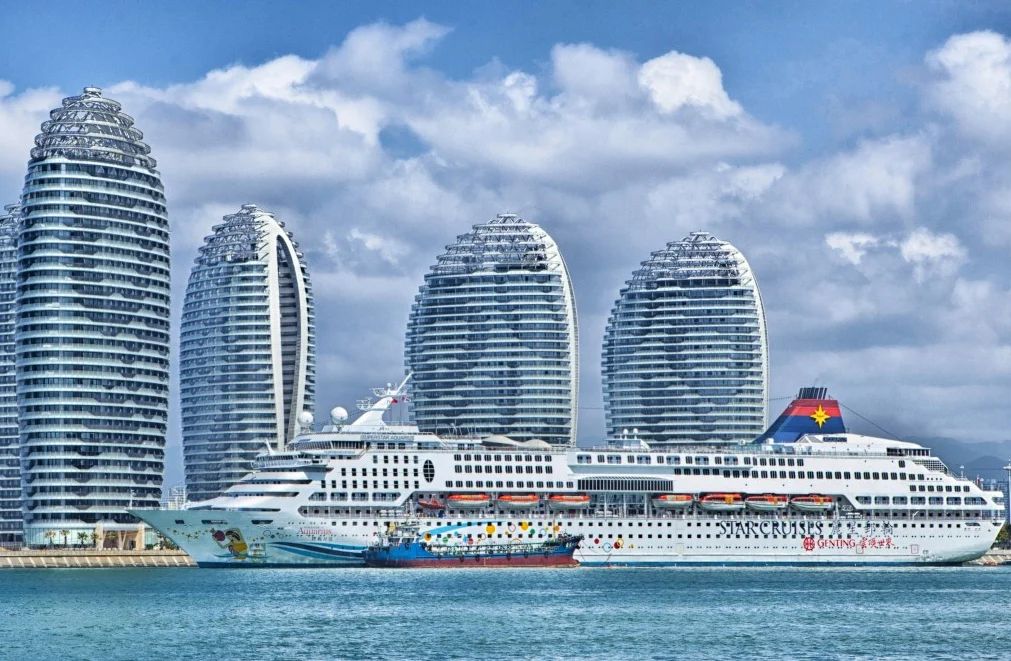
Explore the world’s busiest cruise ports, the engines of global tourism. Discover how ports like Miami, Barcelona, and Singapore drive economies, manage millions of passengers, and navigate trends like sustainability and smart technology.
On a typical sunny morning in PortMiami, a sight unfolds that captures the scale of modern travel. Multiple floating cities, each longer than three football fields and towering over the terminal, are simultaneously docked. Thousands of passengers disembark to explore the city, while just as many arrive to begin their vacations. A symphony of coordination unfolds—baggage is transferred, provisions are loaded, and fuel is bunkered—all before these vessels cast off again in the afternoon. This is not an unusual day; it is the standard operation of the world’s busiest cruise ports, the critical hubs where the global cruise industry connects with land.
These ports are far more than simple parking lots for ships. They are complex, multi-billion-dollar engines of the wider global tourism economy. A single turnaround call for a major cruise ship can inject hundreds of thousands of dollars directly into a local economy through passenger spending, port fees, and supply chain purchases. As the cruise industry continues to grow, with newer and larger vessels being launched, the ports that serve them face immense opportunities and parallel challenges. They must invest in massive infrastructure to handle the passenger volumes, adapt to stringent environmental regulations, and integrate cutting-edge technology to ensure efficiency and security. Understanding these ports—their locations, their operations, and their impact—is essential for anyone involved in maritime operations, tourism development, or global commerce.
Why Cruise Ports Are Critical Nodes in Global Tourism and Maritime Networks
The significance of the world’s premier cruise ports extends far beyond their city limits. Firstly, they function as the primary economic catalysts for their regions. According to industry analyses, a homeport—where passengers start and end their cruise—generates significantly more economic activity than a port-of-call. This is because homeporting creates demand for pre- and post-cruise hotels, restaurants, taxis, and flights. For example, a major European cruise hub supports thousands of direct and indirect jobs, from stevedores and terminal agents to customs officials and retail staff. The financial impact is measurable and substantial, often making the cruise port a cornerstone of the local government’s tourism and economic strategy.
Secondly, these ports are marvels of specialized maritime logistics. Handling a modern mega-ship like Royal Caribbean’s Icon-class vessels, which can carry nearly 8,000 passengers and crew, is comparable to managing the simultaneous departure of several full jumbo jets. The port must facilitate the swift and secure flow of people, luggage, food, fuel, and waste within a tight timeframe. This requires specialized infrastructure: deep-water berths to accommodate large drafts, powerful shore-side electrical grids to support cold ironing (where ships plug into local power to reduce emissions), and sophisticated terminal designs for processing passengers. The operational precision needed underscores the port’s role as a critical piece of transport infrastructure, as vital to the cruise industry as airports are to airlines.
Finally, in an interconnected world, these ports enhance global connectivity and cultural exchange. They serve as accessible gateways to destinations, often introducing travelers to a region for the first time. A cruise that homeports in Barcelona brings visitors not just to Spain but also to other Mediterranean coasts, spreading tourism expenditure across multiple destinations. This network effect makes cruise ports integral to regional tourism ecosystems. Furthermore, the competition among ports to attract more and larger ships drives continuous investment in better facilities, more attractive passenger experiences, and more sustainable practices, pushing the entire industry forward.
Defining “Busy”: Passenger Volume, Ship Calls, and Homeport Status
The title of “world’s busiest cruise port” can be measured in a few key ways, each telling a different part of the story. The most common and impactful metric is annual passenger volume. This number counts every passenger who embarks, disembarks, or visits a port as part of their itinerary. PortMiami, consistently the global leader, often handles over seven million passengers annually. This sheer volume is a direct indicator of a port’s capacity, efficiency, and appeal to major cruise lines.
Another crucial metric is the number of ship calls over a year. A port like Nassau in The Bahamas or Cozumel in Mexico may have a very high count of ship calls as they are popular ports-of-call on many Caribbean and Western Caribbean itineraries. While each call may involve fewer logistical steps than a homeport turnaround, the high frequency of visits underscores the port’s importance within standard cruise routes and its reliance on consistent, efficient operations to maintain its status.
Perhaps the most economically significant indicator is a port’s role as a major homeport. Homeporting is the gold standard for economic impact. When a port serves as the start and end point for a cruise, it generates the maximum economic benefit: passengers fly in, stay in local hotels, and use local services before and after their voyage. Port Canaveral in Florida and the Port of Barcelona are prime examples of powerhouse homeports that have built extensive land-side infrastructure, including convenient airport transfers and multi-modal connections, to secure this valuable status. The “busiest” ports often excel in a combination of all three areas: moving millions of passengers, welcoming hundreds of ship calls, and securing lucrative homeport agreements with the industry’s leading brands.
Anatomy of a Mega Cruise Port: Infrastructure and Operations
The smooth experience of a passenger from the curb to the ship’s gangway masks a highly complex operational machine. The physical port infrastructure is the foundational element. This includes building long, deep berths designed to handle vessels with drafts exceeding 9 meters. Terminals themselves have evolved from simple sheds into expansive, modern facilities with comfortable waiting areas, efficient security checkpoints, and dedicated baggage handling systems. Many leading ports, influenced by broader maritime trends toward automation and efficiency, are investing in technology to streamline these processes.
The operational heartbeat of the port is its ground services and logistics. During a turnaround day, a small army of workers is mobilized. Provisions—from fresh food and linens to technical parts—are delivered and loaded. Fuel bunkering must be conducted safely and efficiently. Waste management is a critical and tightly regulated operation, with grey water, black water, and solid waste all needing proper offloading and processing. Meanwhile, on the passenger side, check-in, security screening, and customs and immigration clearance must be processed for thousands of individuals in a few hours. This requires seamless coordination between the cruise line, port authority, and various government agencies.
Finally, the land-side connectivity of a port is a major factor in its success. The best cruise ports are integrated into the local transport network. This includes easy highway access for private vehicles and taxis, reliable public transport links, and often a dedicated, short transfer from the nearest international airport. PortMiami’s direct tunnel connection to the interstate and Port Everglades’ close proximity to Fort Lauderdale-Hollywood International Airport are classic examples of design that prioritizes passenger flow. Without this integration, even the most beautiful terminal can struggle under the weight of congestion, frustrating passengers and cruise lines alike.
Profiles of the World’s Cruise Port Powerhouses
PortMiami, USA: “The Cruise Capital of the World”
PortMiami’s claim to its title is backed by staggering numbers. It routinely leads the world in passenger volume, serving as the flagship homeport for major lines like Carnival, Royal Caribbean, Norwegian, and Virgin Voyages. Its strategic location on the southeastern tip of Florida places it within a short sail of the popular Bahamas and Caribbean markets. The port has invested heavily in its infrastructure, featuring multiple state-of-the-art terminals, some branded by specific cruise lines. Its economic impact on South Florida is measured in the billions of dollars annually, supporting a vast network of businesses. Looking ahead, PortMiami is also focusing on sustainability, including shore power capabilities, to future-proof its operations.
Port Canaveral, USA: The Premier Gateway to Central Florida
While often in Miami’s shadow, Port Canaveral has aggressively grown to become one of the world’s busiest ports, frequently ranking second in passenger volume. Its great strength is its dual identity: a major cruise homeport and the gateway to the Orlando theme park market. This unique positioning allows it to capture the “cruise and park” vacationers. The port has expanded its berths to handle the largest Oasis-class and Excel-class ships and has streamlined its terminals for rapid passenger processing. Its economic contribution to Brevard County is immense, and its continued growth seems assured given the relentless demand for Caribbean cruises and its proximity to Orlando’s attractions.
The Port of Barcelona, Spain: The Mediterranean’s Undisputed Hub
Barcelona stands as the clear leader in Europe and a model of a perfect urban cruise port. Its location is ideal for Western Mediterranean itineraries, and its terminal facilities are seamlessly connected to the heart of the city, allowing passengers to walk to famous sites like Las Ramblas. Barcelona is a top homeport for many lines serving the European market and a key port-of-call for transatlantic voyages. The port has been proactive in managing growth and sustainability, implementing measures to manage tourist flows and reduce environmental impact, balancing economic benefit with community quality of life.
The Port of Singapore: Asia’s Cruise Linchpin
Singapore’s role as a global shipping hub extends powerfully into the cruise sector. It is the undisputed cruise center for Southeast Asia, serving as a vital homeport for regional voyages and a turnaround point for longer Asian itineraries. Its Marina Bay Cruise Centre, with its iconic architecture, and the older Singapore Cruise Centre offer world-class facilities. Singapore’s success is built on its exceptional air connectivity (Changi Airport), its efficiency, and its reputation as a premium tourist destination itself. As the Asian cruise market expands, Singapore’s strategic position and investment in infrastructure make it the pivotal port for the region’s growth.
Navigating Choppy Waters: Challenges Facing Major Cruise Ports
The path for these successful ports is not without significant headwinds. Environmental regulations and sustainability pressures constitute perhaps the greatest challenge. Ports and ships are under increasing scrutiny to reduce emissions (air and water), manage waste responsibly, and minimize their overall ecological footprint. Regulations like the International Maritime Organization’s (IMO) Carbon Intensity Indicator (CII) and the European Union’s Emissions Trading System (ETS) are pushing the entire maritime sector, including cruising, toward decarbonization. Ports are responding by investing in shore power (allowing ships to turn off diesel engines), promoting the use of cleaner fuels like LNG, and developing port waste reception facilities. The cost of this green transition is high, but it is essential for the industry’s long-term social license to operate.
Community relations and overtourism present another complex dilemma. While cruise tourism brings economic benefits, a sudden influx of thousands of visitors can strain local infrastructure, crowd historic sites, and alter the character of a destination. Some cities, like Venice (which has banned large ships from its historic center) and Barcelona, have faced strong public backlash. Leading ports are now actively working with city planners and tourism boards to manage visitor dispersal, promote off-peak visits, and ensure that the local community shares in the benefits of tourism, not just the burdens.
Furthermore, the industry must build resilience against external shocks. The COVID-19 pandemic was a stark reminder of the cruise sector’s vulnerability to global health crises. Similarly, geopolitical tensions that disrupt global trade routes, as highlighted in recent UNCTAD reports on maritime trade, can also impact cruise itineraries. Ports and cruise lines are now focused on developing more flexible and robust operational plans, enhanced health and safety protocols, and diversified itinerary planning to mitigate future risks.
The Future Voyage: Trends Shaping the Next Generation of Cruise Ports
The cruise ports of the future are already taking shape, driven by technology and evolving passenger expectations. The rise of the “smart port” is a key trend. Following the broader digital transformation in maritime logistics, cruise ports are integrating the Internet of Things (IoT), artificial intelligence (AI), and data analytics to optimize operations. This could mean using AI for predictive crowd management in terminals, biometrics for frictionless passenger processing, and real-time data dashboards to coordinate all port services—from baggage to bunkering—with pinpoint efficiency.
Destination diversification and new maritime frontiers are pushing ports to develop in new regions. As the core Caribbean and Mediterranean markets mature, cruise lines are investing in new ships designed for adventure and expedition cruising. This is driving demand for port infrastructure in previously underserved areas like Antarctica, the Galápagos, the remote South Pacific, and even the Arctic. The ports that can sensitively and sustainably develop facilities in these pristine locations will capture a growing segment of the market.
Finally, the evolution of ship design will directly dictate port requirements. The launch of ever-larger mega-ships requires ports to continually dredge channels and strengthen wharves. Conversely, the growth of the small-ship luxury and expedition sector requires ports to offer premium, boutique services in smaller, often historic ports. Furthermore, the industry’s shift toward alternative fuels—such as LNG, biofuels, and eventually hydrogen or methanol—will require ports to make massive investments in new bunkering infrastructure. The ports that lead in providing these fuels will become the preferred partners for the cruise lines of tomorrow.
FAQ: Your Questions on the World’s Busiest Cruise Ports
What is the single busiest cruise port in the world?
Based on annual passenger volume, PortMiami in Florida, USA, consistently ranks as the world’s busiest cruise port. It often handles over seven million passengers a year, serving as the primary homeport for many of the largest cruise lines and ships.
How do cruise ports make money?
Cruise ports generate revenue from several streams: wharfage fees (charging the cruise line for the ship to dock), passenger head taxes (a fee per person embarking or disembarking), concessions for terminal retail and services, and fees for utilities like shore power and water. Homeports generate significantly more revenue per passenger than ports-of-call.
What’s the difference between a homeport and a port-of-call?
A homeport (or turnaround port) is where a cruise begins and ends. It involves the full operational cycle: disembarking the previous passengers, cleaning and provisioning the ship, and embarking new passengers. A port-of-call is an intermediate stop on an itinerary where passengers go ashore for a few hours, and the ship may take on some supplies.
Are mega-cruise ships good or bad for ports?
They present a mixed impact. On the positive side, they bring a very high volume of passengers and spending at once. On the negative side, they require enormous infrastructure investments (deeper channels, stronger berths), can create severe passenger traffic peaks that strain local services, and have drawn criticism for their environmental footprint in sensitive destinations.
What are ports doing to become more sustainable?
Leading ports are implementing multiple strategies: installing shore power stations to cut emissions at berth; building facilities for processing recycled waste and wastewater; incentivizing cruise lines to use cleaner fuels; and participating in local environmental conservation projects to offset their impact.
Conclusion: More Than a Stop, A Destination in Themselves
The world’s busiest cruise ports are dynamic, evolving entities that are fundamental to the global travel ecosystem. They are not passive waypoints but active drivers of economic development, technological innovation in maritime operations, and regional tourism strategies. From the sunny docks of Miami and Canaveral to the historic waters of Barcelona and the strategic hub of Singapore, these ports demonstrate that success is built on a triad of factors: visionary infrastructure investment, seamless operational excellence, and a forward-looking commitment to sustainability and community partnership.
As the cruise industry sets sail toward a future marked by larger ships, new destinations, and greener technologies, the role of these ports will only become more complex and more critical. For professionals across maritime operations, tourism, and urban planning, understanding the mechanics and impact of these cruise hubs is no longer a niche interest—it is essential for navigating the opportunities and challenges of modern global tourism. The next time you see a cruise ship in port, remember: you are looking at the tip of an iceberg, with a vast and fascinating world of logistics, economics, and engineering hidden beneath the surface.
References
-
UN Trade and Development (UNCTAD). (2025). Review of Maritime Transport 2025. United Nations. https://unctad.org/news/maritime-trade-under-pressure-growth-set-stall-2025
-
DockMaster. (2025, July 15). Maritime Industry Trends 2025: What To Expect. https://www.dockmaster.com/blog/maritime-industry-trends
-
SpecTec. (2025). Maritime Industry Trends 2025. https://spectec.net/knowledge-hub/maritime-industry-trends-2025/
-
Sedna. (2025). Top benefits of automation in the maritime industry. https://sedna.com/resources/top-benefits-of-automation-in-the-maritime-industry
-
Splash247. (2025). AI, automation and the future of maritime jobs. https://splash247.com/ai-automation-and-the-future-of-maritime-jobs/