
Learn what an embarkation port is and why it’s the crucial start of your cruise. Discover its key roles, how it’s chosen, and see global examples like Miami and Barcelona.
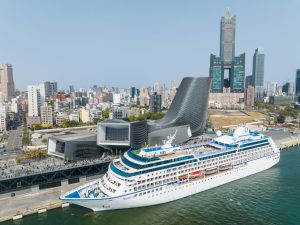
Think about the start of a vacation. For a cruise, that moment isn’t when the ship first sails into open water; it’s the hustle and bustle of the embarkation port. This is the critical land-based hub where thousands of passengers, laden with luggage and anticipation, converge to begin their journey. On a single turnaround day, a major embarkation port like PortMiami or Port Canaveral can process more passengers than a busy airport terminal, transforming them from individuals into a community of travelers in a matter of hours. The smoothness of this operation sets the tone for the entire voyage and is the result of years of strategic planning by cruise lines and port authorities. Understanding this gateway—often called a homeport or turnaround port—is key to understanding the modern cruise industry.
An embarkation port is far more than a parking spot for floating resorts. It is a complex economic engine, a logistical masterpiece, and the first impression of a cruise holiday. While ports of call offer fleeting visits, the embarkation port is where the cruise product is delivered in full. Here, passengers board and disembark, ships are resupplied with everything from food to fuel, and the local economy receives its most significant infusion of cruise-related spending. The choice of which port serves as this pivotal starting point is one of the most consequential decisions a cruise line makes, influencing everything from ticket prices to itinerary appeal.
This article will serve as your guide to the world of embarkation ports. We will define their unique role, explore why they are the most economically valuable ports on any itinerary, and break down the precise factors—from airport connectivity to terminal efficiency—that cruise lines analyze when choosing one. We will look at real-world examples of global hubs, examine the challenges they face from overtourism to environmental regulations, and consider how trends like sustainability and new ship technology are shaping the embarkation ports of the future. For anyone involved in maritime operations, tourism, or simply planning a cruise, this knowledge is essential.
Why Embarkation Ports Are the Cornerstone of Cruise Operations
The pre-eminence of the embarkation port stems from its unmatched economic impact on a region. When a port functions as a homeport, it captures the full spectrum of cruise passenger and crew spending, not just a fraction of it. Passengers typically arrive a day or more before their cruise, booking local hotels, dining in restaurants, and using transportation services. A study cited in industry research notes that cruise passengers spend an average of $385 in port cities before boarding. This “pre- and post-cruise” tourism spend is a windfall for the local economy that transit ports do not enjoy to the same degree. Furthermore, the cruise line’s own operational spending at a homeport is substantial, encompassing everything from bunkering fuel and loading vast quantities of provisions to waste disposal and paying port fees. It is estimated that the direct and indirect impact of the global cruise industry reached a record $168.6 billion in 2023, with homeports capturing a disproportionately large share of this value.
From a logistical and operational perspective, the embarkation port is the most complex node in a cruise network. A port of call involves a brief, coordinated stop. An embarkation port, however, manages the complete “turnaround.” This is the intricate process of disembarking an entire ship of passengers and their luggage, thoroughly cleaning and servicing the vessel, loading supplies for the next voyage, and then embarking a new complement of thousands of guests—all within a tight window of often just six to eight hours. This requires exceptional terminal design, efficient baggage handling systems, streamlined security and customs (CIQ) procedures, and seamless coordination between the port, the cruise line, and numerous government agencies. The efficiency of this operation directly impacts the cruise line’s schedule, costs, and, most importantly, passenger satisfaction from the very first moment.
Finally, the embarkation port defines the market access and itinerary design for a cruise line. The location of the homeport determines the geographic range of possible itineraries. A ship based in Barcelona naturally offers voyages around the Mediterranean, while one based in Singapore becomes a gateway to Southeast Asia. The port’s connectivity, especially its proximity to a major international airport, dictates the catchment area from which the cruise line can draw passengers. A successful homeport must be easily accessible to a large population, whether by air, rail, or road. This strategic role makes the embarkation port a foundational pillar of a cruise line’s business strategy in a region, shaping the vacations it can sell and the customers it can attract.
The Key Characteristics of a Major Embarkation Port
Not every port can handle the immense demands of being a homeport. Cruise lines select these hubs based on a rigorous set of criteria that ensure operational success and market appeal. A seminal peer-reviewed study on home-port selection criteria, which surveyed 109 cruise industry professionals, provides a clear hierarchy of what matters most. Contrary to what one might assume, sheer physical infrastructure (like terminal buildings) was ranked as the least important category. The top priorities revolve around smooth functionality and strategic advantage.
The foremost category is Port Efficiency and Operations. This encompasses the competency and speed of all port services: pilotage, towage, baggage handling, and, critically, customs, immigration, and quarantine (CIQ) services. Efficient CIQ processing is repeatedly highlighted in research as a decisive factor for cruise operators. Delays at this stage can cascade, disrupting the entire turnaround schedule. Furthermore, ports that offer incentives, such as reduced fees for volume commitments or marketing support, are more attractive to cruise lines looking to optimize costs.
Following closely are Strategic Location and Connectivity. A premier embarkation port must be within a feasible sailing distance of attractive destination ports to create compelling itineraries. Even more crucial is its integration with other transport modes. Excellent air connectivity is non-negotiable for a major homeport, as the vast majority of passengers fly in to start their cruise. Ports like Barcelona and Miami are successful in part because they are adjacent to major international airports. Similarly, good road and rail links are vital, especially with the growing popularity of the “drive-to-cruise” market in regions like North America and Europe.
While physical Terminal and Berth Infrastructure is a baseline requirement, its importance is often in enabling the efficiencies above. The port must have a berth long and deep enough to accommodate the largest cruise ships. Modern, spacious terminals with streamlined passenger flow paths are essential for processing thousands of people comfortably. Specialized features are becoming standard expectations, most notably Onshore Power Supply (OPS) capabilities, which allow ships to plug into the local electrical grid and turn off their engines, drastically reducing emissions in port. As environmental regulations tighten, OPS is transitioning from a bonus to a necessity for forward-looking homeports.
Global Examples of Leading Embarkation Ports
Examining the world’s top embarkation ports reveals how these selection criteria come to life in different regional contexts. Each port leverages its unique geographic and economic advantages to secure its status as a cruise hub.
PortMiami, Florida, USA: “The Cruise Capital of the World”
PortMiami is the archetypal mega-homeport. It consistently leads the world in passenger volume, a title earned through a powerful combination of factors. Its primary strength is unrivaled market access. Located in a major tourist destination, it serves a vast “drive-to” market from across the southeastern United States and is seamlessly connected to Miami International Airport, a global aviation hub. This gives cruise lines an enormous pool of potential passengers. The port has invested heavily in dedicated, state-of-the-art cruise terminals, some even branded for specific cruise lines. Its geographic position makes it the perfect gateway to the most popular cruise region: the Caribbean and The Bahamas. The economic impact on South Florida is measured in the billions, cementing its indispensable role.
Port of Barcelona, Spain: The Mediterranean’s Premier Hub
Barcelona exemplifies the ideal urban integration of a homeport. It is not just a port; it is a world-class tourist destination itself, which enhances its appeal as a start and end point for a vacation. The cruise terminals are located within walking distance of the city’s famous Las Ramblas, allowing passengers to easily extend their stay. Like Miami, it boasts excellent air and rail connectivity across Europe. Barcelona acts as the pivotal homeport for Western Mediterranean itineraries, offering voyages to iconic destinations in Spain, France, and Italy. Its success has required careful management to balance the economic benefits with the challenges of urban congestion, leading to innovative policies for sustainable tourism.
Port Canaveral, Florida, USA: The Gateway to Central Florida
Port Canaveral showcases the power of synergy with a major tourist attraction. While it possesses excellent port infrastructure and accessibility, its unique strategic advantage is its proximity to Orlando’s theme parks. This allows it to capture the massive “park and cruise” family market, where vacations combine a land-based resort stay with a sea voyage. It has grown aggressively to become one of the world’s busiest cruise ports by cultivating this dual identity. Its location on Florida’s Atlantic coast also provides efficient routing to both the Caribbean and the Bahamas, offering variety to cruise lines and passengers alike.
Port of Singapore: Asia’s Cruise Linchpin
Singapore’s role as a global maritime and aviation hub makes it the undisputed embarkation port for Southeast Asia. Its strengths are strategic geographic location and flawless operational efficiency. Changi Airport provides unparalleled airlift from across Asia and the world. The port’s Marina Bay Cruise Centre is a modern, capable facility. For cruise lines looking to develop the growing Asian market, Singapore is the logical and almost essential homeport choice, providing access to destinations in Thailand, Vietnam, Malaysia, and Indonesia.
Navigating Challenges and Implementing Solutions
The role of a major embarkation port is not without significant pressures. One of the most pressing issues is congestion and community impact. The concentration of thousands of passengers arriving and departing on the same day strains local infrastructure, from roads to airports. In historic cities, this can lead to tensions with residents over “overtourism.” Solutions require proactive planning. Ports and cities are developing better traffic management plans, promoting staggered arrival times for passengers, and investing in improved multi-modal transport links to disperse the flow of people. The goal is to integrate the port’s operations into the city’s fabric without overwhelming it.
Environmental regulations and sustainability present both a challenge and an opportunity for modernization. The International Maritime Organization (IMO) has set a course for net-zero emissions by or around 2050, with binding measures on fuel standards and emissions pricing coming into force. For embarkation ports, this significantly elevates the importance of providing Onshore Power Supply (OPS). While only about 3% of the world’s cruise ports currently offer OPS, it is a critical technology for reducing air pollution and greenhouse gases while ships are docked. Leading ports, like the Port of Seattle, have made OPS a cornerstone of their environmental strategy. Ports that invest in this and other green technologies, such as cold ironing and waste reception facilities, will become the preferred partners for cruise lines facing stringent regulatory and consumer pressure to operate sustainably.
Furthermore, security and public health preparedness remain paramount. Embarkation ports are the primary checkpoint for implementing international security codes like the ISPS (International Ship and Port Facility Security Code) and managing health screenings, a lesson underscored by the COVID-19 pandemic. Ports must maintain robust, adaptable protocols to ensure passenger safety without creating excessive delays. This involves continuous training, technological investment in screening equipment, and close collaboration with national and international authorities to ensure a secure and smooth start to every voyage.
Future Outlook: The Evolution of the Embarkation Port
The embarkation port of the future will be shaped by the same transformative trends affecting the wider maritime and tourism industries. Sustainability will be a central driver of port design and investment. The regulatory push from the IMO and regional bodies like the European Union will make access to alternative fuels—such as LNG, methanol, and eventually green hydrogen or ammonia—a key competitive advantage for ports. Future embarkation ports will need to be not just places to board a ship, but integrated energy hubs capable of bunkering the next generation of clean-propulsion vessels. The expansion of OPS infrastructure will continue, moving from a premium feature to a standard expectation at all major homeports.
Technology will revolutionize the passenger experience and operational transparency. The embarkation process will become increasingly contactless and streamlined through biometrics, mobile apps, and digital documentation. Imagine a future where facial recognition handles everything from bag drop to security and boarding, eliminating queues and paperwork. For port operators and cruise lines, advanced data analytics and the Internet of Things (IoT) will allow for predictive management of passenger flows, baggage handling, and supply chain logistics, making the complex turnaround process even more efficient and resilient.
Finally, market diversification and new itinerary models may alter the traditional homeport landscape. The explosive growth in expedition cruising is creating demand for embarkation ports in remote, adventure-focused regions like Alaska, Iceland, and Patagonia. These ports may be smaller but require specialized support services. Conversely, the rise of longer “grand voyages” and “fly-cruise” packages may strengthen the role of certain super-hubs that offer the best global air connectivity. The embarkation port will remain the crucial first link in the cruise chain, but its features and functions will evolve to meet the demands of new ships, new fuels, and new passenger expectations.
FAQ: Your Questions on Embarkation Ports Answered
What is the difference between an embarkation port and a port of call?
An embarkation port (or homeport) is where your cruise begins and/or ends. It involves the full boarding or disembarkation process, and the ship undergoes a major servicing. A port of call (or transit port) is an intermediate destination you visit for a few hours during the voyage, where you typically go ashore for an excursion before returning to the ship to continue sailing.
How early should I arrive at the embarkation port for my cruise?
Cruise lines universally require passengers to arrive several hours before the official sailing time. The exact window (often between 12:00 PM and 3:00 PM for a late afternoon departure) will be specified in your cruise documents. This allows sufficient time for check-in, security, and boarding procedures to be completed smoothly for all passengers.
Can I choose any embarkation port for my cruise?
No, the embarkation port is fixed for each specific cruise itinerary. When you select a cruise, you are also selecting its start and end point. Cruise lines design itineraries based on their ships’ seasonal deployments to different homeports around the world.
Why are some cruises “one-way” with different start and end ports?
These are often called “open-jaw” or “repositioning” cruises. They occur when a ship is moving between seasonal operating regions (e.g., from Alaska to the Caribbean). They offer unique itineraries and can be a great value. In this case, you will have two different embarkation/disembarkation ports, which requires planning flights or transport to and from two separate cities.
What happens if I miss my ship at the embarkation port?
This is a serious situation. The ship operates on a strict schedule and will not wait for late passengers. It is your responsibility to be at the port on time. If you miss the departure, you must contact the cruise line immediately and make your own travel arrangements to meet the ship at its next port of call, at your own expense, and subject to immigration laws.
Conclusion: More Than a Starting Point, A Foundation for the Voyage
The embarkation port is the indispensable foundation upon which every cruise vacation is built. It is far more than a simple point of departure; it is a strategic economic asset for its region, a logistical command center for the cruise line, and the critical first chapter in the passenger’s experience. As we have seen, its selection is a complex calculus balancing operational efficiency, geographic advantage, market access, and increasingly, environmental stewardship.
For the cruise industry, the homeport is where the promise of a seamless, enjoyable vacation must first be delivered. For port cities, securing homeport status is a coveted achievement that brings sustained economic vitality. As the industry sails toward a future defined by larger ships, greener technologies, and more diverse itineraries, the role of the embarkation port will only grow in complexity and importance. The ports that will thrive are those that invest not only in concrete and cranes but in seamless connectivity, sustainable infrastructure, and collaborative partnerships with their communities.
The next time you begin your cruise journey, take a moment to appreciate the vast, invisible operation underway at the embarkation port. It is a place where global travel logistics meet human excitement, and where every great sea voyage finds its start.
References
-
Port Economics, Management and Policy. (n.d.). Chapter 7.2 – Cruise Ports. Retrieved from https://porteconomicsmanagement.org/pemp/contents/part7_1/cruises-ports/[citation:1]
-
Cruise Lines International Association (CLIA). (2025). New 2025 State of the Cruise Industry Report Shows Cruising is a Vibrant Tourism Sector. Retrieved from https://cruising.org/news/new-2025-state-cruise-industry-report-shows-cruising-vibrant-tourism-sector-growing-steadily[citation:2]
-
ShipFinex. (2025). International Shipping Industry Regulations and Law in 2025. Retrieved from https://www.shipfinex.com/blog/shipping-industry-regulations[citation:3]
-
Cruise Lines International Association (CLIA). (n.d.). Onshore Power Supply (OPS). Retrieved from https://cruising.org/onshore-power-supply-ops[citation:4]
-
Cruise Lines International Association (CLIA). (2025). State of the Cruise Industry Report 2025. Retrieved from https://cruising.org/resources/state-cruise-industry-report-2025[citation:5]
-
PLOS ONE. (2024). An assessment of factors for the cruise port of call selection. Retrieved from https://pmc.ncbi.nlm.nih.gov/articles/PMC10849245/[citation:6]
-
International Maritime Organization (IMO). (2025). IMO approves net-zero regulations for global shipping. Retrieved from https://www.imo.org/en/mediacentre/pressbriefings/pages/imo-approves-netzero-regulations.aspx[citation:7]
-
Port of Seattle. (2025). What is the Port doing to reduce the environmental impact of cruise ships? Retrieved from https://www.portseattle.org/faq/what-port-doing-reduce-environmental-impact-cruise-ships[citation:8]
-
ScienceDirect. (2020). Cruise home-port selection criteria. Retrieved from https://www.sciencedirect.com/science/article/abs/pii/S2210539520301218[citation:9]
-
Seatrade Cruise News. (2024). Cruising generates record $168.6b global economic impact. Retrieved from https://www.seatrade-cruise.com/resources/cruising-generates-record-168-6b-global-economic-impact[citation:10]