
What is a cruise port? Learn how passenger terminals operate worldwide, from ship berthing and security to passenger flow, logistics, and global cruise operations.
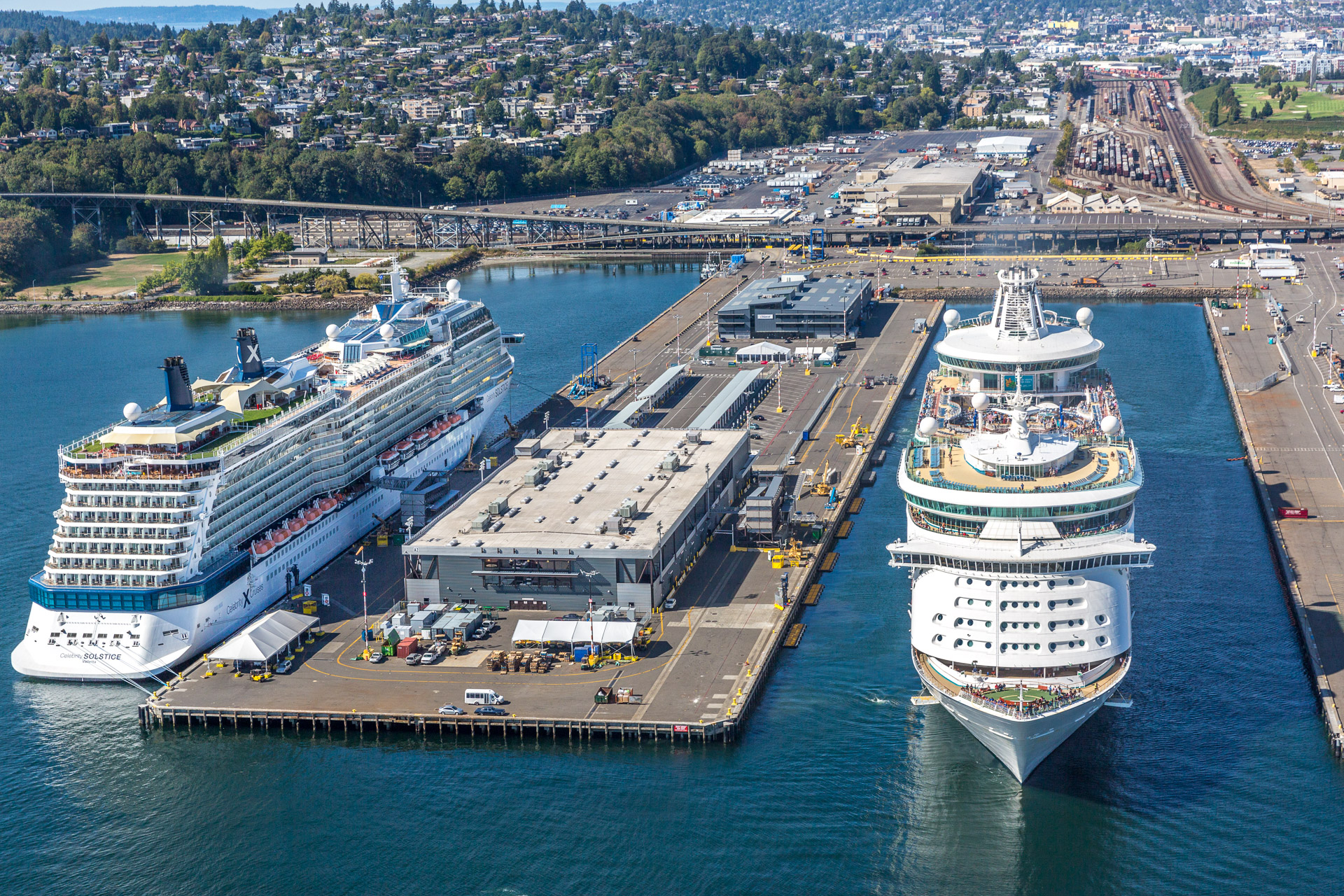
A cruise port is not simply a quay where a ship docks. It is a highly specialized passenger-focused transport hub that blends maritime operations, aviation-style passenger processing, border control, tourism logistics, and urban infrastructure. Unlike cargo ports—where efficiency is measured in tonnes per hour—cruise ports are designed around people, experience, safety, and time-critical choreography.
As the global cruise industry continues to grow and diversify, understanding what a cruise port is and how passenger terminals operate worldwide is increasingly important. This article provides a clear, structured, and globally accessible explanation of cruise ports, combining operational detail with real-world examples to help maritime students, professionals, and curious readers understand how these gateways to the sea truly work.
Why This Topic Matters for Maritime Operations
Cruise ports matter because they sit at the intersection of shipping, tourism, border security, and urban life. From a maritime operations perspective, they represent one of the most time-sensitive port environments in the world. A cruise ship cannot simply wait indefinitely at berth. Departure times are fixed by itinerary, fuel planning, tidal windows, and the expectations of thousands of passengers.
Unlike cargo terminals, where delays can sometimes be absorbed into inventory buffers, cruise terminals operate on a “zero tolerance for chaos” principle. A missed sailing is not just a commercial issue; it becomes a reputational crisis for cruise lines, ports, and destination cities. As a result, cruise ports are engineered for predictability, redundancy, and human flow management.
Cruise ports also matter economically. According to global industry estimates, cruise passengers generate billions of dollars annually in port fees, shore excursions, hotel stays, and local services. For many coastal cities, the cruise terminal is a critical tourism asset and a highly visible symbol of maritime connectivity.
Finally, cruise ports are increasingly important in discussions about sustainability, safety, and public perception of shipping. Emissions, waste handling, crowd management, and security screening are all under intense scrutiny. How cruise terminals operate today shapes how the cruise industry will be accepted and regulated tomorrow.
What Exactly Is a Cruise Port?
Defining a Cruise Port in Simple Terms
A cruise port is a port facility specifically designed to handle passenger ships—primarily cruise ships—and the large volumes of people, luggage, supplies, and services associated with them. At its core, a cruise port consists of berths suitable for large passenger vessels and one or more passenger terminals that function similarly to airport terminals.
However, unlike airports, cruise ports must integrate maritime safety requirements, port state controls, ship provisioning, and tourism flows into a single operational window that often lasts only six to ten hours.
In many cases, a cruise port is part of a larger commercial port. In others, especially in popular tourist destinations, cruise terminals are physically separated from cargo areas to improve safety, passenger comfort, and urban integration.
Key Physical Components of a Cruise Port
A modern cruise port typically includes deep-water berths equipped with high-capacity mooring systems, fenders designed for large hulls, and passenger gangways or terminal-integrated boarding bridges. Behind the quay, the passenger terminal building houses check-in counters, security screening areas, customs and immigration facilities, baggage handling systems, and waiting lounges.
Supporting infrastructure often extends beyond the terminal itself. Road access for buses and taxis, parking facilities, provisioning zones, waste reception facilities, and sometimes dedicated crew processing areas all form part of the broader cruise port ecosystem.
How Cruise Passenger Terminals Operate
The Embarkation Process: From City to Ship
Embarkation is the most intense operational phase for a cruise terminal. Thousands of passengers arrive within a narrow time window, often aligned with flight arrivals or hotel check-out times. The terminal must process them quickly while maintaining security, comfort, and regulatory compliance.
The process typically begins with landside access control, where terminal staff manage traffic flows and ensure that only ticketed passengers enter the terminal. Inside, passengers move through check-in, where documents are verified and boarding credentials issued. Security screening follows, similar in concept to airports but adapted for maritime risks and shipboard environments.
Immigration and customs checks are coordinated with national authorities, particularly for international voyages. Once cleared, passengers enter a controlled waiting area before boarding the ship via gangways. All of this must be synchronized with luggage delivery, so that bags arrive in cabins shortly after passengers do.
Disembarkation: The Reverse Challenge
Disembarkation may appear simpler, but operationally it is equally demanding. Passengers must be cleared by immigration, retrieve luggage, and exit the terminal while new passengers may already be arriving for the next sailing. In turnaround ports, embarkation and disembarkation overlap, requiring precise zoning and time management.
For homeports—ports where cruises begin and end—this turnaround process is the defining operational challenge. Ships must also be resupplied, cleaned, inspected, and prepared for the next voyage, often within the same day.
Key Developments and Technologies in Cruise Ports
Terminal Design Inspired by Airports
Modern cruise terminals increasingly resemble airports in both form and function. Designers focus on intuitive passenger flows, clear signage, natural lighting, and scalable spaces that can handle peak volumes without feeling overcrowded.
Digital check-in systems, biometric identity verification, and pre-arrival passenger data exchange are becoming more common. These technologies reduce processing time and improve security while enhancing the passenger experience.
Safety, Security, and Regulatory Oversight
Cruise terminals operate under a complex regulatory framework involving maritime authorities, border agencies, and international conventions. Organizations such as the International Maritime Organization set global standards for ship and port facility security, while national authorities like the US Coast Guard or European maritime agencies enforce compliance.
Classification societies—including DNV, Lloyd’s Register, and ABS—play a role in certifying port-related infrastructure and ship systems that interact with terminals, such as gangways and mooring arrangements.
Environmental Controls and Shore Power
Environmental performance is a defining issue for modern cruise ports. Many terminals now offer shore power (cold ironing), allowing ships to shut down engines while alongside. This reduces local air emissions and noise, particularly important in urban ports.
Waste reception facilities for garbage, sewage, and oily residues are also integral to cruise port operations, requiring close coordination between terminal operators and shipboard environmental officers.
Challenges and Practical Solutions in Cruise Port Operations
One of the main challenges facing cruise ports is peak congestion. Unlike airports, which spread departures throughout the day, cruise terminals often experience extreme peaks on specific days. Managing these peaks without excessive infrastructure investment requires flexible staffing, modular terminal design, and close coordination with cruise lines.
Security and health risks present another challenge. Cruise ports must be prepared to handle medical screenings, emergency evacuations, or public health incidents without disrupting operations. The experience of global health crises has accelerated investment in contactless processing and isolation protocols.
Urban integration is a further issue. Cruise terminals are often located close to city centers, leading to concerns about traffic, crowding, and environmental impact. Successful ports work closely with local authorities to align cruise schedules with urban capacity and community expectations.
Case Studies: Cruise Ports Around the World

In Europe, ports such as Barcelona integrate cruise terminals into dense urban environments, balancing tourism benefits with strict environmental and traffic controls.
In Asia-Pacific, hubs like Singapore emphasize seamless connectivity, using digital systems and integrated transport links to position cruise ports as part of a broader travel ecosystem.
These examples show that while cruise ports share common operational principles, their design and management reflect local geography, regulation, and tourism strategy.
Future Outlook and Maritime Trends
The future of cruise ports will be shaped by three main forces: scale, sustainability, and digitalization. Ships continue to grow larger, pushing terminals to handle more passengers per call without expanding footprints indefinitely.
Sustainability pressures will drive wider adoption of shore power, alternative fuels infrastructure, and stricter waste management practices. Cruise ports will increasingly be judged not only by efficiency but by their environmental and social performance.
Digital transformation will continue to blur the line between sea and land operations. Passenger data, port systems, and shipboard platforms will be more tightly integrated, enabling smoother journeys and better risk management.
Global organizations such as the United Nations Conference on Trade and Development and the World Bank are already emphasizing the role of passenger ports in sustainable coastal development, signaling that cruise terminals will remain a strategic focus in maritime policy discussions.
FAQ Section
What is the difference between a cruise port and a cargo port?
A cruise port is designed around passengers and experience, while cargo ports focus on moving goods efficiently.
Are cruise terminals similar to airports?
Yes, in terms of passenger processing and security, but cruise terminals also integrate maritime safety and ship operations.
How long does a cruise ship stay in port?
At homeports, ships often stay 8–12 hours for turnaround. At transit ports, calls may last only 4–8 hours.
Who controls security at cruise ports?
Security is shared between terminal operators, port authorities, and national agencies, guided by international standards.
Do all cruise ports provide shore power?
Not yet, but the number is growing rapidly due to environmental regulations and community pressure.
Conclusion
A cruise port is far more than a docking point for passenger ships. It is a sophisticated maritime gateway where shipping, tourism, security, and urban life intersect in a tightly managed operational dance. From the moment a passenger arrives at the terminal to the instant the ship sails, thousands of coordinated actions take place behind the scenes.
For maritime professionals and students, understanding how cruise passenger terminals operate worldwide offers valuable insight into one of the most human-centered sectors of shipping. As cruise tourism evolves, cruise ports will continue to play a decisive role in shaping the industry’s efficiency, sustainability, and public acceptance. Exploring how they work is the first step toward designing better, smarter, and more responsible maritime gateways.
References
International Maritime Organization. (2023). Port facility security and passenger ship operations. https://www.imo.org
United Nations Conference on Trade and Development. (2023). Review of Maritime Transport. https://unctad.org
World Bank. (2022). Port infrastructure and tourism development. https://www.worldbank.org
International Chamber of Shipping. (2023). Passenger ship operations and safety. https://www.ics-shipping.org
Lloyd’s Register. (2022). Passenger ship and port interface guidance. https://www.lr.org
DNV. (2023). Cruise ship and port sustainability. https://www.dnv.com
Marine Policy. (2021). Cruise ports and coastal impacts. https://www.sciencedirect.com